
Executive Overview
In a political climate frequently defined by deep partisan division and fiscal skepticism, Missouri voters have demonstrated a rare and resounding consensus. An extraordinary 82% of the electorate voted this month to renew the state’s Parks, Soils and Water Sales Tax, reaffirming a decades-long commitment to environmental stewardship, agricultural preservation, and public outdoor recreation.
This decisive electoral victory secures the financial lifeblood for Missouri’s state parks, historic sites, and state-wide soil and water conservation initiatives. Operating as a dedicated one-tenth of one percent retail sales tax—adding just ten cents to every $100 spent—the mechanism generates tens of millions of dollars annually. Crucially, it underpins the operational framework that allows Missouri to maintain its treasured tradition of free admission to all state parks, setting it apart from numerous other states that rely on steep gate fees for public land access.
Environmental organizations, agricultural advocates, and local communities have hailed the vote as a triumph of proactive public policy. By extending the tax, Missourians have not only safeguarded natural habitats for native wildlife and migratory birds but have also reinforced vital support systems for the state’s agricultural backbone. This comprehensive report explores the mechanics of the tax, the historical trajectory of conservation funding in the state, the economic and ecological impact of the revenue, and the future outlook for Missouri’s public lands.
Detailed Chronology: A Decades-Long Legacy of Conservation
To understand the magnitude of this recent ballot success, one must examine the historical context of public conservation funding in Missouri. The state’s unique approach to funding its natural resources through self-imposed taxation is not a recent innovation; rather, it represents a generational pact between citizens and the land.
The Genesis: 1988 and the Establishment of the Trust
Before the late 1980s, Missouri State Parks and soil conservation programs were subject to the traditional, often volatile appropriations battles of the state legislature. Funding fluctuated with economic downturns and shifting political priorities, leaving parks underfunded and agricultural lands vulnerable to severe erosion.
Recognizing the need for a stable, dedicated revenue stream, a coalition of conservationists, farmers, and civic leaders championed a constitutional amendment in 1988. Voters approved a one-tenth of one percent sales tax dedicated specifically to state parks and soil and water conservation. This initial vote established a profound precedent: Missourians were willing to tax themselves directly if they had a guaranteed voice in protecting their natural heritage.
The Decennial Renewals: 1996, 2006, 2016, and Beyond
Because the tax was designed with a sunset clause, it requires periodic voter renewal—traditionally every decade. This built-in accountability mechanism ensures that the public retains ultimate control over the tax, forcing agencies to demonstrate fiscal responsibility and tangible results to earn ongoing support.
- 1996 Renewal: Following the severe Midwest floods of 1993, the importance of robust soil and water conservation became glaringly apparent. Voters decisively renewed the tax, recognizing its role in preventing agricultural runoff and mitigating flood damage.
- 2006 Renewal: Amid a shifting economic landscape, voters again affirmed the tax by a substantial margin, allowing the state to expand park infrastructure, acquire high-priority conservation easements, and upgrade aging historic sites.
- 2016 Renewal: Facing increased urban sprawl and rising maintenance costs for historic structures, Missouri voters pushed the approval rating higher, signaling that access to nature was a non-negotiable priority for families across the state.
- The Recent Landslide: Achieving an unprecedented 82% approval rating, this latest vote represents the high-water mark of public support in the history of the initiative. Despite economic headwinds and diverse voter demographics, the mandate for conservation proved virtually universal.
Supporting Context & Metrics: The Economics of Stewardship
The mechanics of the Parks, Soils and Water Sales Tax are a masterclass in efficiency and broad-based public benefit. By distributing the financial contribution widely across consumer transactions, the burden on individual taxpayers remains remarkably low while generating monumental collective impact.
Financial Breakdown and Revenue Generation
During the previous fiscal year, the one-tenth of one percent sales tax generated approximately $69.9 million. To put this in perspective for the average household:
- Per Capita Cost: On average, an individual Missouri resident contributes roughly $10 per year toward the state park portion of the sales tax.
- Comparative Value: This annual contribution is considerably less than the cost of a single-day admission ticket or parking fee at state and national parks in many other parts of the country.
Budgetary Impact on State Parks
The revenue generated by the sales tax is the primary engine driving Missouri’s outdoor recreation economy. Specifically, the tax provides approximately 75% of the total Missouri State Parks budget. Without this dedicated funding stream, the state would face severe budgetary shortfalls, forcing difficult choices regarding park closures, deferred maintenance, and the introduction of gate fees.
By maintaining a robust operating budget, the system ensures that all 92+ state parks and historic sites remain open, staffed, and accessible. The policy of free admission is a cornerstone of this model, democratizing the outdoors and ensuring that families of all economic backgrounds can experience nature, hiking trails, and historical education without financial barriers.
Agricultural and Landowner Support
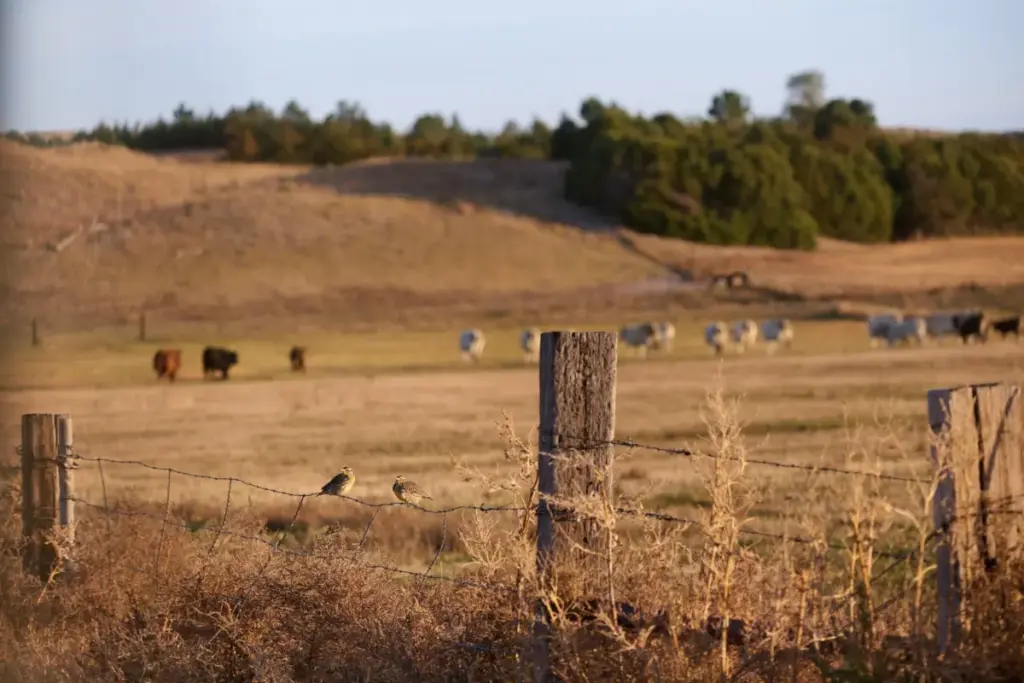
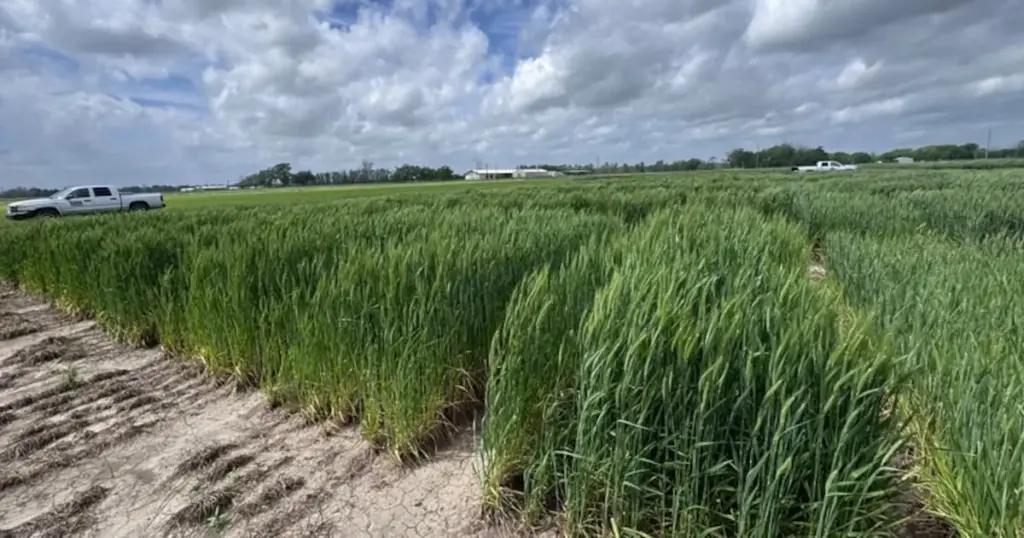
Crucially, the sales tax is not solely dedicated to recreation; it is an essential lifeline for Missouri agriculture. A significant portion of the revenue is channeled into soil and water conservation programs managed in partnership with landowners and farmers.
These programs provide technical and financial assistance to help agricultural producers implement best management practices, such as:
- Terraced fields and grassed waterways to prevent topsoil erosion.
- Rotational grazing systems that protect stream banks from livestock degradation.
- Nutrient management plans that reduce agricultural runoff into Missouri’s watersheds, protecting both local drinking water supplies and aquatic ecosystems.
Official Statements and Stakeholder Perspectives
The overwhelming success of the ballot measure brought together a diverse coalition of environmental groups, agricultural associations, and civic leaders, all of whom emphasized the cross-partisan appeal of public land stewardship.
The Audubon Society Perspective
Environmental organizations played a pivotal role in rallying voters and articulating the dual benefits of the tax for both wildlife and human communities. Representatives from Audubon released statements highlighting the intersection of conservation and daily life:
"Missourians delivered a powerful endorsement of conservation this month, voting overwhelmingly to renew the Parks, Soils and Water Sales Tax… The voters showed they deeply value state parks, public lands, soil and water resources—and are willing to invest in protecting them for generations to come."
Furthermore, conservation advocates underscored the importance of protecting avian habitats and migratory corridors:
"Audubon is proud to have supported a successful ballot initiative and thoughtful funding mechanism to support the places birds and people need, as well as important soil and water programs that help farmers and landowners protect and maintain important resources on their land. We are deeply grateful to everyone who played a role in this effort and join the celebration of this important affirmation of the value of public funding for public lands."
Agricultural and Community Leaders
The agricultural community has long recognized that soil conservation is synonymous with economic survival. Representatives from farming coalitions noted that the partnership between state agencies and private landowners, funded by the sales tax, is a national model for voluntary, incentive-based conservation. Rather than imposing top-down federal regulations, the Missouri model empowers farmers to be stewards of their own land with financial backing from the public trust.
Local business owners and tourism boards also celebrated the result, noting that state parks serve as vital economic engines for rural communities. Visitors traveling to state parks spend money on local lodging, dining, and retail, injecting millions of dollars into rural economies that might otherwise struggle to attract tourism revenue.
Future Outlook: Challenges and Opportunities Ahead
While the 82% approval rating is a clear mandate for celebration, the work of conservation is never truly finished. Looking forward, the renewed funding secures stability for the next decade, but state agencies and conservation advocates must navigate emerging challenges to ensure long-term sustainability.
1. Climate Resilience and Infrastructure Adaptation
Changing weather patterns, characterized by increasingly intense storms and prolonged droughts, place unprecedented stress on Missouri’s natural infrastructure. Trail systems, historic masonry, bridges, and campgrounds require continuous maintenance and climate-resilient engineering. The renewed sales tax will provide the necessary capital to upgrade these facilities, ensuring they can withstand severe weather events for decades to come.
2. Balancing Access and Preservation
As the popularity of Missouri State Parks continues to surge—with millions of visitors exploring public lands annually—managing the delicate balance between public access and environmental protection becomes paramount. Funding will be critical for expanding trail networks, managing visitor traffic in high-impact zones, and investing in educational programming to foster a deeper conservation ethic among new visitors.
3. Expanding Agricultural Partnerships
With soil erosion remaining an ongoing threat to agricultural productivity and water quality, the demand for conservation cost-share programs often exceeds available funding. The secured revenue will allow agencies to expand outreach to new landowners, implementing cutting-edge agricultural techniques that sequester carbon, improve soil health, and protect vital watersheds.
Conclusion
The decisive renewal of the Parks, Soils and Water Sales Tax is a testament to the enduring values of the Missouri electorate. By choosing to invest a fraction of a cent on retail purchases into the preservation of their natural landscape, Missourians have secured a legacy of clean water, fertile soil, accessible recreation, and thriving wildlife habitats. As this funding mechanism moves into its next decade, it stands as a shining example of what can be achieved when citizens unite across political lines in service of the common good and the natural world.