
Executive Overview
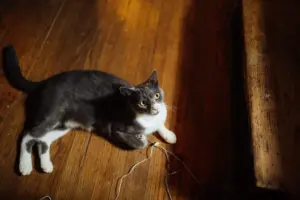
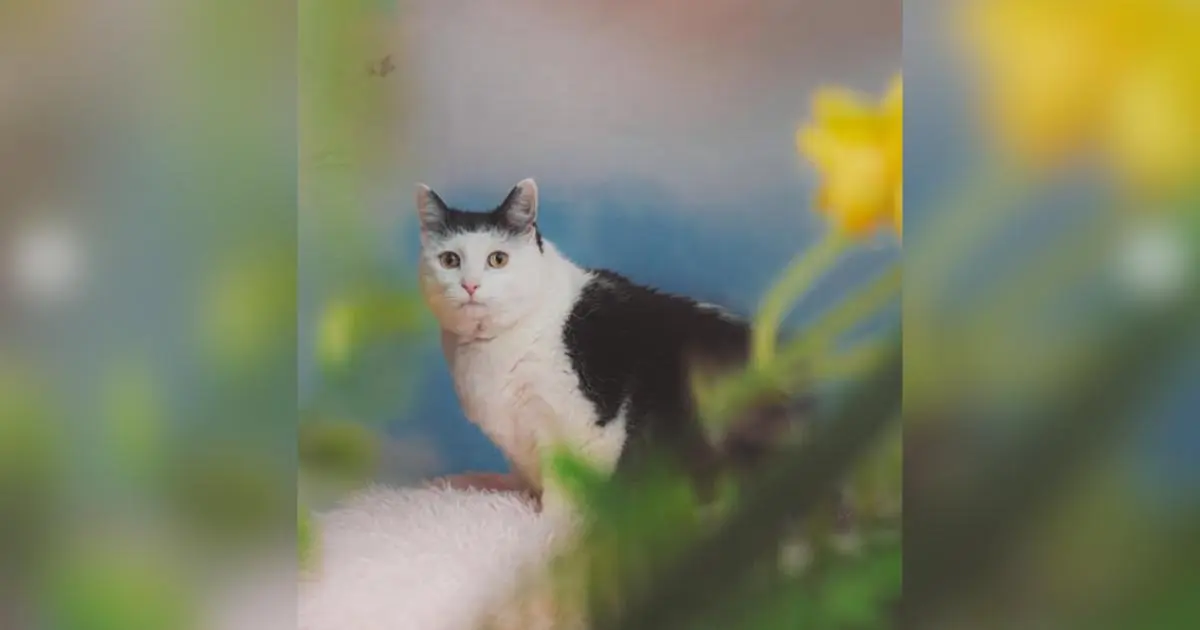
When animal lover Aly opened her home to an 11-year-old rescue cat named Poppy, she believed she was providing a peaceful, comfortable sanctuary for the feline’s golden years. Having already endured the harsh realities of life as a stray and surviving severe frostbite, Poppy had seemingly exhausted her quota of life’s hardships. Yet, fate had an unexpected and harrowing chapter in store for them. Within months of her adoption, a routine physical check revealed a small, ominous lump near one of Poppy’s nipples—a discovery that led to a formal diagnosis of feline mammary cancer.
Feline mammary cancer is notoriously aggressive, carrying a high malignancy rate that strikes fear into the hearts of veterinarians and pet parents alike. Faced with astronomical veterinary costs, emotionally draining oncology appointments, and the agonizing uncertainty of her beloved pet’s prognosis, Aly channeled her grief and anxiety into a creative outlet. She began painting vibrant stones, laying the groundwork for what would affectionately become "Poppy’s Rock Garden."
What began as a solitary coping mechanism soon blossomed into a community-wide phenomenon. Neighbors, online followers, and fellow animal advocates began contributing their own handcrafted, painted rocks to the display, turning a monument of personal struggle into an inclusive symbol of hope. Beyond the garden walls, Poppy’s journey catalyzed a much larger mission: The Poppy Project. Partnering with veterinary professionals, Aly transformed her traumatic experience into a vital educational crusade, spreading awareness about early detection, the subtle presentation of feline mammary tumors, and the life-saving benefits of preventative spaying. Today, Poppy is thriving in remission, serving as a living testament to the power of vigilance, advocacy, and unconditional love.
Detailed Chronology: From the Streets to Sanctuary and Survival
Surviving the Elements: Poppy’s Early Hardships
Long before she became the muse of an online community and the heart of a dedicated advocacy project, Poppy’s existence was defined by survival. Entering her senior years at 11 years old, she had already navigated the perils of life as a homeless stray. Street life exposed her to extreme weather, culminating in a severe bout of frostbite that threatened her physical well-being.
For many older animals entering the shelter system, the prospects of adoption are bleak. Senior pets are frequently overlooked in favor of kittens, often leaving them to live out their remaining days in institutional cages. However, Poppy’s fortunes changed when Aly stepped forward to adopt her. Recognizing that older cats deserve dignity, warmth, and unwavering security during their twilight years, Aly integrated Poppy into her home. To all appearances, the darkest chapters of Poppy’s biography were firmly in the past. She was safe, well-fed, and surrounded by affection.
The Discovery: A Routine Check Transforms into a Medical Crisis
The idyllic routine of domestic bliss was abruptly shattered when Aly discovered a small, unassuming lump near one of Poppy’s nipples. Recognizing that any localized swelling or nodule in an unspayed or older cat warrants immediate medical scrutiny, Aly scheduled a veterinary evaluation. Subsequent diagnostic biopsies confirmed the worst: Poppy was suffering from feline mammary cancer.
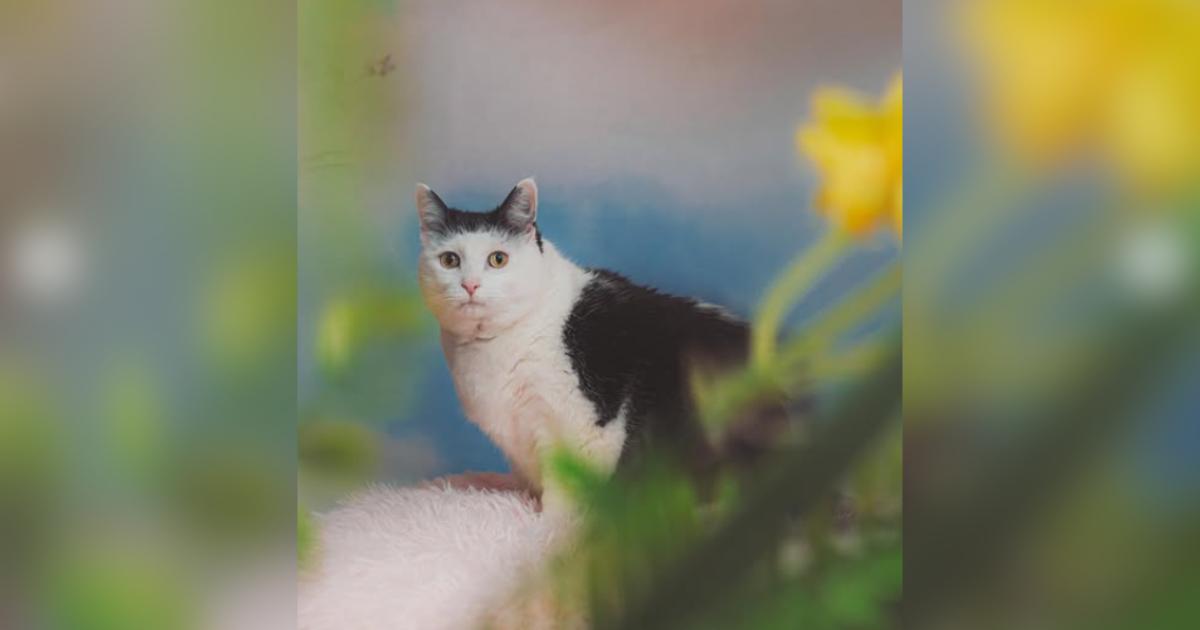
The diagnosis plunged Aly into a world of clinical terminology, surgical options, and existential dread. Faced with a disease famous for its rapid progression, Aly made a resolute commitment to spare no expense or effort in giving Poppy the fighting chance she deserved. She began documenting their journey online, seeking emotional solidarity and aiming to secure whatever medical interventions her veterinary team deemed necessary.
Surgical Intervention and the Road to Remission
Given the aggressive nature of the disease, veterinary specialists recommended a comprehensive surgical approach: a bilateral mastectomy. This extensive procedure involves the surgical removal of the mammary chain on both sides to eradicate current tumors and minimize the risk of recurrence.
For an 11-year-old cat with a history of frostbite and trauma, major surgery carried considerable physiological risk. Nevertheless, Poppy’s resilience carried her through the operating room and the grueling weeks of postoperative recovery. Aly shared the triumphant news that followed: Poppy achieved clinical remission.
However, remission does not mean the medical battle is permanently concluded. Poppy’s long-term survival requires a rigorous, ongoing surveillance protocol. She visits a veterinary oncologist every six months for comprehensive staging procedures—including specialized chest X-rays and abdominal ultrasounds—to ensure the cancer has not metastasized. Additionally, she receives monthly injections to manage debilitating arthritis, ensuring her quality of life remains high as she enjoys her post-cancer retirement.
Supporting Context & Metrics: Understanding Feline Mammary Cancer
To fully appreciate the gravity of Poppy’s survival, one must examine the clinical realities of feline mammary tumors (FMTs). Veterinary literature reveals that mammary carcinomas are among the most lethal neoplasms affecting domestic cats, demanding immediate and aggressive clinical management.
Prevalence, Malignancy Rates, and Metastasis
- High Malignancy Statistics: According to data compiled in the Merck Veterinary Manual, an alarming 80% to 90% of all mammary tumors in cats are malignant. Unlike canine mammary tumors—where roughly 50% are benign—feline tumors lean overwhelmingly toward aggressive carcinoma.
- Metastatic Potential: Cornell University’s College of Veterinary Medicine notes that these cancers possess a dangerous propensity for rapid metastasis. Malignant cells frequently spread via the lymphatic system and bloodstream, invading regional lymph nodes, the lungs, the pleural cavity, and other vital abdominal organs.
- Prognostic Indicators: Clinical research consistently emphasizes that tumor size is one of the most critical prognostic factors for survival. Smaller tumors detected early are associated with significantly longer survival times compared to large masses that have already ulcerated or invaded deep underlying tissue.
The Power of Prevention: Early Spaying
Poppy’s harrowing experience highlighted a crucial tenet of feline preventative medicine: the profound protective effect of early ovariohysterectomy (spaying). Veterinary epidemiological studies underscore that hormonal exposure plays a direct role in the development of feline mammary neoplasia.

- Before 6 Months: The Merck Veterinary Manual notes that female cats spayed before reaching 6 months of age experience an estimated 91% reduction in risk for developing mammary tumors later in life.
- Before 12 Months: For felines spayed before 12 months of age, the risk reduction remains exceptionally high at approximately 86%.
- Diminishing Returns: The protective benefit of spaying declines significantly after the cat reaches two years of age, underscoring why veterinary organizations advocate for pediatric or early adolescent spaying protocols.
Official Statements and Community Impact
Aly’s Reflections on Caregiving and Coping
The emotional toll of navigating a pet’s cancer diagnosis is a heavy burden, often compounded by financial stress. Because of Poppy’s advanced age and pre-existing medical history, traditional pet insurance was financially impractical for Aly, leaving her to shoulder the mounting costs of oncology consults, surgery, diagnostic imaging, and palliative care independently.
Reflecting on the tumultuous year, Aly described the period as profoundly "rocky," characterized by dizzying emotional highs and terrifying lows. Seeking a therapeutic outlet to manage her anxiety, she turned to a surprisingly simple medium: painting rocks.
"What started as a quiet way to channel my fear turned into something much larger than myself," Aly shared. "I wanted a cheerful outdoor display that Poppy could safely inspect from the yard—something to remind us both of the beauty still left in the world."
The Birth of Poppy’s Rock Garden
What began as a singular artistic distraction rapidly evolved into a localized landmark. Positioned in the yard where Poppy frequently patrols, the collection of brightly painted stones caught the attention of neighbors and passersby. Complete with an official sign bearing her name, Poppy’s Rock Garden became a neighborhood attraction.
The initiative took a heartwarming turn when strangers, touched by Poppy’s digital footprint on Instagram (@poppytherescuecat_), began leaving their own painted contributions. Each rock added to the garden represented an individual act of solidarity, transforming a personal trauma into a collective celebration of endurance. For Poppy, the garden offers a dynamic sensory landscape—a safe space to stroll, sniff, and supervise the daily accumulation of colorful tributes left by admirers she will likely never meet.
Future Outlook: The Poppy Project and Feline Health Advocacy
Determined to ensure that Poppy’s ordeal served a greater purpose, Aly refused to let the narrative conclude with her own cat’s recovery. Recognizing that many pet owners remain dangerously uninformed about the subtle warning signs of feline cancer, she established The Poppy Project.

Educating the Public Through The Poppy Project
Designed as an educational multimedia initiative, The Poppy Project bridges the gap between complex veterinary oncology and everyday pet ownership. Aly partnered with professional veterinarians—including Dr. Jaymee—to produce accessible, short-form educational content distributed across social media platforms.
The core educational directives of The Poppy Project emphasize:
- Tactile Familiarity: Encouraging cat parents to systematically touch and inspect their pets’ bodies during routine grooming sessions. Early mammary tumors often manifest not as giant masses, but as small, firm, discreet nodules or grain-like swellings directly beneath or adjacent to the nipples.
- Beyond the Obvious: Educating the public that cats with early-stage cancer often display zero outward signs of illness—they continue to eat, groom, and purr normally, making physical palpation the primary line of defense.
- Monitoring Physical Changes: Teaching owners to watch for subtle asymmetries, localized skin redness, ulceration, or nipple discharge.
Financial Sustainability and Long-Term Care
In addition to its educational mission, The Poppy Project serves as a fundraising mechanism to help offset the ongoing, high-cost surveillance required to keep Poppy in remission. Semi-annual oncology screenings, specialized imaging, and daily arthritis management require sustained financial investment. Through community support, merchandise, and donations tied to the project, Aly is able to secure Poppy’s medical future while simultaneously building a legacy that will protect countless other cats from late-stage cancer diagnoses.
Conclusion
The transformation of Poppy’s life is a masterclass in resilience. From a neglected stray facing the agonizing bite of winter frost to a cherished family member leading a community-wide art project, Poppy’s journey embodies the profound reciprocal healing that occurs when humans open their hearts to senior rescue animals.
While the rocks piling up in Aly’s yard were born out of a frightening medical diagnosis, they now stand as a permanent monument to hope, community, and radical empathy. Through The Poppy Project, one cat’s battle has illuminated the path for thousands of pet owners, proving that even the hardest years can be reshaped into something undeniably beautiful. Poppy may have survived the streets and the surgeon’s scalpel, but her most enduring legacy will be the lives she saves and the smiles she inspires, one painted rock at a time.