
Executive Overview
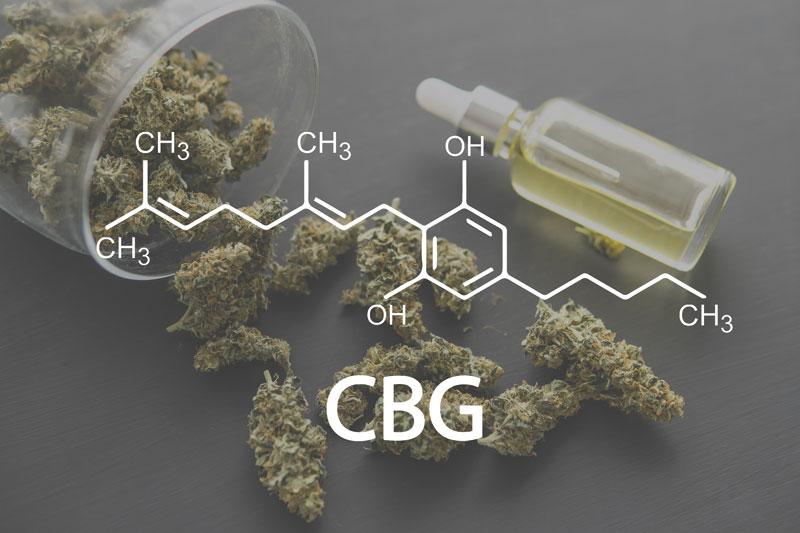
As the medical and scientific communities continue to unearth the complex pharmacopoeia of the cannabis plant, a new phytocannabinoid is rapidly stepping into the spotlight: cannabigerol, commonly known as CBG. Often hailed by researchers as the "mother of all cannabinoids"—because its acidic precursor, cannabigerolic acid (CBGA), serves as the biochemical foundation from which other major cannabinoids like THC, CBD, and CBC are synthesized—CBG is commanding attention for its unique therapeutic profile.
Emerging pre-clinical data and early human trials indicate that CBG’s anti-inflammatory capabilities may outpace those of its more famous cousin, cannabidiol (CBD). Furthermore, its chemical structure lends itself exceptionally well to topical applications, offering a much-needed alternative route of administration for complex dermatological hurdles such as atopic dermatitis. Beyond dermatology, CBG shows profound promise in managing inflammatory bowel disease (IBD), combating antibiotic-resistant bacterial strains, and supporting metabolic syndrome metrics.
Despite these compelling clinical attributes, the integration of CBG—and cannabinoids at large—into mainstream veterinary and human medicine faces an uphill battle. Regulatory inconsistencies, lingering statutory prohibitions, and a stark disconnect between modern scientific discovery and archaic licensing constraints continue to handcuff practitioners. This investigative report explores the pharmacology of CBG, contrasts its mechanisms with CBD and THC, evaluates its therapeutic potential across multiple medical domains, and critiques the regulatory barriers inhibiting its full deployment in clinical practice.
Detailed Chronology & Scientific Evolution
The history of cannabinoid research began not with healing, but with intoxication. For decades, scientific inquiry into the cannabis plant was heavily skewed toward isolating and understanding the psychotropic mechanisms of delta-9-tetrahydrocannabinol (THC). It was precisely this quest to map how THC interacted with the human brain that catalyzed a watershed moment in neurobiology: the discovery of the endocannabinoid system (ECS).
According to Harvard Health, the endocannabinoid system comprises a vast network of chemical signals and cellular receptors densely packed throughout the brain and body. The primary cannabinoid receptors in the brain—designated as CB1 receptors—outnumber many other receptor types. They function essentially as neurological traffic cops, regulating the levels and activity of neurotransmitters to maintain homeostasis across physiological processes such as hunger, temperature, and alertness.
A secondary class of receptors, the CB2 receptors, resides primarily within peripheral immune tissues. CB2 receptors are critical for regulating immune function, modulating intestinal inflammation, controlling gut contractions, and dampening pain associated with inflammatory bowel conditions. Because stimulating CB2 receptors does not induce the psychoactive "high" linked to CB1 activation, they have become highly prized targets for modern drug development.
As researchers expanded their analytical capabilities, they identified more than 150 distinct cannabinoids within the Cannabis sativa plant. While THC and CBD long dominated academic literature, attention has steadily shifted toward minor cannabinoids like CBG. Unlike THC, which acts as a potent and extensive agonist at CB1 receptors—frequently resulting in undesirable psychotropic side effects, tachycardia, and anxiety—CBD exercises a calming influence via negative allosteric modulation. It subtly alters the conformation of the receptor’s binding site, preventing THC from binding aggressively. Additionally, CBD exerts its therapeutic benefits by engaging noncannabinoid targets, such as serotonin 1A (5-HT1A) receptors for anxiety, and by modulating gamma-aminobutyric acid (GABA) signaling to address sleep and seizure disorders.
However, the medical horizon expanded further when researchers began examining CBG in earnest. While CBG shares structural and functional traits with both CBD and THC, it operates via a distinct pharmacological fingerprint. Pharmacologically, as noted by Nachnani and colleagues, CBG resides between THC and CBD. It displays affinity for CB1 and CB2 receptors akin to THC (though at a significantly lower affinity, by a factor of 5-fold to 27-fold), while mimicking CBD across several transient receptor potential (TRP) cation channels. Most intriguingly, CBG acts as a potent alpha-2 adrenoceptor agonist and displays antagonistic properties at the 5-HT1A receptor—distinguishing it sharply from CBD.
Supporting Context & Therapeutic Metrics
With its unique receptor profile, CBG offers distinct therapeutic applications that complement or even exceed those of CBD, all while remaining completely nonintoxicating, nonhallucinogenic, and noneuphorigenic.
Dermatological Innovations
Skin conditions represent a primary frontier for CBG therapeutics. Topically applied CBG has demonstrated robust anti-inflammatory properties in animal models of atopic dermatitis (AD), actively dampening localized inflammation while reinforcing the cutaneous barrier function. Clinical studies evaluating topical CBG serums in humans have registered statistically significant improvements in transepidermal water loss and marked reductions in erythema compared to placebos. CBG offers potent antioxidant, anti-acne, anti-aging, and anti-inflammatory activity, outperforming CBD in suppressing pro-inflammatory cytokine releases triggered by ultraviolet (UVA/UVB) radiation and chemical irritants.
Gastrointestinal Healing and Inflammatory Bowel Disease (IBD)
While both CBD and CBG provide relief for IBD patients, CBG appears to surpass CBD in mitigating direct gut inflammation, particularly in complex pathologies like Crohn’s disease and ulcerative colitis. CBG achieves this by engaging intestinal CB1 and CB2 receptors directly. Pre-clinical trials utilizing murine IBD models revealed that high-CBG hemp extracts—containing a matrix of CBG, CBD, and cannabichromene (CBC)—significantly reduced colitis and favorably modulated the gut microbiome. These extracts successfully normalized metabolic pathways tied to inflammation, protecting the colonic epithelium from structural damage.
Combating Antimicrobial Resistance
In an era defined by the terrifying rise of superbugs, both CBD and CBG are generating intense excitement for their direct bactericidal properties against drug-resistant pathogens. CBG actively targets the cell walls of Gram-positive bacteria, dismantling mature biofilms, heightening membrane permeability, and dismantling resistance pathways.
Seminal research highlighted by Appendino and colleagues demonstrated that CBG exhibits remarkable potency against antibiotic-resistant strains of Staphylococcus aureus. In comparative assays, CBG registered lower minimum inhibitory concentrations (MICs) than norfloxacin across five out of six tested strains and outperformed conventional antibiotics such as erythromycin, tetracycline, and oxacillin against targeted resistant isolates. Furthermore, systemic S. aureus infection models in mice demonstrated that CBG was just as effective at clearing bacterial colony-forming units as the heavy-hitters’ gold standard, vancomycin.
Metabolic Syndrome and the GLP-1 Parallels
The therapeutic potential of CBG extends squarely into metabolic syndrome, overlapping intriguingly with the pharmacodynamics of FDA-approved injectable glucagon-like peptide-1 receptor agonists (GLP-1RAs) like semaglutide. While GLP-1RAs address obesity, hyperglycemia, hypertension, and dyslipidemia, phytocannabinoids like CBG provide convergent physiological benefits.
Both cannabinoids and GLP-1RAs excel at suppressing systemic inflammation and oxidative stress. Left unchecked, inflammation activates microglia, driving neurodegeneration and cognitive decline through the unchecked production of reactive oxygen species (ROS) that oxidize lipids, proteins, and cellular DNA. Both therapeutic classes offer mitochondrial protection, mitigate neuronal excitotoxicity, retard cellular aging, and enhance metabolic function.
However, synthetic GLP-1RAs frequently carry adverse side effects—ranging from disordered gastrointestinal motility and tachycardia to rare but severe risks including pancreatitis, gastroparesis, and biliary disease. Conversely, cannabis-derived therapeutics boast a multi-millennia history of human usage, generally lacking organ-damaging toxicity profiles. Moreover, manufacturing costs for cannabinoids are plummeting: synthetic biologists at UC Berkeley have pioneered low-cost methods to brew cannabinoid precursors (CBGA, THCA, CBDA) utilizing engineered baker’s yeast, promising an era of high-purity, environmentally sustainable, and economically accessible phytocannabinoids.
Official Statements & Veterinary Realities
Despite mounting scientific evidence supporting the safety and efficacy of CBG-predominant cannabis extracts in human and animal cohorts, veterinary medicine remains bogged down by administrative inertia.
Human clinical surveys assessing CBG-predominant cannabis for anxiety, chronic pain, depression, and insomnia consistently report high efficacy paired with manageable side effects and negligible withdrawal symptoms. Controlled trials involving 20mg of hemp-derived CBG have similarly documented reduced subjective stress and anxiety without inducing motor impairment, cognitive fog, tachycardia, or dry mouth.
Yet, when shifting the lens to veterinary medicine, the landscape shifts from clinical promise to regulatory gridlock. Research examining CBG pharmacokinetics, tolerability, and physiological endpoints in domestic dogs remains sparse. Existing data suggest that CBG and its precursor, CBGA, are remarkably safe and well-tolerated in canines, whether administered as isolated compounds or within full-spectrum botanical matrices.
This profound disparity between the burgeoning volume of cannabinoid science and its practical application in veterinary clinics exposes a deeper systemic failure. As noted by integrative veterinary practitioners, the primary bottleneck in cannabinoid medicine is no longer chemical unpredictability or adverse side effect profiles—it is the archaic stance of regulatory licensing boards.
In many jurisdictions across North America, veterinarians face severe disciplinary action, including the revocation of their licenses, simply for discussing cannabis therapies with pet owners. This regulatory hypocrisy is striking: practitioners who inadvertently recommend imported herbal remedies contaminated with toxic substances rarely face professional extinction, yet discussing a natural phytocannabinoid with demonstrated anti-inflammatory and anxiolytic properties can invite legal persecution. The question remains: how does suppressing clinical discourse protect public safety or advance animal welfare?
Future Outlook
The trajectory of cannabigerol (CBG) mirrors the broader evolution of integrative medicine: a relentless pursuit of empirical validation clashing against bureaucratic resistance. As synthetic biology streamlines the production of pure, environmentally friendly cannabinoid precursors, the economic and logistical barriers to high-grade CBG will continue to dissolve.
Looking ahead, the imperative for the veterinary and medical establishment is clear. Regulatory bodies must modernize their frameworks to acknowledge accumulating clinical data regarding the safety, nonintoxicating nature, and therapeutic breadth of minor cannabinoids like CBG. Academic institutions must prioritize robust, species-specific pharmacokinetic trials in companion animals to establish precise dosing parameters. Only through transparent scientific inquiry, progressive regulatory reform, and unhindered professional dialogue can the medical community fully harness the therapeutic potential of the "mother of all cannabinoids" for both human and veterinary patients alike.