
Executive Overview
Long before a puppy takes its first deliberate step on a leash, learns to sit on command, or prepares to guide a visually impaired individual through a bustling metropolitan environment, an intricate and vital process is already underway behind the scenes. In the quiet, highly controlled environment of a specialized breeding and training nursery, the foundation of a future service dog is being laid down cellularly and neurologically.
At organizations like Dogs Inc, the preparation of elite guide and service dogs starts long before formal obedience training begins. It begins at birth—and sometimes, in terms of genetic selection and maternal care, even before that.
During the fragile first weeks of life, newborn puppies undergo remarkable, accelerated biological transformations. Although their eyes and ears remain sealed shut during the neonatal stage, their brains and central nervous systems are exceptionally active. The sensory inputs, handling techniques, and environmental factors they encounter during this critical window lay the groundwork for how they will learn, cope with stress, and interact with the human world for the rest of their lives.
One of the cornerstone methodologies utilized during this nascent stage is Early Neurological Stimulation (ENS). While ENS represents just one piece of a much larger, comprehensive developmental puzzle, it exemplifies the rigorous, science-backed approach required to produce resilient, confident working dogs. This article explores the biological realities of the neonatal phase, the mechanics and benefits of ENS, the vital distinctions between early stimulation and later socialization, and the lifelong continuum of learning that transforms a vulnerable newborn into a life-changing canine partner.

Detailed Chronology: From Neonatal Vulnerability to Adolescent Maturity
Understanding the developmental trajectory of a service dog candidate requires examining the distinct biological and behavioral milestones that mark a puppy’s maturation. Canine development is not a uniform progression; rather, it is divided into specialized windows, each characterized by unique vulnerabilities and learning capacities.
1. The Neonatal Stage (Birth to 2 Weeks)
The neonatal period is defined by absolute dependency. Newborn puppies cannot see or hear, and they lack the physiological ability to regulate their own body temperatures, relying entirely on their mother and littermates for warmth, nutrition, and comfort. The vast majority of their time is divided between nursing and deep sleep—a state essential for neurological growth.
Despite their seemingly helpless state, neonates are experiencing a period of intense brain development. Their nervous systems are plastic and highly impressionable. It is precisely during this window—typically starting around the third day of life and extending through the sixteenth day—that Early Neurological Stimulation protocols are administered. These brief, gentle physical routines introduce mild tactile and positional stressors designed to stimulate the neurological system without inducing fear or distress.
2. The Transitional Stage (2 to 4 Weeks)
As puppies cross the threshold into the transitional stage, a dramatic sensory awakening occurs. Around two weeks of age, their eyes and ear canals open, suddenly exposing them to sights and sounds that were previously inaccessible.

By the time they reach three to four weeks of age, physical capabilities expand rapidly: puppies begin to wobble onto their feet, attempt their first exploratory steps, and even voice their presence with tentative barks. Simultaneously, their deciduous "baby" teeth begin to erupt, signaling the biological readiness to transition gradually away from exclusive nursing toward soft gruels and, eventually, solid food. Social interactions within the litter become more active, laying the groundwork for basic communication and early bite inhibition.
3. The Socialization Period (3 to 12 Weeks)
Often considered the most critical psychological window in a dog’s life, the socialization period bridges early puppyhood with independent exploration.
- Weeks 3 to 5: Puppies begin actively responding to environmental stimuli, recognizing human handlers, and learning the foundational rules of canine society from their mother and littermates.
- Weeks 6 to 8: The puppy’s capacity for learning expands exponentially. By eight weeks of age, many foundational experiences help shape the animal into a friendly, curious candidate ready to transition to volunteer puppy raisers. Short, positive training sessions using basic cues can safely commence.
- Weeks 8 to 12: During this phase, structured exposure to novel sounds, varied floor surfaces, diverse human demographics, and unfamiliar environments becomes paramount. Proper exposure during this window builds emotional resilience and dramatically reduces the risk of anxiety, reactivity, or fear-based aggression in adulthood.
4. The Juvenile and Adolescent Stage (6 Months to 12+ Months)
As puppies transition into adolescence—frequently beginning around six months of age—they encounter new physiological and psychological milestones. Much like human teenagers, adolescent dogs may test boundaries, display independent streaks, and experience hormonal shifts.
Most puppies reach reproductive maturity between six and 12 months. For female dogs, this includes navigating their first heat cycle and the broader physiological changes associated with estrus, while male dogs often exhibit new hormone-driven behaviors. Concurrently, veterinary and behavioral science recognizes that puppies navigate an average of four distinct "fear periods" during their development. These temporary phases of heightened sensitivity require handlers to introduce new experiences thoughtfully, relying heavily on positive reinforcement to prevent lasting phobias. Structured crate training, routine maintenance, and specialized adolescent puppy classes (often recommended around 16 weeks and onward) help solidify the dog’s confidence as it matures toward adulthood.

Supporting Context & Metrics: The Science of Early Neurological Stimulation
To appreciate the value of Early Neurological Stimulation, one must examine its origins and physiological mechanisms. Originally developed for military breeding programs and later popularized by canine researchers, ENS is built on the premise that introducing controlled, mild physiological stress during a narrow developmental window can permanently enhance stress-tolerance systems.
The Five Core ENS Exercises
The ENS protocol consists of five distinct, gentle handling exercises administered once daily to each puppy from day three through day sixteen. Each exercise lasts approximately three to five seconds:
- Tactile Stimulation: Holding the puppy in one hand, the handler uses a cotton-tip applicator to gently tickle the skin between the front toes, stimulating neurological pathways in the extremities.
- Head Up: Holding the puppy upright perpendicularly to the ground, with its head pointing upward, supporting its body against the handler’s hand.
- Head Down: Inverting the puppy so that its head points downward toward the ground, encouraging vestibular adjustment and cardiovascular adaptation.
- Supine Position: Cradling the puppy on its back, resting comfortably in the palm of the handler’s hand, allowing it to experience a vulnerable posture in a safe environment.
- Thermal Stimulation: Placing the puppy feet-down on a damp, cool towel for a brief moment, introducing a mild thermal variation.
Documented Physiological Benefits
Proponents and researchers note that these brief, systematic exercises stimulate the endocrine and autonomic nervous systems. Potential long-term benefits observed in dogs subjected to early stimulation protocols include:
- Enhanced Cardiovascular Performance: Improved heart rate stability and cardiac reserve under stress.
- Greater Stress Tolerance: Stronger hormonal responses to novel challenges, allowing the dog to recover more quickly from unexpected environmental pressures.
- Improved Immune System Functioning: Measurable enhancements in overall physiological resilience.
- Greater Exploratory Drive: Increased curiosity and adaptability when confronted with unfamiliar objects, sounds, or spatial configurations.
ENS vs. Socialization: Clarifying the Terminology
A common misconception among the public is that Early Neurological Stimulation and socialization are interchangeable terms. They are distinct interventions occurring at completely different life stages:

- ENS is strictly a neonatal intervention (birth to two weeks) focused on physiological and neurological priming through tactile and positional adjustments.
- Socialization is a post-neonatal and juvenile process (three weeks onward) focused on environmental exposure, psychological conditioning, interpersonal bonding, and experiential learning.
Neither ENS nor early socialization is a magic wand. A puppy’s ultimate temperament, working aptitude, and emotional stability are complex products of genetics, maternal health, veterinary care, environmental enrichment, and lifelong training methodologies. ENS does not replace socialization; rather, it provides the biological scaffolding that makes subsequent socialization more effective.
Official Perspectives: The Philosophy of Dogs Inc
Preparing a dog to take responsibility for another human’s safety, mobility, or medical well-being demands an extraordinary commitment of time, science, and empathy. Industry leaders view early development not as an isolated series of training steps, but as an unbroken continuum of care.
"Guide dogs and service dogs require far more than advanced obedience or technical task execution. They must possess profound emotional stability, the capacity to navigate chaotic urban environments without faltering, and the resilience to remain calm and focused alongside the individuals who depend on every step they take," notes an organizational spokesperson. "Those qualities do not appear overnight. They are engineered from the ground up, beginning with the very first days of life."
This philosophy underscores the rigorous standards maintained at facilities like Dogs Inc. From carefully managed breeding pools that prioritize stable temperaments and sound genetics, to the meticulous execution of neonatal protocols by trained nursery staff, every phase of the journey is intentional.
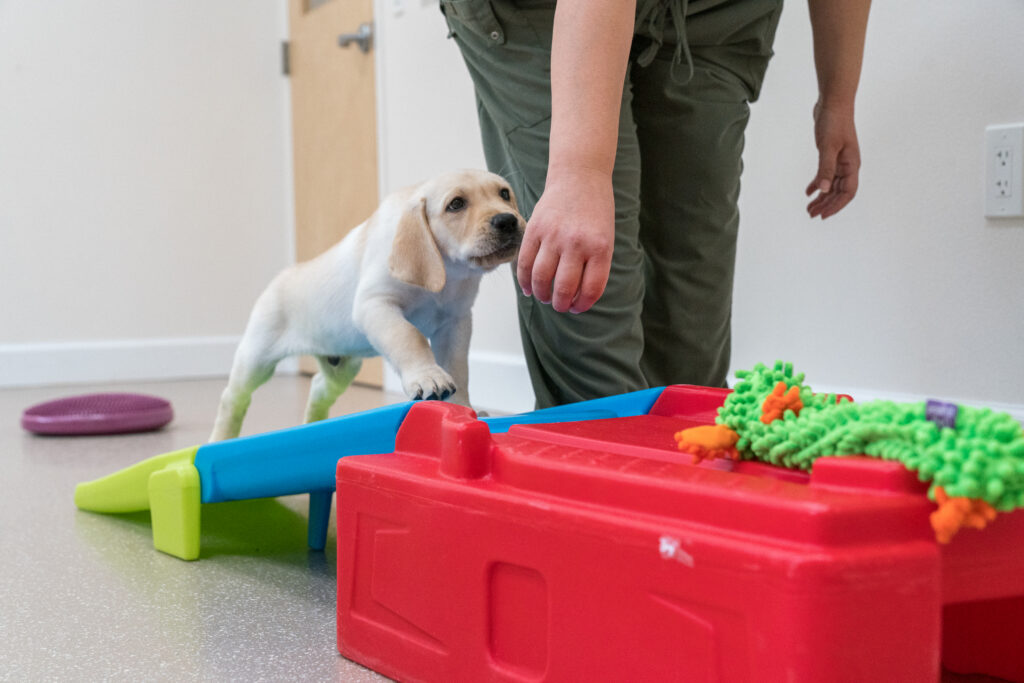
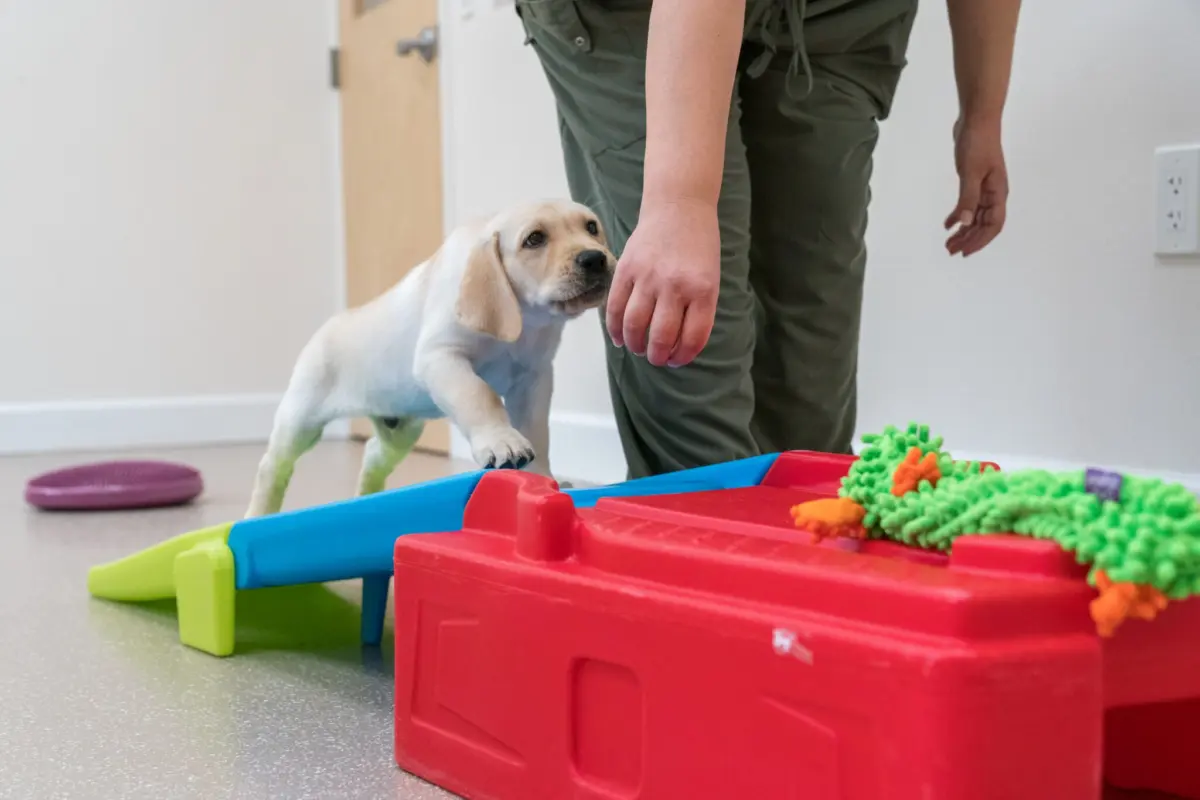
When puppies leave the nursery to live with dedicated volunteer puppy raisers at eight weeks of age, they do not arrive as blank slates. They arrive with finely tuned nervous systems, early exposure to positive human contact, and a biological readiness to absorb the complex lessons of the socialization period. This seamless transition from neonatal care to active community raising represents the gold standard of modern service animal husbandry.
Future Outlook: A Lifetime of Learning and Partnership
As the science of animal behavior continues to evolve, organizations dedicated to breeding and training assistance dogs are constantly refining their protocols. Modern behavioral research increasingly emphasizes the importance of emotional wellness, low-stress handling, and positive reinforcement across the entire lifespan of a working dog.
Looking ahead, the integration of advanced neonatal care, data-driven tracking of developmental milestones, and community-based volunteer training will continue to push the boundaries of what assistance dogs can achieve. The challenges faced by individuals with visual impairments, mobility limitations, and other medical conditions are diverse and demanding; consequently, the dogs who serve them must be exceptionally prepared.
Ultimately, a service dog’s journey illustrates a profound truth: the quality of a mature animal’s life and work is deeply tied to the quality of its earliest experiences. By honoring the critical windows of neonatal development through practices like Early Neurological Stimulation, and by supporting puppies with lifelong enrichment, socialization, and positive reinforcement, organizations like Dogs Inc ensure that future generations of guide and service dogs step out into the world with confidence, capability, and unwavering grace.