
Executive Overview
In the enduring dialogue concerning environmental stewardship and ecological preservation, a critical dimension is frequently overlooked: the human element of access. Across the United States, historical inequities have manifested directly in the physical landscape. People of color are statistically three times as likely as their White counterparts to reside in urban environments devoid of adequate green space, and they spend disproportionately less time immersed in natural ecosystems. This disparity is not merely a matter of geography; it is a profound estrangement from the land, born of systemic exclusion, socioeconomic barriers, and environmental racism.
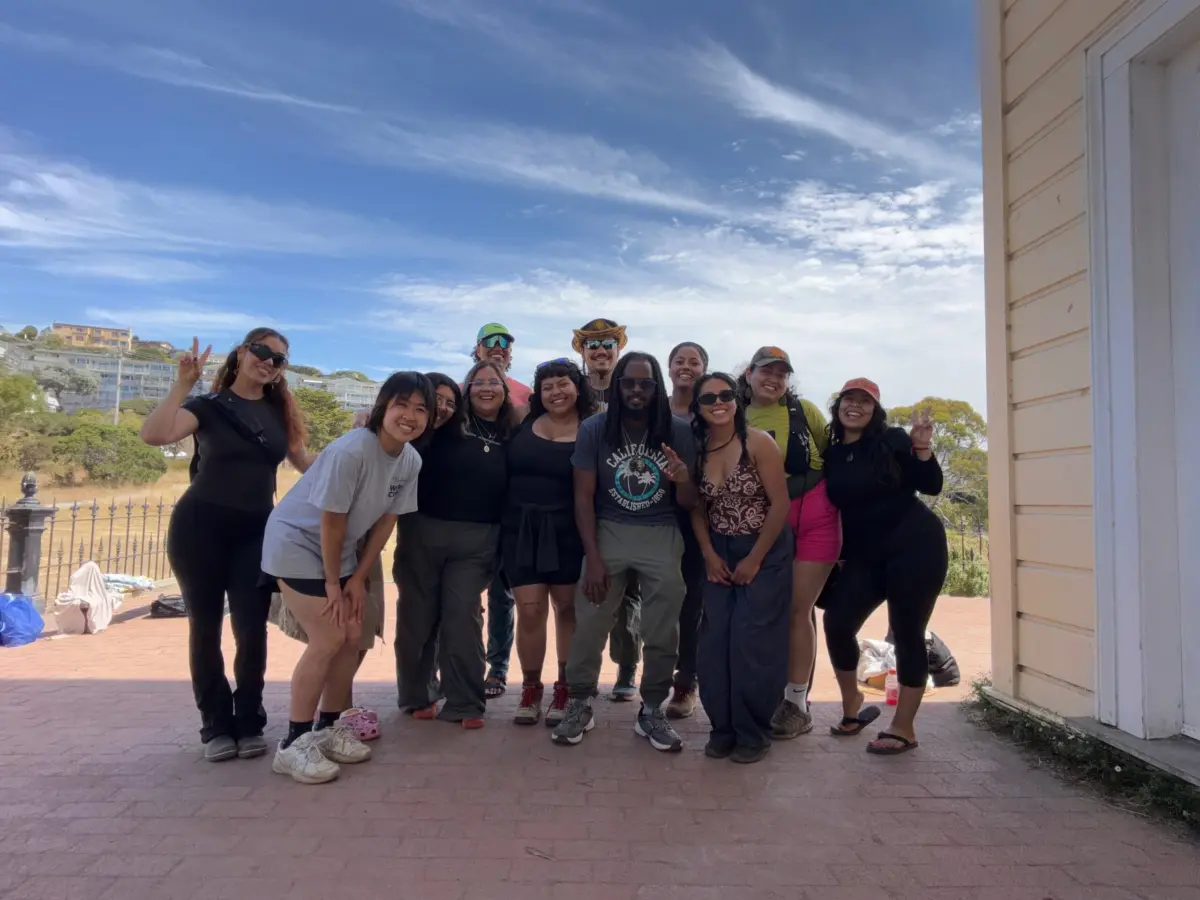
However, a transformative counter-movement is currently underway across California. Grassroots organizations, environmental nonprofits, and state-level coalitions are actively dismantling these barriers, working to restore historical connections between marginalized communities and the natural world. A recent collaborative event hosted at the Richardson Bay Audubon Center & Sanctuary—where alumni staff from the Richmond-based nonprofit Urban Tilth gathered for a day of birding, kayaking, and watershed education—exemplifies this vital cultural shift.
By weaving together environmental justice initiatives, grassroots recreation programs, and legislative advocacy, California is charting a new course. This movement proves that conservation cannot succeed in isolation; true ecological health is inextricably bound to human equity, community agency, and the intentional democratization of the great outdoors.
Detailed Chronology: A Day of Discovery at Richardson Bay
Morning: Setting the Stage at the Historic Lyford House
The conditions on the red brick patio of the Richardson Bay Audubon Center’s historic Lyford House were idyllic: a brilliant sun cut through a smattering of high-altitude clouds, bathing the Marin County shoreline in a warm, welcoming light. A group of familiar, eager faces gathered around the author—former colleagues from Urban Tilth, a celebrated Richmond-based nonprofit whose mission centers on building a just food system and engaging urban communities in localized agriculture.
The agenda for the day was comprehensive and immersive: a guided bird walk along the bay’s intertidal edges, followed by a kayaking excursion and an in-depth lesson on the fragile, vital eelgrass ecosystems sustaining Richardson Bay.
Before embarking on the trail, the group paused to absorb the rich history of the land beneath their feet. The author detailed the mission of the Center and sanctuary, pivoting to the remarkable story of Rose “Rosie” Rodrigues da Fonta. In the mid-20th century, Rodrigues da Fonta personally tended the very land on which the sanctuary now sits, ultimately bequeathing the property to the Audubon Society to ensure its perpetual protection.
The narrative took a fascinating turn with the history of the Lyford House itself—a Victorian architectural jewel originally constructed in neighboring Strawberry. The group listened in rapt wonder as the story unfolded of how the entire structure was placed upon a barge and floated across the bay to its current resting place in Tiburon. It was a tangible lesson in local history, anchoring the visitors to the physical geography of the San Francisco Bay Estuary before they even took their first steps into the field.
Mid-Day: The Nature Trail and the "Ferraris of Birds"
The group transitioned from the patio to the Center’s half-mile Nature Trail, a winding pathway cutting through native coast live oak woodlands and hugging the edge of dynamic intertidal mudfats. This trail serves as a vital ecological corridor, granting direct access to Back Beach, a scenic shoreline facing Strawberry and Aramburu Island.
Aramburu Island is itself a testament to the power of ecological restoration. Created in the 1960s from dredge spoils and artificial fill, the island was subsequently rescued from degradation and transformed into a thriving wetland habitat. Today, it functions as a critical nesting ground for a diverse array of shorebird species.
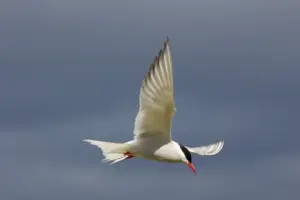
From the vantage point of Back Beach, the delegation observed an active aerial theater. Double-crested cormorants and brown pelicans glided effortlessly just above the waterline, utilizing ground effect to conserve energy. Periodically, Caspian terns punctuated the calm air, folding their wings and diving like living torpedoes to pierce the water’s surface in pursuit of fish.
The encounter sparked lively discussion among the Urban Tilth staff. One member shared that the Caspian tern had quickly become his favorite avian species. He recalled a previous workshop led by a visiting wildlife biologist who memorably described the birds as the “Ferraris of birds”—a fitting tribute to their sleek, aerodynamic builds, sharp crimson bills, and blistering flight speeds.
Afternoon: Taking to the Water
Following the land-based exploration, the group prepared for the aquatic leg of the journey: kayaking on Richardson Bay. When polled about prior experience, roughly half of the Urban Tilth contingent raised their hands. Several members attributed their aquatic confidence to Rich City Rays, a dynamic Richmond-based nonprofit dedicated to increasing outdoor recreation accessibility—specifically kayaking—for historically excluded groups.
The founder of Rich City Rays, Luna Angulo, has long championed the philosophy that putting Black and Brown individuals, particularly youth, into kayaks is an act of reclamation. It is a deliberate strategy to allow historically marginalized communities to reclaim their fundamental right to cultivate a direct, meaningful relationship with both land and water.
As the kayaks pushed off from the shore, any lingering apprehension dissolved into exhilaration. Navigating the calm estuarine waters provided the Urban Tilth team with an entirely fresh perspective of the San Francisco Bay, blending recreation with environmental education regarding the underwater eelgrass meadows that serve as nurseries for local marine life.
Reflection: Healing and Reconnection
Upon returning to dry land, the emotional impact of the excursion became readily apparent. Laura, an Urban Tilth staff member who had initially expressed deep anxiety over the kayaking trip due to a lack of swimming and boating experience, shared her profound shift in perspective. The fear that had gripped her prior to launching had completely evaporated, replaced by an overwhelming sense of calm, clarity, and wonder.
“I want to thank Rosie for giving this land to the Audubon,” Laura reflected, gesturing toward the rolling hills and shimmering bay. “Because of her, we were able to become more connected with the land and the water around us.” Her sentiment captured the very essence of the day: that historic acts of conservation, when paired with inclusive community outreach, possess the power to heal generational divides between people and the natural world.
Supporting Context & Metrics: The Green Space Disparity
To fully appreciate the significance of community-led conservation efforts in California, one must examine the stark empirical realities governing public land access in the United States.
The Urban Green Space Deficit
Decades of discriminatory urban planning, including historic redlining and municipal underinvestment, have left a lasting imprint on American cities. According to data highlighted by environmental justice advocates:
- The Disparity Gap: People of color in the U.S. spend disproportionately less time engaging in outdoor recreation and visiting national, state, and local parks compared to White Americans.
- Proximity Realities: Individuals of color are three times as likely as White individuals to reside in densely populated urban neighborhoods devoid of adequate green infrastructure, parks, and tree canopies.
- Health and Ecological Implications: Limited access to green space correlates directly with elevated rates of heat-island-effect vulnerability, respiratory illnesses, and chronic stress. Conversely, regular immersion in nature is clinically proven to lower cortisol levels, improve mental health, and foster a lifelong commitment to environmental stewardship.
Urban Tilth: Cultivating Food Sovereignty and Ecology
Headquartered in Richmond, California, Urban Tilth was founded to address these very systemic imbalances through the lens of food justice. By reclaiming vacant urban lots and transforming them into productive community gardens, the organization empowers residents of Richmond and the broader Contra Costa County to reclaim agency over their food systems.
Over the years, Urban Tilth’s scope has evolved organically. Recognizing that food security cannot be separated from wider environmental health, the organization expanded its operations to encompass robust environmental education programming and comprehensive watershed restoration initiatives. Through hands-on workshops—ranging from the chemistry of homemade soil amendments to the intricacies of local watershed ecology—Urban Tilth continues to serve as an indispensable bridge connecting urban communities to the Earth.
Official Statements and Institutional Initiatives
The movement to democratize nature access is finding powerful allies within major environmental institutions and legislative halls. Organizations like Audubon California, alongside grassroots partners, are actively reshaping policy and community engagement paradigms.
Legislative Action: The "Outdoors for All" Initiative
At the state level, the push for equitable nature access achieved a monumental victory with the passage of Senator Lena Gonzalez’s landmark bill in September. Co-sponsored by Audubon California, the legislation officially codifies Governor Gavin Newsom’s Outdoors for All Initiative. The core mandate of this initiative is clear and uncompromising: to dramatically improve physical and programmatic access to parks, beaches, and open spaces for all Californians, regardless of zip code or socioeconomic status.
Grassroots Audubon Programs Across California
Audubon chapters and centers throughout the state are translating equity policy into daily practice:
- Debs Park (Los Angeles): Situated in an urban oasis surrounded by predominantly Latinx neighborhoods, the Audubon Center at Debs Park regularly organizes volunteer habitat restoration days. These events directly engage local residents as active stewards, empowering them to improve the ecological health of their immediate surroundings.
- The Salton Sea: Audubon California staff stationed at the Salton Sea have collaborated closely with marginalized communities in Bombay Beach to design and install public access features associated with the Bombay Beach Wetland Enhancement Project, ensuring that local residents retain frontline access to rehabilitated ecosystems.
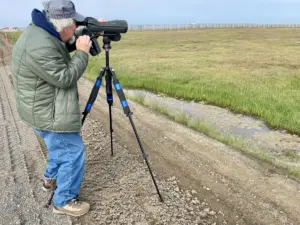
- Richardson Bay & WildCare Partnership: Outreach efforts at the Richardson Bay Audubon Center remain continuous. In May, Community Conservation Fellows at the Center collaborated with WildCare—a San Rafael-based wildlife rehabilitation and nature education center—to host a specialized immersion event. Families hailing from San Rafael’s predominantly Latinx Canal District were introduced to the rich avian biodiversity of the Sanctuary, utilizing professional spotting scopes and binoculars to experience birdwatching firsthand.
Future Outlook: The Path Forward for Environmental Equity
The convergence of grassroots organizing, state-level legislative backing, and institutional willingness to share power signals a hopeful new era for California’s environmental movement. Yet, significant challenges remain.
As urban centers continue to densify and the pressures of climate change accelerate, the demand for equitable green space will only intensify. The success of initiatives spearheaded by groups like Urban Tilth, Rich City Rays, and Audubon California demonstrates that bridging the green divide requires more than simply opening park gates; it requires actively dismantling cultural, economic, and logistical barriers to entry.
Future conservation paradigms must embrace the fundamental truth articulated by community leaders along the shores of Richardson Bay: nature is not a luxury commodity reserved for the privileged few, but a public trust essential to human health, cultural identity, and ecological survival.
By continuing to foster cross-organizational partnerships, investing in youth outdoor leadership, and upholding legislative frameworks like the Outdoors for All Initiative, California is laying the groundwork for a more inclusive environmental future. When historic landscapes are opened to those who have been systematically barred from them, the result is a profound dual restoration: the ecosystem is healed through community stewardship, and the human spirit is restored through an unhindered connection to the land and water.