
Executive Overview
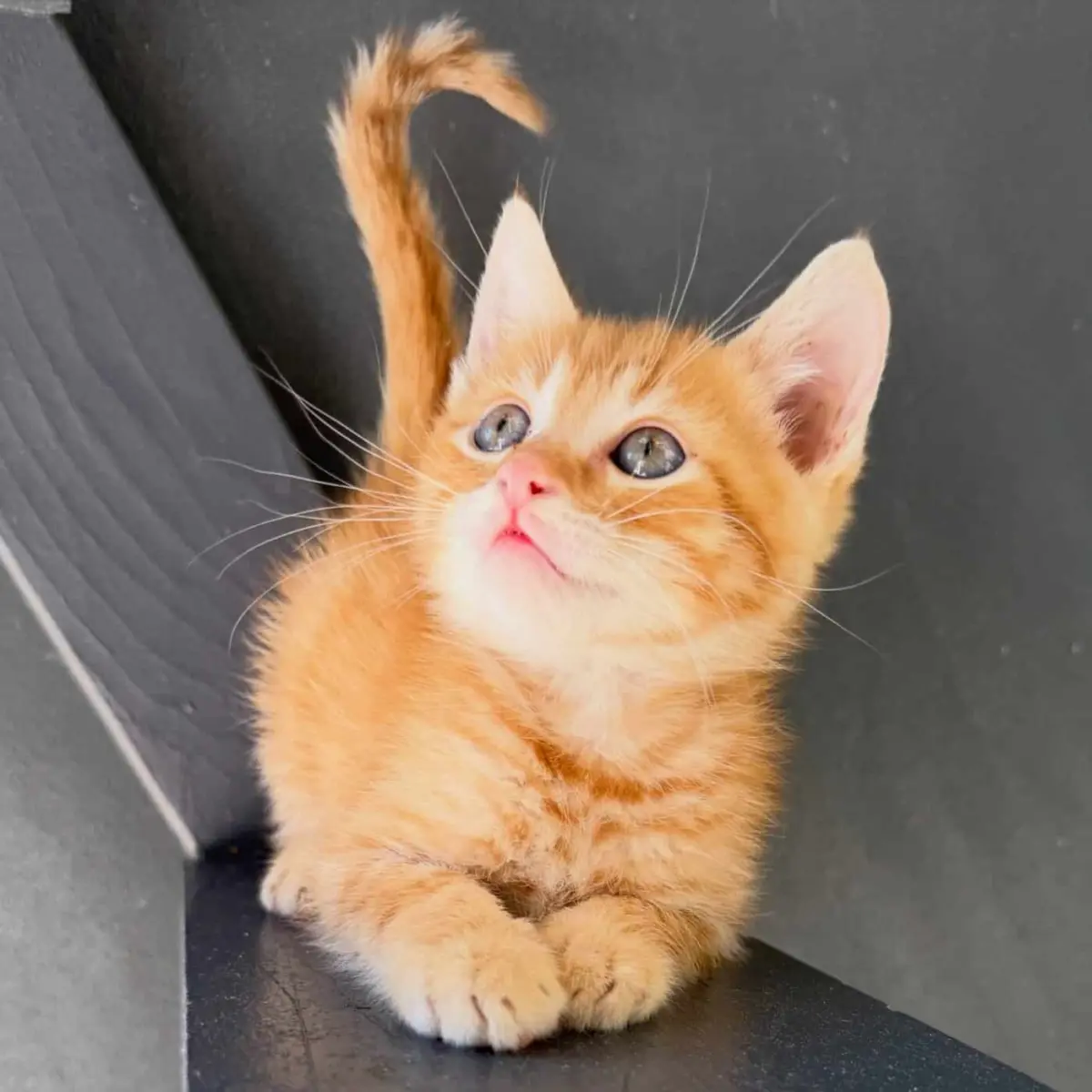
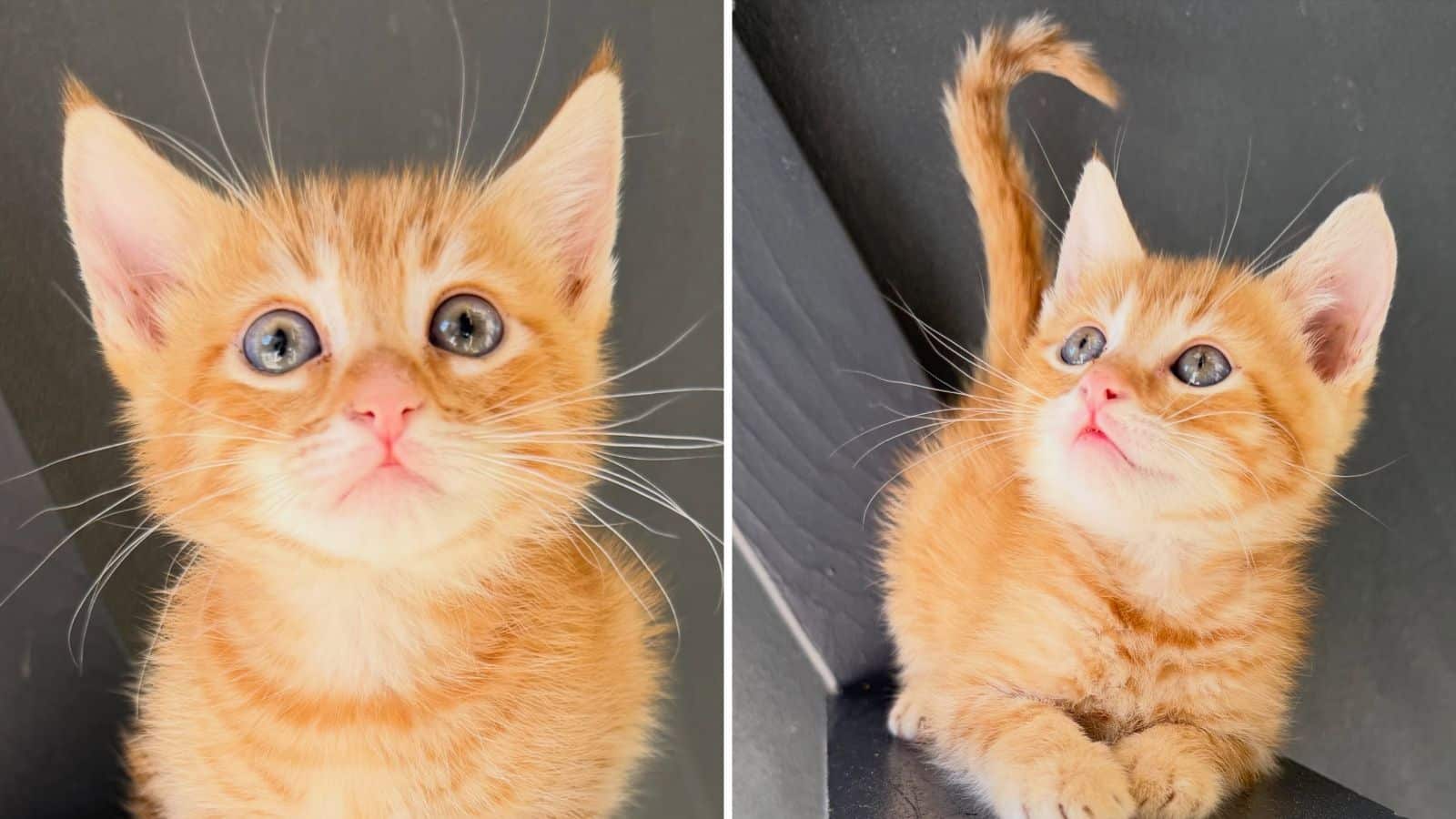
In the realm of animal rescue, serendipity often wears a whimsical mask. For two orange tabby brothers rescued from the brink of euthanasia at a notoriously overcrowded California municipal facility, that mask was carved straight out of the pages of American literary history. Named Cal and Aron Trash after the iconic, star-crossed siblings in John Steinbeck’s 1952 masterwork East of Eden, this dynamic feline duo has captured the imaginations of animal advocates and literature enthusiasts alike.
Saved by the tireless intervention of Feline Lifeline—a dedicated rescue organization operating out of Pasadena, California—Cal and Aron have transitioned from the perilous reality of street survival to the cusp of permanent adoption. Their journey highlights the critical intersection of community-based animal rescue, the persistent crisis of municipal shelter overcrowding, and the creative public relations strategies modern rescues employ to secure forever homes for vulnerable animals.
This comprehensive report examines the background of Cal and Aron’s miraculous rescue, profiles their distinct personalities through the lens of their literary namesakes, evaluates the systemic challenges facing open-admission shelters in Southern California, and outlines the pathway toward their ultimate placement in a loving home.
Detailed Chronology: From the Asphalt to the Paws of Rescue
The narrative of Cal and Aron Trash begins far from the comfortable, sun-drenched windowsills they currently occupy in foster care. According to intake notes provided by Feline Lifeline, the brothers’ early existence was characterized by the harsh realities of urban stray life. Discovered by animal control officers wandering the streets of Southern California, the young felines were thrust into a daily struggle for survival that involved scavenging for scarce meals and navigating the hazards of local refuse collection sites.
For vulnerable kittens, the streets present an unremitting gauntlet of danger: vehicular traffic, hostile wildlife, extreme weather, and infectious diseases. Having survived this initial trial, the brothers were subsequently transported to the Devore Animal Shelter—a high-volume, open-admission facility renowned for facing staggering intake numbers.
The Shadow of the Euthanasia List
Open-admission municipal shelters play a vital role in community safety and animal control, but they are frequently overwhelmed by the sheer volume of animals surrendered or collected off the streets. In regions like Southern California, kitten season routinely pushes facilities past their maximum operational capacities. When kennel space runs out and medical or behavioral resources are stretched thin, animals are placed on the euthanasia list—a clinical term that masks a heartbreaking reality.
Cal and Aron found themselves on this exact precipice. Stripped of their autonomy and facing an imminent deadline dictated by limited shelter capacity, the brothers’ story threatened to end before it truly began.
The Intervention of Feline Lifeline
Salvation arrived in the form of Feline Lifeline, a Pasadena-based rescue network specializing in pulling at-risk animals from high-kill municipal environments. Recognizing the urgency of the brothers’ situation, rescue volunteers stepped in just in time to secure their freedom. Transferred out of the high-stress environment of Devore, the kittens were placed into a supportive foster care network where their physical rehabilitation could begin.
It was during this initial evaluation phase—while observing the kittens’ contrasting temperaments, striking orange coats, and uncanny resemblance to a pair of literary heavyweights—that their handlers made the fateful decision to christen them Cal and Aron Trash.
Supporting Context & Metrics: The State of Feline Rescue in California
To truly appreciate the journey of Cal and Aron, one must examine the broader socioeconomic and systemic framework governing animal welfare in California. The state’s mild climate, while pleasant for humans, contributes to prolonged and intense breeding seasons for unsterilized community cats, resulting in an annual influx of tens of thousands of kittens into the rescue pipeline.
Shelter Overcrowding and Municipal Strain
According to recent data from animal welfare coalitions across Southern California, municipal shelters routinely operate at capacities exceeding 120% to 150%. Facilities like Devore are tasked with an impossible balancing act: accepting every animal presented to their doors while managing finite financial resources, limited veterinary staff, and physical kennel limitations.
- The Kitten Season Surge: Between the months of March and October, shelters experience a massive spike in neonatal and juvenile cat intakes. Without immediate foster intervention, shelters lack the round-the-clock bottle-feeding and specialized medical care required to keep these young animals alive.
- The Euthanasia Threshold: Euthanasia in municipal shelters is rarely a reflection of an animal’s adoptability; rather, it is a mathematical consequence of space deficits. Healthy, friendly animals are routinely euthanized simply because there are more bodies than cages.
- The Power of Private Rescues: Organizations like Feline Lifeline act as crucial safety valves for the municipal system. By transferring animals out of high-volume facilities and into foster homes, these groups free up critical municipal cage space and provide the socialization necessary to prepare traumatized animals for adoption.
The Marketing of Rescue Animals
In a digital age saturated with content, standard intake photos and clinical descriptions ("Tabby, male, 6 months old") often fail to capture the attention of prospective adopters scrolling through petfinder databases or social media feeds. Creative marketing—such as leveraging John Steinbeck themes and bestowing humorous surnames like "Trash"—has proven to be an extraordinarily effective tool in the modern rescue arsenal.
By framing adoption candidates as literary protagonists, rescues inject humor, humanity, and narrative depth into the adoption process. This approach not only generates viral social media engagement but also builds an emotional connection with potential adopters before they even step foot in a meet-and-greet room.
Official Statements and Behavioral Profiles
Understanding the personalities of Cal and Aron requires looking at how their foster coordinators evaluate them. Feline Lifeline has meticulously documented the psychological and behavioral development of both brothers, drawing humorous parallels to their namesakes in East of Eden while emphasizing their distinct, highly adoptable traits.
Cal Trash: The Rebellious Leading Man
In Steinbeck’s novel, Caleb Trask is a complex, restless, and occasionally volatile figure wrestling with his heritage and his desire for moral validation. Cal Trash, the feline, has thankfully bypassed the existential angst in favor of unmitigated self-confidence.
"Every great novel needs a character who refuses to follow the rules, and Cal Trash seems delighted to accept the role," notes the rescue team. "He’s the more outgoing and adventurous of the two brothers, with a playful personality and very little interest in minding his own business."
Behavioral observations of Cal highlight several key characteristics:
- Fearless Curiosity: Cal approaches every new environment as an interactive playground designed explicitly for his amusement. Whether investigating the contents of a grocery bag or inspecting a visitor’s shoes, he is perpetually engaged with his surroundings.
- Unearned Entitlement: Having survived the school of hard knocks on the streets, Cal acts as though the universe owes him absolute luxury. His rescuers joke that he has decided he is entitled to a lifetime of premium treatment—a demand he enforces through relentless affection.
- Instantaneous Attachment: Unlike cats that require weeks to decompress, Cal operates on the assumption that every human he encounters is already deeply in love with him. Thus far, statistical evidence from his foster home suggests his hypothesis is entirely correct.
Aron Trash: The Gentle Hero
Aron Trask in East of Eden is depicted as idealistic, gentle, sensitive, and profoundly vulnerable to the harsher realities of the world. Aron Trash the kitten shares his literary counterpart’s soft disposition, but his narrative is pointedly steered away from tragedy toward comedy and comfort.
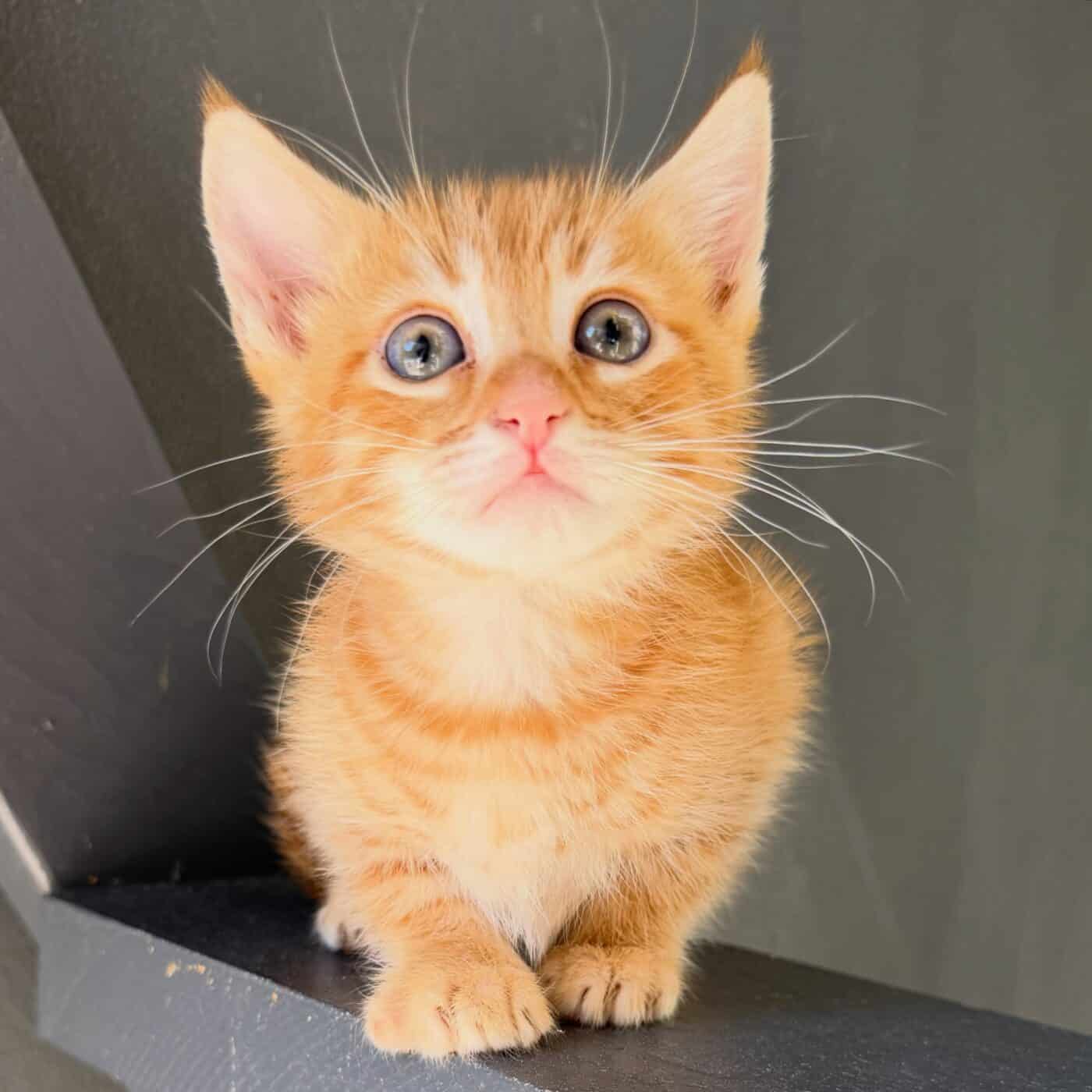
"Where Cal rushes into life like an orange whirlwind, Aron prefers to take a slightly more thoughtful approach. He’s the quieter brother, initially reserved around new experiences but just as capable of winning hearts once he feels comfortable," reports Feline Lifeline.
Key behavioral traits defining Aron include:
- Measured Discernment: While Cal charges headfirst into unfamiliar scenarios, Aron pauses to evaluate the risks. He is the strategist of the duo, observing the action before deciding to participate.
- Deep Affection: Once familiarity is established, Aron reveals a profoundly sweet and loving nature. His gentle purrs and soft headbutts provide a grounding counterbalance to his brother’s frenetic energy.
- The Sibling Dynamic: Together, the pair execute a classic comedic duo routine. Cal generates the wild ideas and bold operational maneuvers; Aron provides the cautious moderation—though he is rarely above joining in on the mischief once the coast is clear.
Future Outlook: The Next Chapter for Cal and Aron
As Cal and Aron Trash prepare to turn the page on their temporary foster arrangement, the focus of Feline Lifeline shifts entirely toward securing a permanent, loving home capable of appreciating their unique history and dynamic personalities.
Adoption Criteria and Best Practices
To ensure a successful placement, rescue organizations enforce stringent adoption protocols. Prospective adopters working through Feline Lifeline undergo comprehensive screening to verify that their living environments are secure, enriching, and capable of meeting the lifelong financial and emotional commitments of pet ownership.
For bonded pairs like Cal and Aron, animal behaviorists strongly advocate for keeping siblings together whenever possible:
- Behavioral Stability: Bonded pairs provide mutual emotional support, reducing separation anxiety and destructive behaviors commonly seen in single-cat households.
- Built-in Enrichment: Cats are social predators that benefit immensely from conspecific play. Cal and Aron wrestle, groom, and sleep together, burning off excess energy that might otherwise be directed at household furniture.
- Reduced Burden on Owners: Two kittens often require less intensive human-directed attention for entertainment because they keep each other actively occupied.
The Broader Impact of Literary Rescues
The story of Cal and Aron Trash transcends a simple feel-good animal adoption story; it serves as a testament to the resilience of living creatures and the creativity of grassroots rescue networks. By transforming a grim statistic—two kittens pulled from a municipal euthanasia list—into a witty homage to American literature, Feline Lifeline has demonstrated how storytelling can save lives.
John Steinbeck’s East of Eden grapples with the timeless philosophical concept of Timshel—the Hebrew word meaning "thou mayest," which implies that human beings possess the free will to choose goodness over hardship, and to overcome the deterministic weight of their past. For Cal and Aron, the choice is clear. Their early chapters were defined by asphalt, hunger, and the cold steel of a shelter cage, but their future is scripted with soft beds, overflowing food bowls, and the unconditional love of a forever family.
How to Support and Inquire
For individuals inspired by the tale of these literary orange tabbies and interested in exploring adoption availability, Feline Lifeline maintains an active presence for public inquiries. Prospective adopters and supporters can connect with the organization directly via their official communications channels, including the Feline Lifeline Facebook Page.
As these two remarkable brothers await the final turn of their rescue narrative, one thing remains certain: in the grand epic of feline rescue, Cal and Aron Trash have proven that the best American novel is one where every protagonist finds a warm lap to sleep on, a full bowl to share, and a truly happy ending.