Published by the Editorial Board | October 22, 2026 Featured originally in the Alley Cat Action® 2026 Fall Newsletter. Read the full newsletter edition here.
Executive Overview
The landscape of feline welfare in the United States is undergoing a quiet, profound transformation, driven by grassroots mobilization, targeted medical intervention, and unprecedented cross-sector collaboration. From emergency shelter relocations in Maryland and rehabilitation cases of abuse survivors to community policing initiatives in New Jersey, the narrative of cat rescue has expanded far beyond traditional adoption centers.
This comprehensive report examines three distinct yet interconnected rescue narratives featured in the Alley Cat Action® 2026 Fall Newsletter. These stories collectively illustrate the vital impact of proactive intervention, the psychological resilience of animals recovering from trauma, and the expanding role of municipal law enforcement in humane community-cat management. Through the lens of these remarkable cases—a mother cat and her four boys, a polydactyl survivor named Hemingway, and Sheba, the beloved precinct cat of Atlantic City—we explore the logistical, medical, and social frameworks required to safeguard feline populations in modern communities.
Detailed Chronology
1. Operation Maryland: Rescuing a Feline Family of Five
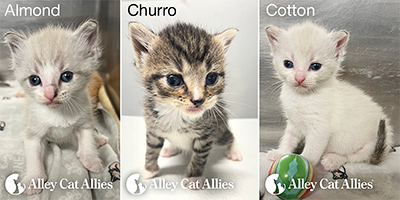
The crisis began quietly in a Maryland animal shelter operating under severe capacity constraints. A mother cat and her litter of four male kittens—all desperately needing to be rehomed to avoid high-risk shelter conditions—faced an uncertain future. Compounding the urgency of their situation, every member of the feline family was suffering from varying degrees of upper respiratory infections (URIs), a notoriously contagious and potentially life-threatening condition for young and immunocompromised cats.
Thanks to the rapid mobilization of donor support and shelter intervention networks, a safe haven was secured just in time. The emergency funding covered not only their immediate transport to a secure, healing environment but also the comprehensive veterinary care required to treat their respiratory ailments.
To engage the community that made their rescue possible, animal advocates were invited to name the quintet. The mother cat was christened Strawberry, while her four boisterous boys received sweet, memorable monikers: Churro, Creamsicle, Cotton, and Almond. Today, the family has graduated from medical quarantine and is thriving, marking a triumphant chapter in their journey toward permanent stability.
2. The Unbreakable Spirit of Hemingway: Healing from Abuse
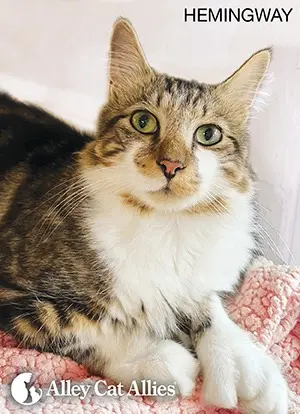
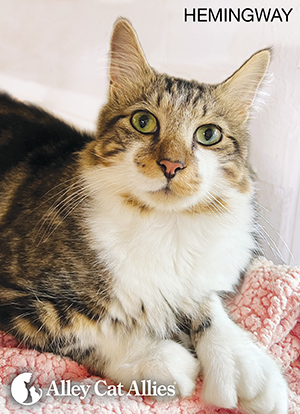
In a separate rescue operation that tested the psychological boundaries of animal rehabilitation, a young polydactyl cat arrived in the care of Alley Cat Allies. Rescued from an abusive home environment, the cat—appropriately named Hemingway for his famous multi-toed physical trait—carried invisible scars alongside his physical uniqueness.
Polydactyl cats, colloquially known as "Hemingway cats" due to the author’s famous feline companions at his Key West estate, are already known for standing out in a crowd. But Hemingway took being "extra" to a whole new level: extra sweet, blessed with an extraordinarily fluffy tail, and equipped with extra toes.
Initially entering care fearful and hyper-vigilant following his abuse, Hemingway’s trajectory shifted dramatically once he realized he was safe. In a remarkably short window, the young feline transformed into a steady "purr machine," charming veterinary staff and volunteers with soulful eyes and an irrepressible, cheerful disposition. Having successfully completed his behavioral decompression and medical evaluations, Hemingway has officially transitioned into a loving adoptive home, where his legendary tail and larger-than-life personality continue to captivate his new family.
3. Guardians of the Precinct: Atlantic City Police Rally Around Sheba
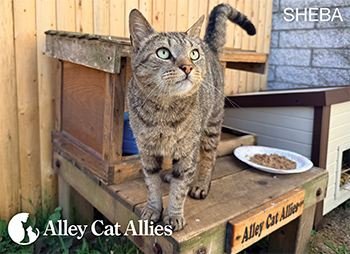
In Atlantic City, New Jersey, community policing took a uniquely compassionate turn through the collective efforts of local law enforcement officers and dedicated animal welfare advocates. For an unspecified duration, a community cat named Sheba had quietly claimed the hearts of several precinct officers. Far from viewing her as a nuisance, the officers took it upon themselves to ensure she was regularly fed, watered, and visited during shifts.
Recognizing the need for sustainable, humane population management, the officers connected with Alley Cat Allies and the Humane Society of Atlantic County. This partnership granted them access to no-cost Trap-Neワクチン-Return (TNR) services—the gold standard of community cat management.
In a heartwarming display of community involvement, officers proudly posed with Sheba inside her humane trap before she was transported for spaying, vaccinations, and microchipping. True to their commitment, the officers were waiting upon her return. Sheba was welcomed back to her familiar territory with a nutritious meal, a brand-new custom outdoor winter shelter, and the enduring protection of the Atlantic City Police Department.
Supporting Context & Metrics
To fully appreciate the significance of these three vignettes, one must examine the broader systemic challenges facing animal shelters and community cat populations across North America.
The Burden of Upper Respiratory Infections (URIs) in Shelters
URIs—often referred to collectively as the "feline kennel cough complex"—are among the most prevalent health challenges in high-density shelter environments. Pathogens such as Feline Calicivirus (FCV) and Feline Herpesvirus-1 (FHV-1) spread rapidly through airborne droplets and contaminated surfaces. Without immediate medical isolation, supportive fluid therapy, and targeted antibiotic or antiviral treatments, shelter overcrowding frequently leads to tragic outcomes for kittens. The rapid extraction and treatment of Strawberry and her four sons underscore the life-saving nature of swift, donor-backed medical intervention.
Polydactyl Genetics and Resilience
Polydactyly is a genetic mutation resulting in an autosomal dominant trait that causes cats to be born with more than the usual number of toes (typically five on the front paws and four on the back). While physically fascinating, polydactyl cats face no inherent health disadvantages due to their extra digits, though routine nail maintenance is paramount. Hemingway’s successful recovery from abuse highlights an equally critical aspect of rescue work: the remarkable emotional resilience of cats. Despite early trauma, specialized behavioral rehabilitation can unlock a cat’s innate capacity for trust and affection.
The Efficacy and Impact of Trap-Neuter-Return (TNR)
The story of Sheba highlights the proven efficacy of Trap-Neuter-Return programs in stabilizing community cat populations while improving animal quality of life. According to leading animal welfare organizations:
Population Control: TNR permanently halts the reproductive cycle, preventing the birth of future generations of unmanaged kittens.
Public Health: Vaccinating community cats against rabies during the TNR process acts as a crucial public health firewall for the surrounding human population.
Behavioral Improvement: Spaying and neutering drastically reduce nuisance behaviors associated with mating, such as roaming, spraying, and loud vocalizations, leading to greater harmony between cats and human neighbors.
Official Statements and Stakeholder Insights
The successes chronicled in the Alley Cat Action® 2026 Fall Newsletter reflect the core philosophy of modern animal advocacy: that systemic change requires active collaboration between organizations, law enforcement, and everyday citizens.
"Caring for cats is a community effort, and it’s especially heartening when law enforcement has a personal stake in it," notes the leadership team at Alley Cat Allies. "When institutions like the Atlantic City Police Department embrace humane practices like TNR, they set a powerful standard for civic empathy and responsibility."
Animal welfare experts emphasize that the rehabilitation of abuse survivors like Hemingway relies heavily on patience, specialized veterinary infrastructure, and predictable environments.
"Trauma recovery in felines cannot be rushed," explains a veteran shelter medicine specialist. "When a cat realizes that human hands bring food and comfort rather than harm, the transformation from fear to affection can be swift, but it requires a foundation of absolute safety."
Regarding family units like Strawberry, Churro, Creamsicle, Cotton, and Almond, rescue coordinators point out that emergency foster networks are the literal line between life and death during peak kitten season. Without rapid-response funding and dedicated foster homes, shelters simply lack the physical and financial bandwidth to treat complex medical cases while maintaining daily operations.
Future Outlook: The Path Forward for Feline Welfare
As we look toward the remainder of 2026 and beyond, the lessons drawn from Maryland, Atlantic City, and nationwide rescue initiatives point toward several clear imperatives for the animal welfare community:
Expansion of No-Cost TNR Infrastructure: Increasing partnerships between national advocacy groups and local humane societies will remain critical to ensuring that community cat caregivers—including municipal workers and law enforcement personnel—have unhindered access to sterilization resources.
Strengthening Shelter-Rescue Pipelines: Creating agile, responsive transit networks between high-capacity municipal shelters and specialized rescue groups prevents overcrowding euthanasia and ensures fragile feline families receive prompt medical care.
Destigmatizing Trauma and Special Needs Adoption: Success stories like Hemingway’s prove that adopters are increasingly willing to welcome animals with unique physical traits or historical trauma into their homes, provided shelters offer transparent, supportive post-adoption resources.
Fostering Civic Empathy: The active participation of non-traditional animal advocates, such as police officers, demonstrates that humane education and community cat advocacy can successfully bridge gaps across diverse sectors of society.
Ultimately, whether saving a litter of five from the brink of a respiratory infection, helping a multi-toed survivor heal from abuse, or building a bespoke winter shelter for a precinct cat named Sheba, these narratives reinforce a timeless truth: compassion, when backed by organized action, has the power to reshape the world one cat at a time.