
By Veterinary Practice Management Insights
Executive Overview
The traditional veterinary clinic checkout—often characterized by a bottlenecked front desk, a restless pet, a distracted pet owner juggling a leash and a carrier, and a frantic client service representative (CSR) buried under ringing phones—is rapidly becoming an artifact of a bygone era.
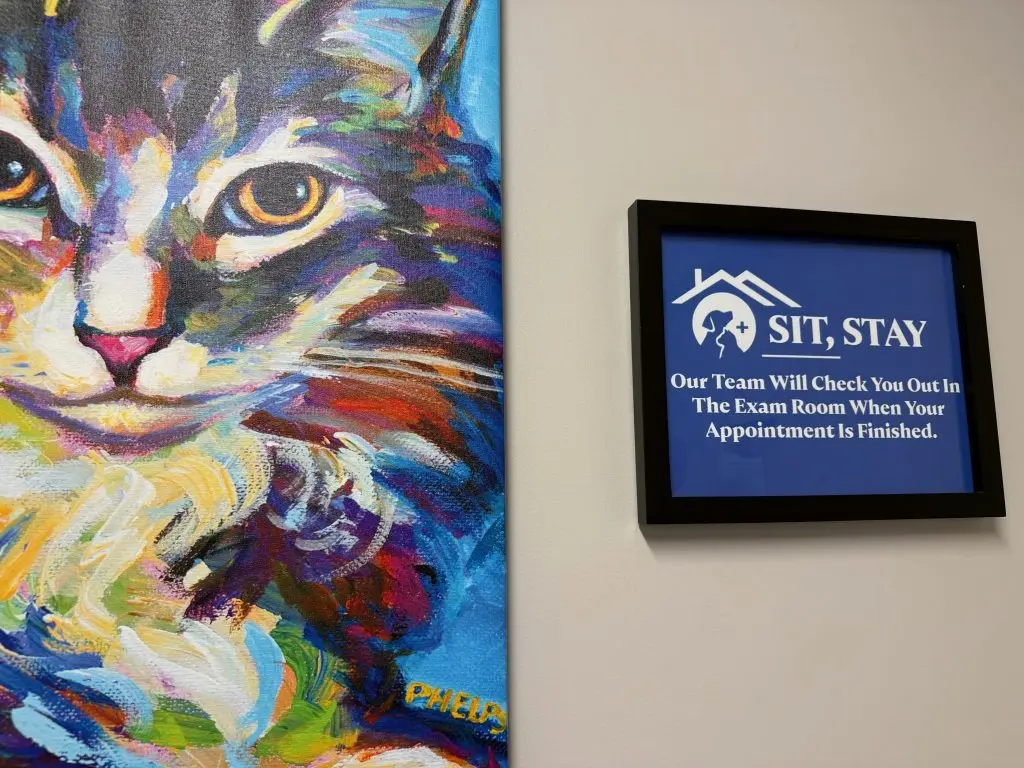
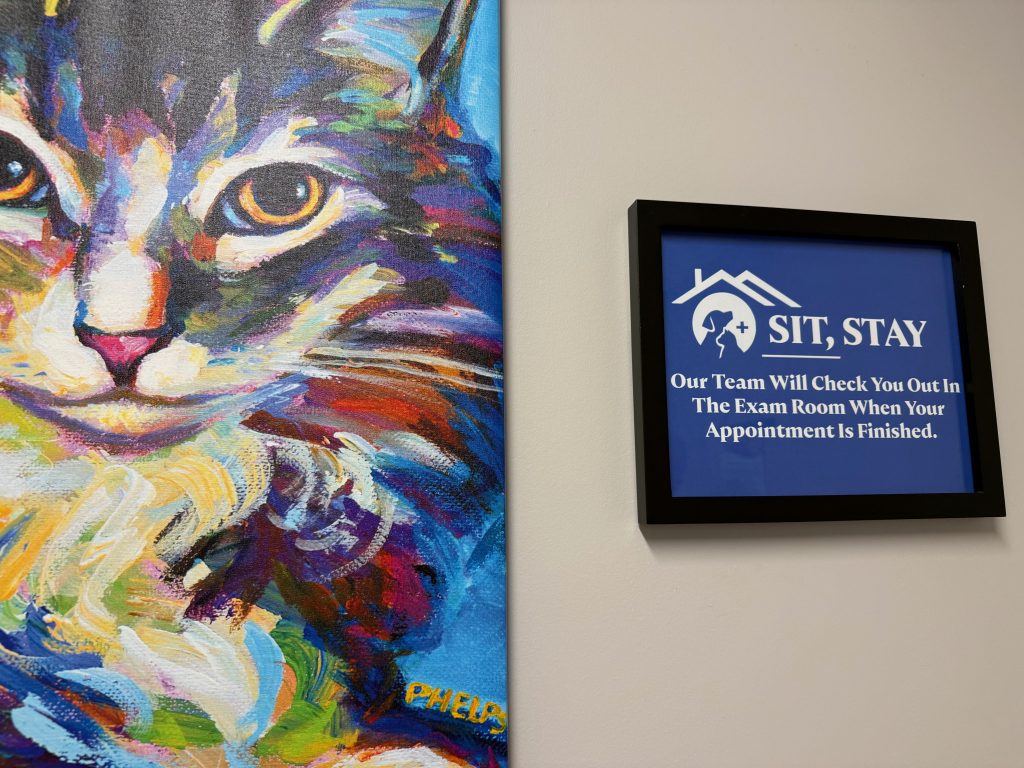
Traditional front-desk checkouts average a sluggish seven to 10 minutes per transaction. In contrast, streamlined in-room checkout models slash that time down to two to five minutes. Recognizing this operational bottleneck, forward-thinking veterinary facilities are redesigning their physical spaces, workflow paradigms, and technological integrations from the ground up.
When Dr. Reagan McDonald and Practice Manager Jennifer Atchley opened Partners Animal Hospital in Lakewood Ranch, Florida, in June 2026, operational efficiency was hardcoded into their business plan from day one. By adopting mobile-first payment processing directly within exam rooms, Partners Animal Hospital has not only accelerated its transaction velocities but has fundamentally transformed the client experience, reduced staff burnout, plugged critical revenue leaks, and maximized forward-booking compliance.
This in-depth special report explores the mechanics, financial implications, operational hurdles, and clinical advantages of transitioning from front-desk bottlenecks to seamless, exam-room-based checkout workflows.
Detailed Chronology: The Evolution of Partners Animal Hospital
To understand how modern practices are redefining veterinary checkout, one must look at the intentional pre-construction and developmental phases undertaken by pioneers like Dr. McDonald and Atchley.
Phase 1: Research and Benchmarking (Pre-Opening, 2026)
Before laying a single brick or configuring a single piece of software for their Lakewood Ranch location, the leadership team at Partners Animal Hospital engaged in rigorous field research. Recognizing that conventional veterinary clinic layouts often fail both the client and the front-of-house staff, Atchley and Dr. McDonald visited established sister locations in Wesley Chapel and Sarasota, Florida.
Their objective? To observe operational friction points firsthand. They specifically analyzed how front-desk staff managed simultaneous client departures, incoming phone calls, and check-ins for arriving patients. They discovered that traditional layouts created a "traffic jam" effect precisely when clients were trying to exit with stressed or anxious pets.
Phase 2: Technological Infrastructure Integration
Armed with observational data, the team integrated robust technological solutions before opening doors in June 2026. Rather than relying on fixed desktop terminals at a central front desk, they invested in lightweight, mobile hardware ecosystems:
- Laptops and Mobile Card Readers: Team members carry compact hardware directly into the exam rooms.
- Seamless PIMS Integration: Mobile credit card terminals instantly write back payment and transaction data directly to the practice’s information management software (PIMS), eliminating double-entry errors.
- Flexible Payment Acceptance: The mobile terminals empower clients to pay effortlessly using their smartphones, digital wallets, or traditional credit cards without ever leaving the room.
Phase 3: Cross-Training and Staff Empowerment
Partners Animal Hospital broke down rigid departmental silos by cross-training team members. Staff members seamlessly pivot between veterinary assistant duties and client service representative (CSR) tasks. For instance, a technician like Tatyana Johnson can assist the veterinarian during the exam, administer treatments, present the treatment plan, process the payment via a mobile reader in the exam room, and book the follow-up appointment—all in one fluid motion.
Supporting Context & Metrics: The Hard Numbers Behind In-Room Checkouts
Transitioning away from the front desk is not merely an aesthetic choice or a mild convenience; it is a profound operational strategy backed by compelling metrics and financial realities.
Time Savings and Throughput
- Front-Desk Checkout: 7 to 10 minutes per transaction.
- In-Room Checkout: 2 to 5 minutes per transaction.
- Volume Capacity: A typical veterinarian sees an average of 15 patients per day. In a three-doctor practice, this translates to roughly 45 checkouts daily. Under a traditional model, if three clients with concurrent appointments attempt to check out at the front desk simultaneously, a catastrophic operational bottleneck occurs. In-room checkout decentralizes this volume, allowing three separate transactions to occur concurrently inside private rooms.
Plugging Revenue Leaks
Industry data reveals that veterinary practices routinely lose 5 percent to 10 percent of their annual gross revenue due to missed charges, unbilled diagnostics, and incomplete invoices.
- For a $2 million practice, a 10% leakage rate equals $200,000 in lost annual revenue.
- Commonly overlooked items include fecal tests, diagnostic run fees, specialized injections, and progress examination fees.
- The In-Room Solution: Because technicians and veterinary assistants are physically present in the exam room and intimately familiar with the exact care delivered during the appointment, they are uniquely positioned to audit and enter charges in real-time. By leveraging modern AI scribe technology during exams and executing a strict 60-second record-to-invoice reconciliation check, practices can anchor billing accuracy to a single source of truth: the official medical record.
The Power of Forward Booking
Forward booking—scheduling a patient’s next preventive care visit before they leave the facility—is a gold standard in human dentistry, where dental hygienists achieve vastly higher re-booking rates than administrative scheduling coordinators at the front desk.
In veterinary medicine, when clients reach the front-desk checkout counter, their primary psychological motivation is to leave. Administrative attempts to schedule a re-check or an annual exam at that moment are often met with resistance or brushed off. However, when the veterinary technician or assistant recommends the follow-up appointment inside the exam room as a direct extension of the medical care plan, it shifts from an administrative hassle to a trusted clinical recommendation. Technicians know precisely when the next intervention is due, leading to significantly higher compliance rates.
Official Statements and Industry Insights
Industry experts emphasize that the shift toward in-room checkout is fundamentally about trust, communication, and human psychology.
"I want our client service representatives (CSRs) to be present on the phones and greeting clients," explains Jennifer Atchley, Practice Manager at Partners Animal Hospital. "No one wants to wait to be helped. When three clients try to check out at once, phones ring unanswered, and arriving clients feel ignored."
Furthermore, open financial discussions play a critical role in client retention and medical compliance. Atchley notes that moving financial conversations out of the lobby and into the privacy of the exam room changes the dynamic entirely:
"Rather than blindsiding clients during front-desk checkout, conversations about fees should happen in the privacy of exam rooms. Technicians can present treatment plans, demonstrate the value of each service, and invite discussion."
If a pet owner expresses financial strain or an inability to afford a comprehensive care plan, veterinary technicians can calmly pivot to flexible financing options or adopt a spectrum-of-care approach, presenting alternative treatment paths. This transparency builds profound, long-term client trust.
"Technicians can build rapport with clients," Atchley adds. "Pet owners also know who to follow up with for additional questions."
Wendy S. Myers, CVJ, founder of Communication Solutions for Veterinarians and a noted expert in veterinary communication, emphasizes that exam-room checkout also creates a sanctuary of calm for anxious animals and busy clients. Pets completely avoid noisy, chaotic lobbies, multi-species interactions, and the stress of a secondary waiting period. Clients with mobility challenges, parents managing small children, and professionals on tight schedules can complete their visit and head directly to their vehicles without a second stop.
Future Outlook: The Next Generation of Veterinary Workflows
As the veterinary industry continues to face labor shortages, economic pressures, and rising consumer expectations regarding convenience, operational innovation will separate thriving practices from those struggling with staff burnout and financial leakage.
The Hybrid Future: Cash vs. Digital
While mobile credit card readers, smartphone payment integrations, and Apple Pay/Google Pay are dominating modern transactions, practices must still maintain practical workflows for edge cases. For instance, Partners Animal Hospital handles cash transactions at the front desk specifically because the clinic operates with a single cash drawer to maintain strict accounting controls and audit trails. However, 90%+ of transactions are successfully migrated to the exam rooms.
Integrating AI and Mobile Tech
Looking ahead, the convergence of ambient AI medical scribes and mobile payment gateways will streamline the exam-room checkout process even further. As artificial intelligence automates medical record generation and auto-populates line items into the PIMS based on natural conversation during the exam, the time required to reconcile an invoice will shrink from minutes to mere seconds.
Conclusion
The transformation from front-desk bottlenecks to streamlined in-room checkout is more than a logistical tweak—it is a philosophical realignment of veterinary practice management. By prioritizing client privacy during financial discussions, protecting staff time, elevating forward-booking compliance, and plugging hundreds of thousands of dollars in annual revenue leaks, forward-looking practices like Partners Animal Hospital are proving that the future of veterinary medicine is mobile, personal, and profoundly efficient.
References & Further Reading
- Industry benchmark data regarding daily patient loads per full-time equivalent veterinarian in companion animal practice.
- Comparative dental vs. veterinary scheduling efficacy studies on forward-booking compliance rates.
- Financial audit data regarding revenue leakage and unbilled diagnostics in companion animal veterinary hospitals.
- Internal operational data and case studies from Partners Animal Hospital (Lakewood Ranch, FL; Wesley Chapel, FL; Sarasota, FL).
- Myers, Wendy S. Communication Solutions for Veterinarians Training Modules & Practice Management Guidelines. Available at CsvetsCourses.com.