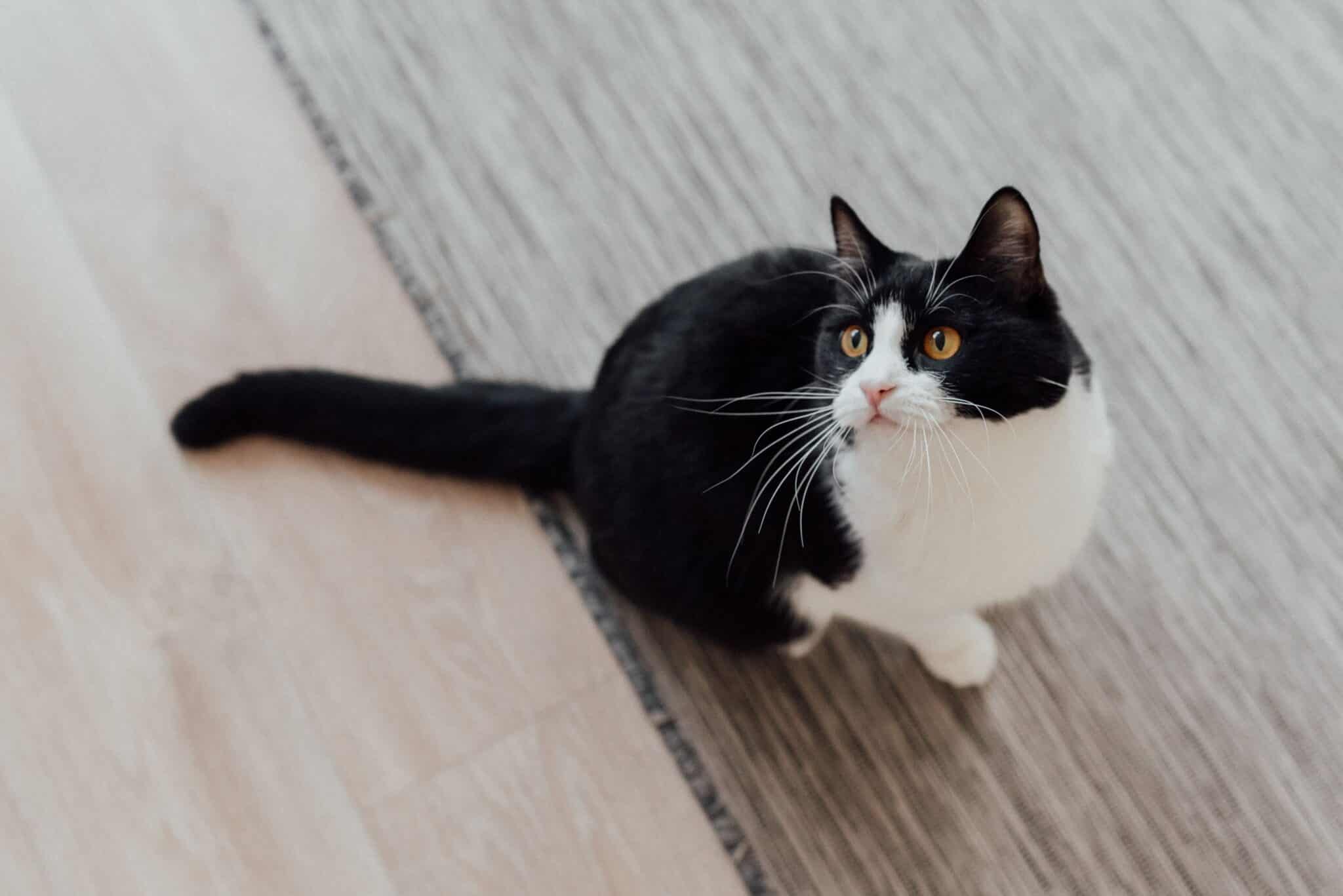
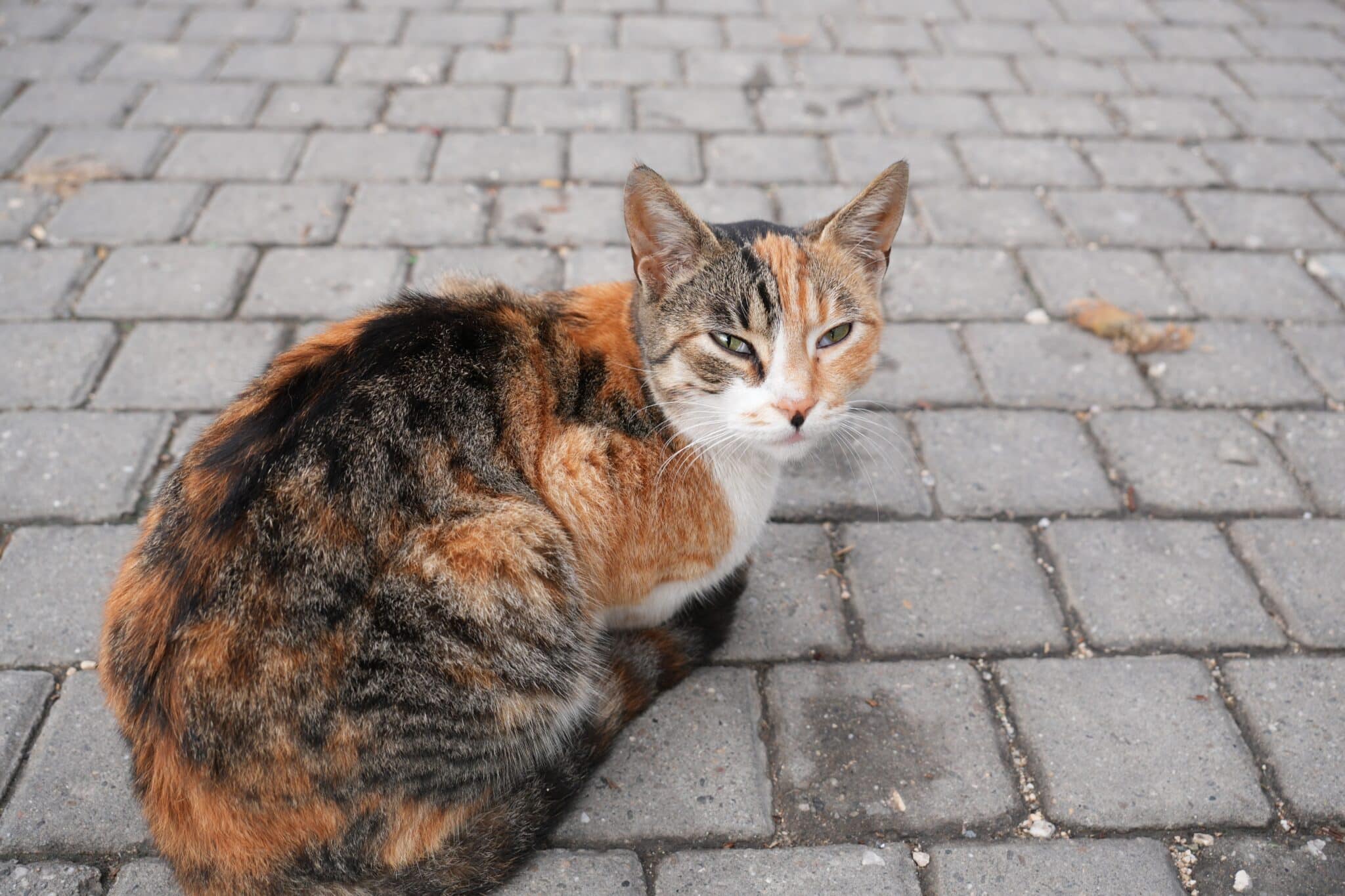
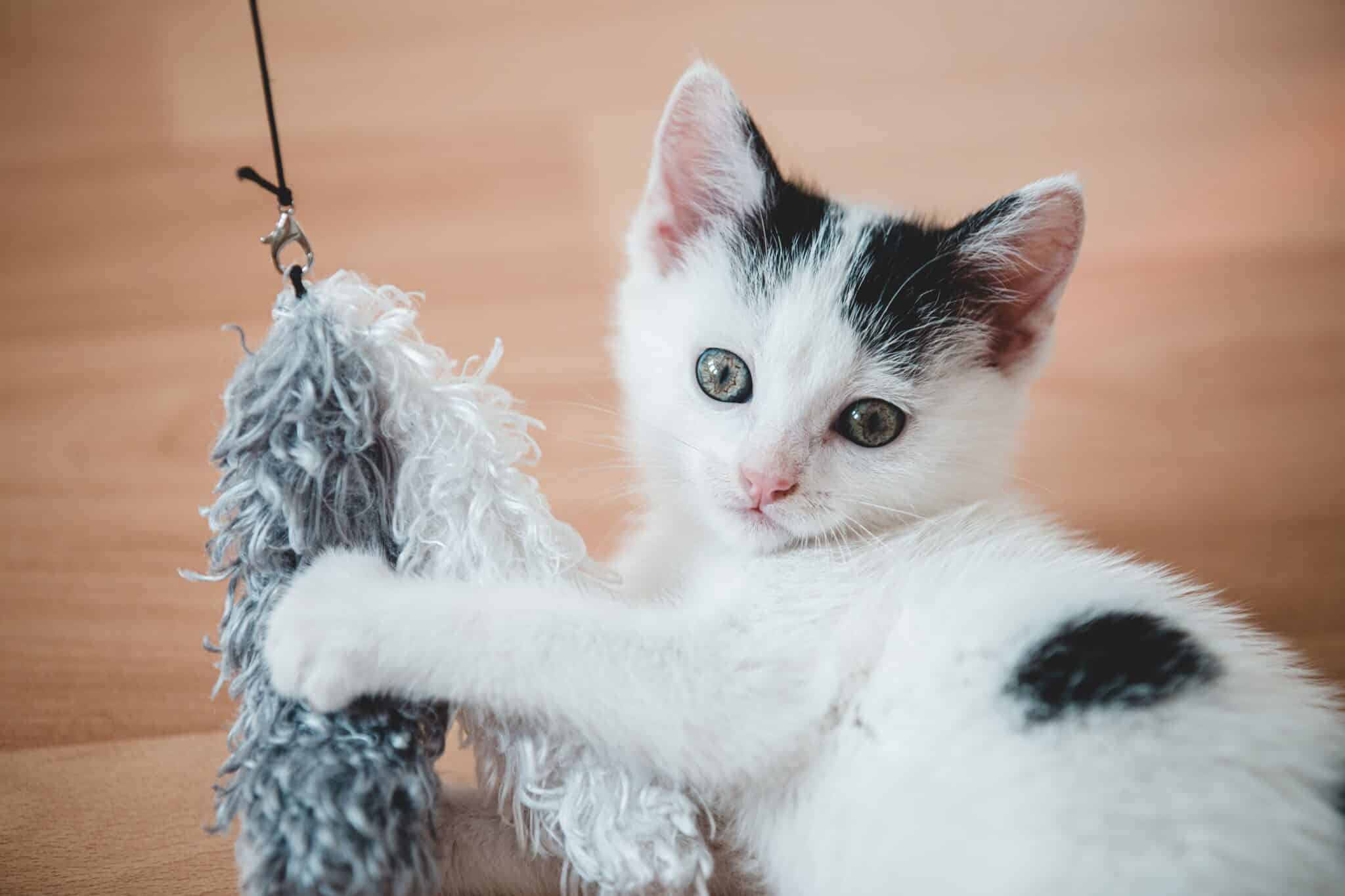
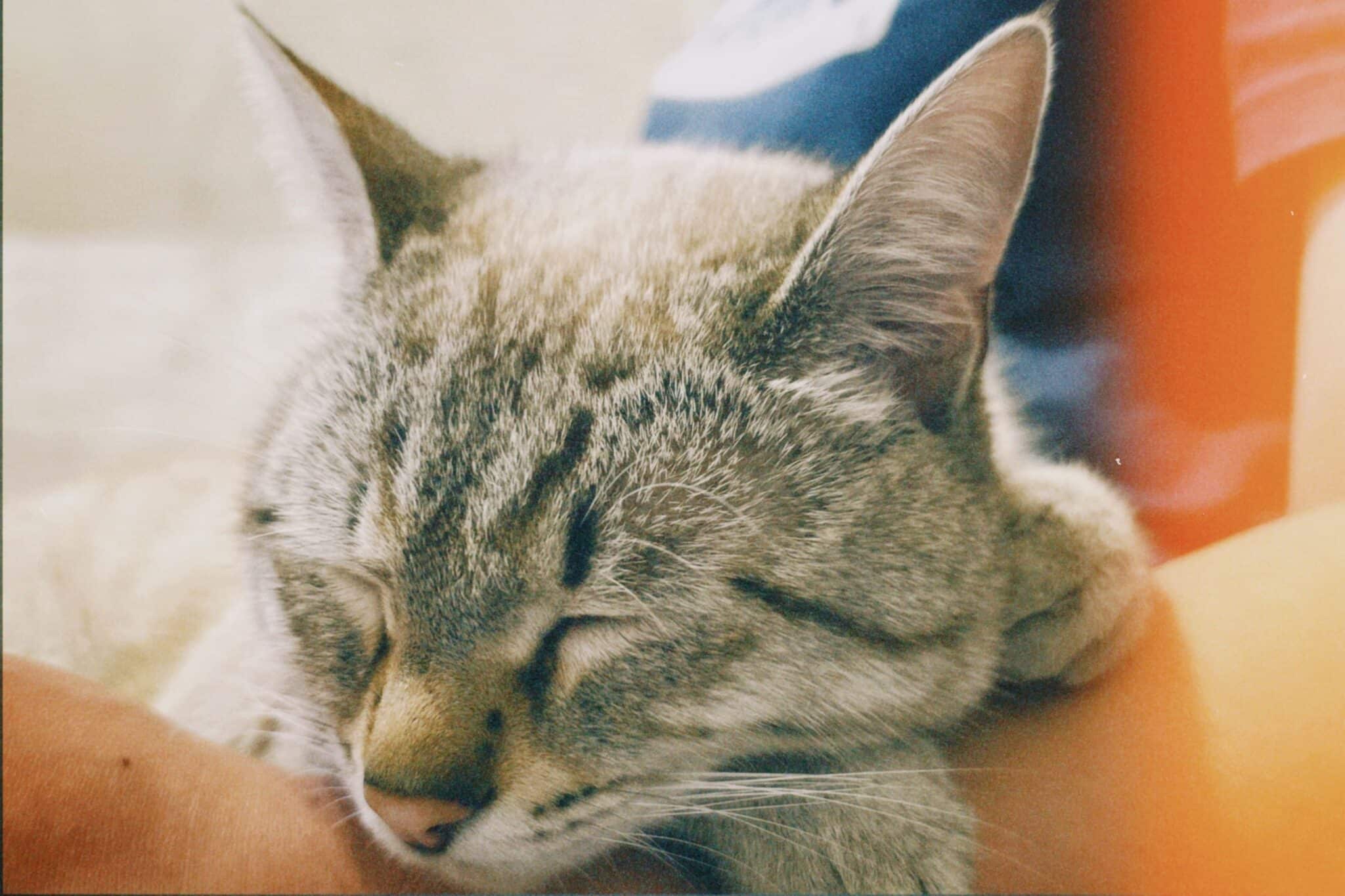
For centuries, domestic cats (Felis catus) have labored under an unfair reputation: they are frequently characterized as aloof, emotionally distant, and self-serving when compared to their canine counterparts. While dogs wear their hearts on their furry sleeves through enthusiastic tail wags and constant physical demands, feline expressions of attachment are notoriously understated. This fundamental misunderstanding often leads human companions to misinterpret or entirely overlook the rich lexicon of affection cats use on a daily basis.
Recent behavioral research and feline veterinary insights indicate that cats do not lack capacity for deep emotional attachment; rather, their communication methods are rooted in instinct, subtle body language, and evolutionary social dynamics. A cat does not need to curl up in your lap for hours or aggressively demand belly rubs to prove its devotion. Instead, love often arrives as a silent head bump, a deliberate slow blink across a sunlit room, or the simple choice to share physical proximity without demanding interaction.
This investigative report examines the intricate psychology and behavioral science behind feline affection. By decoding twelve subtle signals—ranging from scent-marking and "allogrooming" to strategic positioning and vocal trills—this article offers cat owners a comprehensive guide to understanding how their feline companions express trust, comfort, and enduring loyalty.
Detailed Chronology: The Evolution of Feline Domestication and Communication
To understand why modern house cats express affection so subtly, one must examine the evolutionary history of the species. Unlike dogs, which evolved from highly social, pack-hunting wolves that required cooperative group dynamics for survival, domestic cats descended from the solitary wildcat (Felis lybica).
[Solitary Wildcat Ancestors]
        │ (Self-reliant hunting & territorial defense)
        ▼
[Agricultural Revolution (~10,000 years ago)]
        │ (Cats drawn to human settlements for rodent control)
        ▼
[Self-Directed Domestication]
        │ (Felines retained autonomy while forming selective social bonds)
        ▼
[Modern Domestic Companion]
        │ (Translating ancient survival instincts into subtle household affection)
The Transition from Solitary Hunter to Household Companion
The Ancestral Baseline: Early wildcats relied on self-reliance, stealth, and acute territorial awareness. Displaying overt vulnerability was an evolutionary hazard that invited predation or territorial challenges. Consequently, overt, high-energy emotional displays were suppressed in favor of minimal, high-efficiency communication.
The Agricultural Partnership: Approximately 10,000 years ago, as human societies transitioned to agriculture, wildcats naturally gravitated toward grain stores populated by rodents. This relationship was mutually beneficial rather than forcefully imposed; cats essentially domesticated themselves by choosing proximity to human settlements.
Preservation of Autonomy: Because cats were never subjected to the rigorous, selective breeding for compliance that dogs experienced, they retained a high degree of their ancestral independence. Modern cats view their human companions not as pack leaders, but as social partners within a shared territory. Therefore, their expressions of affection are rooted in voluntary trust rather than hierarchical submission.
Supporting Context & Metrics: Decoding the 12 Subtle Signs of Feline Love
When evaluating feline behavior, pet owners must learn to read beyond the obvious. Below is an exhaustive breakdown of the twelve most common, yet frequently misunderstood, behavioral indicators of cat affection.
1. The Slow Blink (The "Cat Kiss")
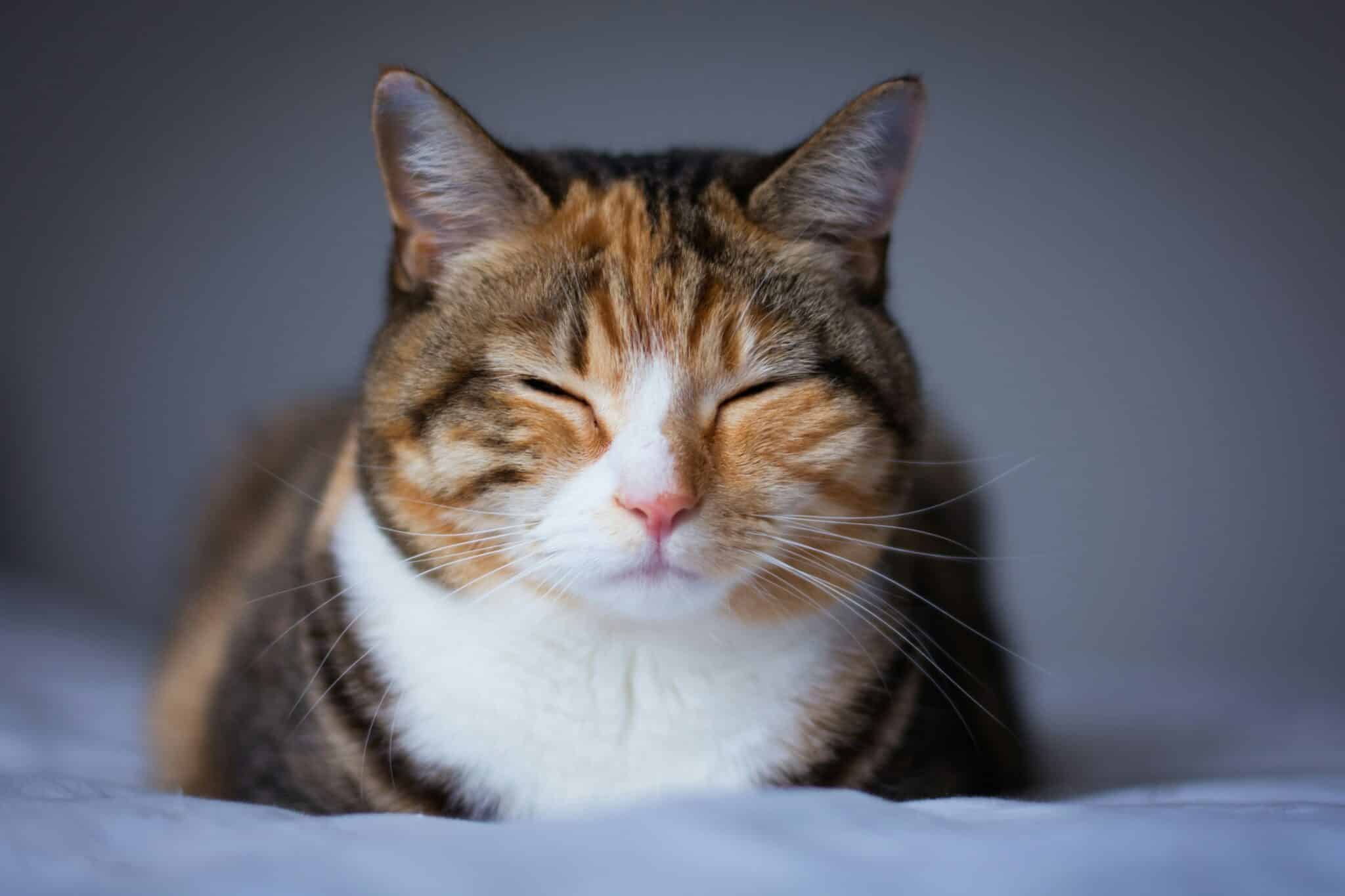
One of the most profound non-verbal signals a cat can offer is the slow blink. When a cat looks directly at you, gently narrows its eyelids, and slowly closes and opens them, it is communicating a state of absolute relaxation. In the wild, prolonged direct eye contact is often interpreted as a threat or a challenge. By deliberately breaking that gaze with a slow blink, the cat signals that it feels completely safe in your presence.
Actionable Insight: You can mirror this behavior. Slowly close and open your eyes when making eye contact across the room. If your cat responds in kind, a peaceful loop of social reassurance has been established.
2. Head Bumping and Bunting
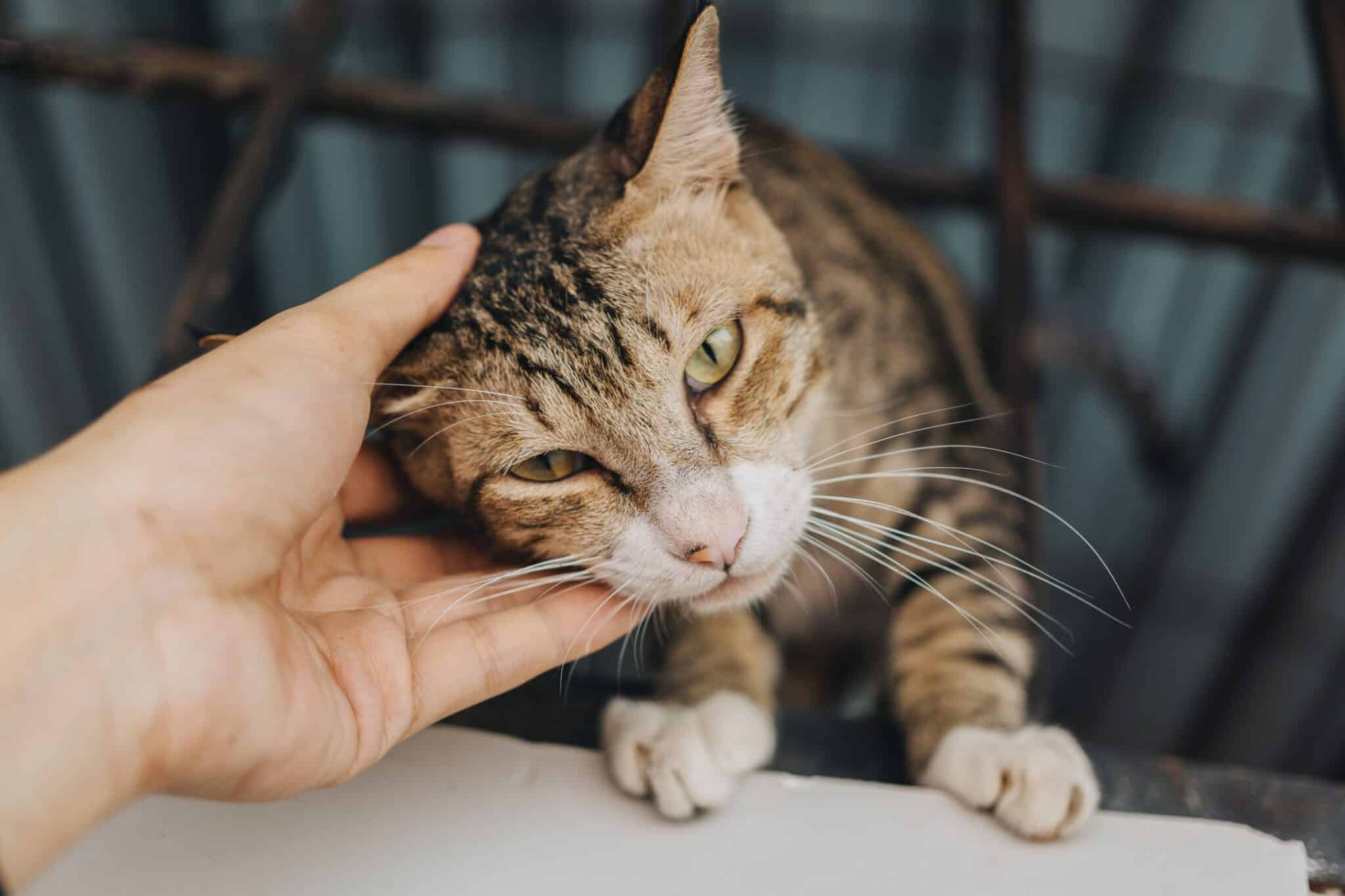
That adorable forehead nudge or cheek rub is not just a bid for attention; it is a sophisticated chemical messaging system. Cats possess specialized scent glands located around their lips, chin, cheeks, and forehead. When they rub these areas against your legs, hands, or face—a behavior known as bunting—they are depositing their unique pheromones onto you.
The Significance: This act legally "claims" you as part of their trusted social group and familiar environment, mingling your scents to reinforce a unified territory.
3. Shadowing Your Every Move
If your cat follows you from the bedroom to the kitchen and waits patiently outside the bathroom door, do not write it off as mere food-seeking behavior. While meals are certainly a motivating factor, cats that consistently shadow their human companions are displaying a strong social attachment. They prefer to keep their favored resource—you—within their visual field, integrating you seamlessly into their daily patrol and resting routines.
4. Turning Their Back Toward You
To the uninitiated human eye, a cat turning its back and sitting facing away from you might seem dismissive or rude. In feline behavioral science, however, it is quite the opposite. Exposing one’s back to an individual is an act of supreme trust. Because a cat cannot see potential threats approaching from behind, choosing to rest with its back turned indicates that the cat trusts you implicitly to act as a secondary set of eyes and to protect the shared space.
5. Delivering "Gifts" and Toys
Finding a plush mouse, crinkle ball, or feathered toy dropped beside your slippers is a common household occurrence. While some toys are simply relocated due to random play, many instances reflect a continuation of natural predatory instincts. Mother cats bring injured or dead prey back to their kittens to teach them how to hunt. When an adult cat brings a toy to you, it may be treating you as a member of its social family, inviting you to participate in a shared play ritual.
6. Sleeping in Close Proximity
Vulnerability peaks during sleep. Because sleeping cats are temporarily less alert to environmental hazards, their choice of resting location is calculated entirely around safety. If your cat regularly curls up beside your chair, naps on your pillow, or rests against your legs, it has designated you as a secure, calming anchor. Providing multiple cozy perches near your main living areas lets your cat calibrate its exact distance based on its daily comfort level.
7. Allogrooming (Gentle Licking)
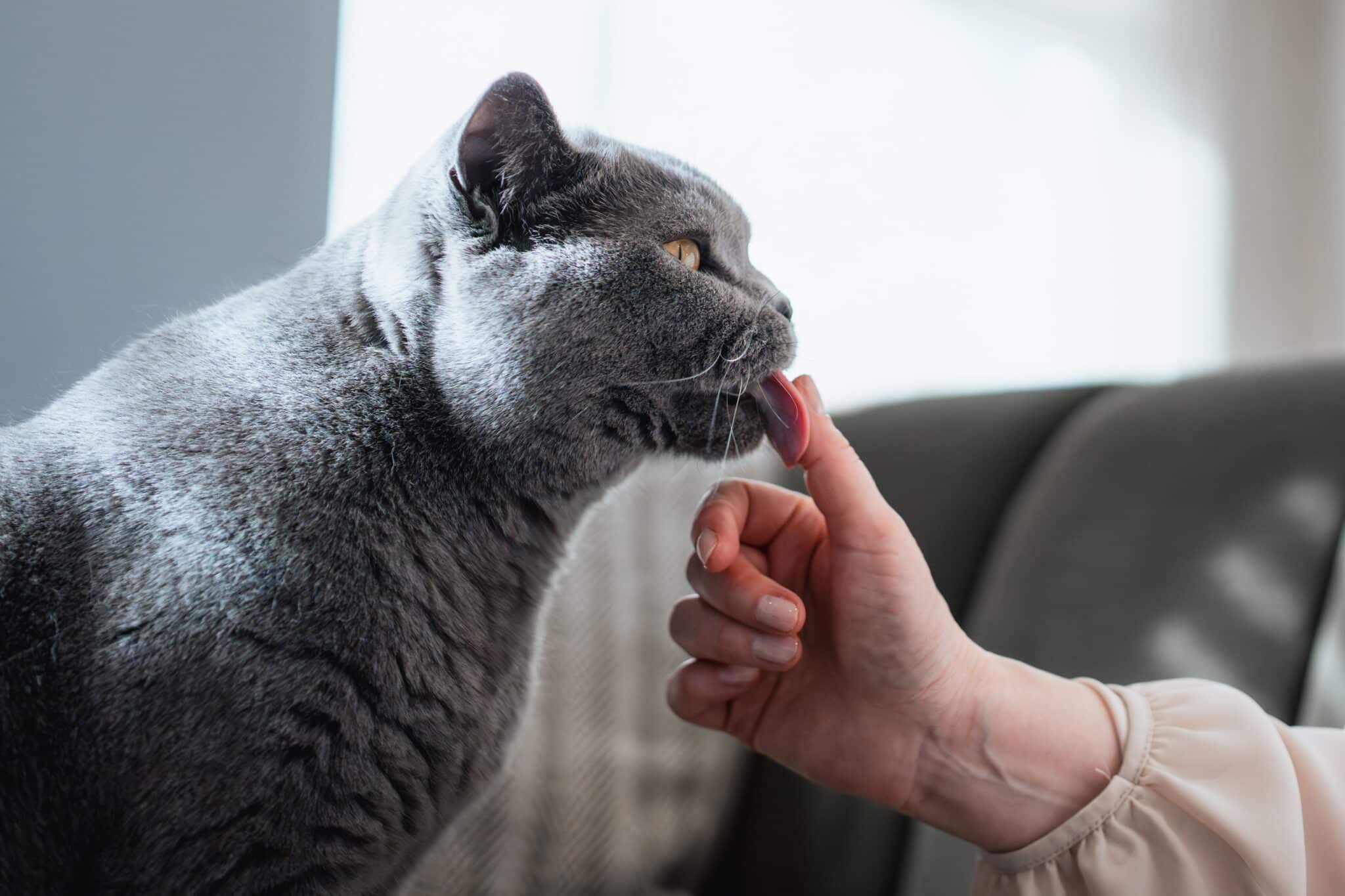
Cats are meticulous self-groomers, but when they turn their sandpaper tongues toward your skin or hair, they are engaging in allogrooming. This social grooming practice is exclusively reserved for bonded companions within a feline community. By licking you, your cat is helping to maintain your scent profile, reinforcing mutual social bonds, and treating you as an equal member of its inner circle.
Caveat: Ensure your cat does not ingest household lotions, topical medications, or cleaning residues during these affectionate sessions.
8. Exposing the Vulnerable Belly
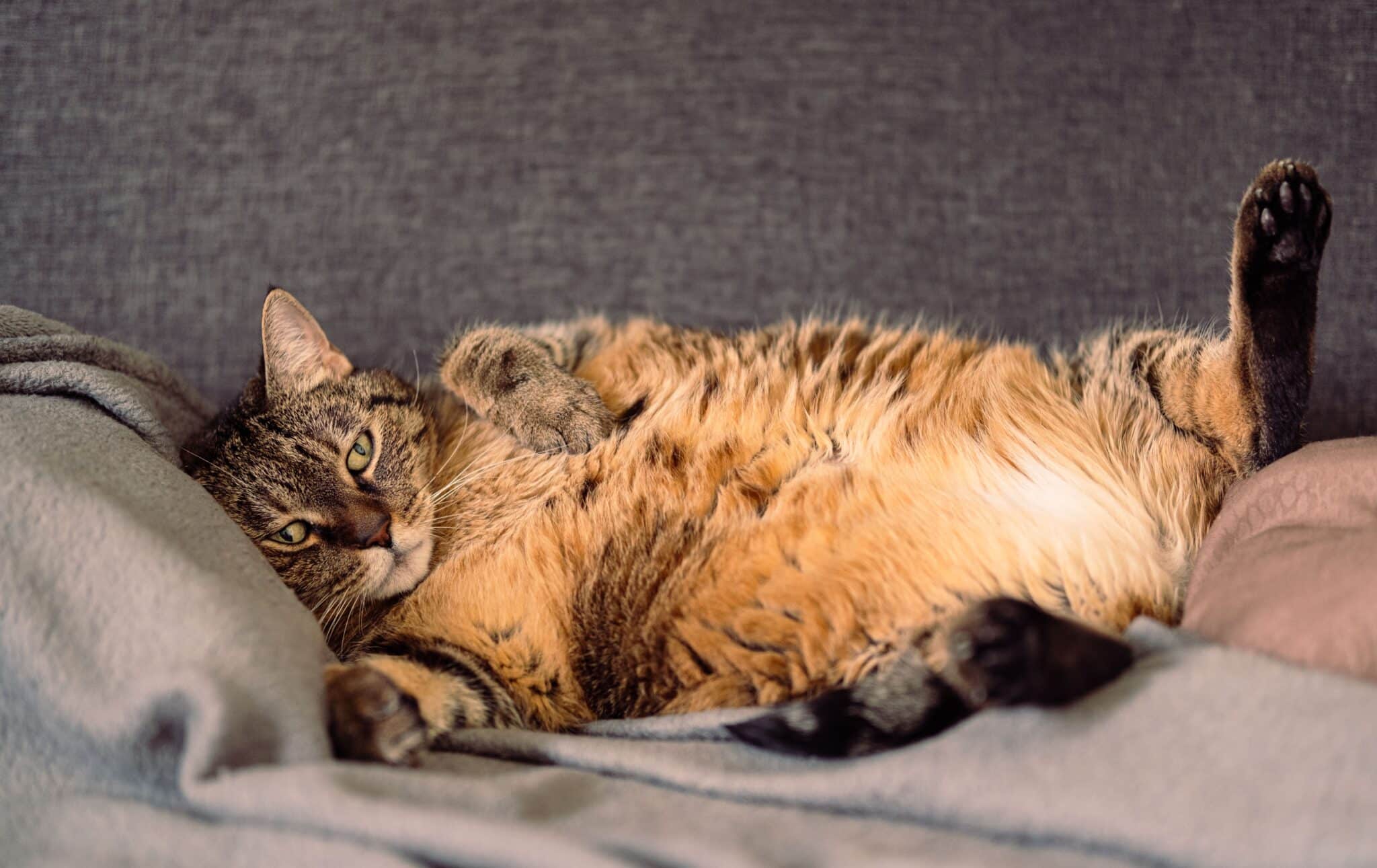
The feline abdomen houses vital organs and is fiercely protected in the wild. When a cat rolls onto its back and stretches out with its belly exposed, it is demonstrating profound trust and physical relaxation.
Crucial Distinction: A exposed belly is almost never an invitation for a belly rub. Most cats possess sensitive nerve endings in this area and will instinctively react to petting with a defensive grab or kick. Admire the display of trust without crossing physical boundaries.
9. Conversational Chirps and Trills
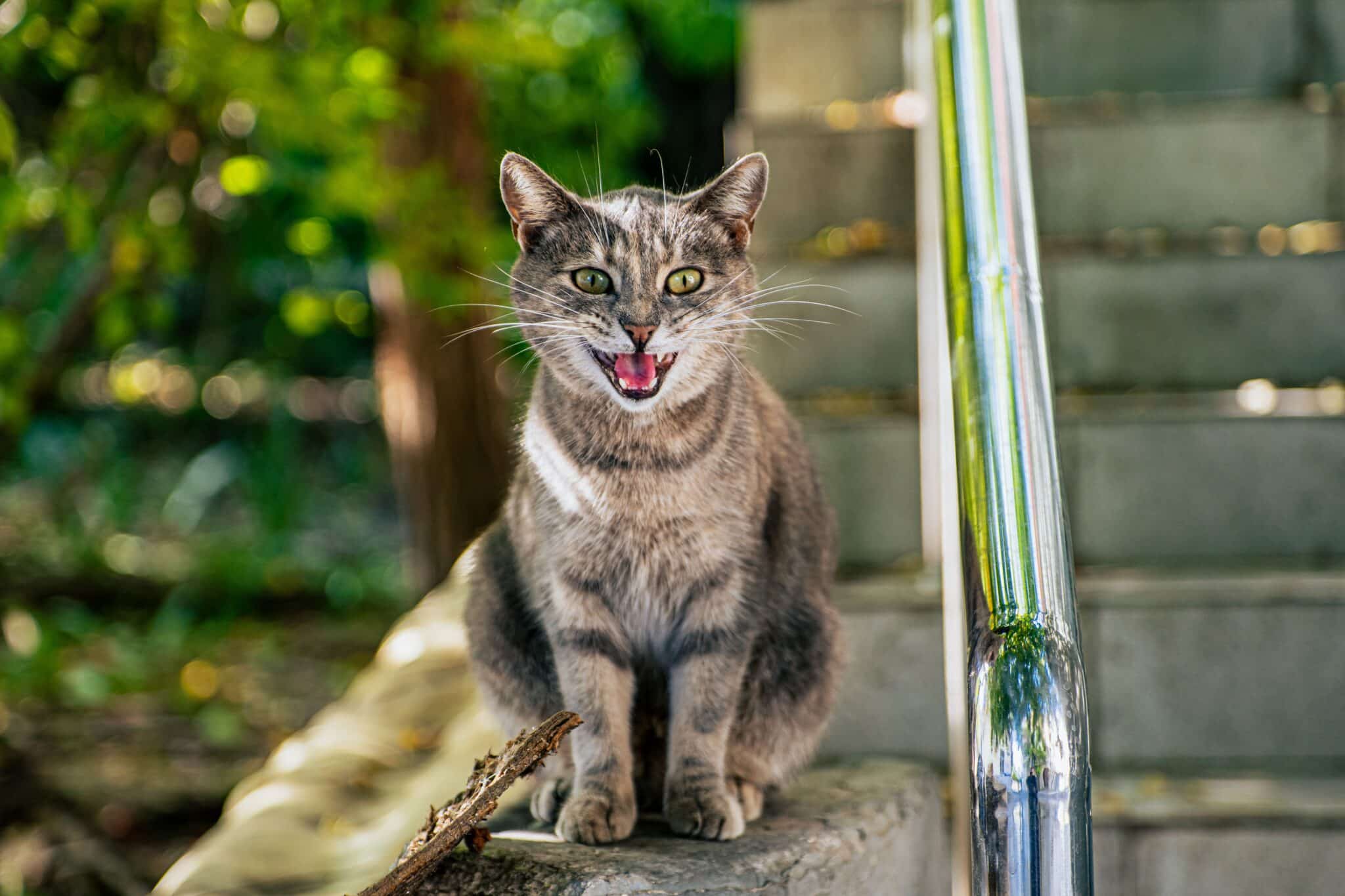
Not all communication is silent or limited to a standard meow. Many cats greet their favored humans with soft chirps, high-pitched trills, and melodic rolling sounds. Mother cats use these exact vocalizations to encourage their kittens to follow them. When an adult cat trills upon your entry into a room—often accompanied by a proudly raised, question-mark-tipped tail—it is expressing pure happiness and a desire for positive interaction.
10. Resting a Paw on You
An understated, delicate gesture that is frequently missed is the gentle placement of a single paw on your arm, leg, or hand. This tactile contact maintains an anchor of connection without demanding high-energy engagement. It indicates that the cat wants to ensure you remain close while it rests, serving as a subtle physical reminder of its affection.
11. Anticipating Your Return Home
Many cat owners report that their pets reliably gather near the front door minutes before they arrive home from work. Far from being magical, this behavior stems from a cat’s acute perception of routine, sound patterns, and time perception. Recognizing the subtle auditory cues of your car, footsteps, or building entry, the cat positions itself to welcome you back with an upright tail and welcoming head bumps.
12. Rhythmic Kneading ("Making Biscuits")
The rhythmic pushing and pulling of front paws against a soft blanket, cushion, or your lap—commonly known as kneading—is a direct behavioral carryover from kittenhood. Nursing kittens knead their mother’s abdomen to stimulate milk flow. Adult cats retain this comforting habit during moments of extreme contentment and security. If your cat chooses your lap for a biscuit-making session accompanied by purring and half-closed eyes, you are experiencing one of the purest manifestations of feline love.
Official Statements and Expert Veterinary Perspectives
Animal behaviorists and veterinary medical associations continually emphasize the importance of viewing feline behavior through an objective, species-specific lens.
Dr. Sarah Ellis, a noted feline behavioral researcher and co-author of The Trainable Cat, frequently notes that human expectations often distort our perception of pets:
"We often measure a cat’s love using canine metrics. If a cat does not jump up and bark or lick our faces, we assume it is indifferent. In reality, feline social structures are built on subtlety, mutual respect of personal space, and quiet coexistence. When a cat simply chooses to exist in the same room as you without asking for anything, it is offering a profound compliment."
Furthermore, veterinary literature from organizations such as the American Association of Feline Practitioners (AAFP) underscores that recognizing these subtle behavioral cues is vital for animal welfare. Misinterpreting defensive postures—such as mistaking tail-flicking or sudden defensive swats during belly rubs for aggression—often damages the human-animal bond and creates unnecessary chronic stress for the cat.
Future Outlook: Bridging the Gap Between Humans and Felines
As our understanding of animal cognition and emotional processing deepens, the cultural perception of cats is undergoing a welcome transformation. The old tropes of the "aloof cat" are steadily being replaced by a more nuanced appreciation for feline psychology.
Future trends in pet care point toward increased integration of behavioral education in veterinary practices. Owners are no longer just looking for nutritional and medical guidance; they are actively seeking educational resources on how to interpret body language, establish environmental enrichment, and honor feline autonomy.
Ultimately, mastering the language of feline affection enriches the human experience. By learning to value the quiet, understated gestures—the slow blink across a dimly lit room, the gentle weight of a resting paw, or the comforting rhythm of a kneading session—we open ourselves up to a unique, deeply rewarding form of companionship. The feline love department may operate on unusual hours and subtle rules, but for those willing to pay attention, the rewards are immeasurable.