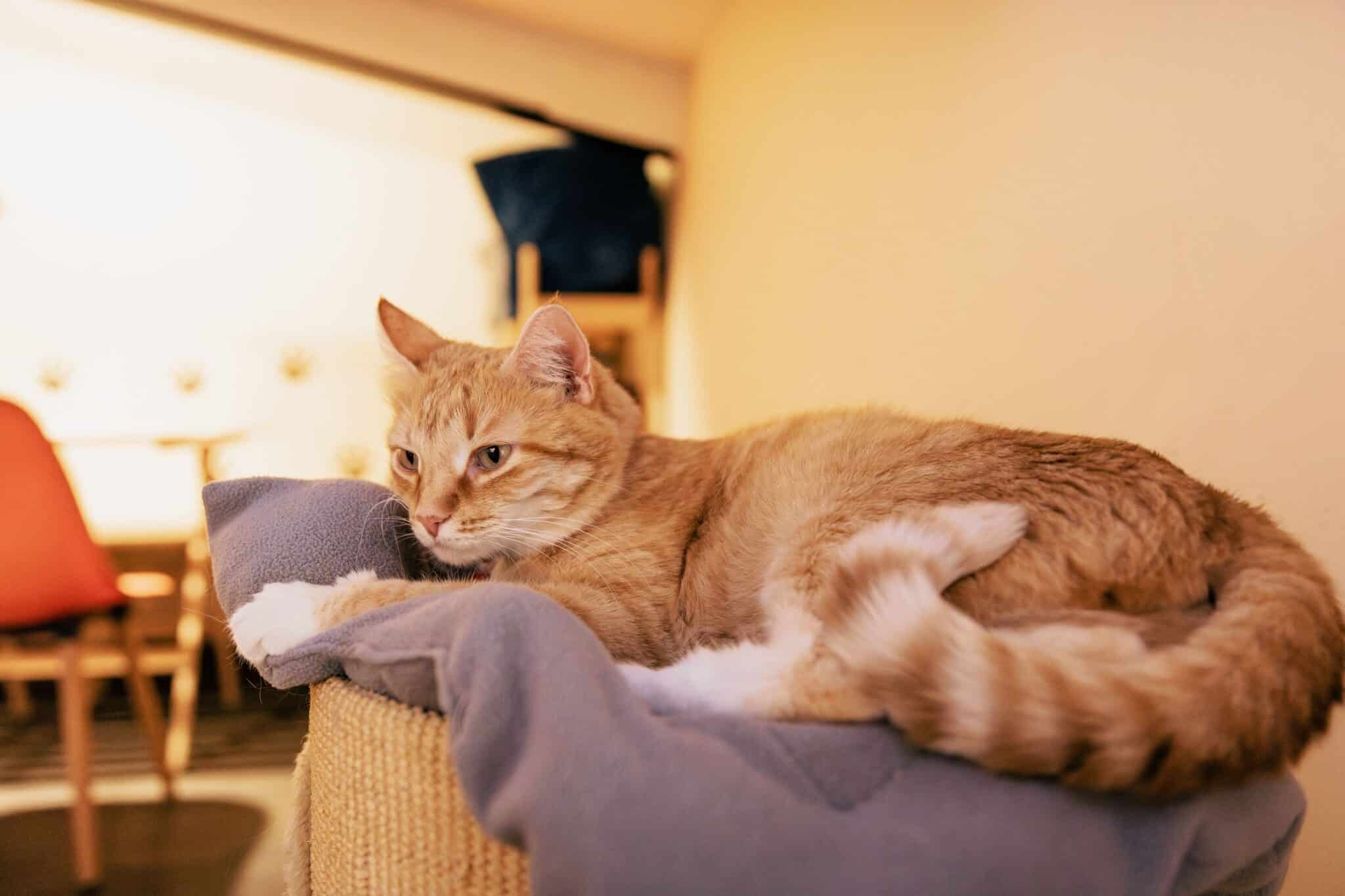
For centuries, the domestic cat (Felis catus) has maintained an aura of enigmatic detachment, often mischaracterized as aloof or emotionally
inscrutable compared to its canine counterparts. However, contemporary feline behavioral science reveals a rich, highly nuanced system of communication operating just beneath the surface of everyday household interactions. Cats do not simply exist alongside humans; they broadcast a continuous stream of physiological and behavioral signals.
From the subtle cadence of a slow blink to the architectural geometry of tail carriage, feline body language offers an empirical window into the emotional, physical, and psychological states of our pets. This investigation explores the complex semiotics of feline behavior. By moving beyond anecdotal observations and examining ethological data, cat owners can decode these complex signals, transforming ambiguous interactions into profound opportunities for cross-species empathy, behavioral welfare enhancement, and strengthened human-animal bonds.
Detailed Chronology: The Evolution of Feline Semiotics
To understand why cats communicate the way they do, one must first look at their evolutionary history. Unlike dogs, which were domesticated primarily for cooperative working roles requiring complex social signaling with humans and conspecifics alike, cats are descendants of solitary hunters (Felis lybica, the African wildcat).
The Solitary Hunter Heritage
In their evolutionary past, elaborate vocal displays and overt signaling were evolutionary liabilities. Loud noises could alert prey or attract apex predators. Consequently, felines evolved a sophisticated, low-amplitude communication toolkit. Visual cues, scent marking, micro-expressions, and subtle postural shifts became the preferred mediums of information exchange.
The Transition to Household Diplomacy
When cats began self-domesticating around agricultural settlements approximately 10,000 years ago, they adapted these solitary survival tactics to a communal human environment. Over millennia, domestic cats developed unique vocalizations—such as the purr-meow hybrid used exclusively for human solicitation—and modified their body language to bridge the communication gap between feline and primate species.
Modern behavioral research indicates that cats treat humans not as mothers or subordinates, but as giant, non-threatening feline companions. Recognizing this evolutionary baseline allows modern pet parents to interpret seemingly bizarre behaviors—such as presenting a plush toy or headbutting a knee—not as human-centric gestures, but as deeply ingrained survival and social strategies.
Supporting Context & Metrics: Decoding the Everyday Signals
Feline communication relies heavily on multimodal signaling, combining visual posture, auditory output, and olfactory broadcasting. Ethologists categorize these behaviors into distinct frameworks that reveal how cats navigate their environments.
1. Ocular Signaling: The Power of the Slow Blink
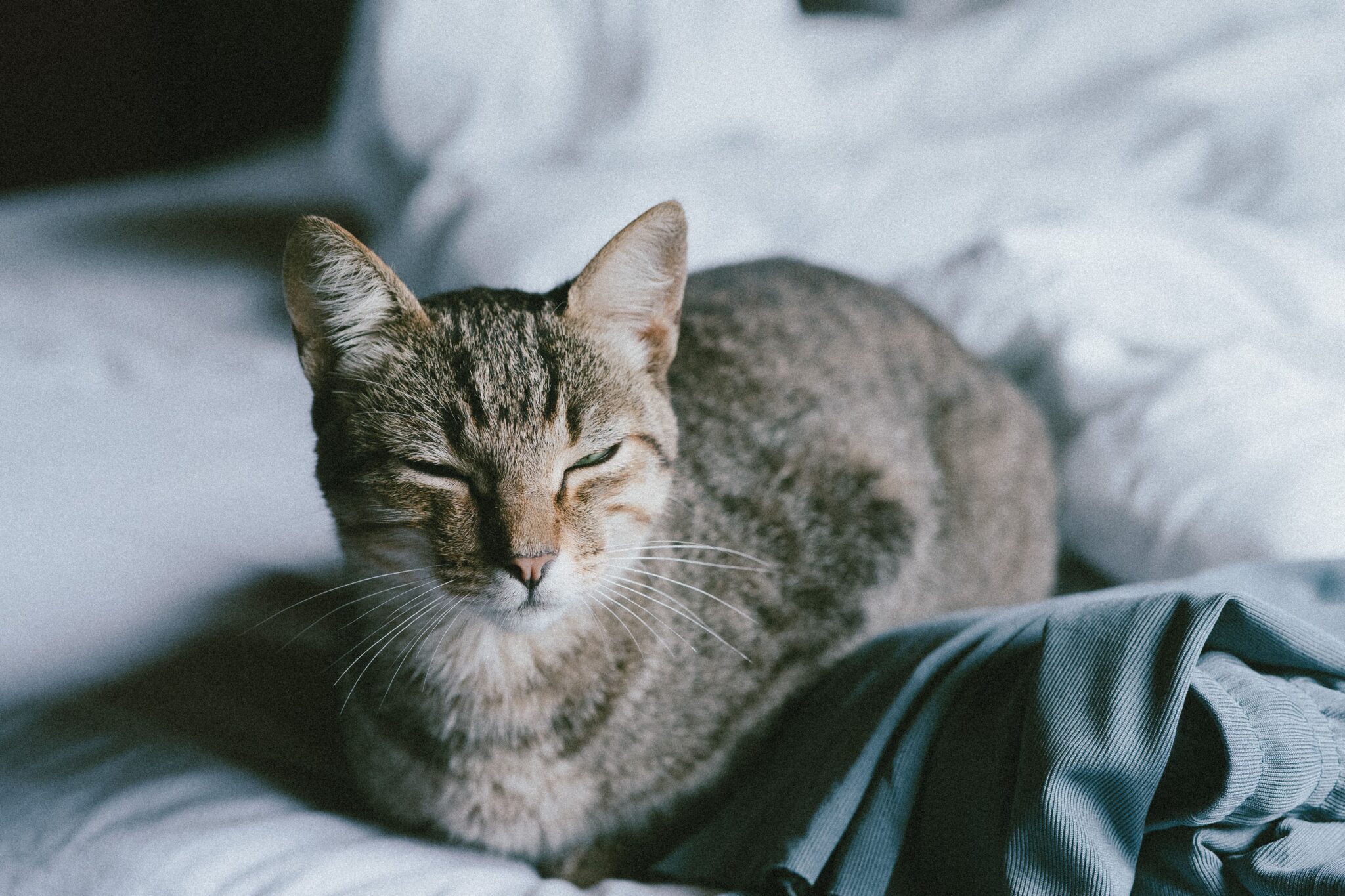
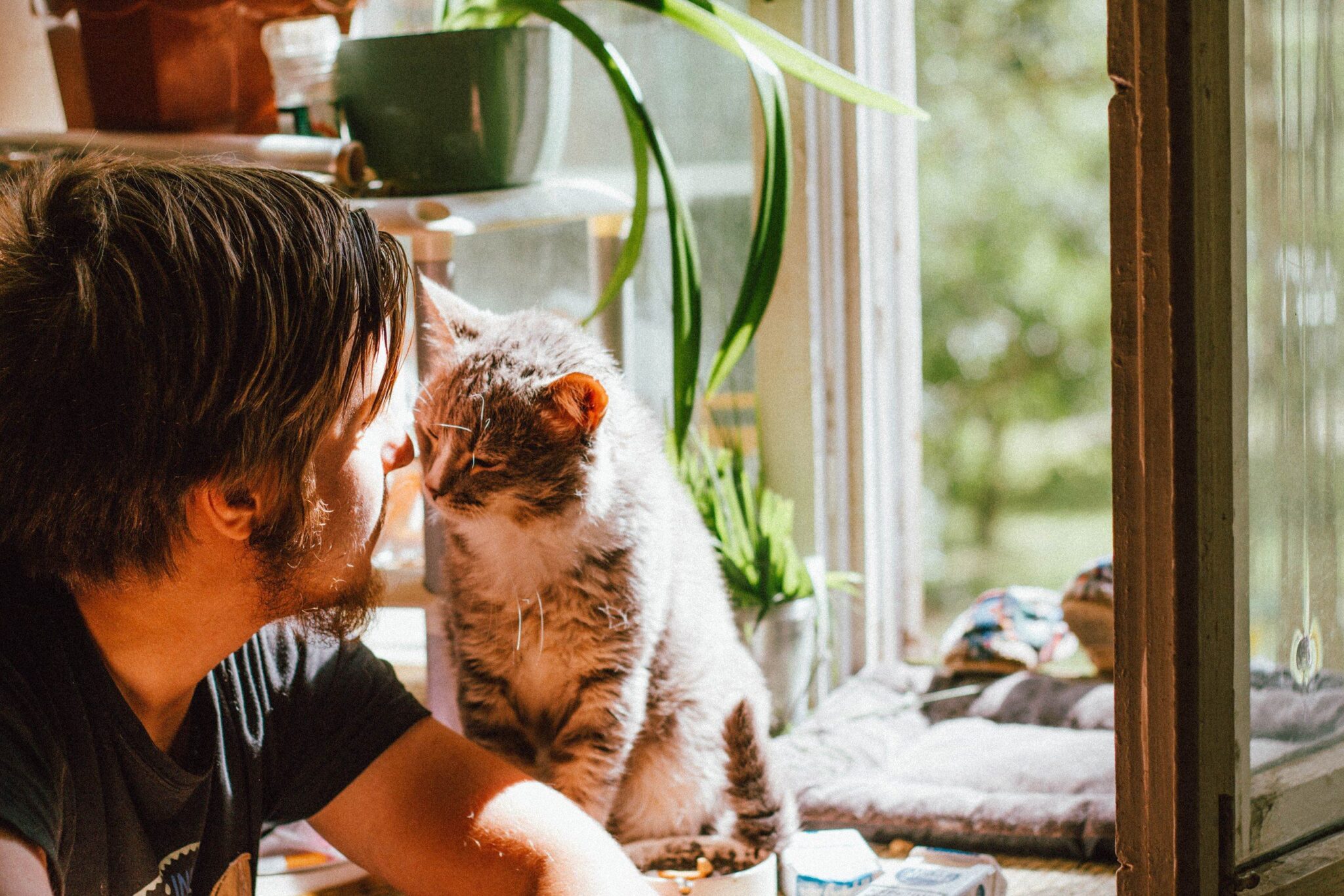
The slow blink—often romanticized as the "cat kiss"—is one of the most reliable indicators of feline trust and psychological safety.
The Mechanism: When a cat slowly closes and opens its eyes while maintaining visual contact, it voluntarily relinquishes its primary defense mechanism in an environment it perceives as secure.
Behavioral Implication: Staring is typically interpreted by felines as an aggressive or predatory challenge. By breaking eye contact through a slow blink, the cat communicates peaceful intentions. Owners can reciprocate this gesture to lower cortisol levels and reinforce mutual trust.
2. Tail Dynamics: The Upright Greeting
A cat’s tail acts as a dynamic counterbalance and a primary emotional barometer.
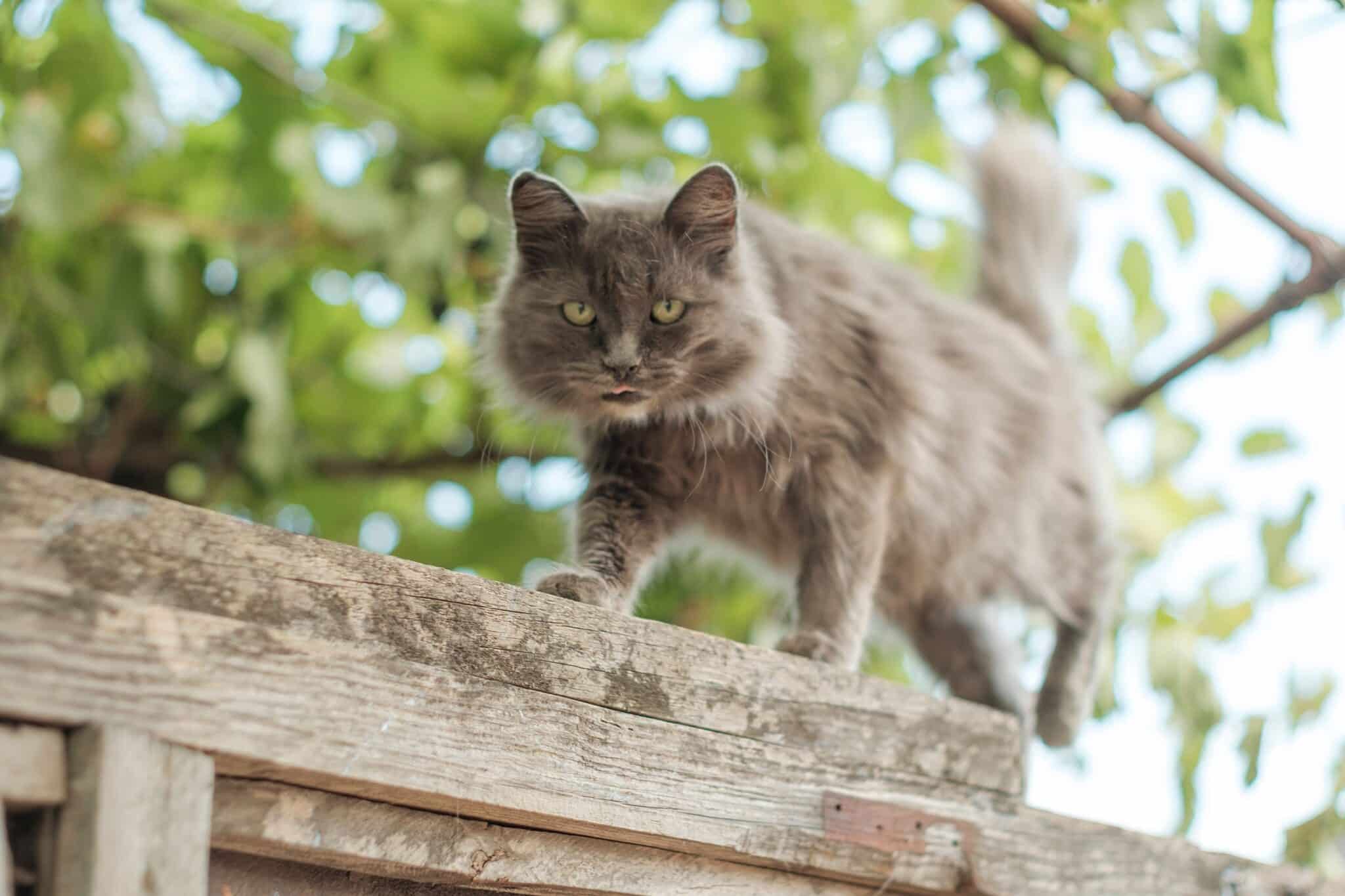
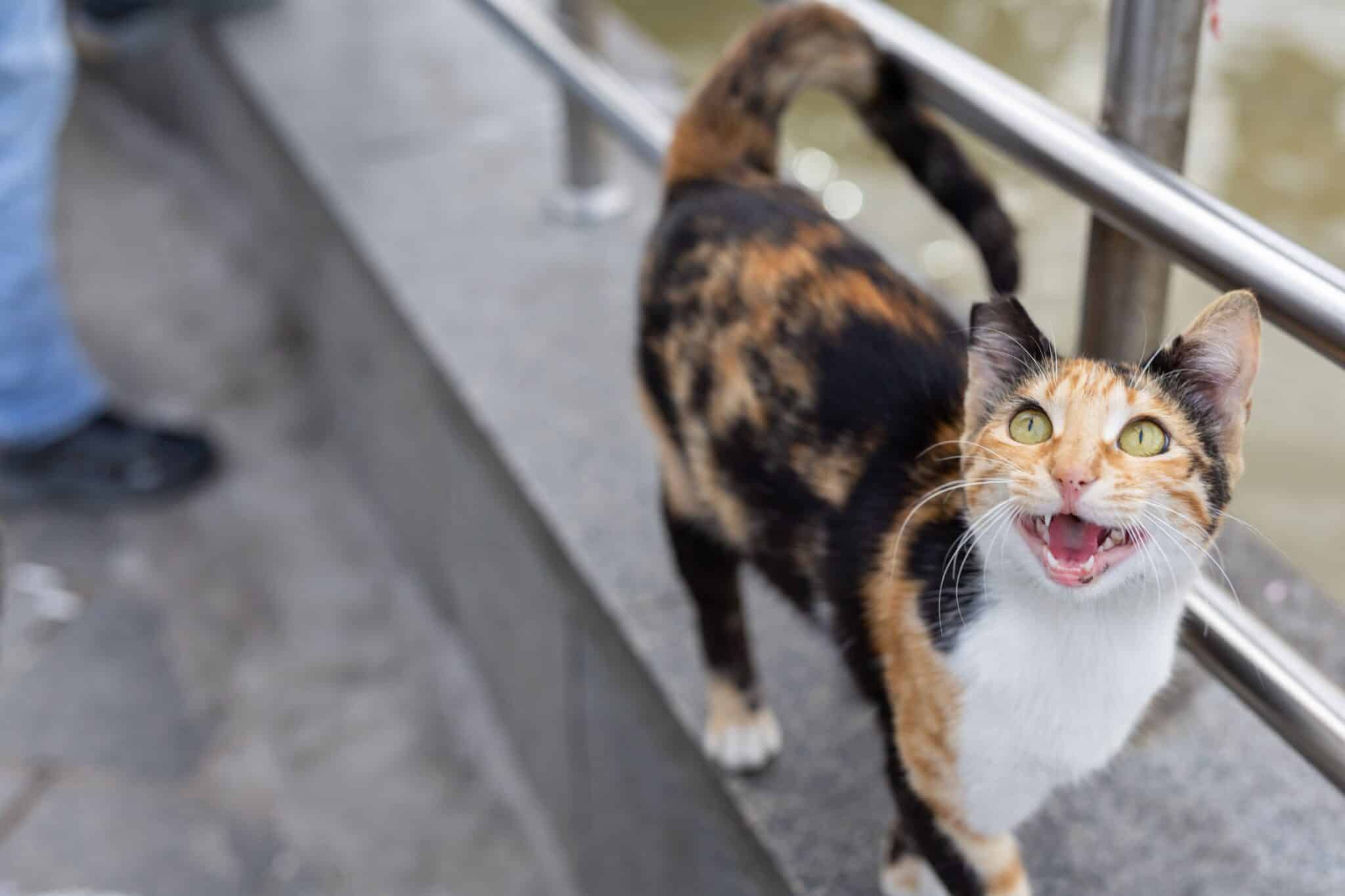
The Upright Posture: A tail held vertically, often with a slight question-mark curve at the tip, is a hallmark of friendly approachability. It signals confidence, happiness, and an open invitation for social interaction.
Biometric Signifiers: Conversely, a lashing tail, a puffed-up "bottlebrush" tail, or a tail tucked low to the ground indicates arousal, defensive aggression, or severe anxiety.
[Tail Upright + Tip Curved] ---> Confidence & Friendly Greeting
[Tail Lashing/Swishing]    ---> Frustration, Arousal, or Impending Agitation
[Tail Tucked Low]          ---> Fear, Submission, or Insecurity
3. Olfactory Diplomacy: Bunting, Rubbing, and Scratching
Scent is the dominant sensory modality for domestic cats.
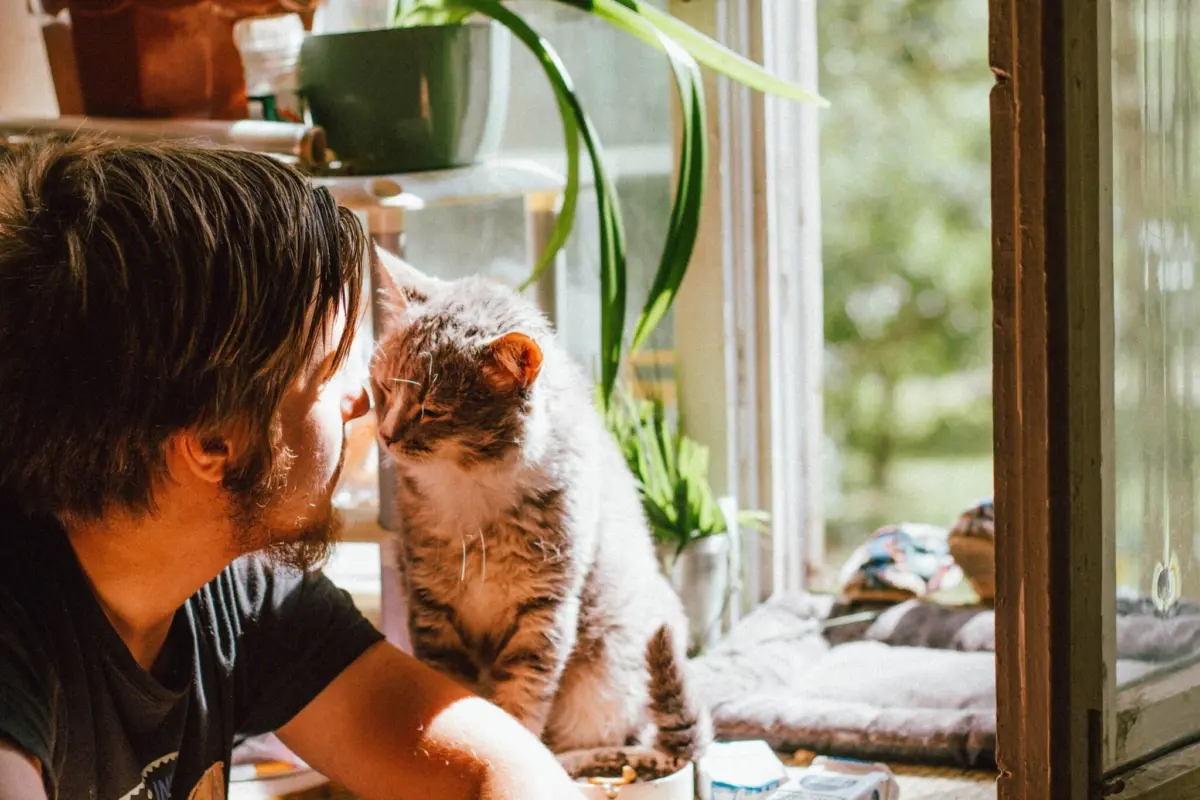
Facial Glands (Bunting): Cats possess specialized sebaceous scent glands located on their cheeks, lips, chin, and temporal regions. When a cat rubs its face against human limbs or household furniture, it deposits chemical pheromones that mark the territory as safe and familiar. This behavior, known as bunting, effectively knits human beings into the cat’s olfactory security blanket.
Paw Glands and Scratching: Scratching surfaces serves a dual purpose. Beyond conditioning the claws and stretching the muscular chain of the upper body, the interdigital glands in feline paws deposit chemical signatures. A scratching post is both a structural necessity and an olfactory bulletin board declaring ownership and stability.
4. Auditory Nuances: Purrs, Chirps, and Trills
While the standard meow is reserved almost exclusively for human-cat communication, other vocalizations carry deeper biological context.
The Multifaceted Purr: Long assumed to be a universal sign of happiness, contemporary ethology proves that purring is an autonomic response utilized for self-soothing. Cats purr during intense pain, stress, parturition, and dying, alongside moments of profound relaxation. Context—such as muscle tension, posture, and environmental stressors—is paramount when evaluating a purring cat.
Chirps and Trills: High-pitched, melodic vocalizations are typically greeting signals inherited from maternal behavior. Mother cats use trills to summon kittens; adult cats use them to guide owners toward resources, food, or simply to express enthusiastic companionship.
5. Postural Indicators: Ears, Bellies, and Following
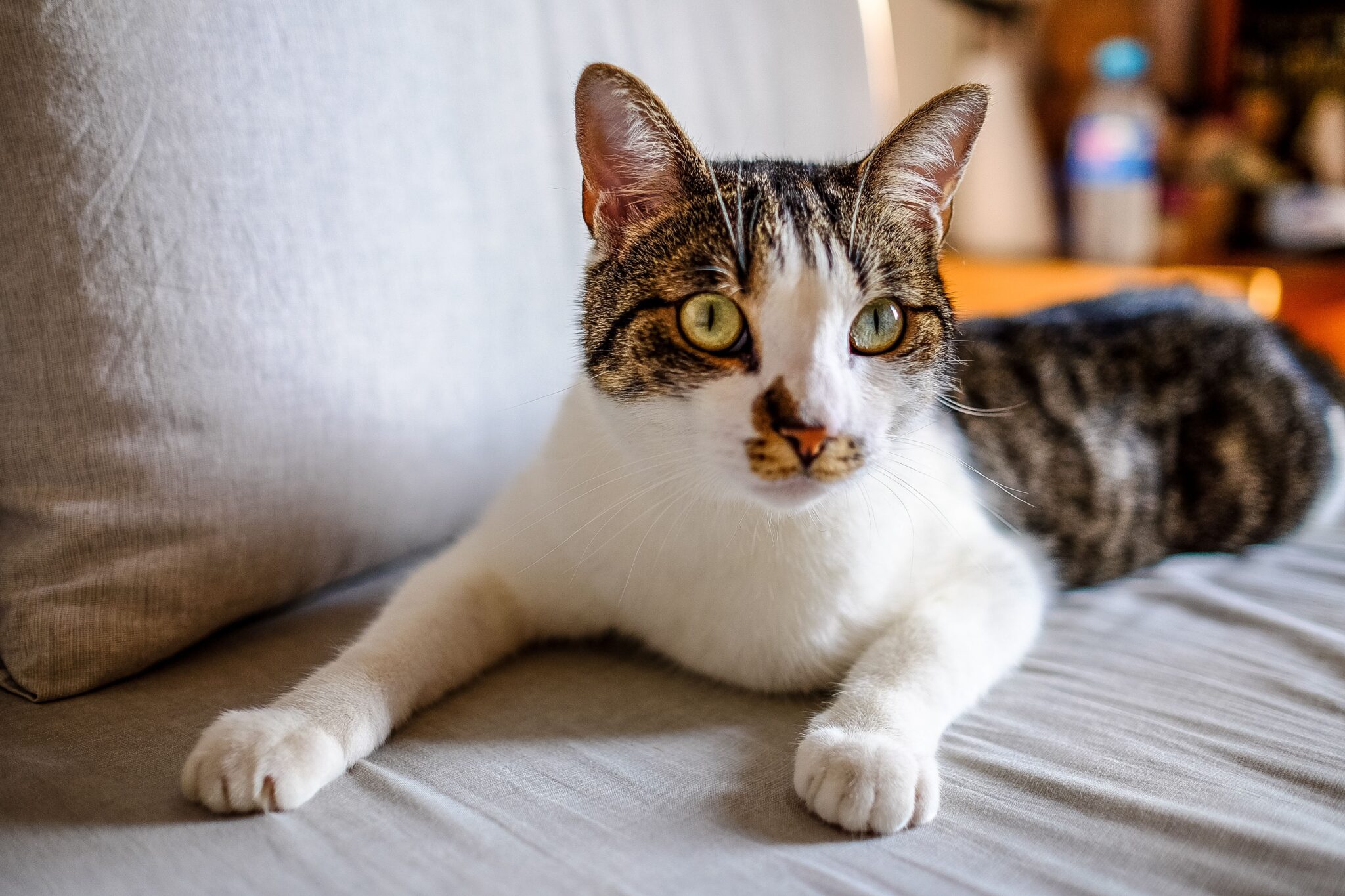
Ear Orientation: Feline pinnae (ears) can rotate independently through 180 degrees via complex musculature. Forward-facing ears denote keen interest and curiosity; sideways "airplane" ears signal hesitation or environmental uncertainty; flattened, pinned-back ears indicate defensive aggression or intense fear.
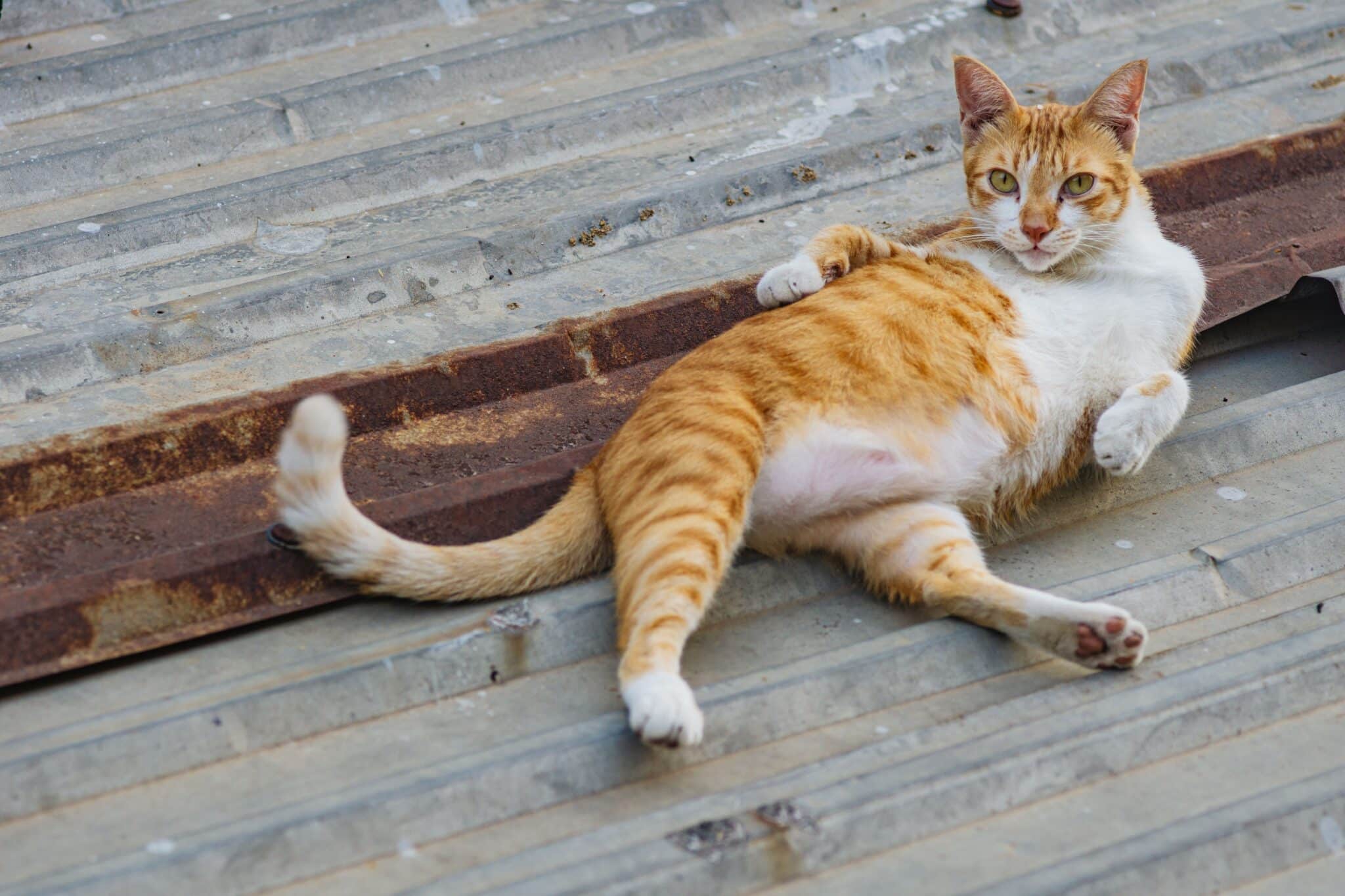
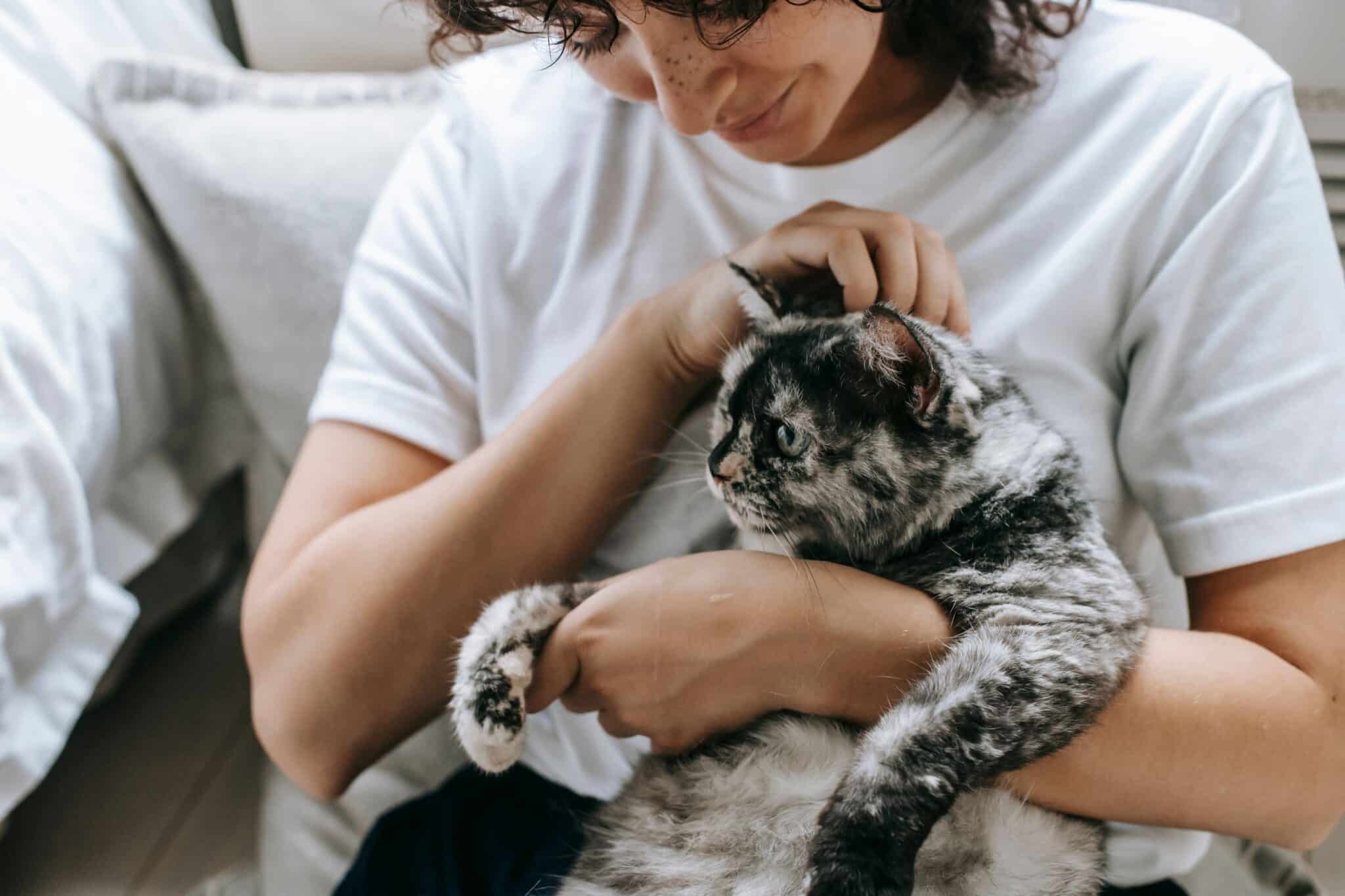
The Belly Exposure Paradox: Exposing the ventral side (belly) is an ultimate sign of trust, as the abdomen houses vital organs and is exceptionally vulnerable. However, ethologists warn that this is rarely an invitation for a belly rub. Most cats possess sensitive trigger zones on their flanks and abdomen, reacting defensively if touched there.
Shadowing (Following Behavior): Cats that trail their owners from room to room are demonstrating social integration. Whether supervising domestic chores or awaiting a meal, this shadowing behavior highlights the feline’s desire to remain embedded in the daily troop activities of its human companions.
Official Statements & Expert Perspectives
Leading feline behaviorists and veterinary organizations emphasize that preventative behavioral education can drastically reduce the rates of feline surrender and behavioral euthanasia.
"When a cat bites during a petting session or hides under a bed, owners frequently label the animal as ‘spiteful’ or ‘aggressive.’ Scientifically speaking, cats do not operate out of malice. They operate out of thresholds. Every cat has a distinct sensory threshold; once exceeded, even the most affectionate cat will resort to defensive behaviors to establish boundaries."
— Dr. Karen Overall, Certified Veterinary Behaviorist
Furthermore, animal welfare coalitions advocate for a paradigm shift in how human habitats are designed. Incorporating vertical territory, predictable daily routines, and species-appropriate scratching outlets directly mitigates chronic feline stress.
"Understanding feline body language is not merely a matter of convenience; it is a core component of preventative veterinary medicine. Chronic, unrecognized stress manifests physically in felines as idiopathic cystitis, dermatological disorders, and gastrointestinal distress. When we learn to read the slow blink, the ear twitch, and the tail flick, we are actively practicing healthcare."
— International Society of Feline Medicine (ISFM) Clinical Guidelines
Future Outlook: The Intersection of Technology and Feline Welfare
As the domestic cat population continues to grow globally, the future of feline communication research is shifting toward technological integration and artificial intelligence.
AI-Powered Behavioral Diagnostics
Emerging veterinary technologies are currently developing machine-learning algorithms capable of analyzing micro-expressions in feline facial structures via smart-home cameras. These systems evaluate ear tension, whisker position, and eye narrowing to score real-time pain and stress levels in domestic cats. Such innovations promise to bridge the communication gap even further, alerting human companions to subtle health crises—such as dental pain or arthritic flare-ups—long before clinical symptoms become obvious.
The Evolution of the Human-Cat Bond
As scientific literacy surrounding feline behavior improves, the cultural perception of the cat is undergoing a radical evolution. The outdated stereotype of the solitary, indifferent feline is being replaced by an appreciation for a sensitive, highly communicative animal capable of complex emotional bonding. By respecting their boundaries, responding appropriately to their visual and olfactory cues, and honoring their natural instincts, humans can foster environments where cats thrive physically and psychologically. The smallest feline signal—a twitch of an ear, a soft trill, or a momentary gaze—is an invitation into a sophisticated world waiting to be understood.