
Executive Overview
Throughout human history, the domestic cat (Felis catus) has commanded a singular duality in our cultural consciousness: simultaneously revered as an untouchable deity and embraced as an intimate hearth-companion. While canine companions have historically been celebrated for their subservient loyalty, felines have consistently maintained an air of independent sovereignty. They do not merely inhabit our homes; they deign to share their living spaces with us, carrying themselves with a posture of unearned, yet entirely convincing, aristocracy.
In the modern landscape of felinology, certain breeds elevate this inherent dignity to an extraordinary echelon. Characterized by plush, immaculate coats, historical associations with ancient courts, and commanding physical presences that demand immediate capitulation and respect, these breeds embody the ultimate expression of feline royalty.
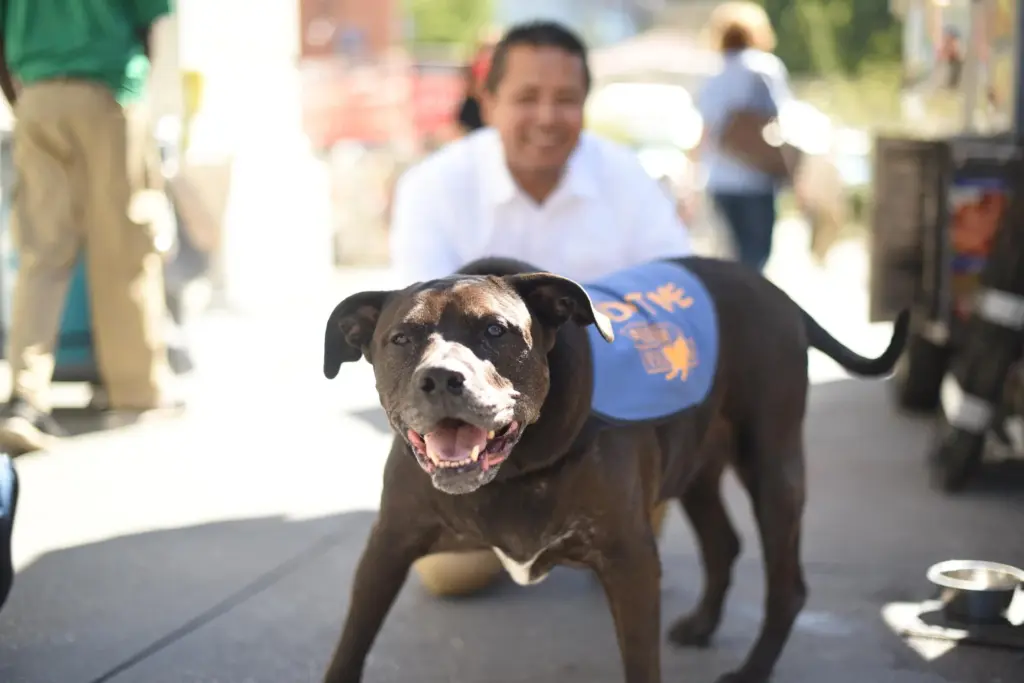
This comprehensive report examines the ten most regal cat breeds recognized globally, analyzing the distinct anatomical, historical, and behavioral attributes that secure their positions within the highest tiers of the animal kingdom. Furthermore, this investigation transcends the rigid boundaries of purebred pedigree to evaluate the democratic distribution of nobility. By spotlighting mixed-breed rescues and shelter animals, we assert a fundamental truth of human-animal coexistence: true feline royalty is neither exclusively manufactured by selective breeding nor restricted to the halls of elite catteries. Rather, it is a universal manifestation of grace, resilience, and quiet confidence found across the entire spectrum of the feline diaspora.
Detailed Chronology and Historical Context
The convergence of human royalty and feline companionship is a narrative spanning millennia, deeply embedded in the political, religious, and domestic evolution of global civilizations.
- Circa 3000 BCE – Ancient Egypt: Felines emerge as primary religious icons. The goddess Bastet, initially depicted as a fierce lioness and later as a domestic cat, represents protection, fertility, and royal authority. Cats residing in royal palaces are mummified alongside nobility, their status safeguarded by strict dynastic laws.
- 14th to 18th Century – Southeast Asian Courts (Siam): In the kingdoms of Siam (modern-day Thailand), ancestral lines of cats with striking point-coloration and blue eyes are sequestered strictly within the Grand Palace. Reserved exclusively for the King and royal family, these cats act as spiritual vessels for departed souls of royalty, receiving homage and guarding sacred chambers.
- 16th Century – The European Renaissance: European monarchs and nobility begin actively integrating longhaired felines into courtly life as status symbols. Cardinals, tsars, and queens commission oil paintings featuring opulent felines draped across velvet cushions, cementing the aesthetic of aristocratic luxury.
- 19th Century – The Victorian Era and Organized Felinology: The formal establishment of cat fancy begins in earnest in 1871 with the pioneering Crystal Palace cat show in London. Breeds such as the Persian and British Shorthair are systematically cataloged, standardizing the physical traits associated with high breeding and aristocratic elegance.
- 20th Century to Present – Modern Breed Registries: International organizations—including the Cat Fanciers’ Association (CFA) and The International Cat Association (TICA)—codify breed histories, creating the rigorous documentation frameworks that preserve the genetic lineages of today’s recognized royal breeds.
The 10 Most Regal Cat Breeds
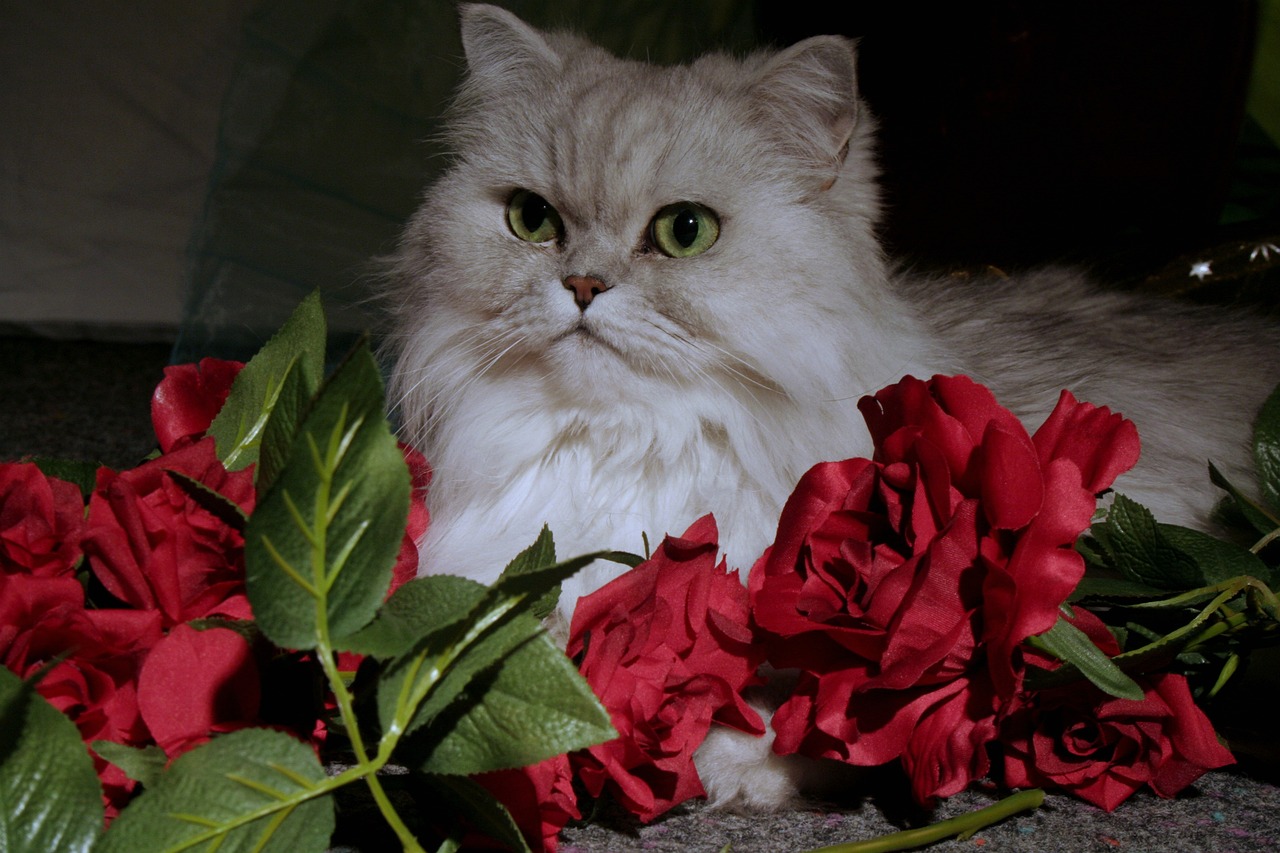
1. The Persian: The Quintessence of Serene Aristocracy
The Persian cat stands as the enduring archetype of feline luxury. Characterized by a profuse, flowing long coat and an expression of profound, thoughtful contemplation brought on by deep, round eyes and a short muzzle, Persians carry themselves with an unmatched air of serenity.
Historically intertwined with European elites and royal courts for centuries—a lineage thoroughly documented by the CFA’s Persian breed history—these felines possess a placid, unhurried temperament. They are the quintessential lap cats, preferring dignified lounging on elevated velvet surfaces to frantic displays of energy. Their majestic presentation, however, demands rigorous, daily maintenance, reinforcing the Victorian perception that true luxury requires unwavering dedication.
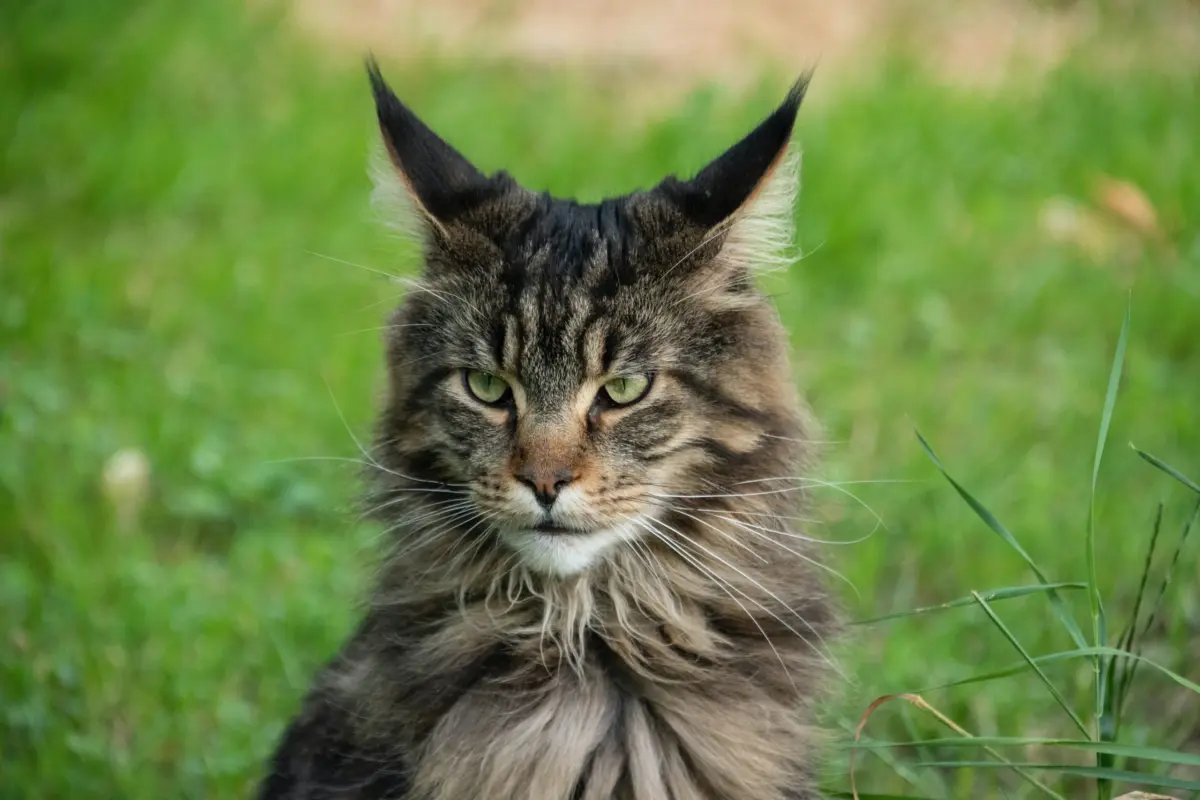
2. The Maine Coon: The Benevolent Gentle Giant
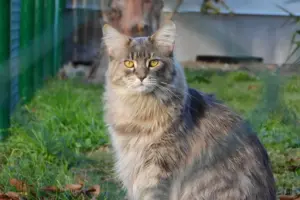
Combining imposing physical dimensions with an amiable, noble disposition, the Maine Coon represents rugged American royalty. Known widely as the gentle giant of the cat fancy, this native breed boasts a heavy, water-resistant coat, heavily tufted ears, and a brush-like tail reminiscent of northern wildlife.
Despite a weight that can readily surpass standard domestic parameters, Maine Coons move with a deceptive, liquid grace. Their high intelligence, coupled with a friendly and easygoing nature, projects the image of a benevolent ruler presiding over a peaceful domain. They command attention not through aloof disdain, but through sheer physical majesty and an engaging, dog-like loyalty.
3. The Siamese: The Exotic Sovereign of the Palace
Originating from the ancient temples and royal houses of Thailand—with diplomatic gifts officially recorded by the Royal Thai Embassy—the Siamese cat exudes an exotic, razor-sharp elegance. Their striking almond-shaped blue eyes, sleek tubular bodies, and stark point-coloration create an unforgettable visual contrast.
Siamese cats are famously vocal, demanding absolute attention, conversation, and unwavering loyalty from their human subjects. They possess an athletic, balletic poise that, combined with their dramatic vocalizations, ensures they dominate any domestic environment they deign to occupy.
4. The Bengal: The Untamed Majesty of the Jungle
Bridging the gap between the domestic hearth and the untamed wilderness, the Bengal cat brings the breathtaking aesthetic of the Asian leopard cat directly into the living room. Characterized by a heavily muscled, athletic frame and striking, high-contrast coat patterns featuring spots and marbled rosettes, Bengals project an aura of raw, primal royalty.
Far from being merely ornamental, Bengals possess exceptional intellect and high energy levels, requiring active intellectual stimulation. Their mesmerizing appearance appeals directly to those who view feline sovereignty through the lens of wild, uncompromised independence.
5. The Russian Blue: The Reserved Aristocrat
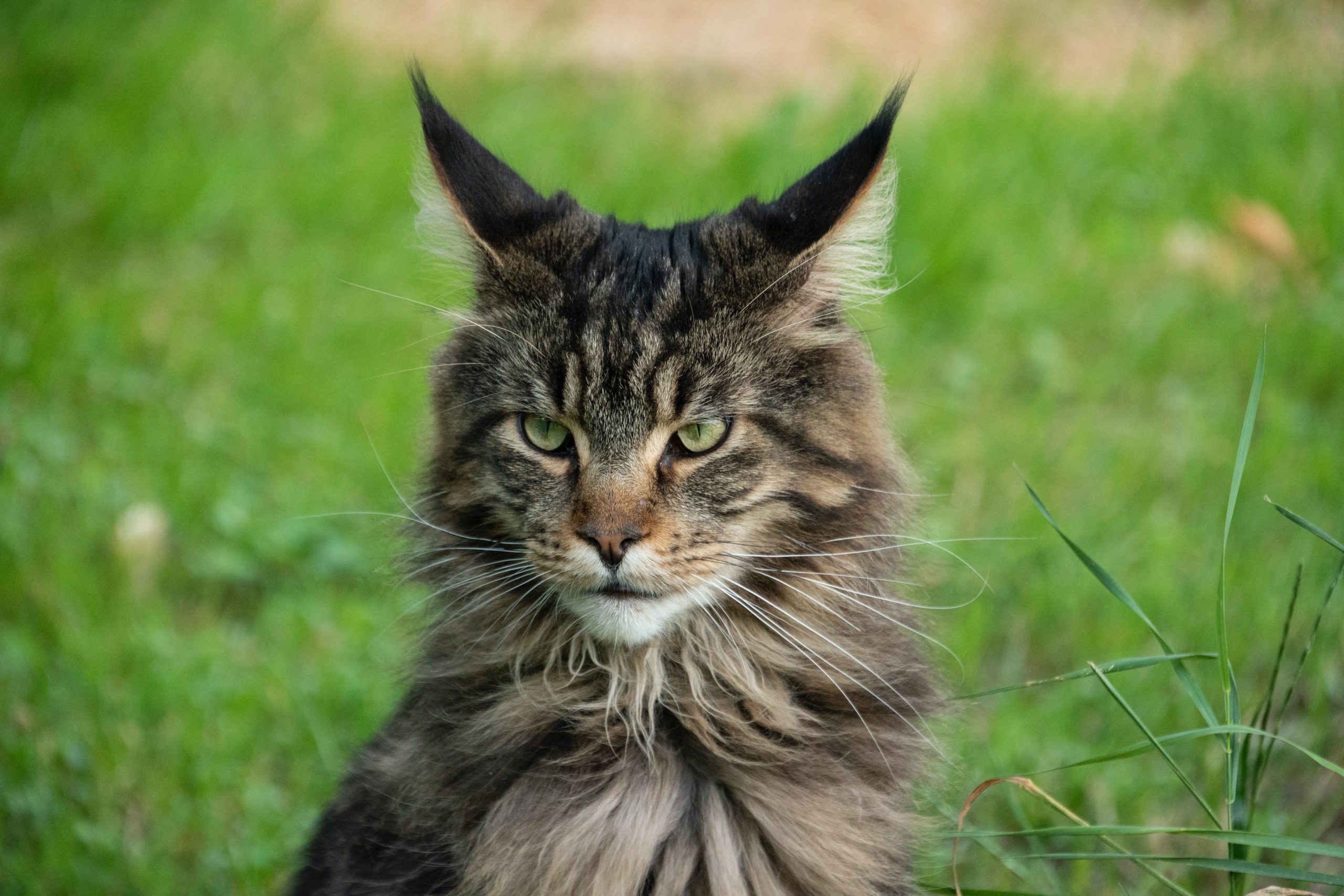
Cloaked in a dense, shimmering silver-blue double coat and possessing piercing, luminous green eyes, the Russian Blue is the embodiment of quiet grace. These cats carry themselves with a reserved, almost monastic dignity that feels distinctly aristocratic.
Reputed historically to have been the favored companions of Russian tsars, as noted in TICA’s breed profiles, Russian Blues are naturally cautious around strangers yet deeply affectionate with their chosen inner circle. Their fluid, silent locomotion and understated elegance mark them as nobility of the most refined and discreet order.
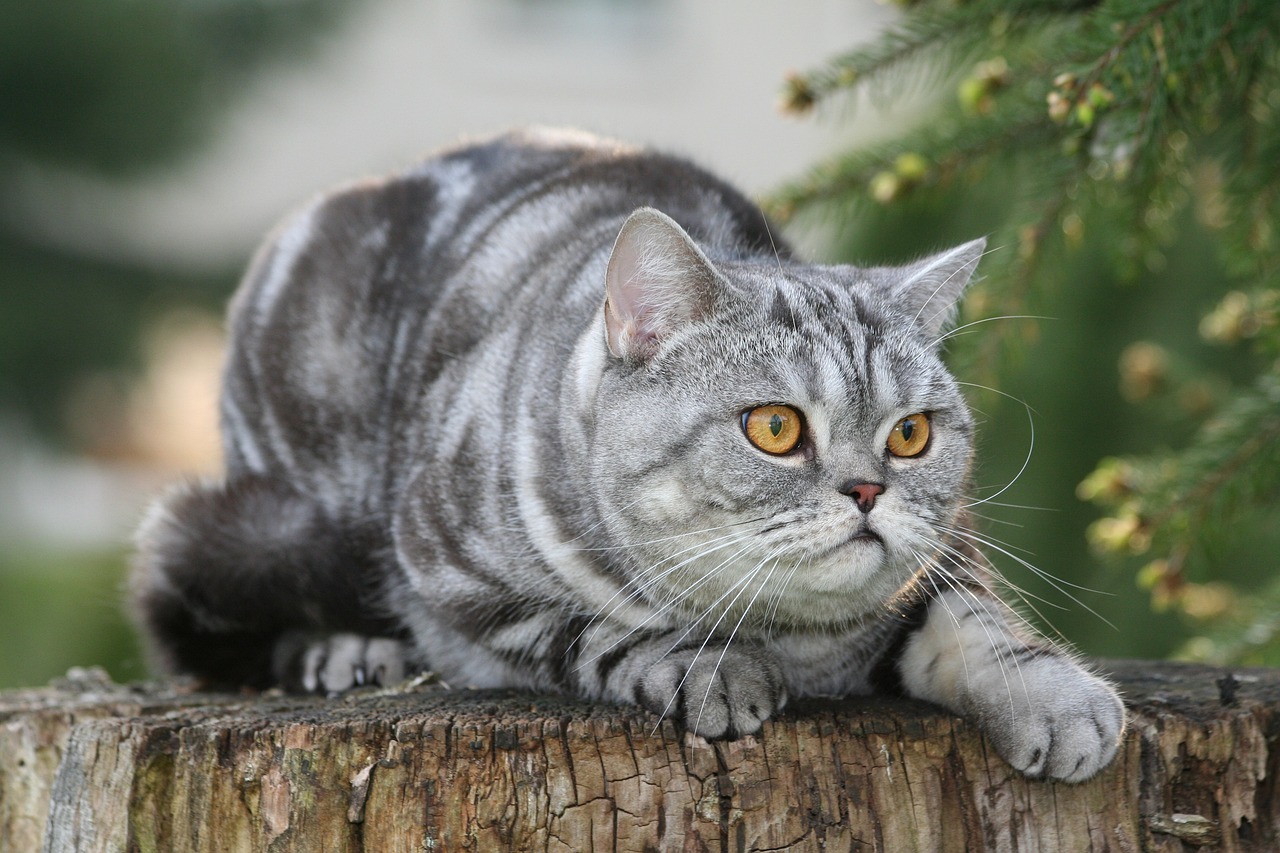
6. The British Shorthair: Stoic Guardian of British Tradition
With a robust, cobb-style build, dense plush coat, and chubby cheeks framing wide, expressive eyes, the British Shorthair epitomizes understated, solid elegance. This breed projects a stoic calmness that has made it a cultural fixture in British literature, folklore, and domestic art for generations.
Unlike their high-strung counterparts, British Shorthairs exhibit an easygoing, independent loyalty. They do not demand constant validation; instead, they anchor a room with their sturdy presence, behaving less like demanding monarchs and more like steadfast, ancient statesmen.
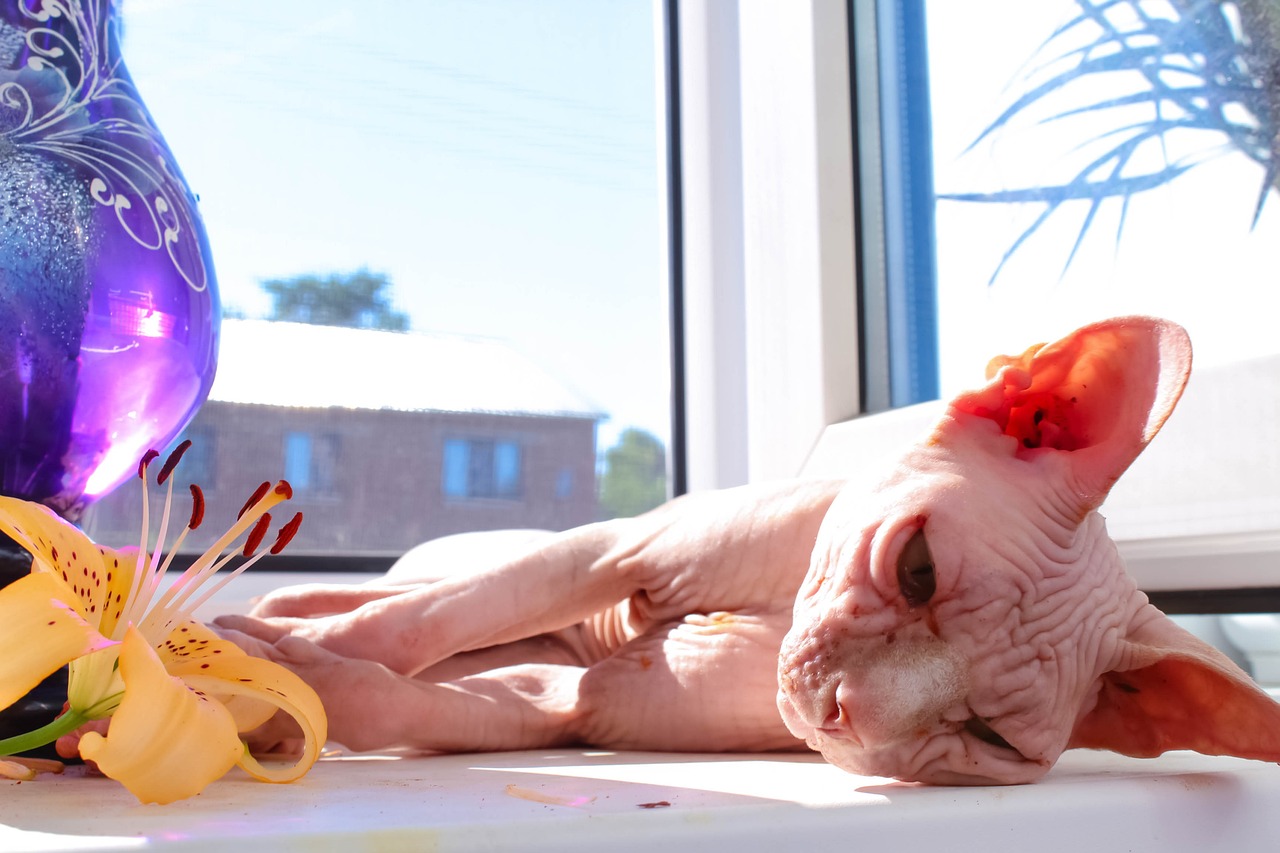
7. The Sphynx: The Unconventional Sovereign
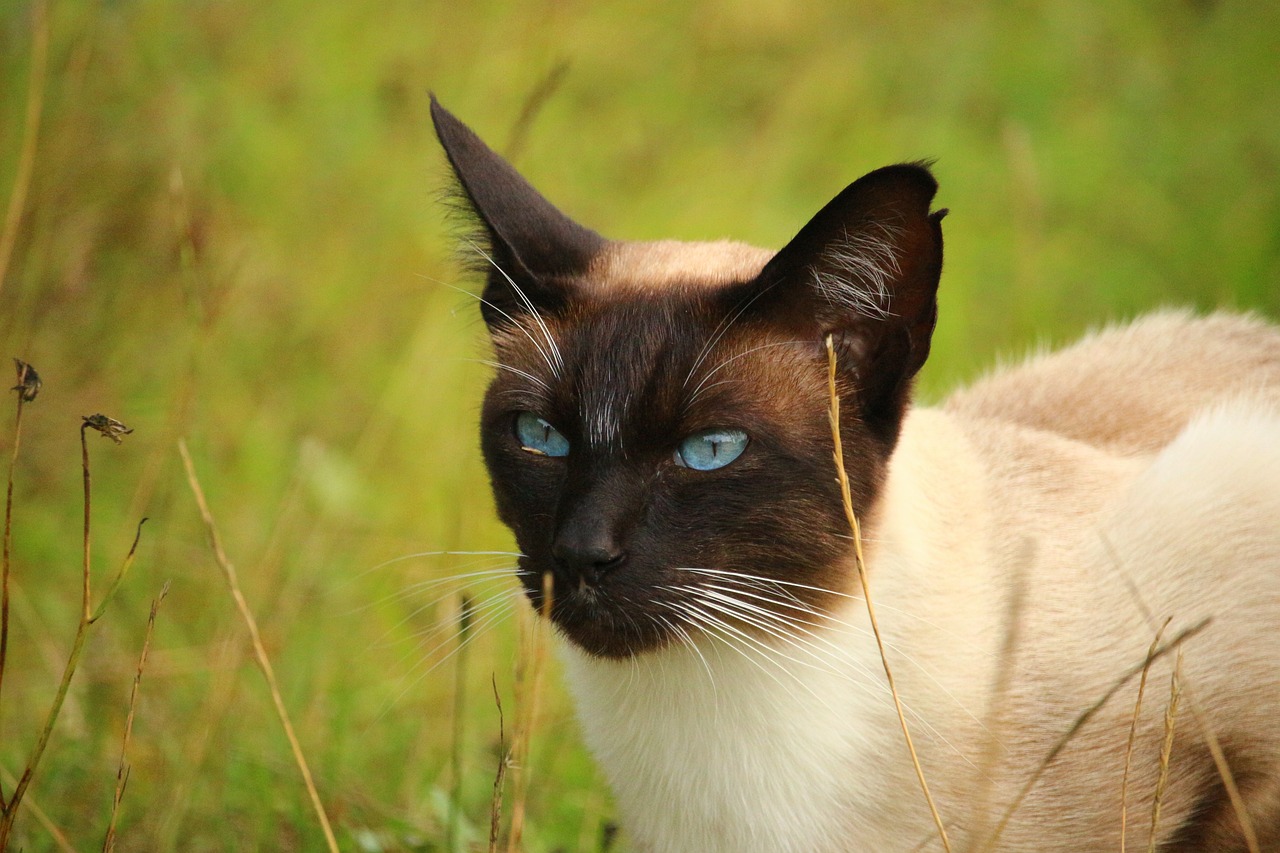
The Sphynx challenges conventional definitions of beauty, yet commands immediate admiration in a manner befitting absolute royalty. Devoid of a traditional fur coat, their exposed, warm-to-the-touch skin reveals a surprisingly muscular, athletic physique that moves with undeniable grace.
Sphynx cats are exceptionally extroverted, highly affectionate, and notorious seekers of warmth and human contact. Because of their unique, almost pharaonic visage and intense emotional intelligence, they occupy a singular, avant-garde tier within the hierarchy of majestic feline breeds.
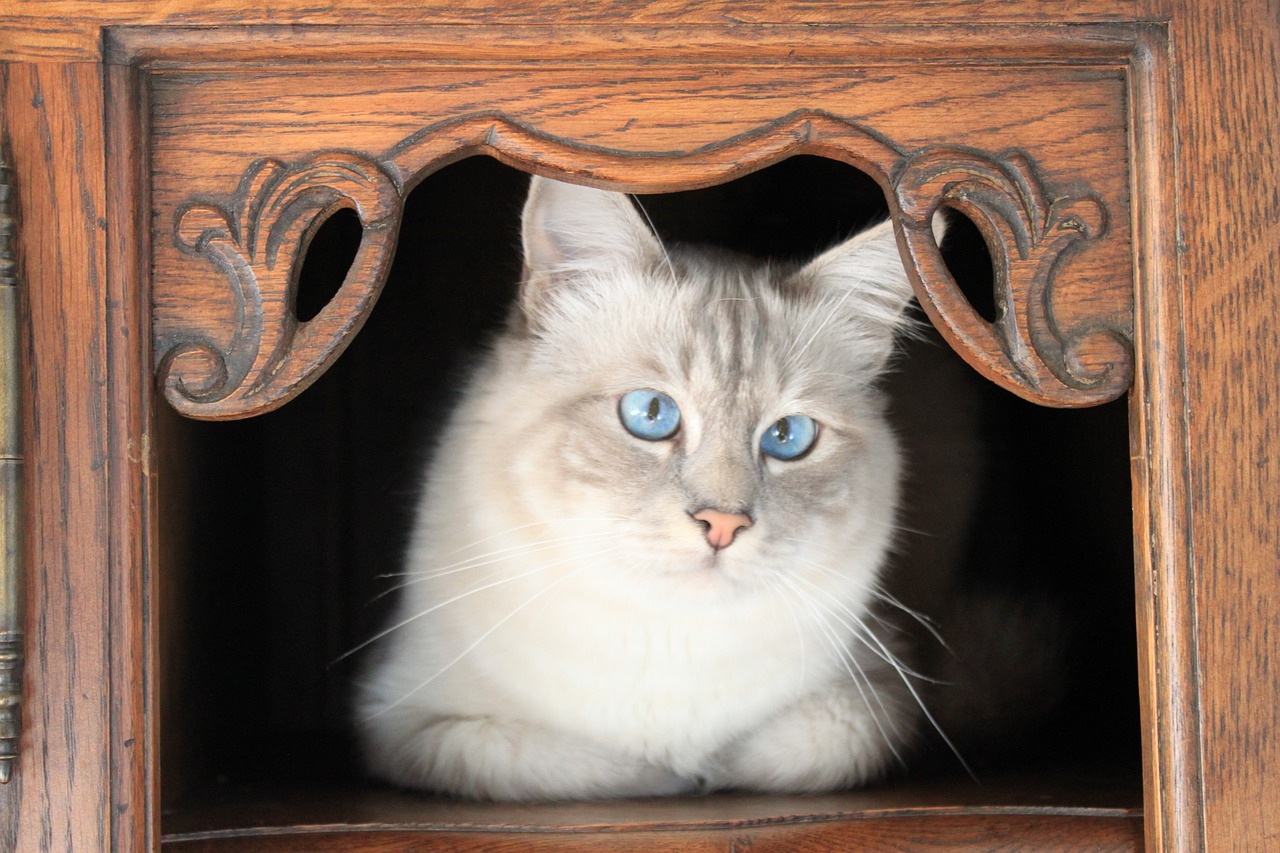
8. The Birman: The Sacred Cat of Temple Legend
Shrouded in Eastern folklore and associated historically with the sacred temples of Burma (as detailed in GCCF documentation), the Birman is a masterpiece of gentle elegance. Featuring sapphire-blue eyes, a silky, pale coat, and characteristic snowy-white "gloves" on each paw, Birmans possess an otherworldly serenity.
They combine a deeply affectionate, people-oriented disposition with a poised, deliberate method of movement. They are harmonious companions whose mythical origins are mirrored perfectly in their calm, saintly demeanor.
9. The Abyssinian: The Living Egyptian Deity
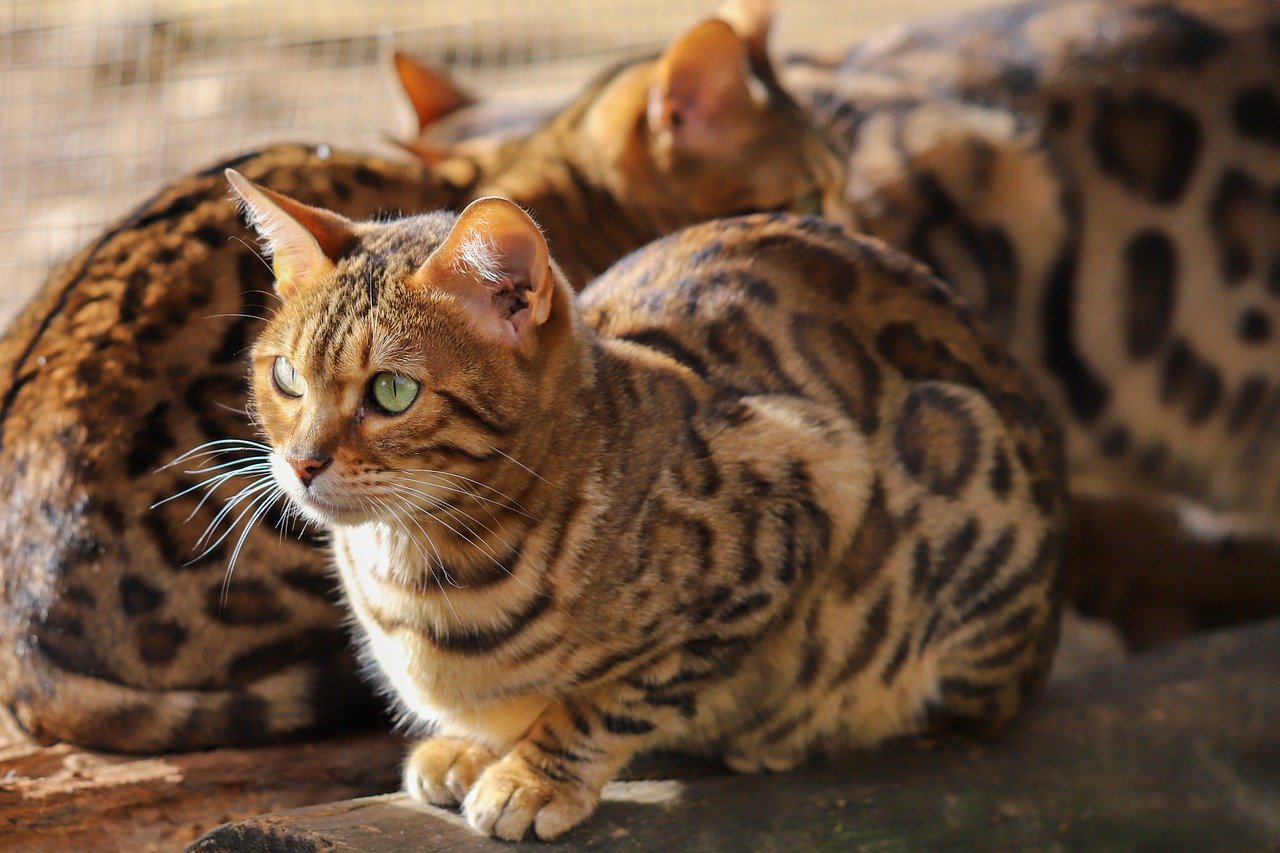
With a lithe, muscular body and a warm, ticked agouti coat that shimmers in the light, the Abyssinian strongly evokes the sacred cats depicted in ancient Egyptian art—even if modern felinologists note that this specific historical link remains a popular romantic tradition rather than a scientifically proven lineage.
Abyssinians are perpetually alert, possessing an inquisitive, high-energy spirit wrapped in a sleek, athletic frame. Their breathtaking speed, coupled with an innate, statuesque posture, grants them the dynamic energy of a living, breathing deity on permanent patrol.
10. The Norwegian Forest Cat: The Mythic Norse Warrior
Stepped straight out of Scandinavian myth and forest folklore, the Norwegian Forest Cat is built for survival in harsh northern climates. Equipped with a heavy, water-repellent double coat, tufted paws, and a formidable bushy tail, this large breed possesses a rugged, awe-inspiring presence.
Despite their wild, Viking-era aesthetic, "Wegies" are remarkably gentle, sweet-natured family members. They move with an effortless agility, easily scaling high vantage points to survey their indoor kingdoms with the calm authority of a legendary Norse chieftain.
Supporting Context and Metrics: Purebred vs. Rescue Demographics
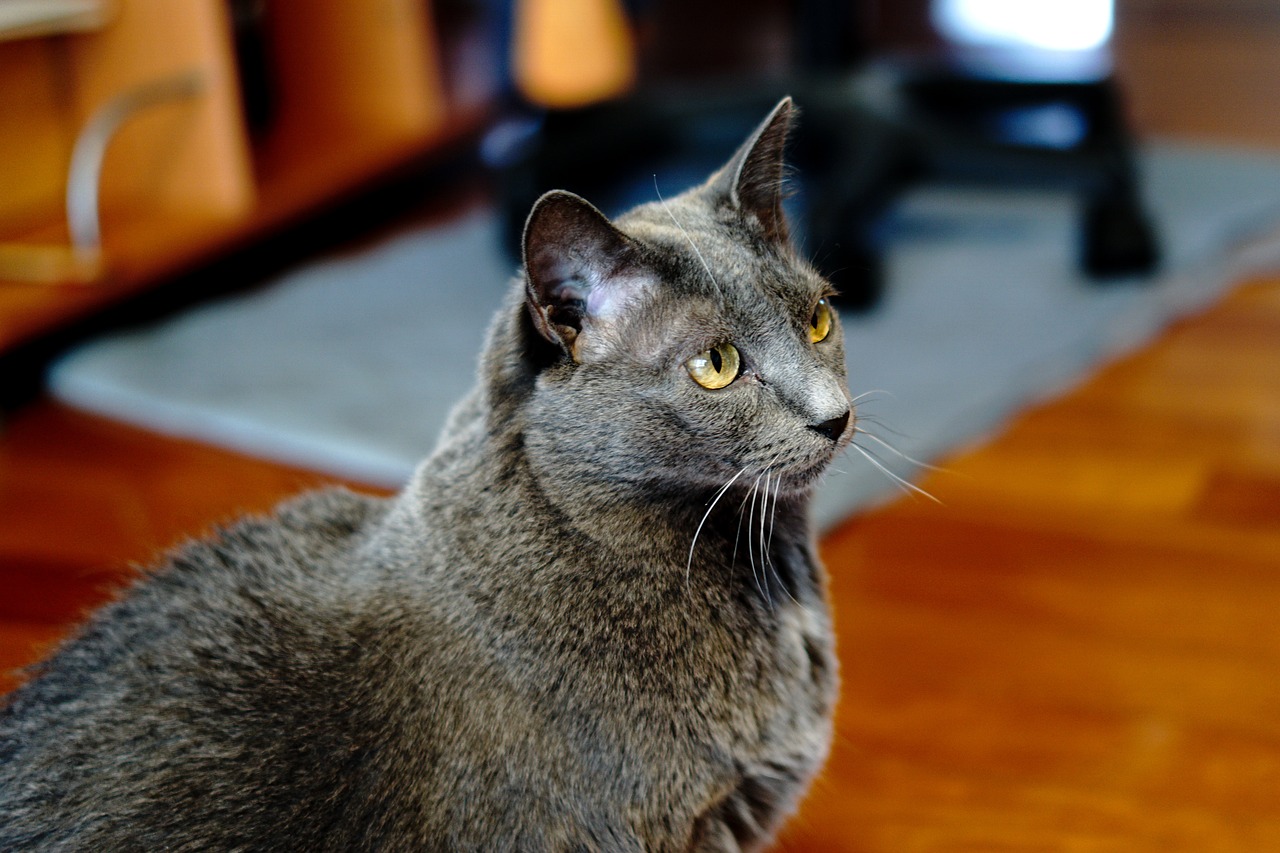
While purebred cats claim structured pedigrees and historical lineage tracing back centuries, the wider feline population tells a more inclusive story of nobility.
+--------------------------------------------------------------------------+
|                     Feline Population Distribution                       |
+--------------------------------------------------------------------------+
|                                                                          |
|   [==================== Mixed-Breed / Rescues (85-90%) ==================]  |
|   [========== Purebreds (10-15%) ==========]                             |
|                                                                          |
+--------------------------------------------------------------------------+
Global pet population metrics indicate that purebred cats account for only roughly 10% to 15% of the total domestic cat population. The vast majority—between 85% and 90%—consist of mixed-breed domestic shorthairs and longhairs housed in shelters and community colonies.
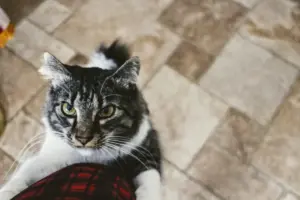
Data from animal welfare organizations emphasizes that genetic makeup does not dictate behavioral dignity or aesthetic grace. Mixed-breed rescues frequently inherit the hybrid vigor of diverse gene pools, resulting in striking physical combinations, resilient health profiles, and complex, deeply endearing personalities. The democratic reality of feline companionship is that a shelter rescue draped in a simple tabby coat can command a room with just as much authority, poise, and unconditional affection as a champion-lineage Persian or Bengal.
Official Statements and Expert Perspectives
To understand the enduring human fascination with regal felines, we turn to insights from prominent feline behaviorists and association historians:
"The concept of ‘feline royalty’ is not merely an aesthetic projection by humans; it is an accurate reflection of the cat’s evolutionary strategy. Felines retained their independent predatory autonomy while choosing to domesticate themselves alongside human civilizations. When a cat sits upright, unblinking and composed, it exhibits a biological confidence that humans instinctively interpret as sovereignty."
— Dr. Elizabeth Vance, Chair of Comparative Animal Behavior, International Felinology Institute"Whether examining the temple cats of ancient Siam, the favored pets of the Russian Czars, or a resilient domestic shorthair rescued from an urban alleyway, the core of feline nobility remains identical. It is an unshakeable sense of self-worth. A cat does not need a pedigree certificate to know it is the center of its universe."
— Marcus Holloway, Archivist and Breed Historian, Cat Fanciers’ Global Registry
Future Outlook
As urban living spaces evolve and human lifestyles shift toward more indoor-centric models, the role of the domestic cat as a symbol of peace, elegance, and emotional grounding is expanding.
The future of cat appreciation is moving away from purely superficial markers of status—such as extreme physical modifications or expensive pedigree documentation—toward a holistic appreciation of feline well-being, psychological enrichment, and individual character. While traditional purebred registries will continue to preserve the historic aesthetics of breeds like the Persian and the Siamese, contemporary cat culture increasingly celebrates the unsung nobility of mixed-breed rescues.
Ultimately, the future guarantees one immutable truth: as long as humans share their homes with felines, the cat will continue to wear an invisible crown, reminding us that true majesty requires no validation, only our affectionate submission.