
Executive Overview
Long before the advent of agriculture, the establishment of permanent settlements, or the written word, humanity forged its most consequential alliance. From the freezing, oxygen-depleted expanses of the Tibetan Plateau to the humid, dense canopies of South American rainforests, dogs (Canis lupus familiaris) have accompanied humans to every corner of the globe. Far from being a simple tale of human mastery over wild beasts, recent archaeological, genetic, and ethnographic research reveals a far more nuanced narrative: a profound, reciprocal co-evolutionary journey spanning at least 15,000 years.
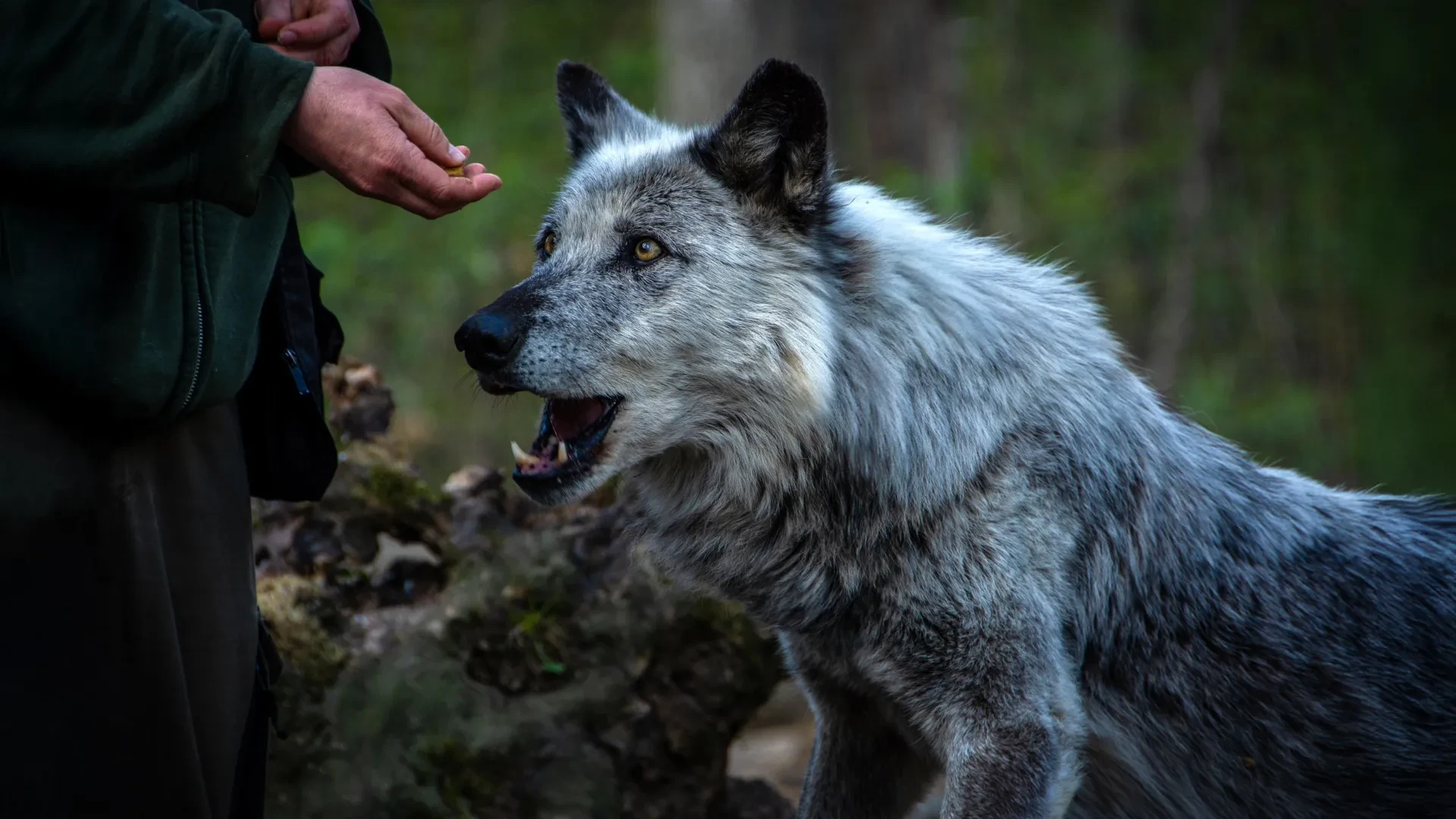
In his groundbreaking new book, First Dogs: Hunter-Gatherers and their Canine Companions from Prehistory to the Present (Routledge), archaeologist Professor Peter Mitchell challenges the conventional paradigm of canine domestication. Rather than a unilateral human endeavor of subjugating wolves, Mitchell and a growing body of researchers posit that people and proto-dogs entered their relationship as relatively equal participants. Hunter-gatherer communities acted as the primary architects of this alliance, cultivating a dynamic where both species adapted physiologically, behaviorally, and genetically to one another.
Today, the global canine population reflects this deep history of divergence and adaptation. Ranging from micro-chihuahuas capable of fitting inside a handbag to towering Great Danes that rival human children in height, modern dogs are the physical embodiment of millennia of localized selection. However, beneath the modern veneer of pedigree breeds and household pets lies a complex evolutionary history shaped by extreme environments, cultural traditions, infectious diseases, and an enduring biological partnership that fundamentally altered the trajectory of both species.
Detailed Chronology: The Deep History of Human-Canine Co-Evolution
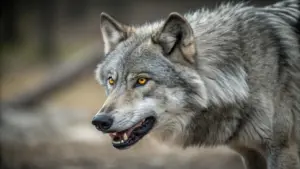
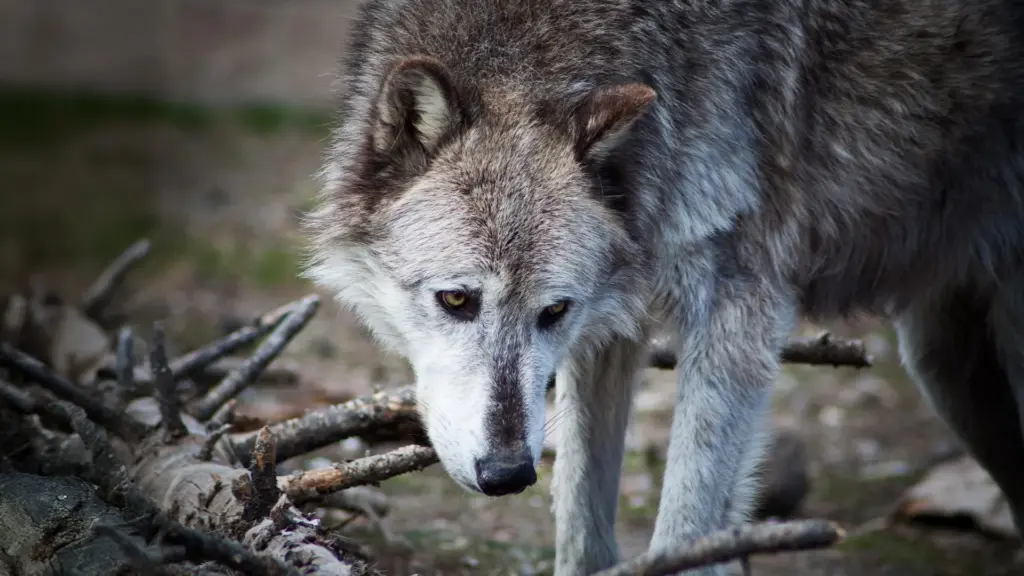
To understand how the grey wolf (Canis lupus) transformed into "man’s best friend," scientists must look far beyond written history, piecing together a timeline from archaeological middens, ancient DNA, and paleo-environmental data.
Phase 1: The Pre-Domestication Partnership (Pre-15,000 Years Ago)
The divergence of dogs from an extinct wolf lineage did not occur overnight, nor can it be pinpointed to a single geographic origin or historical epoch. Genetic evidence suggests that the split between ancient canids and modern wolves began well before the end of the Pleistocene. As human hunter-gatherer populations expanded across the Eurasian landmass, human camps naturally generated high-value, calorie-dense resources—specifically, organic waste and leftover carcasses.
Bolder, more opportunistic wolves that tolerated human proximity gained a distinct survival advantage over their wary pack-mates. Conversely, humans likely benefited from early wolf-dogs acting as an early-warning alarm system against dangerous megafauna and rival human groups. This mutually beneficial proximity laid the foundational groundwork for a biological symbiosis long before humans ever penned livestock or domesticated cereal crops.
Phase 2: The Ice Age Integration (14,000 to 10,000 Years Ago)
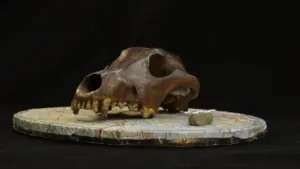
By 14,000 years ago, the integration of canids into human society was well underway. Archaeologists have uncovered definitive evidence of dogs buried alongside humans in ancient graves dating back this far, signaling that these animals were not merely utilitarian tools, but valued companions holding profound social and emotional weight.
During the harsh conditions of the Late Glacial Maximum, dogs accompanied human groups into increasingly marginal landscapes. Their heightened senses of smell and hearing, combined with raw running speed, made them exceptional hunting partners. Stable isotope analyses of ancient canine and human bones from this era reveal strikingly similar diets, particularly in coastal and riverine regions where both species relied heavily on marine and freshwater resources, eating from the same communal pool.
Phase 3: Regional Diversification and Ecological Specialization (10,000 to 500 Years Ago)
As human societies diversified in response to post-glacial warming, regional landscapes, and cultural innovations, dogs underwent rapid morphological and genetic divergence. In the extreme cold of the Arctic, Indigenous communities engineered sophisticated survival cultures anchored by canine sledding. Archaeological remains from northern sites reveal distinct skeletal pathologies—specifically, heavy stress patterns in the vertebrae and robust limb bones—testifying to generations of heavy pulling loads across frozen terrains.
Simultaneously, in the tropical latitudes of South and Southeast Asia, dogs evolved along a vastly different trajectory. Eschewing heavy coats and massive frames, tropical hunting dogs became smaller, leaner, and exceptionally agile, optimized for navigating dense undergrowth and trailing fast-moving prey. In other cultural contexts, such as the Pacific Northwest of North America, selective breeding took entirely unique paths; certain Indigenous groups bred small, woolly dogs specifically for their hair, shearing them like sheep to produce fibers for sacred ceremonial blankets.
Phase 4: Colonial Disruption and Modern Standardization (Past 500 Years)
The final chapter of canine history has been heavily influenced by modern human dominance. During the eras of global exploration and colonial expansion, European dog breeds were systematically introduced across the globe, frequently displacing or diluting ancient, localized dog lineages. Modern dog breeding practices over the last two centuries shifted the primary selection pressure from natural environmental utility to aesthetic conformity and specialized working tasks, producing the hundreds of distinct breeds recognized today. Yet, despite this homogenization, deep genetic signatures of ancient, pre-colonial dog populations persist in pockets around the world, whispering of a far richer and more varied evolutionary past.
Supporting Context & Metrics: Environmental Pressures, Genetics, and Disease
The extraordinary physical and behavioral plasticity of the dog is a testament to the power of targeted selection and environmental adaptation. However, human culture and harsh biology were not the only architects of canine evolution; microscopic pathogens played an equally decisive role.
The Hypoxia Riddle of the Tibetan Plateau
One of the most compelling pieces of recent evolutionary evidence comes from high-altitude regions like the Tibetan Plateau. Life at extreme elevations exposes both humans and animals to severe hypoxia—oxygen-poor conditions that cause physiological stress, impaired reproduction, and developmental delays.
Remarkably, genomic studies have revealed that Tibetan dogs and the human populations inhabiting the same regions developed strikingly similar genetic adaptations to cope with low oxygen levels. These specific genetic variants allow Tibetan dogs to thrive where lowland breeds quickly falter.
"We do not know when dogs first joined them," notes Professor Peter Mitchell, "and the genetic variants needed to thrive there may have been quickly acquired, but until that was achieved hypoxia presumably acted as a constraint on canine presence."
Vector-Borne Disease as an Evolutionary Barrier
While temperature, terrain, and prey availability largely dictated where specialized dogs could succeed, disease acted as a powerful geographical gatekeeper. Researchers increasingly recognize that vector-borne pathogens severely limited the historic spread of canine populations.
In sub-Saharan Africa, for instance, debilitating diseases such as trypanosomiasis (transmitted by tsetse flies) and ehrlichiosis posed lethal threats to incoming canids. Because dogs originated as a temperate-to-Arctic northern hemisphere species, their immunological naivety to tropical parasites helps explain why they arrived in certain southern latitudes relatively late, or why they remained far less densely populated there compared to temperate zones. Disease thus added a stringent biological filter to the global map of canine expansion.
Official Statements & Expert Insights
To contextualize the paradigm shift in how anthropologists view canine domestication, scholars emphasize the bi-directional nature of the human-dog relationship. The old narrative of the passive wolf captured and reshaped by an all-powerful human creator has been thoroughly dismantled.
Reflecting on the complex, protracted nature of domestication, Professor Peter Mitchell offers a vital reinterpretation:
"The process whereby grey wolves became dogs is ongoing, not one marked by a single threshold event. It was likely both long and drawn out."
Mitchell highlights that the relationship was fundamentally cooperative from its inception, noting that hunter-gatherer societies relied heavily on the ecological intelligence and physical capabilities of their canine partners.
"The connections between dogs on the one paw and people dependent on wild plant and animal resources on the other are ancient, diverse, and profound," Mitchell explains. "The relationship thus constructed has been a joint effort, if one where, especially in the West and over recent centuries, humans have increasingly come to dominate in determining its shape and direction. Nevertheless, the way dogs and humans relate—and have related—to each other has value precisely because of their mutual, complex entwinement with each other."
This perspective is echoed by contemporary paleo-biologists who study ancient DNA. The dialogue between human culture and canine biology was never a monologue. As humans shaped the ecological niches of dogs through hunting practices, settlement patterns, and dietary choices, dogs simultaneously shaped human survival strategies, opening up harsh ecological zones—such as the high Arctic and the deep taiga—that would have been nearly impassable for humans alone.
Future Outlook: What Lies Ahead for Canine Research
As archaeological science marches forward, the study of human-canine co-evolution stands on the threshold of major technological breakthroughs. The integration of ancient proteomics (the study of ancient proteins), refined stable isotope tracking, and high-coverage paleogenomics promises to uncover even finer details about the daily lives, diets, and migrations of early dogs.
1. Unlocking the Micro-History of Ancient Lineages
Future excavations will increasingly utilize environmental DNA (eDNA) and advanced bone chemistry to map out localized dog populations that vanished during the colonial era. By recovering genomic data from poorly preserved sub-fossil remains, researchers hope to map the precise migratory routes taken by prehistoric dogs as they traversed continents alongside human diaspora groups.
2. Rethinking Animal Agency in Archaeology
The growing recognition of dogs as active participants in human history signals a broader philosophical shift within the archaeological discipline. Moving beyond human-centric frameworks, future historical and anthropological models will increasingly account for the agency of non-human animals in shaping civilizations, trade networks, and subsistence economies.
3. Conservation and Modern Preservation
Understanding the deep evolutionary heritage of regional dog populations also carries modern conservation implications. As native and village dog populations around the world face genetic swamping from imported modern breeds, preserving the unique genetic adaptations of Indigenous landrace dogs becomes an urgent priority. These populations represent living genetic archives shaped by thousands of years of localized natural and cultural selection.
Ultimately, the story of the dog is the story of humanity itself. Without the canine companion running by our side through the Pleistocene snows, tracking game through the tropical thickets, and guarding our ancestral hearths, human history would look radically different. As science continues to peel back the layers of our shared past, one immutable truth remains: we made dogs, but just as surely, dogs made us.