
Executive Overview
As the sweltering Florida summer draws to a close, so too does a rigorous, months-long field season for the dedicated scientists at the Audubon Everglades Research Station (AERS). Traversing the maze of mangrove islands and brackish waterways that define Florida Bay, the AERS research team has officially recorded an astounding 3,000 active wading bird nests for the season. This milestone represents the culmination of a continuous, high-stakes monitoring effort that began nearly a year prior, tracking the delicate reproductive cycles of some of North America’s most iconic and vulnerable avian species.
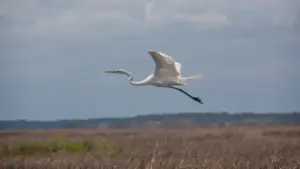
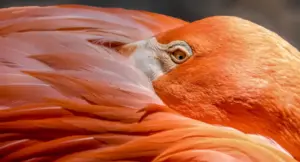
The annual census is far more than a simple head count; it serves as a critical diagnostic tool for measuring the ecological health of the broader Greater Everglades ecosystem. Wading birds—ranging from the flamboyant Roseate Spoonbill to the elusive Reddish Egret and various members of the Egretta genus—act as biological barometers. Their nesting success, population shifts, and habitat choices provide scientists, conservationists, and water-management policy makers with direct feedback on how the landscape is responding to climatic pressures, seasonal weather patterns, and multi-billion-dollar ecological restoration initiatives.
When wading birds successfully court, mate, and raise their young, it signals that hydrological conditions are functioning as intended: water levels are optimal, and fish populations—the foundational prey base for these avian predators—are sufficiently abundant. Conversely, reproductive failures can offer early warnings of ecological distress, pointing to disrupted water flows, pollution, or the compounding impacts of a changing climate. By meticulously documenting every nest across dozens of remote islands, the AERS team continues to build the historical datasets essential for steering South Florida toward a more resilient, ecologically balanced future.
Detailed Chronology of the Field Season
The rhythm of the Everglades nesting season dictates an unrelenting schedule for the AERS field staff. Far from a seasonal summer project, the monitoring cycle is a year-round commitment that demands immense physical endurance, specialized navigation skills, and deep ecological expertise.
Autumn Genesis: The Early Harbingers
The field season officially kicks off in November, a time when most of North America is bracing for winter, but subtropical South Florida is just beginning its dry-season transition. The earliest chapters of the annual nesting story are written by two specialized species: the Roseate Spoonbill (Platalea ajaja) and the Reddish Egret (Egretta rufescens). These early nesters require precise environmental cues and stable conditions to establish their colonies.
AERS researchers take to the water as soon as these initial nests appear, mapping locations, monitoring courtship displays, and establishing baseline data for the months ahead. Tracking these early pioneers is vital because any localized disruptions during this foundational phase—such as unseasonal heavy rains or sudden drops in water levels—can prematurely derail a colony before the peak summer season even begins.
The Summer Peak and Island-Hopping Logistics
While November marks the prologue, the heart of the season beats during the sweltering heat of May, June, and July. This period coincides with the nesting peaks of several other native wading bird species, creating a logistical whirlwind for the research crew.
To capture accurate data, the AERS bird team embarks on regular expeditions by boat, navigating treacherous shallows, winding tidal creeks, and dense mazes of red and black mangroves. Their operational scope is vast: teams routinely survey two primary mainland nesting sites alongside a staggering 73 distinct islands scattered throughout Florida Bay.
Accessing these remote mangrove keys is fraught with physical challenges. Dense vegetation, biting insects, oppressive humidity, and unpredictable coastal weather make fieldwork an exhausting endeavor. Yet, the team’s persistence yields results. Out of the 73 islands surveyed this season, active waterbird nesting activity—defined by the observation of incubating adults, fresh eggs, or downy chicks—was documented at 55 distinct sites.
Comprehensive Documentation and Multi-Species Tracking
During their site visits, researchers do not limit their focus solely to primary target species. While they meticulously document the precise coordinates of every Reddish Egret and Roseate Spoonbill nest—returning as frequently as possible to track hatch rates and fledgling survival—they also cast a wider ecological net.
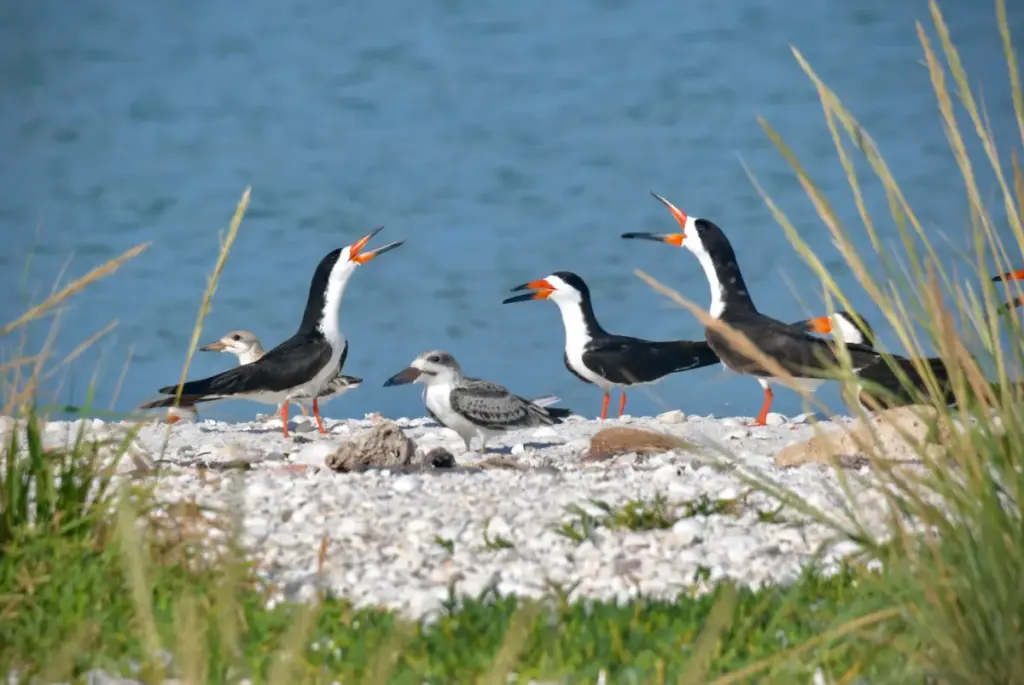
The team tallies every occupied nest belonging to a broad suite of coastal and wetland birds sharing the mangrove canopy. This comprehensive census captures data on Double-crested Cormorants, Ospreys, Bald Eagles, and Brown Pelicans, among others. By recording the presence and productivity of these diverse species, Audubon researchers gain a holistic view of Florida Bay’s biodiversity, capturing how different trophic levels and ecological niches interact within the same shared habitats.
Supporting Context & Metrics: The Numbers Behind the Nest
To fully grasp the scope of the 3,000-nest milestone, it is necessary to examine the granular data collected during the peak window between May and July. During this intensive three-month stretch, the AERS team actively monitored 1,819 individual nests belonging to priority species alone.
Species Breakdown of Priority Wading Birds
A deeper dive into the metrics reveals clear dominant species, as well as those clinging to precarious population margins:
- Tricolored Heron (Egretta tricolor): By far the most prolific breeder observed during the peak window, the Tricolored Heron accounted for a dominant 1,269 nests. Their resilience and adaptability in specific Florida Bay micro-habitats make them a major contributor to the season’s high numbers.
- Snowy Egret (Egretta thula): Claiming the second-highest tally, Snowy Egrets accounted for 472 nests. Known for their striking golden yellow feet and delicate plumes, their reproductive output is a key indicator of shallow-water prey availability.
- Reddish Egret (Egretta rufescens): As the rarest of North America’s herons, the Reddish Egret recorded 45 nests. Because of their naturally low population densities and specific reliance on open marine foraging flats, every single Reddish Egret nest is treated as a conservation victory.
- Little Blue Heron (Egretta caerulea): Rounding out the primary Egretta metrics, the team documented 33 nests. While smaller in number compared to their Tricolored and Snowy counterparts, monitoring Little Blue Herons provides crucial insights into the health of interior freshwater-to-marine ecotones.
In total, the team observed active nesting behaviors across 18 different avian species, illustrating the incredible biological richness supported by the Florida Bay ecosystem when conditions align in their favor.
The Science of Baselines and Long-Term Trends
Raw numbers, while impressive, are meaningless without historical context. This monitoring effort is conducted under the umbrella of a multi-year grant designed to examine long-term nesting trends in Florida Bay.
According to Shauna Sayers, a wading bird research specialist with Audubon, the foundational work relies on establishing a "baseline"—the average annual nest counts calculated over decades of continuous research. By comparing current seasonal metrics against this historical baseline, Audubon scientists can quickly identify anomalies. Whether a species experiences a sudden population spike or a worrying decline in a specific geographic zone, these annual counts provide the empirical evidence required to flag environmental stress long before it leads to irreversible population crashes.
Official Statements and Institutional Collaboration
Field research of this magnitude cannot be accomplished in a vacuum. It requires institutional resilience, strategic partnerships, and a passionate team on the ground.
The Human Capital of AERS
Navigating the hostile terrain of Florida Bay requires a specialized blend of grit, ecological knowledge, and technical proficiency. The AERS field crew features a multidisciplinary lineup of conservation professionals, including Research Associate Kaycee Doherty, Ecologist Suzy Roebling, Hydrologist Allie Mallouk, and Research Associate Michelle Carranza. Their daily efforts are bolstered by the veteran oversight of Senior Biologist Kaliegh Schlender and AERS Director Bryant Dossman. It is through the collective endurance of this team that data collection remains consistent, accurate, and scientifically rigorous year after year.
A Decades-Long Collaborative Framework
Audubon Florida does not operate alone in its mission to decode the Everglades. For nearly three decades, the organization has maintained a vital partnership with the South Florida Water Management District, alongside other state and federal agencies, academic institutions, and environmental NGOs.
This collaborative network conducts synchronized surveys across the entirety of South Florida, culminating in comprehensive annual reports that track wading bird populations at a regional scale. By feeding local Florida Bay nest counts into this larger data pool, Audubon scientists ensure that their on-the-water observations align with broader regional ecological patterns. Furthermore, this cooperative data-sharing provides the scientific backbone needed to hold policy makers accountable, advocate for restorative water-flow projects, and call attention to aberrant environmental trends that threaten the Everglades’ fragile recovery.
Future Outlook: What’s Good for Birds is Good for the Earth
As the AERS team transitions from active field counting to deep data analysis, the broader implications of their work stretch far beyond the borders of Florida Bay. The mission of Audubon is rooted in a simple yet profound ecological truth: birds serve as both symbols and sentinels of environmental health.
Birds as Environmental Sentinels
Avian species sit high on the food chain, making them uniquely sensitive to disruptions in their surrounding environments. When a wetland degrades, or when water management policies starve a coastal estuary of necessary freshwater flows, the birds are often the first to feel the impact through plummeting nesting success rates. Conversely, when restoration projects successfully restore natural hydrological sheets across the Everglades, birds respond rapidly by returning to historical rookeries in greater numbers.
The things that birds rely on to survive and reproduce—healthy habitats, clean air, abundant fresh water, and resilient coastlines—are precisely the same resources that human communities and native wildlife need to thrive. By monitoring the fluctuations of Tricolored Herons, Snowy Egrets, and Roseate Spoonbills, Audubon is effectively taking the temperature of the entire South Florida ecosystem.
Looking Ahead to the Next Season
With 3,000 nests recorded, the 2024 field season provides a wealth of optimistic data for conservationists, yet it also underscores the continuous vigilance required in the face of ongoing climate change and human development pressures. As sea levels rise and weather patterns grow increasingly erratic, the margin for error in Everglades restoration narrows.
The data gathered by the Audubon Everglades Research Station will soon be published in peer-reviewed networks and regional reports, shaping the ongoing dialogue surrounding the Comprehensive Everglades Restoration Plan (CERP). As long as dedicated scientists continue to brave the mosquito-laden mangrove islands of Florida Bay, humanity will have a reliable compass for measuring its environmental stewardship. In the words of the Audubon ethos, birds offer a clear reminder: "What’s good for birds is good for the Earth."