
Executive Overview
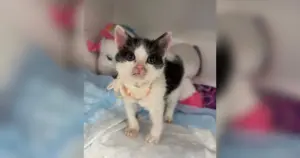
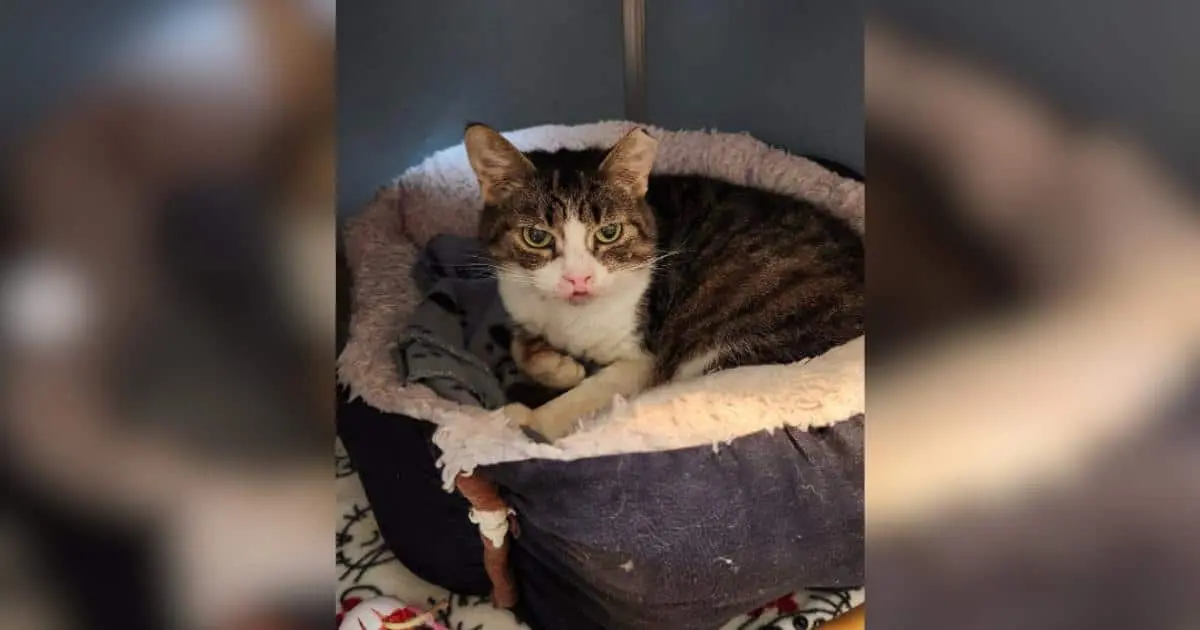
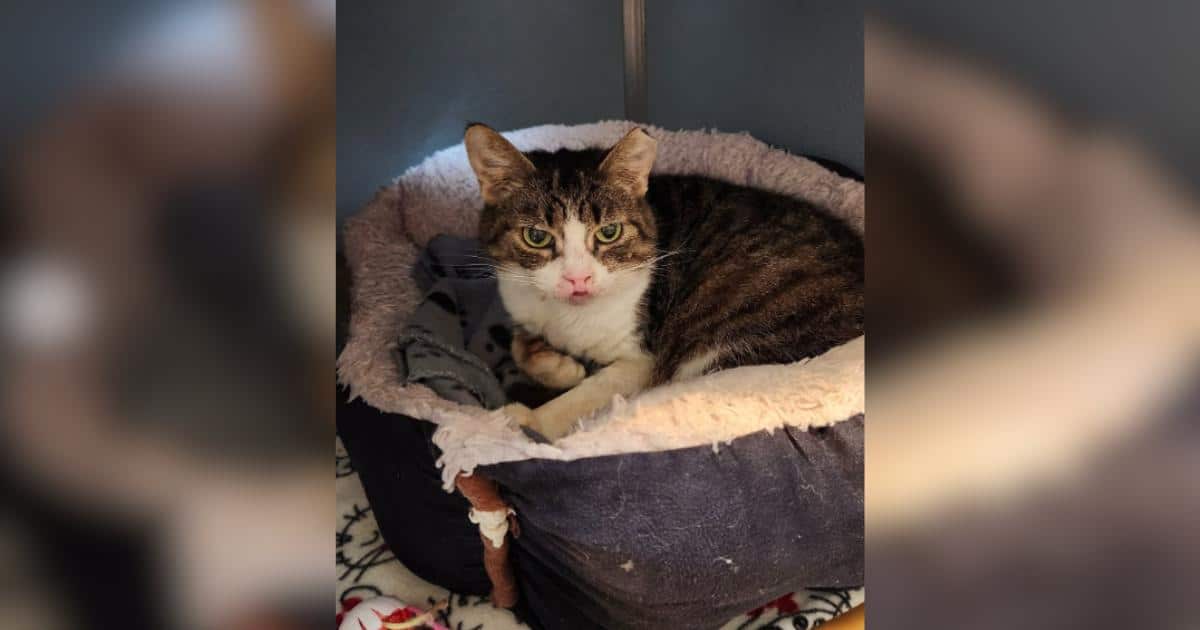
In the world of animal sheltering, first impressions can often be dangerously deceptive. When a six-year-old domestic shorthair cat arrived at the doors of the Butler County Humane Society on March 26, 2026, her distinctive, altered facial expression immediately captivated—and somewhat startled—staff members. Having spent an indeterminate period surviving as a stray, the feline presented with an asymmetrical, pronounced mouth structure that prompted her finder to dub her the "Zombie Cat."
However, beneath the dramatic moniker and the striking exterior lay a much simpler, yet poignant, reality: Liv was not a creature of the undead, nor was she inherently temperamental. She was a vulnerable animal suffering from a painful, non-contagious medical condition known as a rodent ulcer, navigating the overwhelming stress of transition from a harsh street life to a controlled shelter environment.
This in-depth investigative report examines Liv’s journey from a misunderstood stray to an affectionate shelter resident. It explores the physiological realities of feline eosinophilic granuloma complexes, the critical role of veterinary intervention in behavioral rehabilitation, and the broader lessons animal welfare advocates glean from cases where physical ailments masquerade as behavioral hostility. As Liv continues her recovery at the shelter in Renfrew, Pennsylvania, her narrative stands as an authoritative testament to the transformative power of patience, medical science, and compassionate animal husbandry.
Detailed Chronology: The Journey of Liv
The Arrival and the Unforgettable First Impression
The timeline of Liv’s public journey officially began on March 26, 2026, when she was admitted into the care of the Butler County Humane Society. Life as a stray cat is notoriously unforgiving, characterized by chronic nutritional deficits, exposure to environmental pathogens, and constant vigilance against predators and territorial rivals. For Liv, these hardships had taken a heavy physical toll, concentrated primarily around her facial features.
Upon intake, shelter personnel were immediately struck by her appearance. The structural changes around her mouth gave her an expression that deviated sharply from the traditional symmetry associated with domestic felines. In an attempt to make sense of her unusual look, her rescuer bestowed the memorable, if slightly intimidating, nickname: "Zombie Cat."
Yet, translating an animal’s physical presentation into a character judgment is a frequent pitfall in rescue environments. Liv was thrust from the unpredictable freedom of the streets into a sensory-heavy shelter landscape filled with unfamiliar human voices, echoing corridors, clinical smells, and rigid daily routines. Coupled with her underlying physical pain, her initial demeanor—often perceived by onlookers as guarded, aloof, or outright grumpy—was a textbook trauma and pain response. Animals in pain cannot verbally articulate their suffering; instead, they communicate through posture, vocalization, and defensive behaviors. Liv’s early days at the facility were marked by this silent plea for relief.
Medical Discovery and Diagnosis
Recognizing that the cat’s facial structure was anomalous, the shelter’s veterinary and care staff initiated a diagnostic evaluation. They quickly determined that the unusual appearance of Liv’s mouth was not genetic or the result of traumatic injury, but rather the manifestation of multiple rodent ulcers.
The terminology alone often causes alarm among the uninitiated. However, veterinary professionals educated shelter staff and prospective adopters on the true nature of the condition: despite the word "rodent" in the title, these lesions have zero biological connection to mice, rats, or other vermin. Furthermore, the condition is entirely non-contagious, meaning Liv posed no health risk to other animals or human handlers.
The ulcers had severely affected her lips, causing localized tissue inflammation, swelling, and structural distortion that created her signature, unforgettable expression. More critically, the lesions were a source of ongoing physical discomfort. This chronic irritation provided the missing puzzle piece for shelter workers trying to decode her disposition. The "grumpy" exterior was simply the protective armor of a cat whose face hurt.
The Behavioral Metamorphosis
Once a precise medical protocol was established to manage and treat the rodent ulcers, Liv’s trajectory shifted dramatically. As pharmaceutical interventions began to mitigate the inflammation and soothe the raw tissue, the physical burden lifting from her body directly influenced her mental state.
Slowly, imperceptibly at first, the defensive barrier began to crack. Shelter workers noticed subtle shifts in her body language: soft blinks instead of hard stares, relaxed whiskers, and a willingness to lean into gentle touches rather than recoil from them. The cat who had been labeled a "zombie" began revealing an entirely opposite temperament—one characterized by affection, vulnerability, and a desire for companionship.
Staff members who once tiptoed around her guarded demeanor soon rebranded her with a far more accurate a "sweetie pie." This transformation underscored a vital operational truth within animal sheltering: an animal’s baseline behavior in a crisis is rarely an accurate reflection of their true personality. Liv’s journey proved that given adequate medical intervention, time to decompress, and a secure environment, even the most formidable-looking exterior can give way to a gentle, loving soul.
Supporting Context & Metrics: Understanding Feline Rodent Ulcers
To fully appreciate Liv’s medical ordeal and subsequent recovery, one must examine the clinical pathology of what veterinarians classify as feline eosinophilic granuloma complex (FAGC).
What Are Rodent Ulcers?
Rodent ulcers, scientifically termed eosinophilic ulcers or indolent ulcers, are a specific subset of inflammatory skin lesions that manifest in domestic felines. They are part of a broader spectrum of allergic and immune-mediated skin disorders collectively known as the eosinophilic granuloma complex.
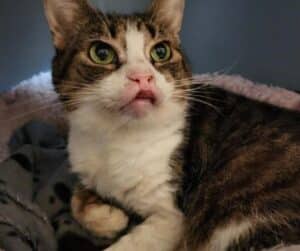
- Clinical Presentation: These lesions typically appear as well-demarcated, raised, ulcerated areas with a characteristic pink-to-yellowish coloration. While they can occur on various parts of the body, they most frequently target the upper lip, often beginning near the philtrum (the vertical groove between the base of the nose and the lip margin).
- The Inflammatory Mechanism: The condition is driven by an abnormal immune response involving eosinophils—a type of white blood cell typically associated with parasitic infections and allergic reactions. When these cells accumulate in high concentrations in the skin tissue, they cause localized tissue destruction, ulceration, and chronic inflammation.
Etiology and Underlying Triggers
Pinpointing the exact cause of a rodent ulcer can be a complex diagnostic challenge for veterinarians. Unlike infectious diseases caused by a singular bacterial or viral agent, eosinophilic ulcers are typically multifactorial reactions. Potential triggers include:
- Allergic Hypersensitivities: The most common underlying driver is an allergy. This can manifest as an allergic reaction to flea bites (flea allergy dermatitis), environmental allergens (atopic dermatitis, such as dust mites or pollens), or specific proteins within the cat’s diet (food hypersensitivity).
- Genetic Predisposition: Some clinical literature suggests that certain bloodlines or breeds may possess a genetic predisposition toward hyper-reactivity of the immune system, making them more susceptible to forming these lesions under immune stress.
- Secondary Infections: While the primary lesion is immune-mediated, broken skin barrier integrity frequently invites secondary bacterial infections, which can exacerbate pain, swelling, and tissue distortion.
Treatment Protocols and Management
Because rodent ulcers are outward symptoms of an internal immune or allergic trigger, effective treatment requires a dual-pronged approach:
- Symptomatic Relief: Vets often utilize anti-inflammatory medications, such as corticosteroids, to rapidly suppress the localized eosinophilic response, reduce swelling, and allow the ulcerated tissue to heal. In some cases, targeted antibiotic therapy is prescribed concurrently to manage secondary bacterial contamination.
- Identification and Elimination of Triggers: Long-term management requires detective work. If food allergies are suspected, elimination diets may be implemented. If environmental or flea allergies are the culprit, strict parasite prevention regimens and air filtration strategies are deployed.
In Liv’s case, her time as a stray meant she had likely endured months of untreated allergic triggers, nutritional deficits, and environmental stressors, allowing her facial lesions to progress unchecked. Her response to shelter-provided veterinary care demonstrates the profound efficacy of modern feline medicine when paired with a low-stress living environment.
Official Perspectives and Shelter Insights
The narrative surrounding Liv is not merely an isolated anecdote of a single cat’s medical recovery; it serves as a case study for best practices in modern animal rescue operations. Representatives and animal care technicians at the Butler County Humane Society emphasize the broader philosophical takeaways of handling high-profile, visually distinct rescue cases.
The Psychology of Intake Assessment
Animal shelters across the globe grapple with the challenge of public perception. Animals that deviate from standard aesthetic norms—whether due to missing limbs, asymmetrical facial features, chronic skin conditions, or unique coloration—frequently face longer lengths of stay in shelters. The human psychological tendency to project personality traits onto physical appearances can work against an animal in need.
When Liv arrived with her "Zombie Cat" moniker, shelter leadership recognized both the marketing potential and the inherent risk of the nickname. While catchy phrases can drive social media engagement and draw initial attention to a shelter’s intake list, they run the risk of permanently cementing a false narrative about an animal’s temperament.
Staff Reflections on Behavioral Recovery
Shelter care coordinators noted that Liv’s case underscores the critical necessity of a holistic intake protocol—one that seamlessly integrates behavioral observation with immediate, comprehensive physical examinations.
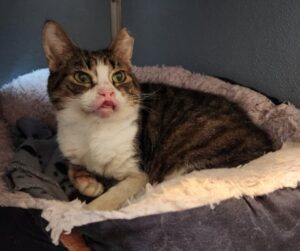
"When an animal enters our facility displaying defensive or guarded behaviors, our first instinct must always be to look for the source of physical pain," notes a shelter care technician involved in Liv’s rehabilitation. "Liv taught us that a cat snarling or pulling away isn’t necessarily mean. Often, they are simply trying to protect a part of their body that hurts. Once we addressed her rodent ulcers medically, her entire demeanor shifted. The ‘zombie’ facade melted away, revealing a cat that simply wanted to be loved."
This philosophy champions the idea that behavioral rehabilitation cannot succeed in a vacuum. Without the administration of anti-inflammatory medications and pain management, attempts at socialization would have yielded minimal results, potentially leaving Liv classified as unadoptable due to behavioral concerns that were actually somatic in origin.
Future Outlook: Liv’s Path Forward
As the spring season progresses, Liv remains housed at the Butler County Humane Society facility located in Renfrew, Pennsylvania. Her medical treatment plan has successfully stabilized her condition, allowing the ulcerated tissue on her lips to heal and significantly reducing the chronic discomfort that defined her early days in custody.
The Adoption Horizon
With her physical health restored and her sweet, affectionate personality now firmly established, Liv’s outlook has brightened considerably. Shelter administrators are actively working to position her for permanent adoption.
The strategy moving forward involves leveraging her unique story not as a novelty, but as an educational campaign. Prospective adopters are being invited to look past her one-of-a-kind smile and understand the resilience required for her survival. Her unique facial symmetry, once a source of alarm, is now celebrated as a permanent physical hallmark of her survival story—a physical reminder of a chapter closed.
Broader Implications for Animal Welfare
Liv’s journey resonates far beyond the borders of Butler County, offering several key takeaways for the broader animal welfare community:
- Redefining "Ugly" Rescues: Animals with chronic dermatological issues, facial deformities, or unusual physical presentations frequently possess deeply affectionate natures. Education campaigns that demystify conditions like rodent ulcers are vital for dismantling adoption barriers.
- Pain as a Behavioral Mask: Shelters are increasingly adopting trauma-informed and pain-first assessment protocols. Recognizing that aggression, withdrawal, or "grumpiness" is often an expression of untreated physiological pain saves countless animals from misclassification.
- The Power of Patience: The transformation of Liv from a frightened stray dubbed a "zombie" to a gentle indoor companion proves that rehabilitation requires time, quiet space, and medical grace.
For now, Liv waits in Renfrew for the right family to walk through the doors—adopters who will look at her unforgettable smile, recognize the depth of character behind it, and offer her the permanent, loving home she fought so hard to find.