
Executive Overview
For millions of pet owners, the hours immediately following a companion animal’s surgical procedure represent an emotional crucible. The tension between profound relief that the operation is over and lingering anxiety about the unpredictable recovery phase can feel overwhelming. Yet, while owners wait in hospital lobbies or prepare their homes for a groggy arrival, a sophisticated, highly choreographed medical protocol is already underway behind closed doors.
How modern veterinary hospitals handle post-surgical recovery is far from a passive waiting game. It is a precise, multi-disciplinary science focused on mitigating physiological stress, preemptively managing acute pain, and guiding the patient safely out of anesthesia-induced vulnerability. According to veterinary medicine standards, optimal post-operative care bridges the critical gap between sterile operating theaters and a safe, comfortable home environment. This comprehensive report investigates the intricate layers of veterinary post-surgery care, examining the clinical protocols executed within advanced facilities, the physiological variables monitored by veterinary technicians, and the vital role pet owners play in securing a seamless rehabilitation process.
Detailed Chronology: The Anatomy of a Surgical Recovery
To truly understand what happens after a pet undergoes surgery, one must examine the chronological phases of recovery. This journey begins the moment the surgeon places the final suture and extends through the critical hours in the recovery ward, culminating in weeks of home-based rehabilitation.
[Surgery Completed] ──> [Phase 1: Immediate Post-Op Monitoring] ──> [Phase 2: Stabilization & Waking] ──> [Phase 3: Discharge & Home Care]Phase 1: The Immediate Post-Operative Window
Once the final surgical knot is tied, the patient’s transition away from anesthesia begins. The patient is immediately transferred from the operating suite to a dedicated, highly monitored post-anesthetic recovery area—often called the ICU or prep ward. In this space, the primary objective is to maintain airway patency, ensure adequate oxygenation, and support stable cardiovascular function.
Anesthesia profoundly depresses the central nervous system, which in turn suppresses cardiopulmonary function, lowers blood pressure, and causes internal body temperature to plummet (hypothermia). During this initial window, veterinary nurses and technicians do not leave the patient’s side. They continuously monitor respiratory rates, pulse oximetry, electrocardiogram (ECG) rhythms, and mucous membrane colors.
Phase 2: Stabilization and Awakening
As the anesthetic gases or injectable agents wear off, the patient enters the arousal phase. This period is notoriously unpredictable and can be marked by "emergence delirium"—a temporary state of confusion, agitation, or vocalization as the animal regains consciousness.
- Canine Reactions: Dogs waking up from routine procedures like a spay, neuter, or orthopedic repair often display disorientation, whimpering, or sudden bursts of erratic movement if startled.
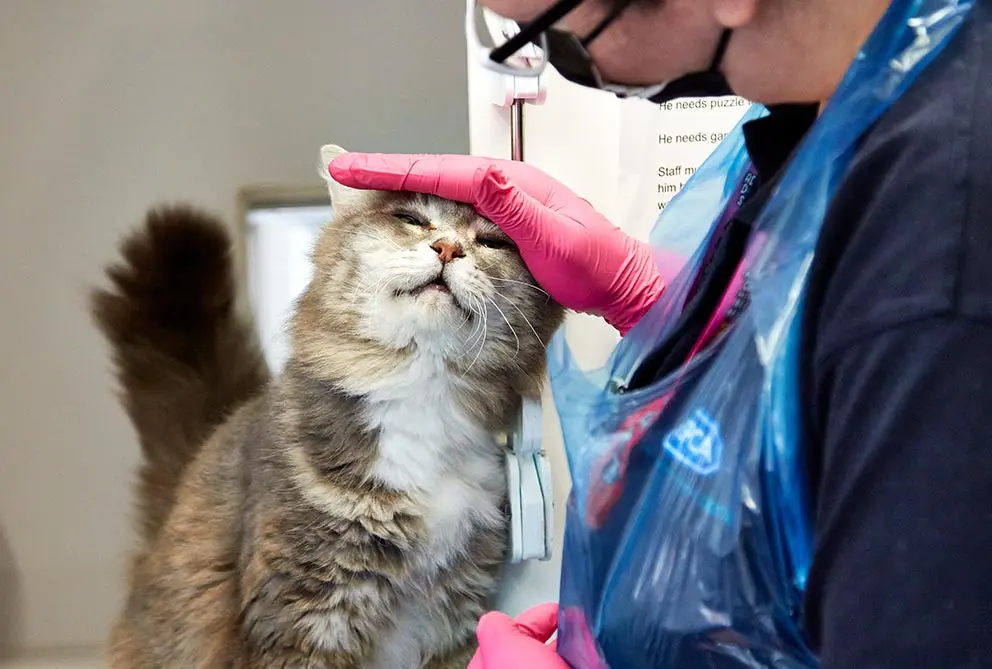
- Feline Reactions: Cats process sedatives and anesthetics differently. They are master evolutionary concealers of pain; a cat recovering from dental surgery or soft-tissue repair may not cry out. Instead, they often exhibit profound quietness, stillness, or attempts to hide, which can easily be mistaken for calm recovery when they are actually experiencing high stress or masked discomfort.
During this stabilization window, veterinary teams utilize validated pain-scoring systems (such as the Glasgow Composite Measure Pain Scale) to evaluate physical tension, heart rate spikes, and behavioral cues. Interventions are administered proactively before pain breaks through the barrier of medication.
Phase 3: Transition to Discharge and Home Management
Once vital signs stabilize, body temperature normalizes, and the animal demonstrates the ability to swallow and maintain balance, the patient is cleared for discharge. At this stage, the veterinary hospital shifts its focus from direct clinical execution to comprehensive owner education. The quality of care during this phase dictates whether a successful surgery results in an uncomplicated healing process or a preventable post-operative setback.
Supporting Context & Metrics: Clinical Monitoring and Safety Protocols
Advanced veterinary hospitals operate under stringent safety guidelines that mirror human medical recovery wards. The complexity of modern veterinary medicine ensures that no single vital sign is evaluated in isolation.
The following breakdown details the core parameters tracked by clinical teams during post-surgical observation:
| Recovery Parameter | Specific Metrics Monitored | Clinical Significance |
|---|---|---|
| Pain Control | Muscle tension, vocalization, restlessness, heart rate variability, behavioral scores | Effective analgesia significantly reduces stress hormones, enhances immune function, and accelerates appetite return. |
| Cardiopulmonary Function | Respiratory rate/depth, blood oxygen saturation ($SpO_2$), capillary refill time, ECG rhythm | Catches anesthetic complications, fluid overload, or respiratory depression early. |
| Theroregulation | Core body temperature via rectal or ear thermometry | Prevents hypothermia-induced shivering, which increases oxygen consumption and delays anesthetic recovery. |
| Incision Integrity | Seroma formation, hematoma, subcutaneous swelling, active hemorrhage, suture security | Early detection prevents wound dehiscence (splitting open) and localized surgical site infections (SSIs). |
| Gastrointestinal Status | Spontaneous water consumption, bowel motility (auscultation), nausea, post-op emesis | Assesses how rapidly the gastrointestinal tract recovers from systemic pharmacological agents. |
| Neurological Status | Pupillary light reflex, menace response, palpebral reflex, righting reflex | Ensures cognitive function is returning and eliminates concerns regarding prolonged cerebral hypoxia. |
According to academic guidelines on veterinary anesthesiology—such as those published by leading veterinary teaching hospitals—these multi-parameter assessments are non-negotiable components of patient safety. They ensure that minor deviations in blood pressure or body temperature are corrected instantly via thermal blankets, fluid adjustments, or targeted pharmacological interventions rather than waiting for overt signs of clinical distress.
Official Statements and Professional Perspectives
Leading voices in veterinary medicine consistently emphasize that surgery is only half the battle; the recovery continuum dictates the ultimate success of any medical intervention.
Dr. Sarah Jenkins, a board-certified veterinary surgeon and clinical director of acute care, underscores the importance of proactive owner communication:
"The single greatest variable in post-operative success is not the complexity of the surgical technique—it is the diligence of the recovery environment. When an animal crosses our threshold to go home, pet parents step into the role of primary care nurses. Our institutional duty is to arm them with clear, unambiguous instructions, transforming their natural worry into precise, confident action."
Furthermore, academic institutions specializing in animal welfare stress that pain management must be viewed through a preventative lens. Traditional veterinary practices once waited for an animal to visibly suffer before administering analgesics. Modern veterinary protocols, however, rely on multimodal analgesia—combining different classes of pain relievers (such as NSAIDs, opioids, and local nerve blocks) to block pain pathways at multiple biological sites before they register in the brain.
As noted in foundational veterinary research texts, this aggressive, preemptive approach to pain management not only enhances humane care but measurably shortens the healing timeline by lowering metabolic stress and preserving lean muscle mass during convalescence.
Future Outlook: Innovations Transforming Pet Recovery
As veterinary medicine continues to evolve, the landscape of post-operative care is undergoing a technological and methodological revolution. Looking toward the future, several emerging trends are set to redefine how veterinary hospitals and pet owners manage the critical recovery window:
1. Telemedicine and Remote Vital Sign Monitoring
The integration of wearable medical technology for pets is bridging the physical distance between the veterinary hospital and the living room. Smart collars, chest harnesses equipped with biometric sensors, and non-invasive infrared cameras now allow veterinary teams to remotely track a recovering pet’s heart rate, respiratory rate, and activity levels in real-time. If an animal’s resting respiratory rate spikes or unexpected restlessness occurs at home, an automated alert can notify the clinical team instantly.
2. Regenerative Medicine and Accelerated Healing
The rise of regenerative therapies—such as platelet-rich plasma (PRP) and stem cell therapy—is transforming how surgical incisions and orthopedic repairs heal. By harnessing the body’s own biological growth factors, veterinary surgeons can accelerate tissue regeneration, reduce localized inflammation, and minimize the reliance on long-term systemic medications that may strain canine or feline organs.
3. Personalized Pharmacogenomics
Just as human medicine is moving toward personalized treatments based on genetic profiles, veterinary pharmacology is beginning to explore how individual breeds and specific genetic lineages metabolize anesthesia and pain medications. Future post-operative protocols will likely feature customized pharmaceutical regimens tailored precisely to an animal’s unique metabolic rate, virtually eliminating adverse drug reactions and ensuring optimal pain relief.
4. Comprehensive Client Education Platforms
Recognizing that compliance with medication schedules and activity restrictions is a persistent hurdle, veterinary hospitals are investing heavily in interactive digital applications. These platforms deliver automated medication reminders, video demonstrations on how to administer pills or clean incisions, and direct messaging channels with veterinary technicians, ensuring that pet owners never have to navigate the uncertainties of recovery alone.
Conclusion: Empowering the Pet Owner
The journey from the sterile environment of an operating room to the comfortable warmth of home is fraught with emotional highs and lows for any pet owner. Yet, understanding the immense depth of care, rigorous monitoring protocols, and advanced clinical science invested in veterinary post surgery care can turn apprehension into empowerment.
Recovery is not a static event; it is a progressive, dynamic healing process defined by careful observation, precise pharmacological management, and unwavering dedication from both veterinary professionals and pet parents. By setting up a quiet, distraction-free home sanctuary, adhering strictly to prescribed medication schedules, and monitoring both major milestones and subtle behavioral shifts, owners play an irreplaceable role in their companion’s restoration of health. When uncertainties inevitably arise, leaning on the expertise of a trusted veterinary hospital ensures that your pet receives the continuous, compassionate guidance they deserve every step of the way.