
By Veterinary Practice News Editorial Staff
Original Insights by Beth Armstrong, CVT, CVBL, FVTE, PPCC, CPEP, CFE, CCFP, CFT, CTP, FT
Executive Overview
In the high-stakes environment of veterinary medicine, few patients are as delicate—or as quick to decompensate—as a feline cardiac patient. Whether presenting with occult (hidden) heart disease or diagnosed conditions like hypertrophic cardiomyopathy (HCM), cats operate on a physiological razor’s edge. For these animals, routine clinical procedures, the chaotic environment of a waiting room, or even well-intentioned physical restraint can trigger a catastrophic cascade of stress hormones.
In feline cardiology, handling is not merely a technical prerequisite to medical care; it is an active clinical intervention that can directly dictate whether a patient survives the visit or slips into fatal respiratory distress.
This comprehensive report examines the critical paradigm shift required in general practice and emergency settings alike. Moving away from traditional, forceful restraint, veterinary teams are increasingly adopting low-stress, highly intentional protocols that prioritize physiological stabilization above all else. Backed by expert insights from veterinary technician leader Beth Armstrong, CVT, this article explores how prioritizing low-stress handling, environmental control, and judicious oxygen therapy transforms feline cardiac care from a high-risk gamble into a refined, lifesaving art.
Detailed Chronology: The Anatomy of a Cardiac Crisis
To understand why low-stress handling is non-negotiable for cats with heart disease, one must first trace the physiological domino effect that occurs when a cardiac cat experiences fear, anxiety, or pain.
1. The Neuroendocrine Trigger
When a cat enters a veterinary clinic, novel sights, sounds, and smells register as threats. The sympathetic nervous system immediately activates, prompting the adrenal glands to flood the bloodstream with catecholamines—specifically epinephrine and norepinephrine.
2. The Cardiovascular Strain
In a healthy animal, a surge of adrenaline is easily accommodated. However, a feline heart compromised by cardiomyopathy—most notably HCM, the most prevalent feline heart disease—features severely reduced ventricular compliance. The heart muscle is thickened and stiff, making it incapable of relaxing normally to fill with blood.
When catecholamines hit receptors in a failing heart:
- Tachycardia ensues: Heart rate spikes drastically, shortening diastole (the resting phase when the heart fills with blood).
- Myocardial oxygen demand skyrockets: The heart muscle works harder while receiving less blood flow due to the shortened filling time.
- Blood pressure rises: Peripheral resistance increases, forcing the heart to pump against a higher afterload.
3. The Pathological Cascade
As the heart fails to keep up with these sudden demands, pressure backs up into the pulmonary vasculature. Fluid leaks into the interstitial spaces and alveoli of the lungs, culminating in acute pulmonary edema or pleural effusion. Within minutes, a cat that was merely anxious can transition into severe respiratory distress, open-mouth breathing, cyanosis, and cardiovascular collapse.
Case Study Insight: The Difference of Ten Minutes
The speed at which this crisis can unfold—and be averted—is illustrated in emergency triage scenarios. Consider the case of Oliver, a nine-year-old male domestic shorthair presented for acute tachypnea. Arriving with a respiratory rate of 80 breaths per minute, open-mouth breathing, dilated pupils, and lateral recumbency in his carrier, Oliver was seconds away from a fatal crash.
Standard protocol might have dictated immediate removal from the carrier for triage, radiographs, and intravenous catheter placement. Recognizing the imminent danger of such handling, a veterinary technician successfully intervened, advocating for immediate stabilization instead.
- Minute 0–2: Oliver remained in the bottom half of his carrier. Flow-by oxygen was initiated immediately. All physical handling ceased.
- Minute 2–5: The immediate environment was transformed—lights were dimmed, noise eliminated, and personnel reduced to a single observer.
- Minute 10: Oliver’s respiratory effort transitioned from open-mouth to closed-mouth breathing as his stress levels receded. Only then was a brief, gentle physical exam performed in sternal recumbency, followed by targeted sedation.
Radiographs later confirmed congestive heart failure secondary to suspected HCM. Oliver stabilized and was discharged 48 days later. Without technician advocacy and a commitment to minimal handling, the traditional diagnostic rush likely would have proved fatal.
Supporting Context & Metrics: The Paradigm Shift in Practice
Adopting low-stress handling principles requires a fundamental re-engineering of clinical workflows. Veterinary technicians are uniquely positioned to spearhead this culture change, ensuring that every touchpoint a patient experiences is calculated to preserve stability.
Environmental Control as a Primary Treatment
Low-stress handling begins long before a gloved hand touches fur. Environmental management is one of the most powerful, yet historically underutilized, therapies in veterinary medicine.
- Transit Speed: Cardiac cats should bypass the general waiting room entirely, moving swiftly into a quiet examination or treatment area.
- Sensory Reduction: Dimming lights, reducing ambient noise, and eliminating heavy foot traffic dramatically lower baseline catecholamine levels.
- Carrier Preservation: The carrier should never be viewed merely as a transport box to be emptied as quickly as possible. For many cats, the carrier is a sanctuary. Initial assessments—evaluating respiratory rate, effort, and posture—should be visual and conducted while the patient remains inside the carrier’s familiar confines.
Redefining Restraint: Less Is More
Traditional restraint methods, such as scruffing or forcing lateral recumbency, are fundamentally counterproductive in feline cardiology. Scruffing provokes both physical pain and intense psychological distress, guaranteeing a massive catecholamine surge.
Instead, veterinary professionals are turning to controlled support:
- Sternal Positioning: Cats must be kept in sternal recumbency whenever clinically feasible. Forcing a cardiac cat onto its side severely compresses the chest wall, exacerbates respiratory effort, and can precipitate complete decompensation.
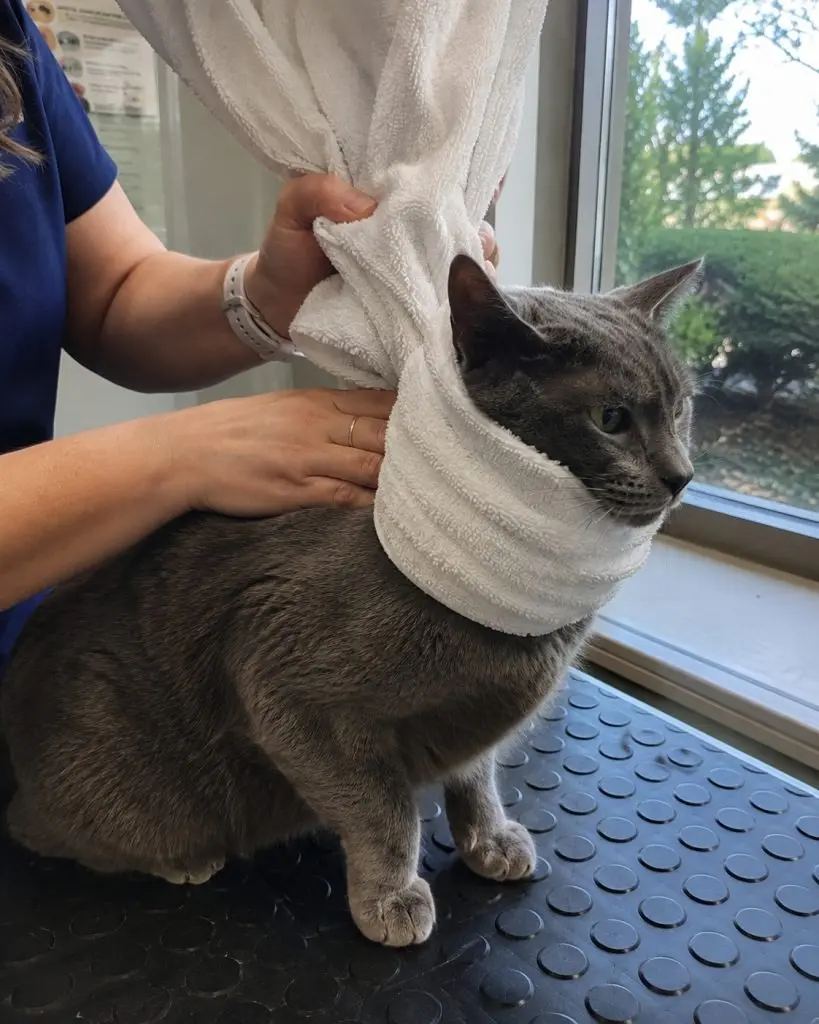
- The Towel Wrap (Cowel Method): Towels are invaluable clinical instruments. A strategically draped towel provides gentle, secure containment, dampens visual stimuli, and provides tactile comfort without exerting pressure or triggering defensive struggling.
- Clustering Procedures: To minimize cumulative stress, necessary interventions must be batched. Instead of multiple brief, stressful interactions throughout the day, treatments and diagnostics should be thoughtfully combined and executed efficiently by a coordinated team.
Official Statements and Expert Perspectives
As the veterinary community refines its approach to emergency and critical care, leading voices are emphasizing that low-stress handling is an issue of medical ethics and patient safety, not merely behavioral comfort.
"Handling cardiac cats effectively is not about doing more. It is about doing less with intention," explains Beth Armstrong, CVT, CVBL, and founder of VTNE Prep. "Every interaction either increases stress or reduces it. Recognizing this allows veterinary teams to make better decisions in real time. By prioritizing stabilization, minimizing restraint, and aligning as a team, technicians can significantly improve outcomes for feline cardiac patients. This is not just better handling. It is better medicine."
Clinical consensus increasingly supports the rule of thumb that oxygen always precedes diagnostics. When a cat presents in respiratory compromise, attempting to capture diagnostic radiographs, draw blood, or place an intravenous catheter without prior stabilization is a high-risk gamble.
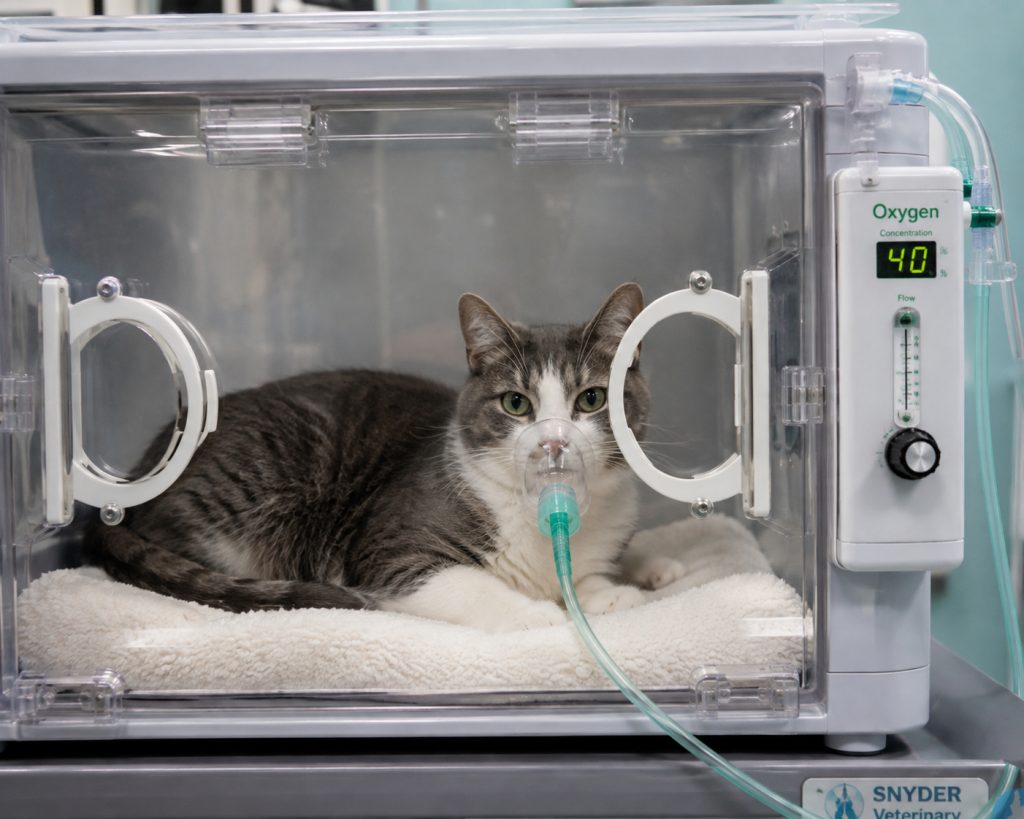
- Oxygen Delivery Methods: Oxygen cages represent the gold standard because they eliminate handling entirely. When cages are unavailable, flow-by oxygen serves as a vital initial bridge. Nasal oxygen cannulas may be utilized if well-tolerated, but only after initial stabilization has taken root.
- The Role of Sedation: Historically, clinicians harbored hesitation regarding the use of sedatives in cardiac patients, fearing hypotension or further depression of myocardial function. Modern veterinary cardiology, however, recognizes that appropriate, low-stress sedation is vastly safer than a prolonged physical struggle. Sedation actively blunts the sympathetic response, lowers heart rate, and creates a safe window for necessary diagnostics.
Future Outlook: Building a Culture of Consistency and Advocacy
The integration of low-stress, high-intention handling into feline cardiology marks a maturing of veterinary clinical practice. Moving forward, the industry’s trajectory relies heavily on three core pillars: team consistency, advanced technician empowerment, and client education.
1. Team Alignment and Culture
Low-stress protocols cannot succeed in an isolated vacuum; they require total alignment across the veterinary team. Veterinarians, technicians, and assistants must share identical expectations regarding patient handling, communicative transparency during handoffs, and post-case debriefs following critical admissions. When the entire hospital speaks the same low-stress language, patient outcomes improve measurably.
2. Empowering Veterinary Technicians
As frontline observers and patient advocates, veterinary technicians are uniquely positioned to halt dangerous diagnostic marches. Empowering technicians to call for a "time-out," advocate for immediate oxygen therapy, or suggest timely sedation can mean the difference between life and death in emergency triage.
3. Extending Care to the Home Environment
Clinical management is only half the battle. Long-term success for feline cardiac patients depends on effective client communication. Veterinary teams must educate pet owners on:
- How to monitor a cat’s resting respiratory rate (RRR) at home while sleeping.
- Recognizing the subtle, early warning signs of decompensation (e.g., lethargy, increased respiratory effort, changes in posture).
- Administering medications calmly to preserve a stress-free home routine.
Ultimately, mastering the care of the feline cardiac patient requires a fundamental shift in perspective. By acknowledging that stress is a profound physiological poison to a compromised heart, veterinary professionals can discard aggressive restraint in favor of deliberate, compassionate stillness. In the realm of feline cardiology, doing less is not just a gentle choice—it is the ultimate clinical intervention.