
Executive Overview
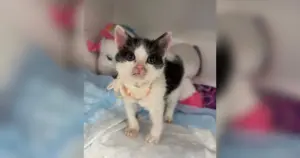
In the high-stakes, fast-paced environment of a modern roadside commercial strip, the margin between life and death for a vulnerable animal can be razor-thin. Such was the harrowing reality faced by Burger, a diminutive feline whose early life nearly came to a violent and premature end beneath the chassis of an automobile on a sweltering afternoon. Surrounded by the lethal hazards of scorching asphalt, the deafening concussions of high-speed expressway traffic, and the unrelenting roar of idling engines, Burger was entirely out of options.
What began as an ordinary routine—a customer waiting patiently in a fast-food drive-thru line—transformed into an urgent, high-stakes rescue mission thanks to an observant ear and swift human intervention. Yet, removing the kitten from immediate physical danger was only the first hurdle in a complex administrative and logistical challenge. When local municipal shelters turned their backs, citing capacity constraints and offering the callous recommendation to return the dehydrated kitten to the very asphalt that nearly claimed his life, private rescue infrastructure had to step into the breach.
This report examines the intricate timeline of Burger’s rescue, detailing the immediate environmental hazards he faced, the systemic gaps in local animal welfare response protocols, and the vital role played by private donor networks—specifically the iHeartCats Hero VIP Club and Karlee’s Angels. Through a rigorous exploration of this incident, we illuminate the precarious nature of stray animal rescue operations and the profound impact of organized, community-funded intervention in turning potential tragedies into stories of survival and renewal.
Detailed Chronology: From the Drive-Thru to Safety
Phase 1: The Auditory Anomaly
The incident unfolded at a bustling McDonald’s restaurant situated dangerously close to a major metropolitan expressway. The ambient noise profile of the location was severe: heavy trucks shifted gears, commuter vehicles accelerated away from the drive-thru window, and the summer sun baked the surrounding pavement to temperatures capable of causing rapid thermal injury to unprotected paws.
Amidst this sensory overload, a vigilant motorist waiting to place her order detected an anomaly against the background noise—a faint, rhythmic mewling. Recognizing that the sound did not belong to the mechanical symphony of the commercial corridor, the motorist engaged with the establishment’s cashier. Together, the two women conducted an auditory search, tracing the high-frequency distress calls not to the surrounding shrubbery or the concrete walkways, but directly from the mechanical anatomy of the motorist’s own vehicle.
Phase 2: Discovery and Extraction
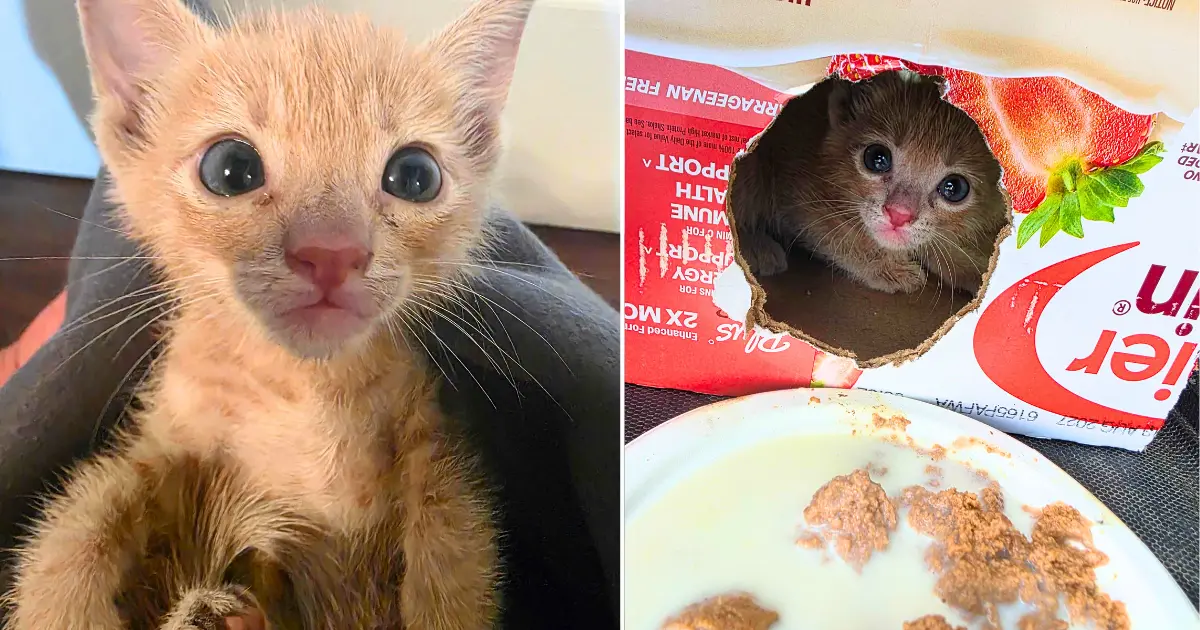
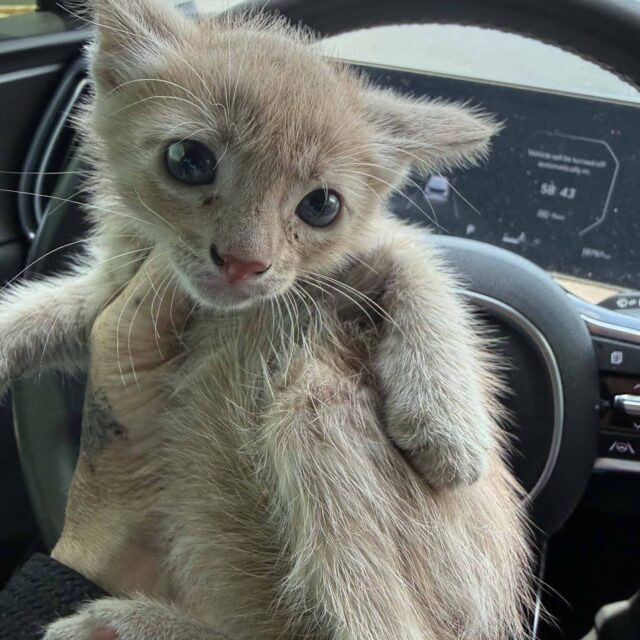
Upon closer inspection, the cashier identified the source: a tiny, trembling kitten wedged precariously deep inside the wheel well of the motor vehicle.
The placement of the animal exposed it to catastrophic danger. Had the motorist pulled forward without knowledge of her stowaway, the rotation of the tires or the extreme heat of the exhaust and braking systems would have resulted in fatal trauma. Furthermore, the pavement directly beneath the vehicle was radiating intense heat, causing the kitten’s paw pads to suffer from heat-stress. Paralyzed by fear, the animal had frozen in place, unable and unwilling to navigate the hostile terrain surrounding it.
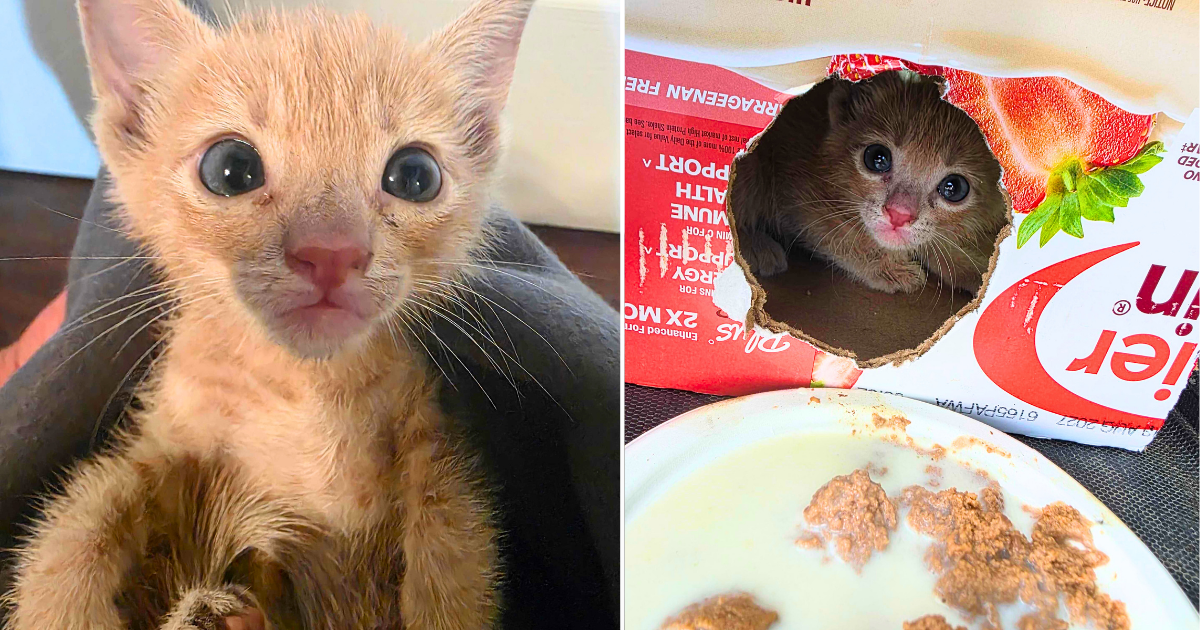
Acting decisively, the motorist reached into the tight confines of the wheel well, scooped the fragile kitten into her arms, and immediately extracted him from the vehicular hazard zone.
Phase 3: The Institutional Dead-End
With the kitten secured in the cabin of her car, the Good Samaritan faced an immediate logistical crisis. Recognizing that she could not safely integrate a stray, potentially medical-risk animal into her own home indefinitely, she contacted local municipal animal shelters for assistance.
The response she received laid bare the systemic strains facing modern animal welfare infrastructure. Representatives from the local shelter informed her that they lacked intake capacity and instructed her to return the animal to the exact location where he was found—the McDonald’s parking lot—and release him back onto the streets.
To comply with this directive would have meant condemning the kitten to a deferred death sentence. Having already suffered from severe dehydration and thermal exposure, returning him to an active, commercial parking lot adjacent to a high-speed expressway ignored basic animal welfare standards and discarded the fragile life that had just been narrowly preserved.
Phase 4: Intervention and Rehabilitation
Refusing to abandon the kitten to the asphalt, the rescuer reached out to Karlee’s Angels, a dedicated private rescue organization known for taking on complex, urgent cases. Thanks to the financial flexibility provided by dedicated donor networks, the organization was empowered to provide an immediate affirmative response.
Burger was transported from the perilous environment of the drive-thru to a controlled, secure intake facility. Upon arrival, he underwent a comprehensive veterinary triage:
- Immediate Decontamination: A soothing, temperature-regulated bath to remove road grime, grease, and the lingering residue of the hot pavement.
- Hydration and Nutritional Support: Measured administration of electrolytes and high-calorie wet food designed to counteract acute dehydration and starvation.
- Clinical Health Evaluation: Assessment for upper respiratory infections, parasitic load, and structural trauma sustained during his transit in the vehicle wheel well.
Following his stabilization, Burger was transitioned to a specialized foster partner within the rescue network, ensuring he received round-the-clock socialization and medical observation.
Supporting Context & Metrics: The Anatomy of Urban Stray Rescue
To fully contextualize Burger’s survival, one must examine the broader environmental and logistical metrics governing urban animal rescue operations in North America.
Thermal Hazards of Asphalt
During the summer months, ambient air temperatures fail to reflect the actual surface heat of commercial parking lots and roadways. When air temperatures reach a modest 85°F (29°C), exposed asphalt can soar to a staggering 135°F (57°C) within a matter of hours. At this temperature threshold, human skin can suffer tissue destruction in less than a minute; for a kitten weighing less than two pounds, contact with such surfaces leads to rapid dehydration, paw pad blistering, and systemic hyperthermia. Burger’s survival relied entirely on his choice to scale the vertical mechanics of the car rather than remaining on the ground.
+-------------------------------------------------------------+
|               Ambient vs. Asphalt Temperatures              |
+----------------------+------------------+-------------------+
| Ambient Air Temp     | Asphalt Temp     | Risk to Kitten    |
+----------------------+------------------+-------------------+
| 77°F (25°C)          | 125°F (52°C)     | Severe Burns      |
| 85°F (29°C)          | 135°F (57°C)     | Rapid Collapse    |
| 95°F (35°C)          | 143°F (62°C)     | Lethal Heatstroke |
+----------------------+------------------+-------------------+
The Shelter Capacity Crisis
Municipal animal shelters across the globe face unprecedented operational pressures, often operating at or above 150% capacity during peak kitten season (spring through autumn). Budget constraints, veterinary shortages, and spatial limitations frequently force intake coordinators to make heartbreaking triage decisions.
In Burger’s case, the municipal shelter’s refusal of intake was not necessarily an act of malice, but rather a symptom of a systemic resource deficit. This structural failure underscores the vital importance of private rescue networks, foster groups, and donor-backed organizations like Karlee’s Angels, which operate outside government bureaucracy to capture cases that slip through municipal safety nets.
Official Statements and Stakeholder Perspectives
The resolution of Burger’s case highlights the indispensable synergy between observant citizens, responsive rescue networks, and dedicated philanthropic supporters.
Representatives from Karlee’s Angels emphasized that systemic rescue operations cannot function without immediate, unhindered financial readiness. "When a call comes in regarding an animal in acute distress—whether trapped in a car engine or baking on a highway divider—we do not have the luxury of time to launch a fundraising campaign," noted a rescue coordinator. "We must be able to say ‘yes’ instantly. That instantaneous response capability is entirely a product of recurring donor support."
The unnamed rescuer, whose persistence broke the cycle of institutional indifference, reflected on the moral imperative of intervention. "You cannot hear a cry like that, look down at the pavement, and simply drive away," she remarked during the initial intake phase. "If the system tells you to put a defenseless baby back into danger, you have to find a better system."
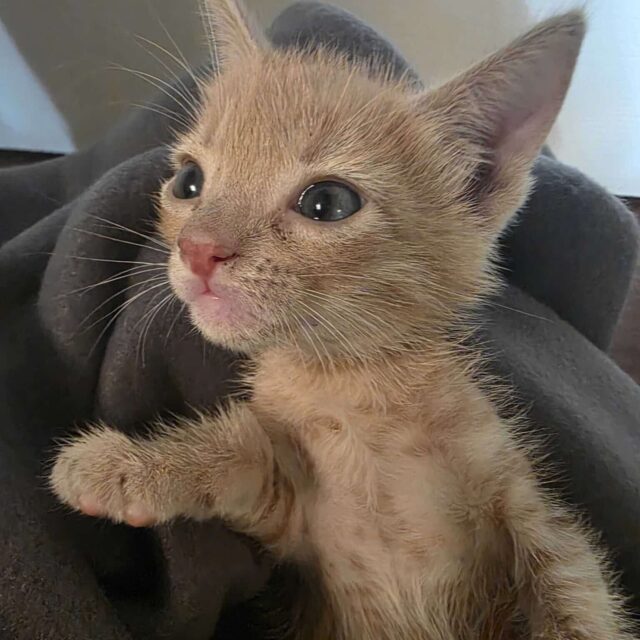
Central to this "better system" are the members of the iHeartCats Hero VIP Club. By pooling resources through membership dues and targeted donations, these supporters create a financial reserve that rescues draw upon during emergency scenarios. Without this backing, organizations like Karlee’s Angels would face the same capacity bottlenecks that municipal shelters experience, leaving animals like Burger with zero viable avenues of escape.
Future Outlook: Burger’s Journey Toward a Forever Home
Today, the narrative surrounding the kitten known as Burger has shifted dramatically from one of acute existential peril to one of hopeful anticipation.
Following his initial stabilization and rehabilitation under the direct care of Karlee’s Angels, Burger was transitioned to an advanced foster and adoption partner network. In this environment, he has been socialized alongside other animals and human handlers, shedding the defensive, fearful behaviors born of his traumatic roadside ordeal.
According to behavioral assessments conducted by his foster handlers, Burger exhibits all the classic characteristics of a healthy, well-adjusted juvenile cat:
- Curiosity and Playfulness: Engaging actively with enrichment toys, demonstrating normal developmental milestones.
- Social Resilience: Displaying positive engagement with human caregivers, indicating complete recovery from initial trauma-induced shock.
- Medical Fitness: Cleared of primary health concerns, maintaining a stable weight trajectory appropriate for his age.
The final phase of Burger’s rehabilitation involves matching him with a pre-screened, permanent adoptive family capable of providing a secure indoor environment. Given his high visibility within the rescue community and the heartwarming nature of his provenance, adoption coordinators anticipate high demand from prospective pet parents eager to offer him the permanent sanctuary he was nearly denied.
Conclusion: A Blueprint for Community Action
Burger’s near-tragedy and miraculous recovery serve as both a cautionary tale regarding the hidden dangers lurking in our modern transportation corridors and a testament to the power of compassionate intervention. It stands as an enduring reminder that animal welfare is not merely the responsibility of institutional shelters, but a collective community obligation.
As Burger prepares to transition into his forever home, his story continues to inspire broader discussions regarding motorist awareness—urging drivers to check their wheel wells and engine compartments before ignition during vulnerable seasons—while validating the financial and operational models of private rescue networks sustained by dedicated animal lovers worldwide.