
Executive Overview
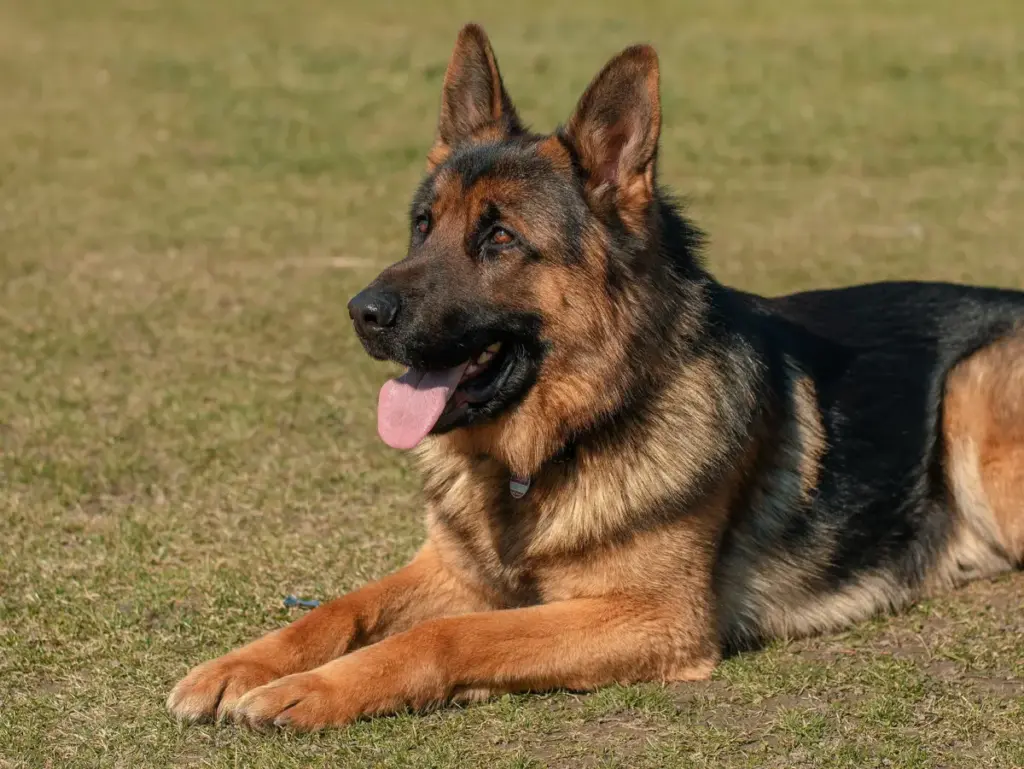
For generations, the prevailing consensus within evolutionary biology and canine history held that the dizzying array of domestic dog shapes and sizes—from the diminutive Chihuahua to the towering Great Dane—was largely a modern invention. Mainstream historical narratives credited the Victorian era’s passion for pedigree, selective breeding, and kennel clubs with artificially molding the domestic dog (Canis lupus familiaris) into the morphologically diverse spectrum we recognize today.
However, groundbreaking, multi-institutional archaeological research has completely upended this long-held assumption. According to a landmark global study published in the journal Science, domestic dogs began to vary widely in both body size and skull morphology far earlier than previously believed. Clear, undeniable signs of physical diversity were already firmly established at least 11,000 years ago, evolving rapidly not in Victorian-era kennels, but during the dawn of human agriculture and settled civilization.
Spearheaded by an international coalition of researchers from the University of Exeter and the French National Centre for Scientific Research (CNRS), alongside contributions from more than 40 global institutions, this extensive project represents the most comprehensive analysis of canid skulls ever conducted. Spanning a monumental 50ch-thousand-year timeline—from the Pleistocene epoch to the modern era—the study evaluated 643 individual canid specimens.
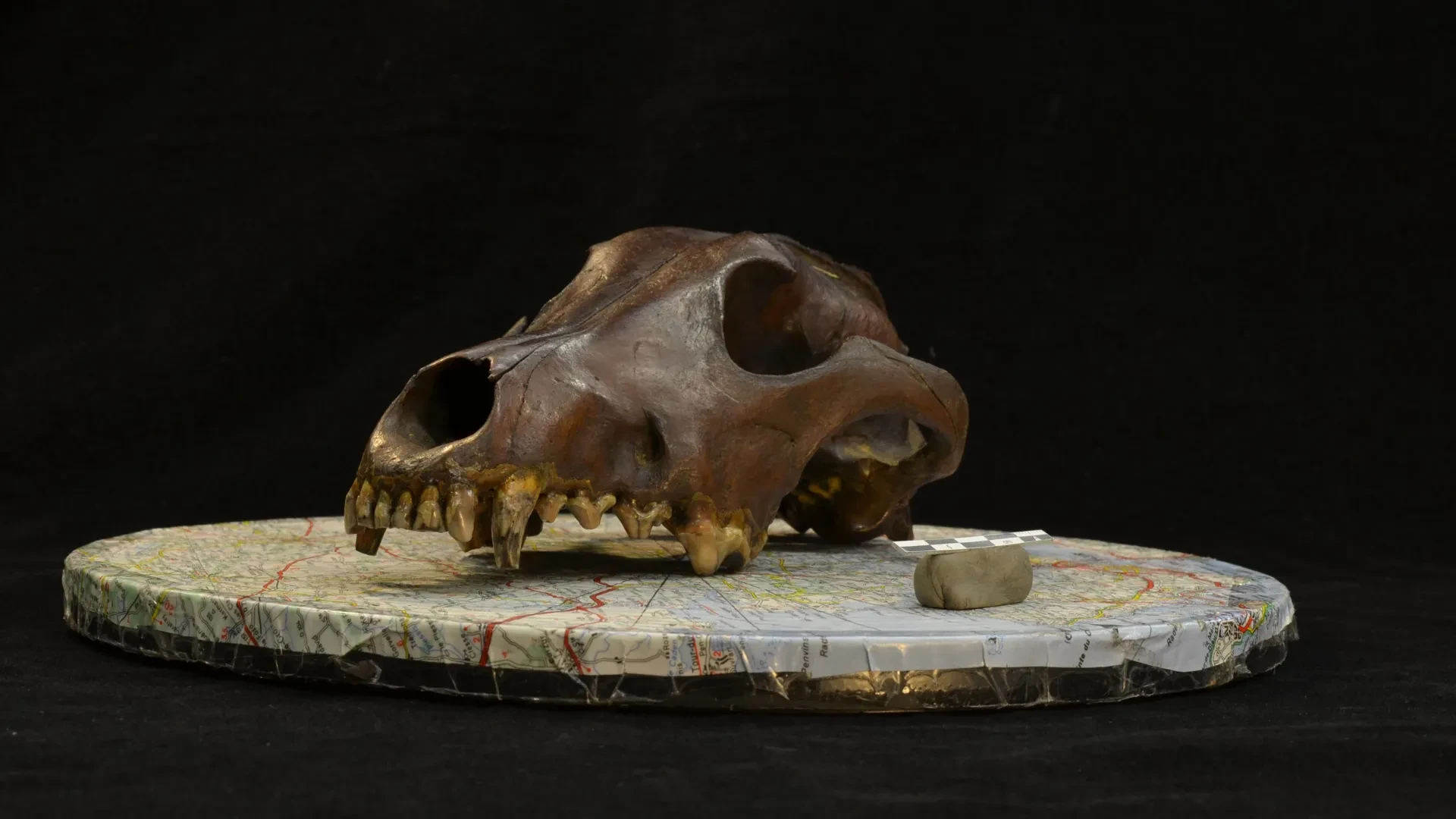
By applying cutting-edge 3D digital modeling and geometric morphometrics to ancient remains, the researchers discovered that by the Mesolithic and Neolithic periods, early dogs had already achieved half of the total morphological variance seen in modern canines today. This staggering revelation rewrites the evolutionary timeline of humanity’s oldest animal companion, demonstrating that canine diversity is a profound legacy of deep coevolution rather than modern aesthetic curation.
Detailed Chronology of Canine Evolution and Domestication
To understand the magnitude of this discovery, one must trace the timeline of the research and the historical milestones of canid evolution uncovered by the team. The project, which commenced in 2014, required nearly a decade of meticulous osteological analysis, cross-continental collaboration, and advanced computational modeling.
The Elusive Origins: The Pleistocene Gap
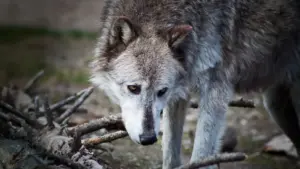
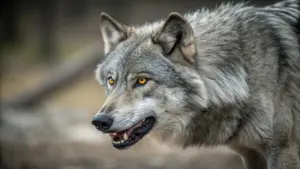
Despite analyzing numerous Late Pleistocene specimens—including several historic samples previously flagged by the scientific community as prospective "proto-dogs"—the research team encountered a surprising hurdle: none of these ancient, pre-domestic samples exhibited the definitive skull features associated with domestication.
This critical finding indicates that the very earliest chapters of the dog-wolf split and the preliminary stages of domestication remain hidden within the archaeological record. The transition from wild, independent apex hunters to domestic partners occurred via a process so subtle or geographically fragmented that its genesis continues to elude direct fossil identification.
The 11,000-Year Milestone
The earliest confirmed domestic dogs identified in the study emerged during the Mesolithic period. Notably, specimens originating from the Russian site of Veretye, dated to approximately 11,000 years ago, displayed unmistakable morphological markers of domestication. These features were soon followed by early domestic dog specimens recovered in the Americas (dating back roughly 8,500 years) and Asia (dating back approximately 7,500 years).
Once these early domestic lineages successfully established themselves across disparate geographic regions, their physical forms began to diverge at an exponential rate.
Chronological Shifts in Skull and Body Size
Co-lead author Dr. Allowen Evin of the CNRS Institut of Evolutionary Science-Montpellier mapped out the precise chronological sequence of this physical divergence:
- 9,700 to 8,700 Years Ago: The earliest detectable shift in early dogs manifested as a noticeable reduction in overall skull size. This directional selection away from the massive craniums of ancestral wolves suggests an adaptation to human-centric environments, where access to high-calorie food scraps or scraps of refuse favored smaller, more manageable animals.
- 8,200 Years Ago Onwards: Greater variability in overall skull shape began to materialize across multiple archaeological sites, indicating that early human populations were beginning to utilize dogs for specialized tasks that required distinct physical attributes.
- 7,700 Years Ago: A marked and rapid increase in size variance appeared globally. Dogs were no longer maintaining a uniform, medium-sized silhouette; instead, populations were actively bifurcating into distinct size classes.
By the Neolithic period, the morphological diversity among these early dogs had already reached double that of Pleistocene canids. More astoundingly, it had achieved fully half of the complete morphological range observed across all modern dog breeds today. While extreme modern phenotypes—such as the hyper-brachycephalic (short-faced) bulldog or the dolichocephalic (long-faced) borzoi—were absent in ancient times, the raw structural plasticity of the species was already remarkably advanced.
Supporting Context & Metrics
The depth and precision of this study rely on a massive, statistically robust methodology. Traditional osteological measurements have historically been limited by two-dimensional constraints. In contrast, this project leveraged state-of-the-art 3D geometric morphometrics to capture the subtle, complex geometries of hundreds of canid skulls.
Scope and Scale of the Data
- Total Specimens Analyzed: 643 canid skulls.
- Temporal Range: Approximately 50,000 years, stretching from the deep Pleistocene through the Holocene, Mesolithic, Neolithic, and into the modern era.
- Specimen Categories: The dataset encompassed a diverse biological spectrum, including recognized modern pedigree breeds, feral street dogs, archaeological samples from various global epochs, and wild wolves.
- Institutional Collaboration: Researchers from more than 40 distinct global institutions contributed to the collection, scanning, and analysis of the data.
The Ecological and Anthropological Drivers
What drove this rapid diversification thousands of years before the advent of the Victorian Kennel Club in the 19th century? The answer lies in the multifaceted roles that dogs quickly assumed within early human societies.
As human populations transitioned from nomadic hunter-gatherer bands to settled agricultural communities during the Neolithic revolution, the utility of the dog expanded exponentially. Early dogs were not merely companions; they were vital working partners. Archaeological and anthropological evidence suggests that dogs were selectively pressured—both naturally and through human mediation—to excel in diverse occupations:
- Hunting: Requiring speed, agility, and acute sensory integration.
- Herding: Demanding stamina, intelligence, and the ability to manage livestock.
- Guarding: Favoring larger, more imposing frames and territorial vigilance.
- Draft and Transport: In certain regional contexts, dogs were tasked with pulling loads or serving as pack animals.
Furthermore, varying local diets, geographic isolation, and the distinct cultural preferences of disparate human groups acted as selective filters. These ecological and cultural pressures accelerated the pace of physical variation, proving that human civilization and canine morphology have been locked in an intimate, reciprocal feedback loop for millennia.
Official Statements and Expert Insights
The implications of this study extend far beyond osteology, offering profound philosophical and historical insights into humanity’s relationship with the natural world.
Dr. Carly Ameen, co-lead author of the study from the University of Exeter’s Department of Archaeology and History, emphasized the paradigm-shifting nature of the findings:
"These results highlight the deep history of our relationship with dogs. Diversity among dogs isn’t just a product of Victorian breeders, but instead a legacy of thousands of years of coevolution with human societies."
Dr. Ameen’s perspective underscores that the rich tapestry of canine forms we cherish today is an ancient ecological partnership written in bone, rather than an arbitrary artifact of 19th-century pet fancy.
Weighing in on the elusiveness of the archaeological record, Professor Greger Larson, senior author of the study from the University of Oxford, reflected on the gaps that still remain in our understanding of the earliest domestication events:
"The earliest phases of dog domestication are still hidden from view, and the first dogs continue to elude us. But what we can now show with confidence is that once dogs emerged, they diversified rapidly. Their early variation reflects both natural ecological pressures and the profound impact of living alongside humans."
Professor Larson’s observations remind the scientific community that while the genesis point of domestication remains veiled in prehistoric mystery, the trajectory of the animal once it entered the human sphere was explosive, dynamic, and inexorably linked to human culture.
Future Outlook: Unlocking the Next Chapter of Canine History
By dismantling the long-standing myth that modern dog diversity is a recent historical phenomenon, this landmark research opens vital new pathways for future scientific inquiry. The insights gained from this multi-decade, global initiative pave the way for several exciting avenues of ongoing and future research:
- Genomic and Proteomic Integration: Future studies will likely seek to pair these 3D geometric morphometric analyses with ancient DNA (aDNA) and proteomic sequencing. By correlating morphological shifts with specific genetic mutations over time, researchers can pinpoint the exact biological mechanisms that allowed early dogs to alter their size and shape so rapidly.
- Geographic Mapping of Selection Pressures: Researchers aim to perform localized analyses comparing how dog populations evolved differently across unique climatic zones, such as the Arctic circle versus equatorial regions, to determine how environmental stressors interacted with human utility demands.
- Refining the Domestication Timeline: Armed with advanced imaging techniques, paleo-osteologists will continue scouring museum archives and new excavation sites for overlooked Pleistocene and early Holocene remains, inching ever closer to identifying the true ground zero of the dog-human alliance.
Ultimately, this study serves as a humbling reminder of our shared evolutionary journey. Long before humans built cities, wrote histories, or established formal breed standards, we were already shaping the physical form of our most loyal companion—and in turn, being shaped by them. As science continues to peer deeper into the fossil record, the bond between humanity and the dog only grows richer, more ancient, and more profound.