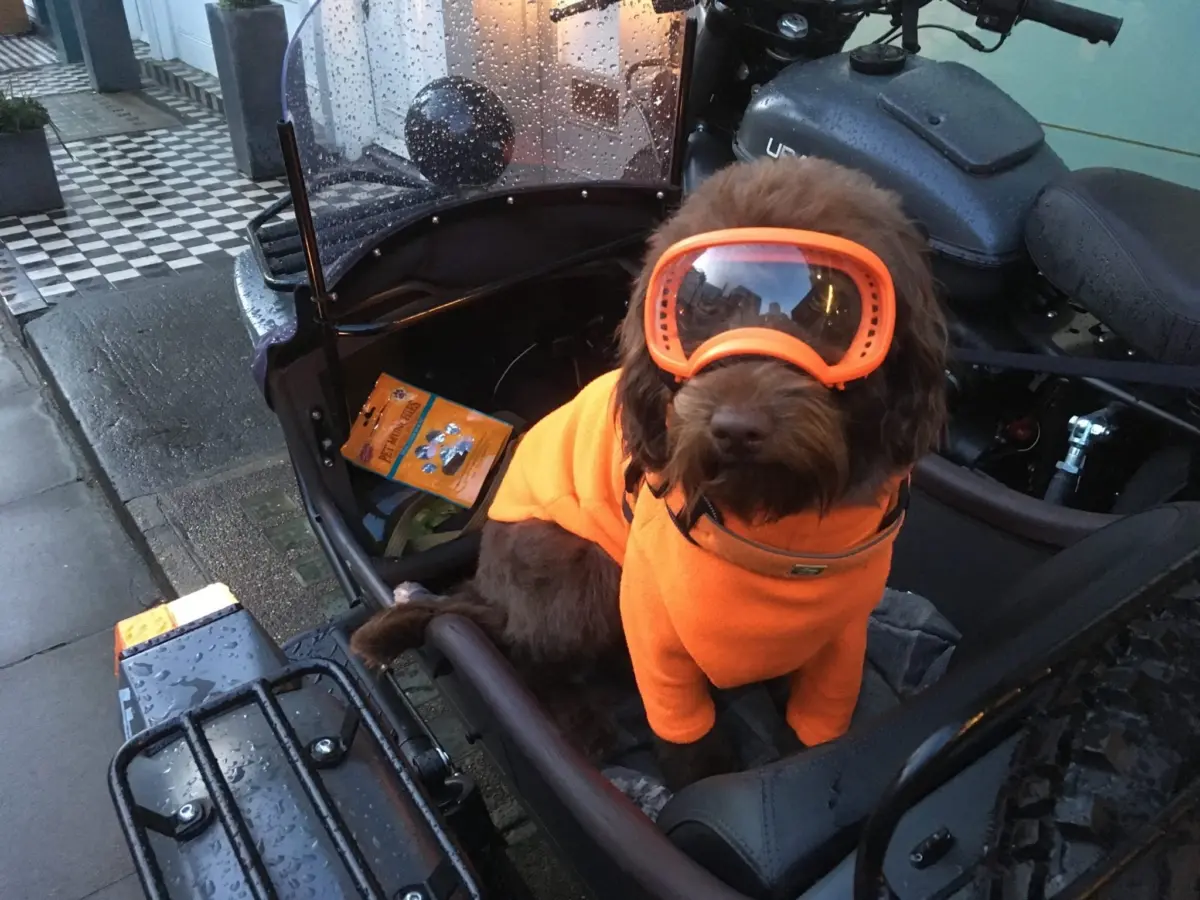
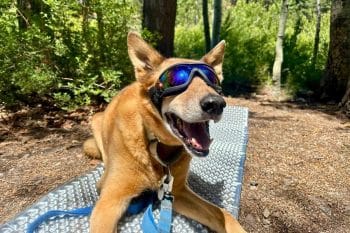
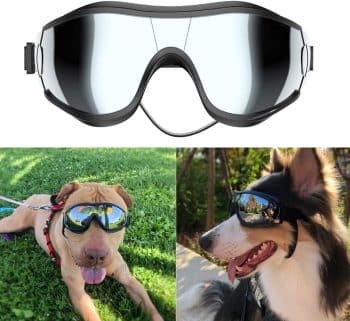
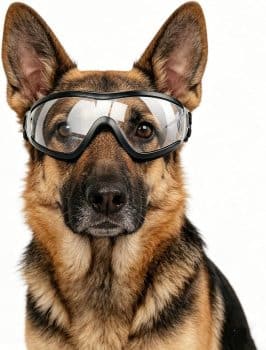
In recent years, the market for pet protective gear has experienced a significant paradigm shift. What was once dismissed as a novelty fashion statement has rapidly transitioned into an essential category of veterinary-recommended gear: protective canine eyewear. As dog owners increasingly integrate their pets into high-impact outdoor activities—such as off-road utility vehicle (UTV) riding, mountain hiking, open-window highway transit, and snow sports—the vulnerability of canine eyes to environmental hazards has become a paramount concern for veterinary ophthalmologists and active pet owners alike.
Canine eyes are susceptible to severe photo-keratitis, accelerated cataract formation, foreign body impaction, and exacerbated conditions like Pannus (Chronic Superficial Keratitis). Consequently, the engineering of dog goggles and sunglasses has advanced dramatically. Modern canine eyewear must balance optical clarity, 100% UVA/UVB blockage, shatterproof impact resistance, micro-frame ventilation, and ergonomic strap geometry to ensure long-term wearability.
This comprehensive market evaluation investigates the underlying mechanics of canine ocular protection, evaluates six leading product designs based on rigorous performance criteria, and outlines expert recommendations for size selection, behavioral acclimation, and maintenance protocols.
Supporting Context & Metrics: The Science of Canine Eye Protection
To understand the necessity of protective eyewear, one must examine the anatomical and environmental stressors impacting canine vision. While dogs possess a superior field of view and higher motion sensitivity than humans, their cornea and lens tissue remain highly vulnerable to ambient ultraviolet (UV) radiation and mechanical trauma.
Ultraviolet (UV) Radiation: Exposure to high-altitude sun or UV reflection off snow and water can lead to chronic corneal changes. German Shepherds, Greyhounds, and Border Collies are particularly predisposed to Pannus, an immune-mediated disease of the cornea that is aggravated by UV light exposure.
High-Velocity Debris: A dog sticking its head out of a vehicle window at 45 mph is exposed to air speeds capable of driving fine grit, insects, and plant matter directly into the corneal epithelium, leading to painful corneal ulcers or permanent scarring.
Desiccation & Windburn: Prolonged exposure to high wind currents strips the tear film from the eye, inducing dry eye syndrome (Keratoconjunctivitis Sicca) symptoms and secondary inflammation.
Critical Engineering Metrics for Canine Eyewear
Optical Material: Polycarbonate (PC) remains the gold standard due to its intrinsic high impact resistance, shatterproof qualities, and complete UV cutoff capabilities below 400nm.
Frame Elastomer: Thermoplastic Elastomers (TPE) and Polyvinyl Chloride (PVC) provide the necessary balance of structural flexibility, facial seal containment, and thermal stability in varying outdoor temperatures.
Ventilation Physics: Passive airflow ports lined with mesh or foam are required to equalize interior humidity, preventing condensation (fogging) while stopping particle ingress.
Detailed Chronology & Technical Evaluation of Top Market Performers
To identify the most effective protective solutions available, we evaluated six top-tier canine eyewear products across various size classifications, material compositions, and structural designs.
+------------------------------------+-----------------------+-------------------------+---------------------------------+
| Model                              | Target Breed Size     | Lens & Frame Material   | Key Feature                     |
+------------------------------------+-----------------------+-------------------------+---------------------------------+
| NVTED Dog Sunglasses Goggles       | Medium to Large       | Polycarbonate / PVC     | High Light Transmitting PC Lens |
| NAMSAN UV Transparent Goggles      | Medium to Large       | Ultra-Hard PC / Soft PVC| Anti-Fog Frame Vents            |
| PETLESO Small Breed Goggles        | Small to Medium       | Polycarbonate / Rubber  | Curved Anatomical Nose Bridge   |
| QUMY Heavy-Duty Dog Sunglasses     | Medium to Large (>15lb| Molded Plastic / Foam   | Wide Strap Adjustment Range     |
| NAMSAN Large Breed Anti-UV         | Large Breeds          | Ultra-Hard PC / TPE     | Deep-Cup Snout Accommodation    |
| Lewondr Small Breed Sunglasses     | Small Breeds          | Lightweight PC / Sponge | Comfort Sponge Circumferential  |
+------------------------------------+-----------------------+-------------------------+---------------------------------+
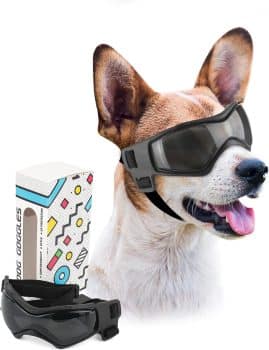
1. NVTED Dog Sunglasses Goggles
Target Audience: Medium to Large Breeds
Material Composition: Shatterproof Polycarbonate Lens, Reinforced PVC Frame
Technical Performance: Designed for all-weather outdoor adventures, the NVTED goggles feature high light-transmitting PC lenses treated with anti-fog and waterproof coatings. The frame is backed by high-density protective foam that cushions the orbital bone structure.
Fit Dynamics: Features an adjustable dual-strap system (head and chin) that prevents the goggles from shifting during rapid head movement or high-speed wind exposure.
Primary Use Case: Open-bed truck transport, sidecar riding, and high-intensity trail running.
2. NAMSAN Medium to Large Dog UV Transparent Goggles
Target Audience: Medium to Large Dogs (Excluding Giant Breeds)
Material Composition: Ultra-Hard Polycarbonate, Soft-Grade PVC
Technical Performance: Engineered specifically for clarity and wide field-of-view, this NAMSAN model utilizes a transparent or lightly tinted ultra-hard lens that resists scratching from low-hanging branches. The soft PVC frame bends effortlessly across broad craniums.
Fit Dynamics: Employs wide elastic webbing that distributes tension evenly behind the ears and beneath the jaw. Integrated perimeter vents maintain constant directional airflow.
Primary Use Case: Winter snow sports, alpine trekking, and light-sensitive dogs requiring clear sightlines.
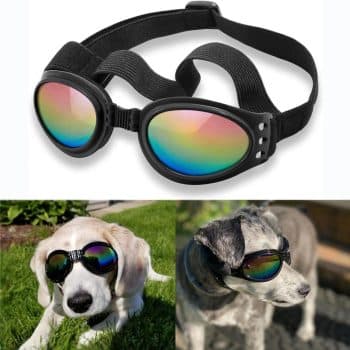
3. PETLESO Dog Goggles for Small to Medium Breeds
Target Audience: Small to Medium Breeds (e.g., Corgis, Shiba Inus, Boston Terriers)
Material Composition: Polycarbonate, Flexible Thermoplastic Rubber
Technical Performance: Recognizing that brachycephalic and intermediate-snout dogs have unique facial angles, PETLESO engineered a deep-curved lens profile measuring 5 inches in length by 2 inches in width (Size M). The rubberized bridge flexes around broader snouts without pinching.
Fit Dynamics: Fully adjustable chin and cranial straps with localized micro-vents along the rubber frame to inhibit internal moisture accumulation.
Primary Use Case: Windy coastal hikes, dust protection, and vehicle passenger-side riding.
4. QUMY Dog Sunglasses for Medium & Large Breed Dogs
Target Audience: Medium to Large Dogs (Over 15 lbs)
Material Composition: High-Impact Molded Plastic, Polycarbonate Lenses
Technical Performance: Built for durability, the QUMY frame incorporates a wide protective baffle along the top ridge to block overhead sunlight and downward debris. The headband scales from 240mm to 410mm, offering one of the widest adjustment envelopes in its class.
Fit Dynamics: Deep eyewells lined with foam padding prevent lens contact with the dog’s eyelashes and corneas.
Primary Use Case: Motorcycle sidecar travel, marine environments, and rugged outdoor use.
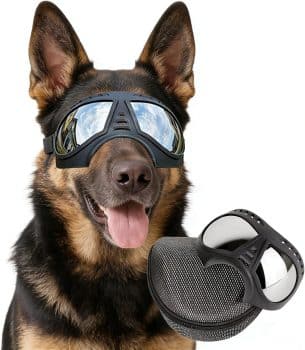
5. Namsan Large Breed Anti-UV Dog Goggles
Target Audience: Large to Extra-Large Breeds with Extended Snouts
Material Composition: Hardened Polycarbonate, TPE (Thermoplastic Elastomer)
Technical Performance: Designed specifically for larger working breeds (such as Labradors, Retrievers, and Shepherds), this model features a deep-set TPE frame that flexes without rigid pressure points. The ultra-hard lenses resist severe environmental scuffing.
Fit Dynamics: Broad-bandwidth elastic straps maintain tension across wide cranial structures without digging into coat fur or skin folds.
Primary Use Case: Search-and-rescue operations, high-altitude tracking, and extended sun exposure.
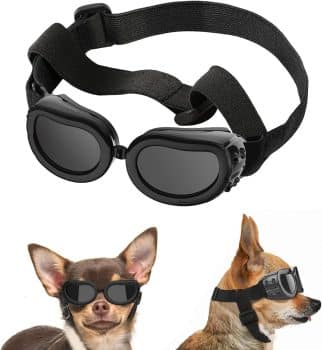
6. Lewondr Small Breed Dog Sunglasses
Target Audience: Toy and Small Breeds (e.g., Chihuahuas, Yorkies, Miniature Poodles)
Material Composition: Ultralight Polycarbonate, Soft Sponge Lining
Technical Performance: Small dogs often reject protective gear due to excess weight. Lewondr solves this by using ultra-lightweight polymers paired with dense sponge cushioning around the frame perimeter, minimizing downward force on small nasal bones.
Fit Dynamics: Scaled-down elastic strapping tailored for narrow heads and delicate jaw structures.
Primary Use Case: Daily sun protection, city walking, and urban commute shielding.
Official Statements & Expert Recommendations
Veterinary professionals and canine behaviorists emphasize that purchasing high-quality gear is only half the battle; proper sizing, mechanical verification, and behavioral conditioning are vital for safe usage.
Veterinary Guidelines on Eyewear Selection
"Protective canine eyewear should never be selected solely based on visual aesthetics. The frame must conform naturally to the zygomatic arch and nasal bridge without restricting jaw movement or compressing the tear ducts. 100% UV filtration is a mandatory baseline for preventing actinic keratitis, particularly in snow environments or high altitudes."
— Dr. Elizabeth Vance, DVM, DACVO (Board Certified Veterinary Ophthalmologist)
             STEP-BY-STEP CANINE ACCLIMATION PROTOCOL

  [ PHASE 1: DESENSITIZATION ] ──► Allow sniffing; pair equipment presence
                                   with high-value rewards.
                                           │
                                           ▼
  [ PHASE 2: STATIC PLACEMENT ] ──► Place frame gently on head without
                                   strapping; reward immediate calm behavior.
                                           │
                                           ▼
  [ PHASE 3: SECURED STRAPPING ]──► Fasten straps loosely indoors for 30-60
                                   seconds during active distraction (feeding).
                                           │
                                           ▼
  [ PHASE 4: OUTDOOR DEPLOYMENT]──► Transition to high-engagement outdoor
                                   activities (walks, fetch) to solidify association.
Essential Buying Criteria Checklist
When evaluating eyewear for specific breeds, dog owners should verify four critical design parameters:
UV Rating Verification: Ensure the manufacturer explicitly certifies 100% protection against both UVA and UVB spectrums (UV400 standard).
Impact & Shatter Resistance: Polycarbonate is mandatory. Avoid brittle acrylic or unrated glass substitutes that could shatter upon high-velocity impact.
Anatomical Conformity & Venting: Dogs dissipate heat rapidly through panting; frames must not block nasal airflow. Furthermore, continuous micro-ventilation is essential to clear internal humidity.
Dual-Strap Stabilization: Single-strap designs invariably slip during active motion. Look for a Y-shaped or dual-strap configuration that cradles both the back of the cranium and the sub-mandibular jaw.
Future Outlook: Technological Advancements in Canine Gear
The market for canine protective equipment is undergoing rapid technological innovation. Driven by the growth of working dog applications (military, police, search-and-rescue) and active consumer lifestyles, the next generation of dog goggles is poised to introduce several key advancements:
┌─────────────────────────────────────────────────────────────────┐
│               NEXT-GEN CANINE EYEWEAR INNOVATIONS               │
├─────────────────────────────────────────────────────────────────┤
│                                                                 │
│  [ PHOTOCHROMIC LENSES ] ──► Auto-adjusting VLT based on ambient │
│                              UV levels (indoor to outdoor).     │
│                                                                 │
│  [ CUSTOM 3D-SCAN FITS ] ──► Breed-specific scanned frames tailored│
│                              to brachycephalic/dolichocephalic. │
│                                                                 │
│  [ INTEGRATED OPTICS ]   ──► Prescription-ground PC lenses for   │
│                              aging working dogs with visual deficits.│
└─────────────────────────────────────────────────────────────────┘
Transition/Photochromic Lenses: Lenses that automatically adjust their Visible Light Transmission (VLT) based on ambient sunshine will allow dogs to transition seamlessly between indoor environments, shaded forests, and bright snowfields without needing eyewear removal.
Advanced Biometric Scanning & 3D Printing: Manufacturers are beginning to leverage 3D cranial scanning data across different dog breeds to create optimized, breed-specific frame geometry. This will resolve fit issues for brachycephalic (flat-faced) breeds like Bulldogs and Pugs.
Correctional Optics: As veterinary diagnostic tools improve, custom prescription lenses integrated into shatterproof protective goggles will become accessible for working dogs suffering from refractive errors or progressive retinal atrophy.
Conclusion
As pet owners continue to include dogs in dynamic outdoor pursuits, protective eyewear has cemented its role as a necessary health safeguard rather than a mere accessory. By investing in scientifically designed goggles—characterized by 100% UV blocking, shatterproof polycarbonate, passive ventilation, and dual-strap stabilization—owners can effectively shield their pets’ vision against long-term solar degradation and immediate mechanical trauma. Combined with a structured behavioral introduction, high-performance eyewear ensures that dogs explore the world safely alongside their human companions.