
Executive Overview
In late October 2019, an animal welfare intervention in Hillsborough County, Florida, illuminated both the persistent crisis of pet abandonment in the region and the profound impact of patience-based canine rehabilitation. The operation, led by Carley Coca—an experienced volunteer with the local rescue organization Paw Print Hearts—focused on a trio of abandoned dogs discovered near a local church premise.
While two of the animals, named Zeus and Lily, were secured almost immediately, the third dog, a traumatized male named Chance, exhibited severe fear-induced avoidance behavior that prevented his immediate capture. What followed was an intensive eight-day campaign characterized by strategic desensitization, nutritional reinforcement, and behavioral assessment.
This case serves as an illustrative study in rescue methodology, highlights the statutory frameworks governing animal welfare and stray holding periods in Florida, and underscores the vital role played by foster-based rescue networks in rehabilitating traumatized domestic animals.
Detailed Chronology: The Eight-Day Rescue Operation
+-----------------------------------------------------------------------------------+
|                            RESCUE TIMELINE OVERVIEW                               |
+-----------------------------------------------------------------------------------+
| Day 1   : Initial Response — Zeus & Lily secured; Chance flees into brush         |
| Days 2–5: Desensitization Phase — Daily visits, food lure strategy, zero contact  |
| Day 6   : Behavioral Shift — Chance waits at driveway edge; reduced flight distance|
| Day 8   : Capture & Breakthrough — Tactile contact accepted; safe vehicle transport |
+-----------------------------------------------------------------------------------+
Day 1: Initial Intervention and Partial Recovery
The rescue effort initiated after social media alerts identified three stray dogs roaming the grounds of a church in Hillsborough County. The site, typical of semi-rural or secluded spots where unwanted pets are dumped, showed clear signs of recent animal abandonment.
Carley Coca responded to the scene on behalf of Paw Print Hearts. Upon arrival, Coca observed that while all three animals presented varying degrees of neglect, their behavioral responses to human presence differed dramatically:
- Zeus and Lily: Exhibited socialized, domesticated traits. Both dogs readily approached Coca’s vehicle and climbed inside without resistance.
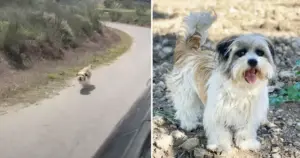
- Chance: Exhibited severe hyper-vigilance and acute neophobia. When Coca attempted to approach him, the dog barked defensively, maintained a wide safety buffer, and ultimately retreated into nearby brush and tree cover.
Recognizing that pursuing a frightened dog risks driving the animal into active traffic or unfamiliar territory, Coca prioritized securing Zeus and Lily while establishing an initial observational baseline for Chance. She safely transported the first two dogs to medical intake, pledging to return daily until Chance was secured.

       [ Church Site / Initial Discovery ]
                       |
       +---------------+---------------+
       |                               |
[ Zeus & Lily ]                 [ Chance ]
       |                               |
(Secured Immediately)     (High Fear / Flight Response)
       |                               |
(Foster Placement)        (8-Day Behavioral Intervention)
Days 2–5: The Systematic Desensitization Protocol
Returning to the church grounds on Day 2, Coca located Chance in the same vicinity. True to early assessments, the dog maintained his distance, refusing to permit any human approach within twenty to thirty feet.
To overcome this behavioral barrier, Coca implemented a low-stress counter-conditioning routine:
- High-Value Nutritional Lures: Traditional kibble was replaced with high-value food items, specifically freshly prepared beef burgers, to create an irresistible association with her presence.
- Distance Management: Food was tossed across the distance separating them, allowing Chance to consume the reward without forcing him past his comfort threshold.
- Body Language Modification: Coca avoided direct eye contact, maintained a low, non-threatening posture, and minimized sudden movements.
Despite these efforts, Chance’s fear response remained high through Day 5. Coca even introduced Lily back to the site temporarily, hoping the scent and presence of his former companion would act as "social proof" of safety. While Chance observed his former pack mate, his suspicion toward human interaction persisted, preventing physical capture.
+-------------------------------------------------------------------------+
|                  BEHAVIORAL CONDITIONING METHODOLOGY                     |
+-------------------------------------------------------------------------+
| Technique             | Purpose                                         |
+-----------------------+-------------------------------------------------+
| High-Value Rewards    | Creates positive mental association with humans |
| Submissive Posturing   | Reduces perceived threat level during visits    |
| Social Proofing       | Leverages calm conspecifics to signal safety    |
| Threshold Respect     | Prevents triggering full flight/fight instincts |
+-------------------------------------------------------------------------+
Day 6: The First Measurable Breakthrough
On the sixth day of continuous intervention, a noticeable behavioral shift occurred. Rather than hiding deep within the tree line, Chance was waiting at the edge of the property’s driveway when Coca arrived.
This change indicated a transition from pure fear-based avoidance to conditional anticipation. While Chance accepted the food offered during this interaction, he still maintained a strict physical boundary, backing away whenever Coca reached toward him. Nevertheless, his decision to position himself in the open marked a decisive turning point in the rescue operation.
Day 8: Tactile Breakthrough and Secure Capture
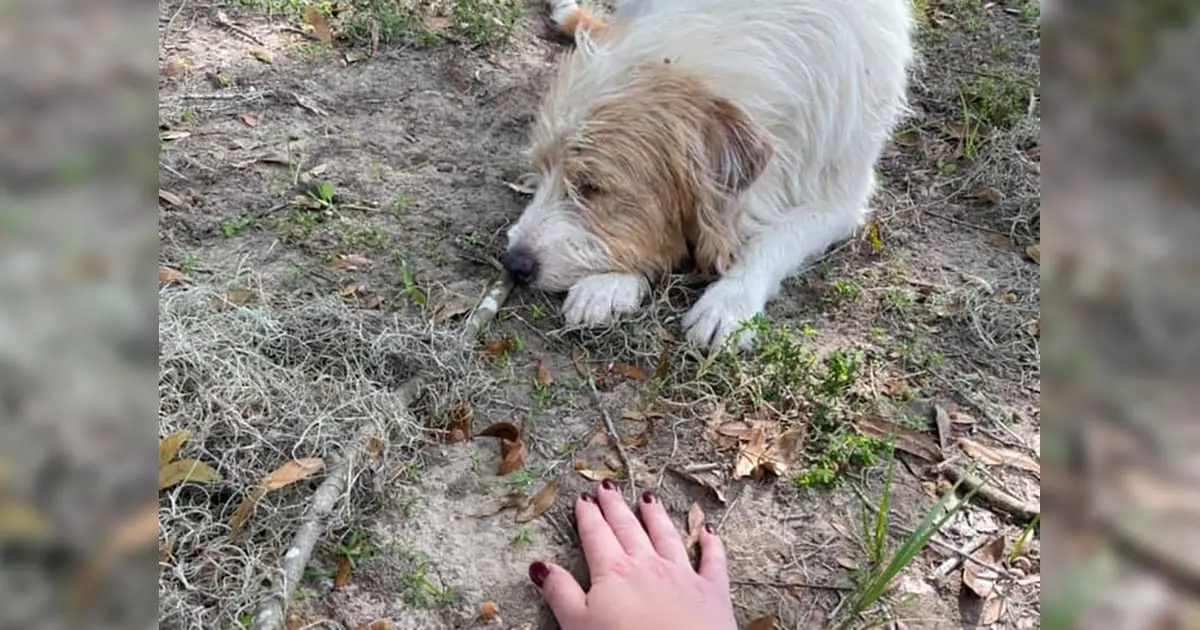
By the morning of the eighth day, the cumulative impact of consistent, non-threatening contact bore fruit. As Coca’s vehicle pulled onto the church grounds, Chance did not merely wait—he trotted directly up to the driver’s side door.

[ Vehicle Arrival ] ---> [ Chance Approaches ] ---> [ Voluntary Contact ] ---> [ Safe Transport ]When Coca extended her hand through the open window, Chance leaned forward, sniffed, and licked her fingers while wagging his tail. For the first time since the initial sighting, the dog allowed complete tactile contact, permitting Coca to stroke his head and chest.
Leveraging this moment of trust, Coca opened the car door, gently lifted the dog into the passenger compartment, and secured him for transport without inciting panic.
Supporting Context & Regional Metrics
The Stray and Abandonment Landscape in Florida
The situation encountered in Hillsborough County reflects broader animal welfare challenges across Florida. Animal services departments and private rescue networks frequently manage high volumes of abandoned domestic animals.
+------------------------------------------------------------------------+
|             KEY CONTRIB-FACTORS TO ANIMAL ABANDONMENT                  |
+------------------------------------------------------------------------+
| Metric / Driver          | Operational & Environmental Impact          |
+--------------------------+---------------------------------------------+
| Housing Restrictions     | Limited pet-friendly rental housing         |
| Socioeconomic Stress     | Rising costs of veterinary care & feed      |
| Uncontrolled Breeding    | High stray populations in semi-rural pockets|
| Secluded Geographic Hubs | Dump zones at remote sites (e.g., churches) |
+------------------------------------------------------------------------+
Abandoning pets in secluded locations like rural churches, agricultural borders, or industrial corridors exposes animals to severe environmental hazards, including road trauma, dehydration, parasitemia, and predator attacks.
Canine Trauma and Fear Architecture
Chance’s initial refusal to interact with humans illustrates classic signs of generalized fear and situational trauma. When dogs experience sudden abandonment or protracted neglect, their nervous systems enter a state of chronic hyper-arousal.
- Flight Thresholds: A traumatized dog prioritizes safety over food until trust is incrementally earned.
- Neophobia: Fear of new environments, people, or vehicles can override basic social instincts.
- Counter-Conditioning: Overcoming this state requires repeated, predictable encounters where the perceived threat yields high-value rewards without breaching the animal’s physical comfort threshold.
   [ Traumatic Abandonment ]
               |
               v
  [ Chronic Hyper-Arousal ]
               |
  +------------+------------+
  |                         |
  v                         v
(Avoidance Behavior)   (Neophobia)
  |                         |
  +------------+------------+
               |
               v
 [ Counter-Conditioning Protocol ]
  - Predictable Interaction
  - High-Value Reinforcement
  - Threshold Preservation
               |
               v
   [ Trust Re-Establishment ]
Medical Assessment & Legal Protocols
Initial Veterinary Evaluation
Following his rescue, Chance underwent a comprehensive medical examination. The physical assessment revealed conditions typical of prolonged exposure to the elements:

- Ectoparasitic Infestation: Heavy infestation of fleas (Ctenocephalides felis) and ticks across his body, requiring immediate dermatological treatment and systemic parasiticides.
- Coat & Skin Integrity: Significant matting along with embedded burrs and plant debris, causing localized skin irritation.
- Weight & Nutrition: Moderate underweight condition, requiring a regulated nutritional rehabilitation schedule to prevent digestive complications.
+-------------------------------------------------------------------+
|                     POST-RESCUE MEDICAL INTAKE                    |
+-------------------------------------------------------------------+
| Condition              | Clinical Findings & Treatment Plan       |
+------------------------+------------------------------------------+
| Ectoparasites          | Severe fleas/ticks; systemic treatment   |
| Dermatological Trauma  | Burrs, matting; grooming & topical care  |
| Nutritional Deficit    | Underweight; controlled feeding regimen  |
| Behavioral State       | High anxiety; custom home foster care    |
+------------------------+------------------------------------------+
Legal Framework: Mandatory Holding Periods
Under Florida local government codes and animal control ordinances, stray animals collected by citizens or private rescue groups are subject to strict legal protocols designed to protect property rights and reunite lost pets with legal owners.
[ Animal Secured ]
        |
        v
[ 90-Day Legal Holding Period / Owner Search ]
        |
        +---> Owner Located -------> Reunification Process
        |
+---> Owner Unclaimed ----> Permanent Legal Adoption- Stray Hold Mandate: Rescues must conduct a reasonable effort to locate a potential original owner during a mandatory holding period (often up to 90 days depending on local jurisdiction and rescue protocols).
- Microchip Scanning & Public Notice: Animals must be scanned for microchips, checked against lost-pet databases, and logged with county animal services.
- Custodial Care: During the holding period, the temporary custodian must provide adequate housing, medical care, and nutrition.
- Transition to Adoption: Once the statutory window expires without a valid ownership claim, legal custody transfers fully to the rescue organization, clearing the animal for permanent adoption.
Statements & Field Observations
Reflecting on the successful capture via social media, Carley Coca documented the emotional climax of the eight-day rescue effort:
"HELL YES!!!! UPDATE: GOT HIM!!"
— Carley Coca, via Facebook update following the successful rescue on October 24, 2019.
Rescue personnel from Paw Print Hearts emphasized that Chance’s transformation underscored the importance of tailored foster placements over traditional shelter kennels for highly fearful strays:
- Targeted Fostering: While Zeus and Lily adapted quickly and were transferred into standard foster homes, Chance’s delicate emotional state required specialized attention.
- Direct Intervention: Coca elected to foster Chance personally to maintain behavioral continuity and build upon the fragile trust established during the eight-day field rescue.
Future Outlook & Rehabilitation Strategy
Chance’s transition from an elusive stray to a home-adjusted foster pet marks the beginning of a long-term rehabilitation process designed to prepare him for permanent placement.
+-------------------------------------------------------------------------+
|                  LONG-TERM REHABILITATION ROADMAP                       |
+-------------------------------------------------------------------------+
| Phase 1: Stabilization    | In-home decompression, parasite clearance,  |
|                           | nutritional recovery.                       |
+---------------------------+---------------------------------------------+
| Phase 2: Social Modeling  | Integration with resident pack to observe   |
|                           | balanced canine behaviors.                  |
+---------------------------+---------------------------------------------+
| Phase 3: Desensitization  | Gradual exposure to novel humans, strange  |
|                           | environments, and leash protocols.          |
+---------------------------+---------------------------------------------+
| Phase 4: Final Placement  | Legal stray-hold clearance, adoption screening|
|                           | and transfer to permanent home.             |
+---------------------------+---------------------------------------------+
In-Home Decompression and Socialization
Since settling into Coca’s home, Chance has made significant strides:

- Peer Modeling: Living alongside Coca’s resident dogs has provided positive behavioral reinforcement, helping Chance observe balanced canine-human dynamics in a home setting.
- Stranger Desensitization: A primary ongoing focus remains helping Chance overcome residual suspicion toward unfamiliar people. Controlled exposures and calm, positive introductions are scheduled throughout his foster period.
Path to Permanent Adoption
Upon the completion of the 90-day legal holding period, Chance will officially enter the adoption pool through Paw Print Hearts. The organization intends to carefully vet prospective applicants to ensure his permanent home offers a stable environment, ideally with experienced handlers who understand fearful dogs.
The story of Chance, Zeus, and Lily stands as a testament to the essential work of community animal rescues. It highlights how methodical field techniques, coupled with patient post-rescue care, can alter the trajectory of vulnerable, abandoned animals.