
August 11, 2026 — Originally featured in the Alley Cat Allies® 2026 Summer Newsletter.
Executive Overview
The landscape of feline welfare in the United States is marked by relentless challenges, systemic resource strains, and extraordinary triumphs of compassion. In the scorching heat of the summer season, animal rescue organizations face an influx of vulnerable cats and kittens, compounding an already overburdened shelter infrastructure. Amidst this nationwide crisis, dedicated advocacy groups like Alley Cat Allies continue to serve as a vital lifeline, bridging the gap between life-threatening neglect and a future defined by health, safety, and affection.
The stories published in the Alley Cat Allies® 2026 Summer Newsletter encapsulate the profound impact of donor-supported veterinary intervention, community mobilization, and tireless rehabilitation. From a brave black cat named Neo, who survived severe malnourishment and facial trauma, to Cricket, a high-spirited survivor of a mass-rescue operation in Alabama facing unique physical challenges, and finally to Strudel and her precious litter—Cherry, Berry, and Pebbles—these narratives do more than merely highlight individual animal rescues. They provide a window into the systemic realities of animal sheltering, the complexities of specialized feline medical care, and the indispensable role that grassroots and institutional supporters play in safeguarding vulnerable lives.
This comprehensive report examines the individual journeys of these rescued felines, contextualizes the broader operational metrics of large-scale rescue missions, reviews the medical protocols utilized in their rehabilitation, and outlines the long-term outlook for community cat management and animal advocacy moving forward.
Detailed Chronology: Stories of Survival and Transformation
Neo: The Badge of Bravery
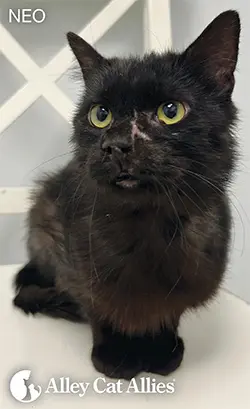
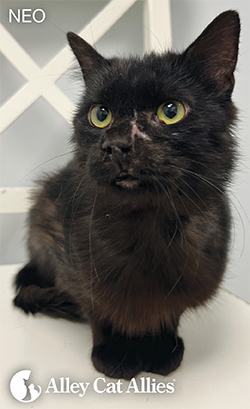
When a small, unassuming black cat entered the care of Alley Cat Allies’ rescue network, his physical condition painted a grim picture of survival on the streets. Neo was not only suffering from a massive, disfiguring wound across his face, but he was also profoundly malnourished, severely underweight, and battling systemic illness.
For a small cat, the compounding effects of an open facial wound and starvation can quickly become fatal. In the chaotic environment of unmanaged outdoor life, competition for resources and exposure to hazards often leave community cats vulnerable to severe injuries. In Neo’s case, the facial trauma initially commanded the most visual concern, yet his internal distress posed an equally significant threat to his survival.

[Intake: Severe Malnutrition & Facial Trauma]
       │
       ▼
[Emergency Veterinary Assessment & Stabilization]
       │
       ▼
[Surgical Intervention for Facial Wound]
       │
       ▼
[Multi-Week Post-Operative Rehabilitation]
       │
       ▼
[Full Recovery: "The Badge of Bravery"]
However, beneath his frail exterior beat the heart of a resilient fighter. Veterinary teams immediately initiated a comprehensive stabilization protocol, treating his systemic illness, restoring his nutritional baseline through specialized diets, and performing intricate surgery to close and heal his facial wound.
Following weeks of intensive post-operative care and careful monitoring, Neo made a full recovery. Today, the distinct scar remaining on his nose is viewed by his caregivers not as a blemish, but as a distinguished badge of honor and bravery—a physical testament to his endurance and the transformative power of compassionate veterinary medicine.
Cricket: Defying Odds in Alabama
While individual street rescues present severe localized challenges, large-scale multi-cat interventions require massive operational coordination and financial investment. Earlier this year, rescue organizations made a staggering discovery on a cramped property in Alabama: 91 cats and kittens living in deeply compromised conditions. Alley Cat Allies stepped in directly to underwrite and cover the extensive veterinary costs required to evaluate, treat, and triage the massive influx of animals.
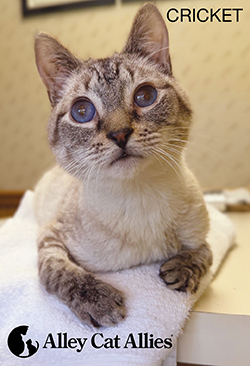
Miraculously, amidst the overcrowded and stressful conditions of the property, the vast majority of the 91 cats and kittens emerged with only minor injuries and manageable illnesses. Yet, one individual stood out immediately due to an uncommon physical presentation: a one-year-old cat named Cricket.
Upon examination, veterinary specialists diagnosed Cricket with carpal laxity, a congenital or developmental condition that severely impacts the stability of the wrist joints in his front legs. Left untreated, such structural weaknesses can lead to chronic pain, degenerative joint disease, and severely restricted mobility.
┌────────────────────────────────────────────────────────┐
│               The Alabama 91-Cat Rescue                │
└──────────────────────────┬─────────────────────────────┘
                           │
                           ▼
┌────────────────────────────────────────────────────────┐
│     Triage & Veterinary Cost Coverage by Advocates     │
└──────────────────────────┬─────────────────────────────┘
                           │
             ┌─────────────┴─────────────+
             ▼                           ▼
┌─────────────────────────┐ ┌────────────────────────────┐
│ 90 Cats/Kittens: Minor  │ │ Cricket: Carpal Laxity     │
│ Injuries & Illnesses    │ │ (Front Leg Joint Instability)
└─────────────────────────┘ └────────────┬───────────────┘
                                         │
                                         ▼
                            ┌────────────────────────────┐
                            │ Treatment: Splinting &     │
                            │ Physical Support           │
                            └────────────┬───────────────┘
                                         │
                                         ▼
                            ┌────────────────────────────┐
                            │ Result: Uninhibited Play,  │
                            │ Cuddles, & High-Speed      │
                            │ "Zoomies"                  │
                            └────────────────────────────┘
Rather than allowing the condition to dictate his quality of life, Cricket was placed on a specialized treatment regimen designed to strengthen and correct his leg alignment, which included the targeted use of medical splinting. True to the indomitable spirit common among rescued animals, his medical condition has done nothing to dampen his vibrant personality. Described by his caregivers as an affectionate companion who actively demands to be picked up and snuggled, Cricket also possesses a legendary burst of energy, redefining the concept of feline "zoomies" as he races across rooms on structurally supported legs.
Strudel, Cherry, Berry, and Pebbles: Breaking the Cycle
The lifecycle of feline overpopulation often begins in overcrowded shelters where pregnant mothers and newborn litters face perilous conditions. For a mother cat named Strudel and her three kittens—Cherry, Berry, and Pebbles—survival hung in the balance within a traditional shelter environment that lacked the specialized resources required for a nursing family.
Thanks to the swift intervention of rescue partners and the financial backing of donor support, Strudel and her litter were successfully pulled from the high-risk shelter facility. This timely extraction ensured that the kittens received critical neonatal and pediatric medical care from their earliest days of life straight through to their current developmental milestones.
Early nutritional support, parasite prevention, and routine wellness checks have allowed Cherry, Berry, and Pebbles to develop normally, characterized by boundless energy for play and deep, restorative sleep. Crucially, the rescue protocol includes a vital preventative measure for the matriarch: Strudel is scheduled to be spayed, ensuring that this will be her final litter. By combining emergency shelter extraction with targeted Trap-Neuter-Return (TNR) and spay/neuter philosophy, organizations prevent future generations from facing the perils of abandonment and shelter overcrowding.
Supporting Context & Operational Metrics
The narratives of Neo, Cricket, and Strudel’s family are emblematic of the broader structural pressures facing the animal rescue ecosystem. According to aggregated data from animal welfare coalitions, the summer months—frequently referred to by rescue workers as "kitten season"—test the absolute limits of shelter capacity, volunteer availability, and financial reserves.
The Scope of Multi-Cat Rescues
The Alabama incident involving 91 cats is not an isolated anomaly. Animal hoarding and neglect cases frequently involve dozens, if not hundreds, of animals confined to confined residential properties. Managing such crises demands:
- Rapid Deployment of Financial Resources: Emergency veterinary subsidies to cover mass examinations, vaccinations, and emergency surgeries.
- Interstate Cooperation: Transport networks to move animals out of saturated local shelters into regions with higher adoption demand or available foster networks.
- Specialized Medical Intervention: Addressing chronic conditions like Cricket’s carpal laxity or traumatic injuries like Neo’s facial wounds requires specialized veterinary orthopedic and soft-tissue surgical expertise that standard intake shelters rarely possess in-house.
The Economics of Compassion
The survival and rehabilitation of vulnerable felines are directly correlated with sustained philanthropic engagement. Without the contributions of donors and community advocates, organizations like Alley Cat Allies could not underwrite the extraordinary medical bills associated with complex cases.
| Animal Subject | Primary Medical Challenge | Intervention Strategy | Long-Term Outcome |
|---|---|---|---|
| Neo | Severe malnourishment, systemic illness, massive facial wound | Emergency stabilization, nutritional therapy, surgical wound closure | Full recovery; scar maintained as a badge of honor |
| Cricket | Carpal laxity (wrist joint instability) | Diagnostic evaluation, joint support, medical splinting | Strong mobility, playful disposition, affectionate behavior |
| Strudel & Litter | Shelter vulnerability, neonatal care needs | Emergency shelter extraction, pediatric wellness care, scheduled spaying | Healthy, thriving kittens; prevention of future litters |
Official Statements and Veterinary Perspectives
The intersection of community-based rescue and clinical veterinary science highlights the necessity of holistic approaches to animal care. Dr. Martinez, a consulting veterinarian specializing in shelter medicine and community cat advocacy, emphasizes the unique nature of rehabilitating neglected animals:
"When an animal arrives in the state that Neo or Cricket did, the immediate physiological crisis is only half the battle. We must treat the physical trauma—whether it is an open facial wound or compromised structural joints—while simultaneously rebuilding their psychological trust in humans. The success stories featured in this season’s reports demonstrate that with the right medical interventions and unyielding support, even severely compromised animals can experience profound recoveries."
Furthermore, leadership within Alley Cat Allies underscores the vital partnership between institutional advocates and everyday donors. Program directors consistently reiterate that every medical procedure, every splint, and every emergency extraction is made possible by a shared commitment to compassionate action. The philosophy guiding these interventions centers on the belief that every cat—regardless of age, medical complexity, or background—deserves an individual trajectory toward health and safety.
Future Outlook: Strengthening the Safety Net for Feline Welfare
As the animal welfare community looks beyond the immediate challenges of the summer rescue season, the focus shifts toward sustainable, long-term systemic improvements. Addressing the root causes of feline overpopulation and medical neglect requires a multi-pronged approach:
- Expansion of Spay/Neuter Infrastructure: Proactive sterilization initiatives, such as the spaying of mother cats like Strudel, remain the most effective tool in reducing shelter intake numbers and preventing the cycle of homelessness.
- Public Education on Community Cats: Empowering communities to understand and support managed outdoor cat populations helps reduce unnecessary surrenders and fosters local advocacy.
- Enhanced Veterinary Access: Supporting rural and under-resourced shelters with emergency funding ensures that when mass-rescue operations occur—such as the 91-cat discovery in Alabama—local systems do not collapse under the financial and logistical weight.
- Promoting Special-Needs Adoption: Demonstrating that cats with unique conditions, like Cricket’s carpal laxity or Neo’s distinguished facial scarring, make loving, vibrant companions helps shift public perception toward inclusive adoption standards.
Ultimately, the stories of Neo, Cricket, Strudel, Cherry, Berry, and Pebbles serve as powerful reminders of resilience. They illustrate that while the challenges facing vulnerable felines are immense, the collective dedication of rescuers, veterinarians, and compassionate supporters is powerful enough to transform despair into thriving, joyful lives.