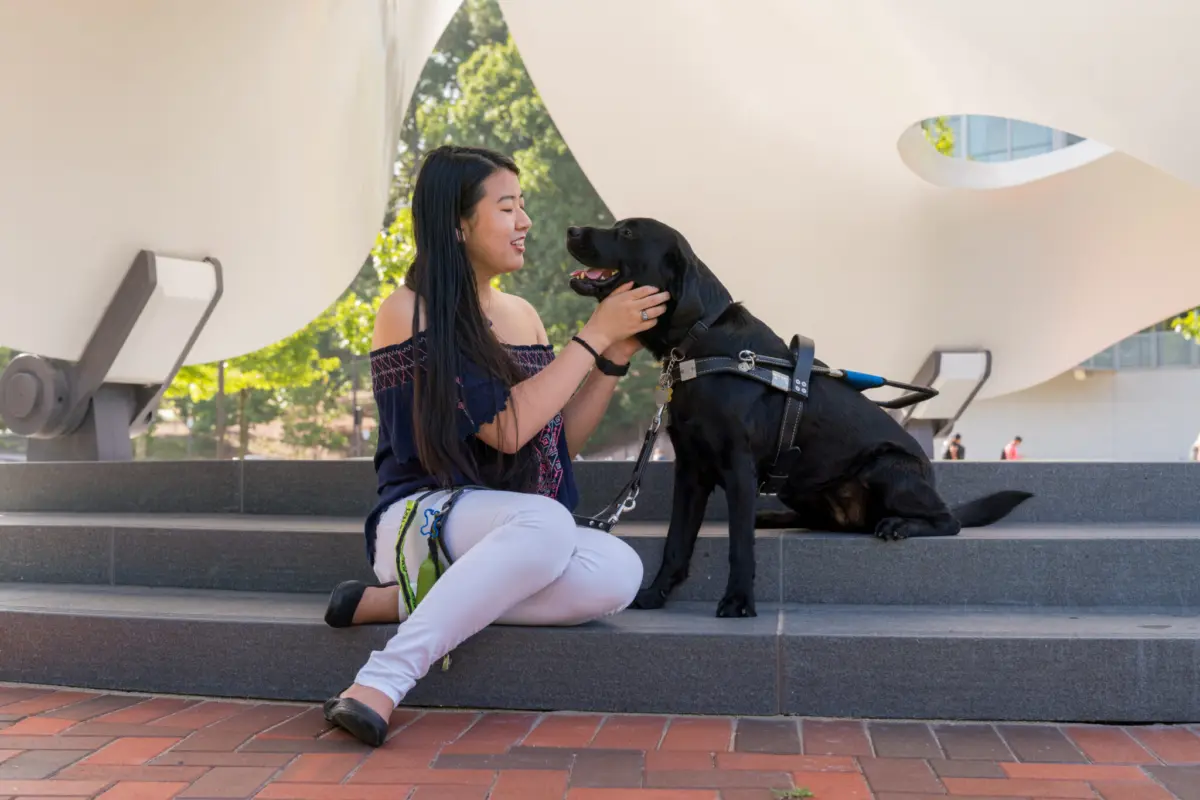
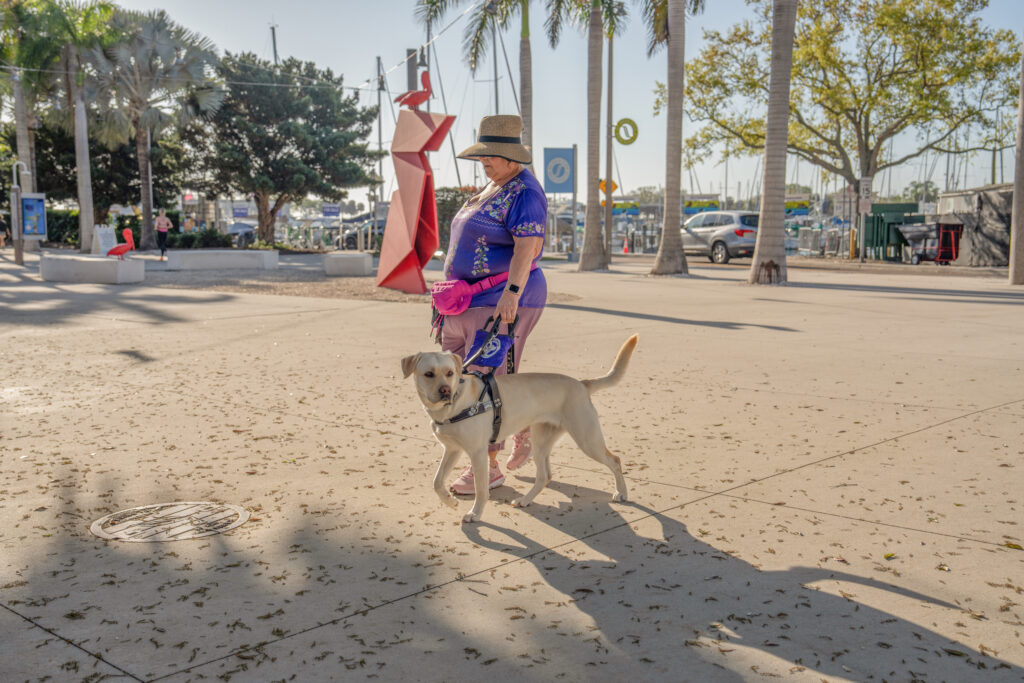
To the casual observer, the relationship between a working guide dog and its blind or visually impaired handler is a study in seamless obedience. Commands are issued, and actions are taken with practiced harmony. However, beneath the surface of this daily routine lies one of the most sophisticated concepts in modern animal training: intelligent disobedience.
Unlike conventional pet training—which prioritizes immediate compliance with commands like "sit," "stay," or "come"—guide dog education introduces a fascinating paradox. These exceptional service animals are systematically trained to assess their environment independently and refuse a handler’s command when executing it would place the team in physical danger. Whether it is resisting a "forward" cue while a vehicle runs a red light or steering away from an obscured construction hazard, intelligent disobedience represents the pinnacle of canine problem-solving.
This comprehensive report examines the mechanics of intelligent disobedience, tracing the rigorous two-year development pipeline from puppyhood to certified partnership. We explore the psychological foundations of trust required between handler and canine, the specialized evaluations conducted by mobility instructors, and the profound ways this advanced skill transforms personal independence for individuals navigating a complex world.
Detailed Chronology: The Making of a Decision-Maker
The journey toward mastering intelligent disobedience is not an overnight transformation; it is a meticulously structured, multi-stage developmental process that spans approximately two years. Every phase is designed to transition a curious puppy into a discerning, autonomous working partner.
Phase 1: Early Socialization and Foundation (Months 0–18)
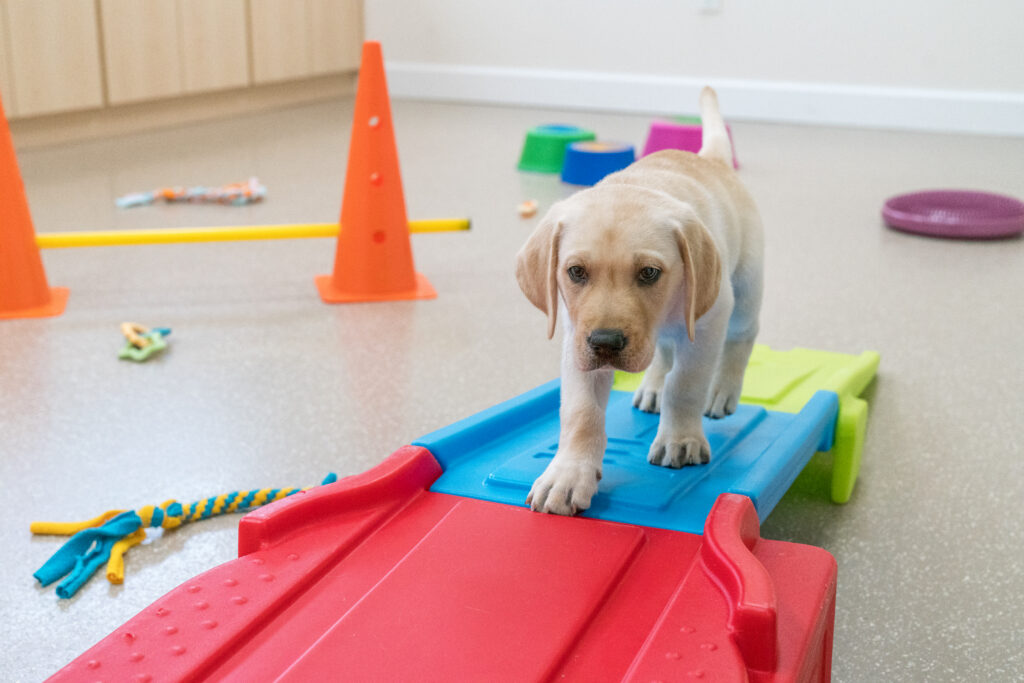
Long before a dog learns to countermand a human command, it must build a resilient neurological foundation. From birth, future guide dogs are placed with dedicated puppy raisers. During this critical window, the primary objectives are socialization, environmental exposure, and basic obedience.
Ecosystem Exposure: Puppies are routinely exposed to chaotic urban environments, public transit systems, crowded shopping centers, and unpredictable weather conditions.
Confidence Building: The goal is to cultivate a dog that remains calm and collected in the face of loud noises, strange textures, and sudden movements. Without baseline emotional stability, independent decision-making under pressure is impossible.
Phase 2: Advanced Professional Training (Months 18–24)
Once basic socialization is complete, the canine enters formal, advanced training overseen by professional mobility instructors. This intensive phase lasts a minimum of five months and shifts focus from simple compliance to situational analysis.
Hazard Recognition: Instructors deliberately introduce scenarios where a standard command conflicts with safety. For instance, a trainer might give a "forward" cue toward a simulated obstacle or a moving hazard.
Positive Reinforcement of Refusal: Unlike traditional training where refusing a command is discouraged, guide dog training rewards the dog for hesitation, stopping, or rerouting. The animal quickly learns that prioritizing safety yields high-value rewards (praise, treats, and play).
Nuanced Problem-Solving: Dogs are taught to calculate alternate routes. If a sidewalk is blocked by scaffolding or deep puddles, the dog learns to safely navigate around the obstruction rather than halting indefinitely or pushing blindly forward.
Phase 3: Matching and Team Integration
A dog’s training is only as effective as its partnership with its human handler. The final stage involves rigorous compatibility assessments, including specialized evaluations like the "Juno Walk."
Pace and Environment Matching: Instructors evaluate the prospective handler’s walking speed, everyday routes, and lifestyle needs.
Personality Harmonization: A high-energy, assertive dog might be paired with a brisk, confident traveler, while a more cautious handler may require a steady, deliberate canine partner.
Mutual Adjustment: Once matched, the handler and dog spend weeks training together, learning to read each other’s physical cues and establishing the bedrock of lifelong trust.
Supporting Context & Metrics: The Anatomy of a Life-Saving Choice
To understand why intelligent disobedience is necessary, one must examine the sensory dynamics of visual impairment. While visually impaired individuals rely heavily on auditory cues (such as the sound of traffic flow) and tactile feedback (such as textured sidewalk paving), certain hazards remain completely undetectable to human senses.
Common Triggers for Intelligent Disobedience
Guide dogs routinely leverage their environmental awareness to intervene in situations including:
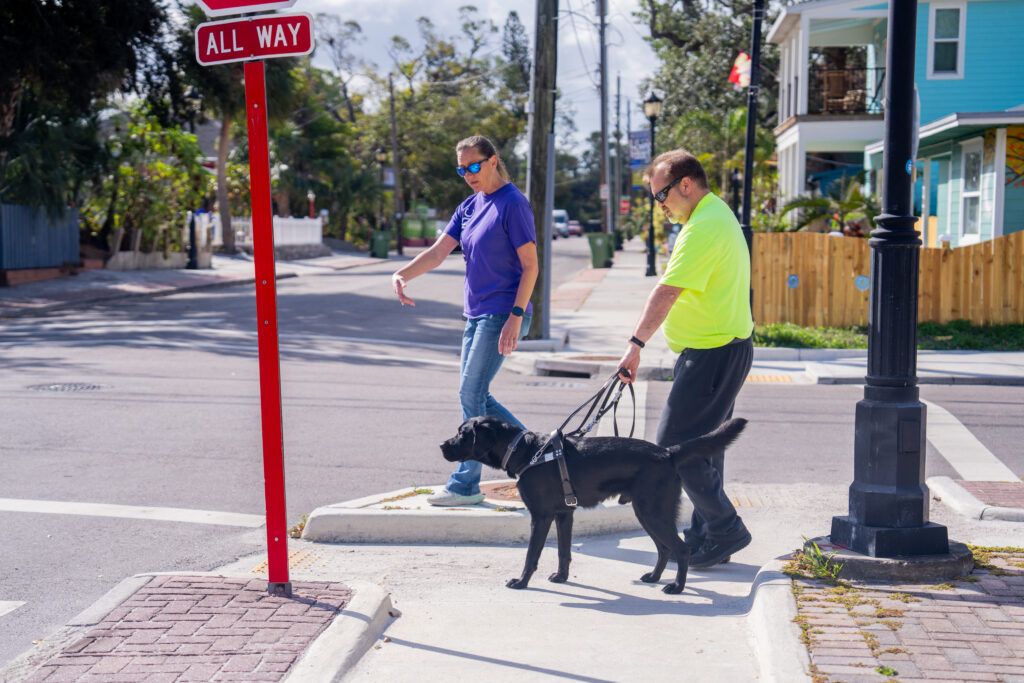
Vehicular Threats: Hesitating or anchoring in place when a driver turns unpredictably through a crosswalk despite a green pedestrian signal.
Overhead Obstructions: Recognizing clearance limits, such as low-hanging tree branches, stray construction scaffolding, or protruding signs that would strike a handler’s upper body.
Ground-Level Hazards: Detecting open manholes, deep construction trenches, uneven terrain, or icy patches that could cause severe falls.
Crowd and Obstacle Rerouting: Skillfully weaving around sudden blockages in crowded corridors or subway stations where direct paths become hazardous.
The Metrics of Success
While physical aptitude is vital, psychological metrics govern a dog’s suitability for guide work. According to leading service animal institutions, only a percentage of dogs that enter formal training successfully graduate. The attrition rate is largely driven by temperament:
Too Independent: A dog that makes decisions without regard for the handler’s destination becomes untrustworthy.
Too Submissive: A dog that lacks the inner confidence to say "no" when danger arises fails the rigorous safety standards required for urban mobility.
The Sweet Spot: The ideal guide dog achieves a delicate balance between cooperative compliance and independent situational judgment.
Official Statements & Expert Insights
Industry professionals and mobility specialists emphasize that intelligent disobedience redefines the traditional paradigm of human-animal interaction.
"Most people assume that training a working dog is about achieving absolute control," notes a senior guide dog mobility instructor. "In reality, true professional guide work is about cultivating a collaborative team. When a dog says ‘no’ by planting its feet and refusing to move forward, it is not exhibiting disobedience; it is exercising the highest form of loyalty and critical thinking."
Accessibility advocates and handlers echo this sentiment, stressing that the partnership functions as a cognitive loop:
The Handler’s Role: Provides directional guidance ("Where do we need to go?").
The Canine’s Role: Provides tactical safety navigation ("How do we get there safely without getting hurt?").
"Navigating a busy metropolis without sight can be an exercise in vulnerability," shares a veteran guide dog handler. "Knowing that my partner has my back—and has the courage to ignore me when my own judgment lapses—completely changes my relationship with the world. It replaces anxiety with unyielding confidence."
Future Outlook: Evolution of Guide Dog Mobility and Training
As urban environments grow increasingly complex, quiet electric vehicles (EVs) proliferate, and micro-mobility devices (such as electric scooters abandoned on sidewalks) create new pedestrian hazards, the demand for advanced canine judgment has never been higher.
Technological and Environmental Shifts
The modern urban landscape presents unprecedented acoustic challenges. Quiet electric cars lack the traditional engine roar that visually impaired pedestrians have historically relied upon to judge traffic flow. Consequently, guide dogs are increasingly serving as the primary auditory and visual safety net against silent vehicular threats.
Innovations in Training Methodology
Guide dog organizations continue to refine their breeding and training pipelines using data-driven behavioral tracking. By analyzing puppy development milestones, stress responses, and problem-solving behaviors at younger ages, trainers can tailor socialization programs to address emerging urban hazards.
Furthermore, public awareness campaigns are expanding. Educating the general public about intelligent disobedience ensures that bystanders do not misinterpret a guide dog’s refusal to move as "stubbornness" or misbehave by attempting to pull or distract the working team during critical safety interventions.
Conclusion
Intelligent disobedience stands as a testament to the remarkable cognitive capacity and emotional depth of dogs. By bridging the gap between obedience and autonomy, these animals transcend the traditional role of a pet or working tool, evolving into true partners in survival, freedom, and independence. Through rigorous breeding, compassionate training, and a profound foundation of mutual trust, guide dogs continue to rewrite the rules of what it means to lead.