
Executive Overview
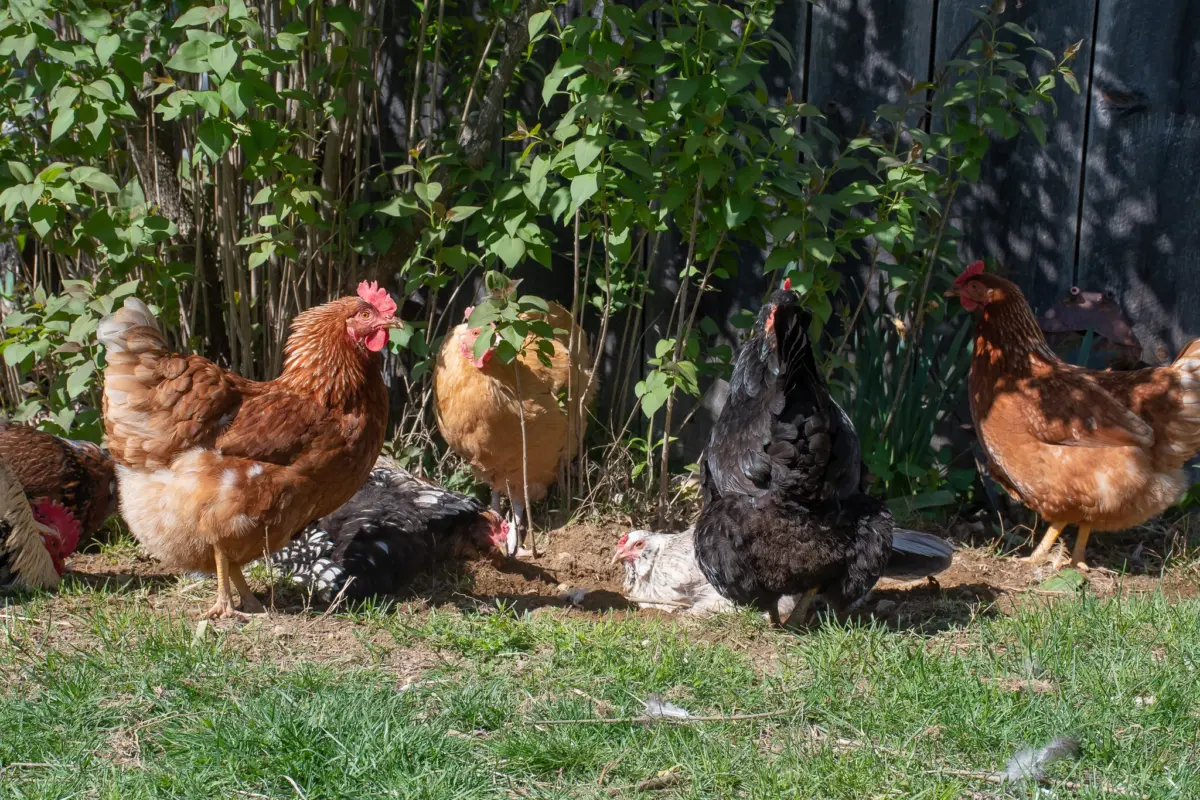
Over the past several years, the suburban and rural landscape of North America has undergone a quiet agricultural transformation. Driven by pandemic-era lifestyle changes, inflation, and persistent spikes in commercial egg prices, raising backyard chickens has transitioned from an eccentric homesteading hobby into a mainstream movement. Millions of households are trading traditional pets for flocks of egg-laying hens, seeking both self-sufficiency and the simple, therapeutic joy of tending to livestock.
However, the reality of keeping poultry extends far beyond picturesque mornings collecting warm, pastel-colored eggs. Raising chickens demands a rigorous commitment to animal husbandry, rigorous biosecurity measures, strict adherence to municipal zoning laws, and a realistic financial investment. This comprehensive guide synthesizes expert veterinary insights, hours of meticulous product research, and real-world homesteading experiences to equip first-time chicken keepers with the authoritative knowledge needed to build, maintain, and sustain a healthy backyard flock.
Detailed Chronology: From Hatching to Homestead
Embarking on a poultry journey requires an understanding of a chicken’s lifecycle, moving from fragile newborn chicks to mature laying hens.
Phase 1: The Brooder Box (Weeks 0 to 4–8)
Chicks arrive at your doorstep or local feed store when they are roughly 24 hours old. Because newborns cannot regulate their own body temperature and lack protective feathers, they must be housed in a protected indoor environment known as a brooder box.
- The Setup: A 74-quart plastic storage tote (such as a weathertight bin modified with a wire-mesh lid for ventilation) provides a secure, easy-to-clean nursery for up to half a dozen chicks.
- Thermal Management: Chicks require a reliable heat source—either traditional clamp-style heat lamps with infrared bulbs or modern radiant heating plates like the Brinsea EcoGlow. As feathers develop over the first two months, the heat source is systematically adjusted or raised.
- Transition: Once fully feathered and capable of navigating moderate temperatures, the young pullets graduate from the indoor brooder to the permanent outdoor coop.
Phase 2: The Coop and Pullet Integration (Months 2 to 5)
Moving outside introduces birds to a new hierarchy and environment. Prefabricated coops, such as the Petmate Superior Construction Chicken Coop, offer a practical housing solution for beginners. During this stage, pullets learn to use roosting bars, establish social pecking orders, and adapt to natural daylight cycles.
Phase 3: The Production Peak (Months 5 and Beyond)
Around the five-month mark, most pullets reach sexual maturity and begin laying eggs. Production peaks during the long, sunlit days of spring and summer, tapering off naturally during the shorter days of winter or during annual molting periods. Well-fed, healthy hens can maintain consistent egg production for two to three years, continuing to live comfortable, active lives for up to a decade.
Supporting Context & Metrics: Economics, Housing, and Nutrition
Financial Realities and Budgeting
While a newborn chick typically costs under $10, the total cost of entry involves several essential capital investments and ongoing expenditures:
- One-Time Capital Costs: Prefabricated coops range from $400 for basic models to upwards of $1,000+ for heavy-duty plastic or custom-built structures (such as the Omlet Eglu Cube or Roost & Root systems). Add in feeders, waterers, heat plates, and predator-proofing hardware, and a beginner can expect an initial setup cost between $500 and $1,500.
- Ongoing Expenses: A mature laying hen consumes roughly 2 pounds of feed per week. Combined with bedding (pine shavings), calcium supplements, and grit, ongoing maintenance requires a steady, predictable monthly grocery budget for your flock.
Housing Space Requirements
A common pitfall for beginners is overcrowding. Industry experts emphasize distinct space metrics to prevent stress, pecking, and disease:
- Coop Space: Author Gail Damerow recommends allowing 4 square feet of indoor space per chicken. While some manufacturers claim higher capacities, giving birds ample interior room prevents aggressive behaviors during inclement weather.
- Run Space: Enclosed outdoor runs should provide at least 8 to 10 square feet per bird if they are not free-ranging daily in an open yard.
Nutritional Architecture
Poultry nutrition directly dictates egg quality and shell integrity. Commercial feeds are divided into distinct formulations:
- Starter Feed (Medicated): High-protein feeds formulated for chicks. Medicated options typically include a safe preventative agent against coccidiosis, a fatal intestinal parasite.
- Layer Feed: Introduced around 16 weeks of age, layer feed features balanced proteins and elevated calcium levels required for continuous eggshell production.
- Calcium Supplements: Free-choice oyster shell or calcium carbonate powder should always be accessible to laying hens.
- Dietary Restrictions: Treats (mealworms, scratch grains, and kitchen vegetable scraps) should never exceed 10% of a hen’s daily caloric intake to prevent obesity, which severely impacts egg production and lifespan.
Official Statements and Expert Guidance
Navigating avian health and biosecurity requires consulting veterinary professionals and veteran agriculturalists.
Public Health and Biosecurity
Veterinarians from the University of California, Davis School of Veterinary Medicine emphasize strict biosecurity protocols. Dr. Michelle Hawkins and Dr. Maurice Pitesky stress that backyard poultry can act as asymptomatic carriers of Salmonella.
- “Most of the time, Salmonella does not affect the chicken; it’s going to affect your little children,” notes Dr. Hawkins, who strongly discourages children under the age of five from handling poultry due to hygiene risks.
- Experts universally advise keeping chickens entirely outdoors, wearing dedicated cleaning gloves, washing hands thoroughly with soap for at least 20 seconds post-handling, and ensuring feed is stored securely in pest-proof, locking containers (such as heavy-duty metal bins or Rubbermaid ActionPacker totes) to deter wildlife like bears, raccoons, and rodents.
Legal and Municipal Compliance
Before purchasing your first chick, consulting local municipal zoning laws is mandatory. Many municipalities enforce strict regulations governing:
- The total number of permitted birds.
- Minimum setbacks between coops and neighboring property lines.
- Complete bans on roosters due to noise ordinances.
Future Outlook: Sustainability, Longevity, and Flock Management
As the backyard chicken movement matures into a permanent fixture of suburban and rural American life, owners are increasingly looking toward long-term flock management.
Managing Aging Flocks
A frequently overlooked reality of keeping poultry is their lifespan. While peak egg production begins to decline after three to four years, healthy hens can live up to 10 years. Owners must decide whether to integrate new pullets every few years to maintain a steady egg supply or transition older, non-laying hens into peaceful retirement pets.
The Evolution of Backyard Infrastructure
The market for poultry equipment continues to innovate. Manufacturers are responding to consumer demand with more durable materials, predator-resistant automatic doors, and weather-insulated coops designed to withstand harsh northern winters and extreme southern heatwaves. Furthermore, community-driven agricultural programs—such as 4-H clubs and university cooperative extension systems—are expanding educational resources for urban and suburban farmers alike.
Ultimately, raising backyard chickens bridges the gap between modern sustainable living and timeless agricultural traditions. By approaching the endeavor with thorough research, realistic budgeting, and proper biosecurity habits, new chicken keepers can ensure a thriving, productive flock that enriches their homestead for years to come.