
Executive Overview
For centuries, canine companionship has been studied through the lens of undivided loyalty, while felines have frequently been relegated to the realm of aloof, independent survivalists. Yet, millions of cat owners can attest to a profound, singular devotion: the phenomenon of the "one-person cat." These are felines that appear to possess a biological radar for a specific human, waiting outside closed bathroom doors, shadowing them from room to room, and selecting their lap above all others in a crowded household.
While popular culture often frames this behavior as an unpredictable whim, modern feline behavioral science and breed genetics reveal a more structured reality. Certain cat breeds possess hereditary traits—ranging from heightened social intelligence to intense neoteny (retaining juvenile attachment behaviors)—that predispose them to forge deep, exclusive human bonds.
This comprehensive analysis examines the anatomical, psychological, and genetic foundations of human-feline attachment. By evaluating thirteen distinct cat breeds renowned for their people-oriented dispositions, this report provides an authoritative guide for behaviorists, veterinarians, and devoted pet owners seeking to understand the mechanics of feline loyalty.
Detailed Chronology: The Evolution of Feline-Human Bonding
To comprehend why certain cats single out a specific human, one must examine the evolutionary timeline of Felis catus and its domestication process.
- Circa 10,000 BCE (The Neolithic Shift): Unlike dogs, which were domesticated primarily as working partners and pack hunters, early cats self-domesticated. They gravitated toward human agrarian settlements to prey on rodents attracted to grain stores. This transactional relationship favored independence over hyper-social obedience.
- Ancient Domestication & Selection (Circa 3000 BCE onward): As cats integrated into human households—most notably in ancient Egypt—selective pressures began to shift. Felines that displayed higher tolerances for human proximity, lower stress thresholds in shared environments, and communicative vocalizations were favored and integrated into domestic life.
- The 19th and 20th Centuries (Modern Breed Development): The formalization of cat fancying led to the deliberate breeding of specific physical and behavioral traits. Breeds such as the Siamese, Burmese, and Russian Blue were refined in closed breeding pools, inadvertently solidifying hyper-social or highly selective temperament markers.
- Contemporary Behavioral Science (21st Century): Modern ethological studies—including the adaptation of the "Ainsworth Strange Situation Test" for cats by researchers at Oregon State University—have scientifically proven that cats form secure and insecure attachments to their human caregivers, challenging the long-held myth that felines view humans merely as food dispensers.
Supporting Context & Metrics: The Anatomy of Attachment
Feline attachment is not driven solely by affection; it is a complex neurological and behavioral dance influenced by sensory processing, routine reinforcement, and genetics.
The Role of Socialization Windows
Behavioral veterinarians emphasize the critical socialization period in kittens—roughly between two and seven weeks of age. During this narrow window, kittens exposed to gentle, consistent handling by a specific human learn to map that human profile as a primary source of safety and security.
Sensory Cues and Predictability
Cats are creatures of strict routine. Studies in feline olfaction and neurobiology indicate that cats rely heavily on scent-matching and auditory cues. The "chosen" human is frequently the individual who provides predictable outcomes: consistent feeding times, reliable play schedules, calm vocal tones, and strict respect for physical boundaries.
Breed Predisposition Metrics
While individual personality always overrides breed generalizations, specific genetic lineages demonstrate statistically significant variances in sociability, vocalization frequency, and dependency. The following breed profiles represent the zenith of feline-human connectivity.

Breed Profiles: Thirteen Masters of Feline Loyalty
1. Ragdoll
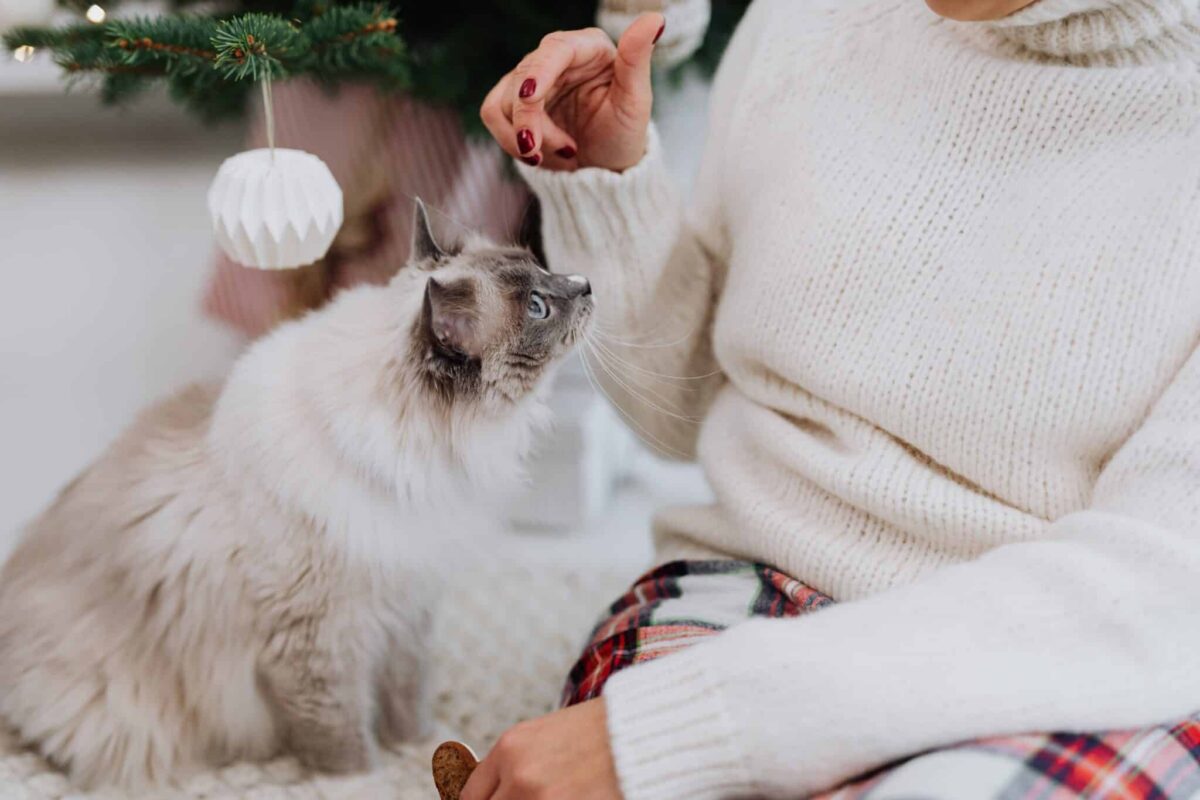
Famed for their limp, relaxed posture when cradled—hence the name—Ragdolls express loyalty through constant, quiet companionship. Rather than demanding continuous vocal interaction, they act as domestic shadows, following their preferred person from room to room. Their willingness to engage in interactive games like fetch reinforces a positive feedback loop with a primary caregiver.
2. Birman
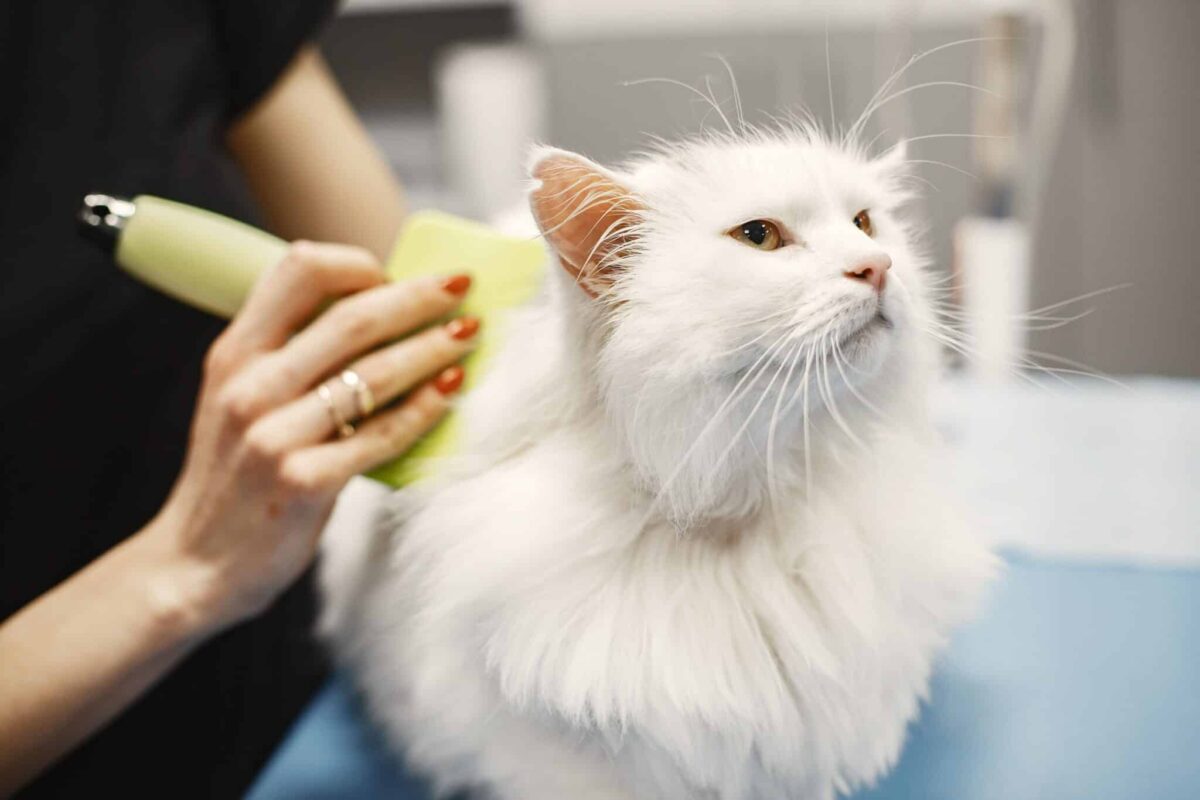
Referred to in legend as the "Sacred Cat of Burma," the Birman possesses an innate gentleness. Birmans frequently appoint a favorite caregiver, particularly the person who provides quiet companionship, consistent grooming, and predictable feeding routines. Their soft, melodic vocalizations serve as a direct conversational bridge to their chosen human.
3. Burmese
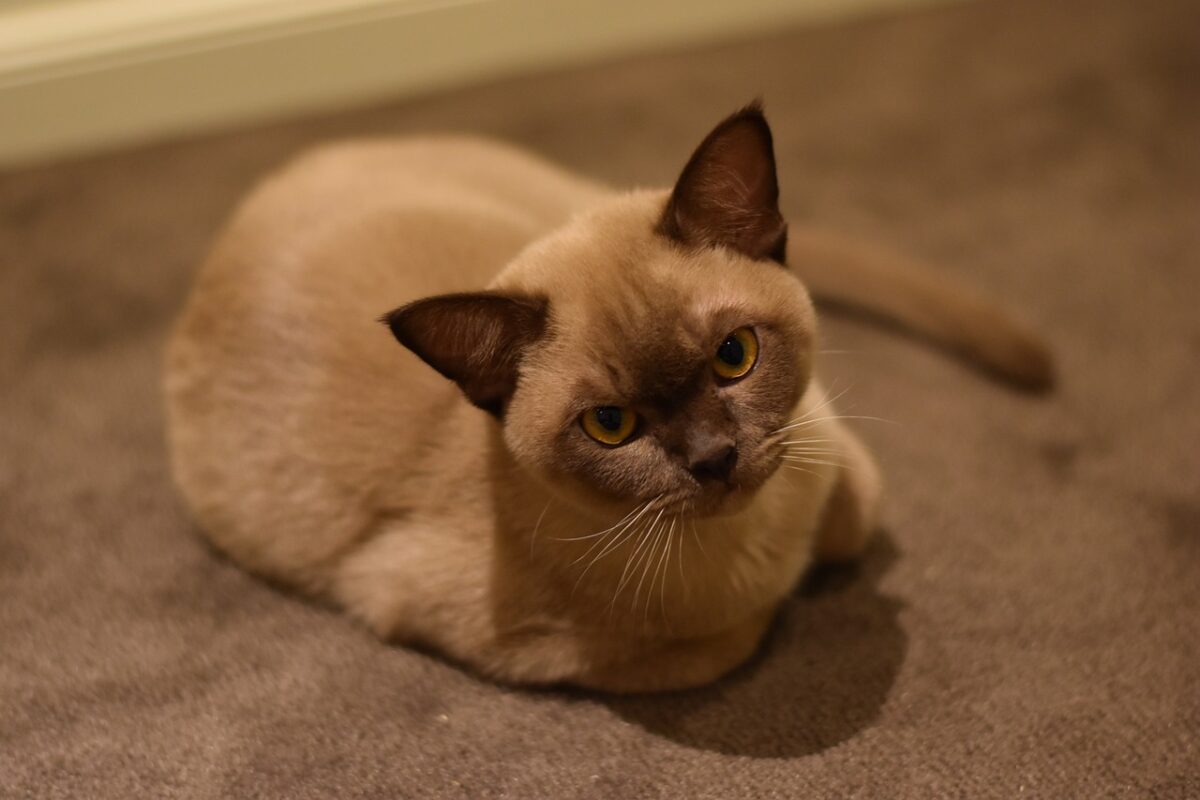
Burmese cats elevate companionship to a full-time vocation. Highly intelligent and intensely social, they actively seek out laps, supervise computer work, and demand regular engagement. While affectionate with entire families, a Burmese often exhibits an unmistakable preference for the household member who matches their high energy and intellectual curiosity through puzzle toys and daily interactive play.
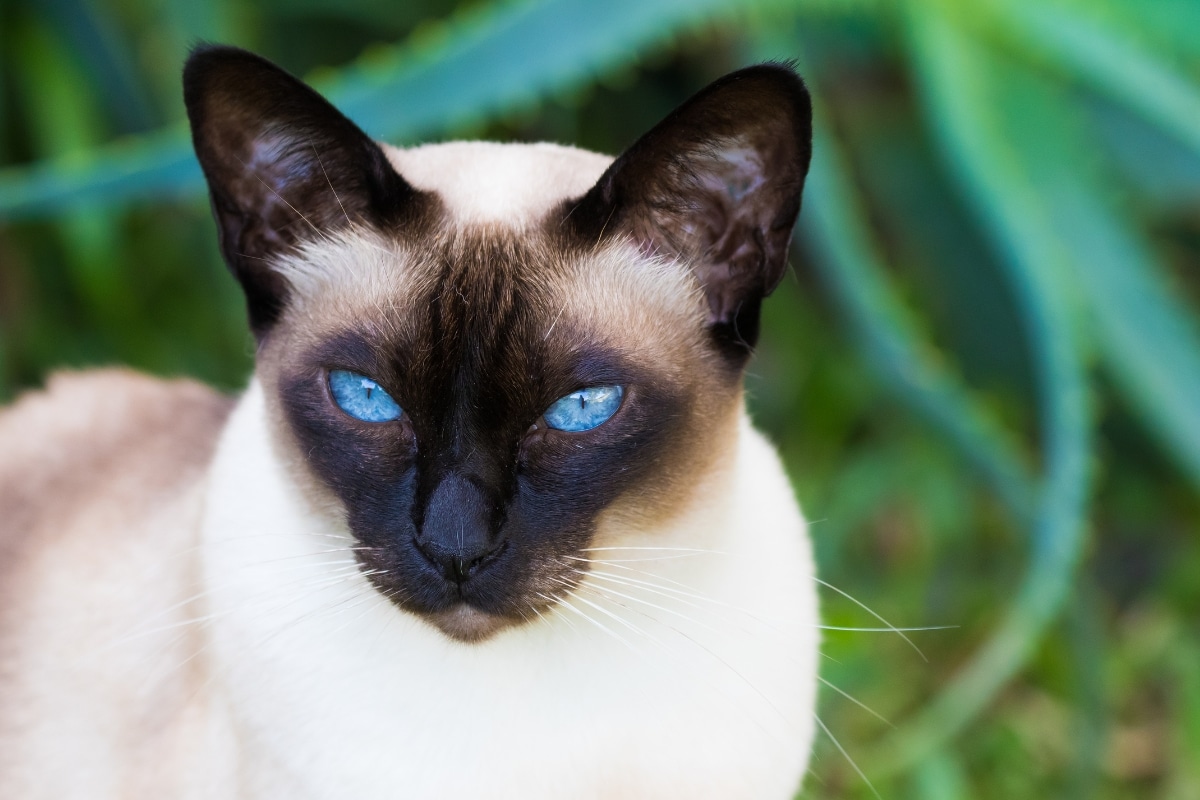
4. Siamese
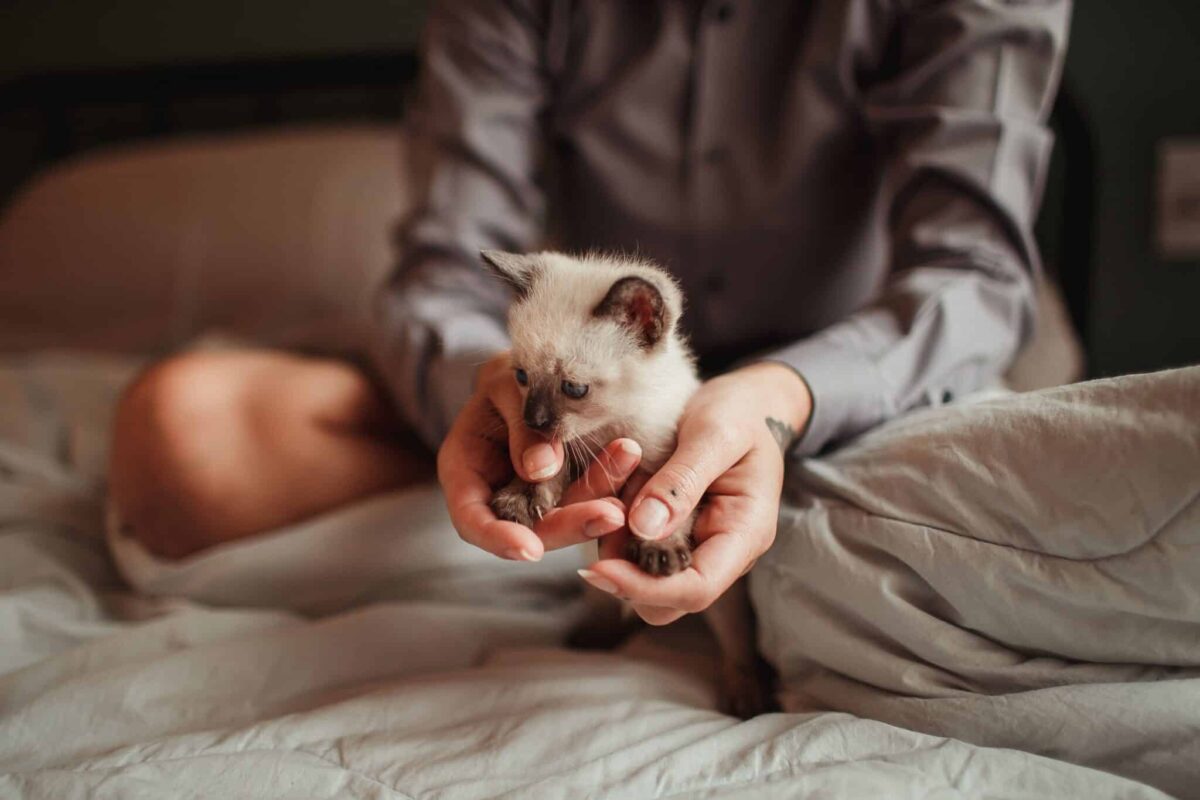
Few breeds display their social preferences as audibly as the Siamese. Highly intelligent and exceptionally vocal, the Siamese forms a powerful, communicative bond with the human who responds to their conversational prompts. Their relationships resemble an active dialogue rather than passive devotion, with the cat supervising chores, demanding play, and expressing clear opinions on household management.
5. Tonkinese
Blending the genetic traits of the Siamese and Burmese, the Tonkinese is an intensely engaging companion. They deeply dislike prolonged isolation and bond through active participation—whether joining in household exploration, learning tricks, or sharing cuddling sessions. While adaptable to multiple family members, they typically cultivate a deeply entrenched primary attachment.
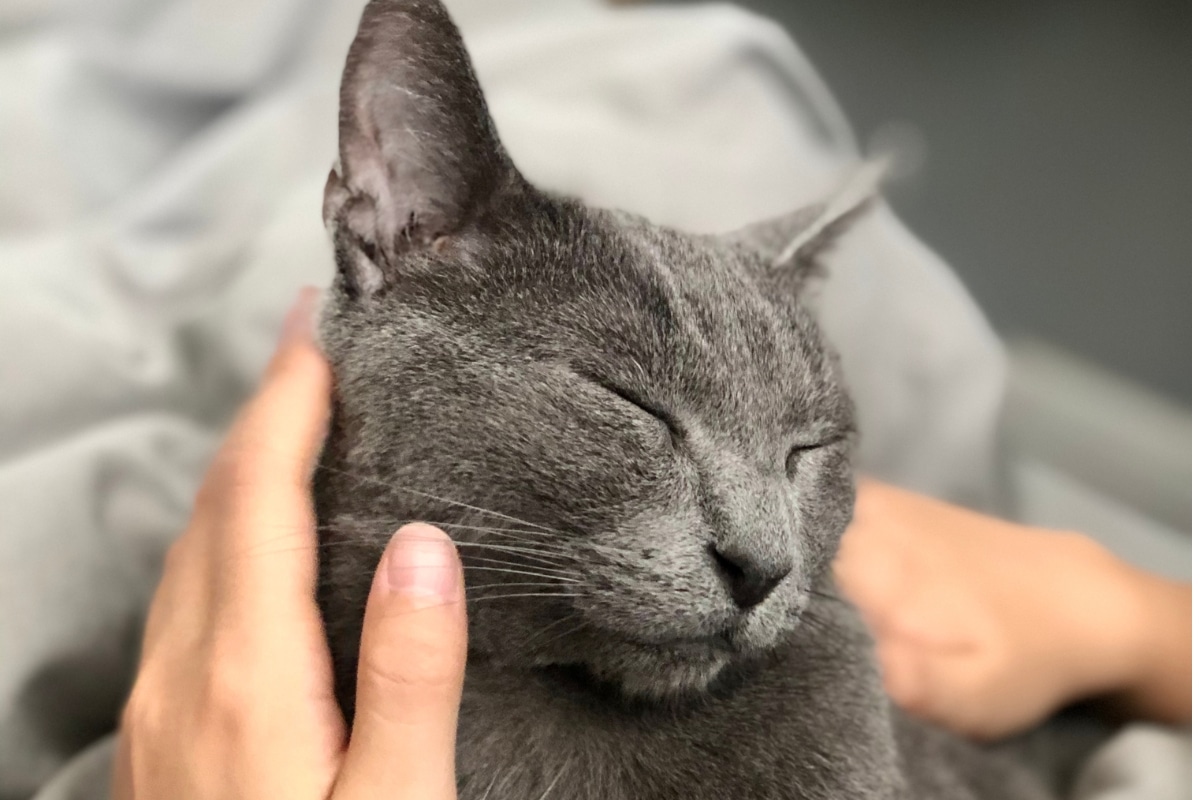
6. Russian Blue
The Russian Blue practices a more discerning brand of affection. Initially reserved and cautious around strangers, these silver-coated cats observe humans carefully before extending trust. Once a Russian Blue selects a primary human, their loyalty is absolute. Their devotion is characterized by quiet companionship, bringing toys to their preferred person, and maintaining a steadfast, peaceful presence.
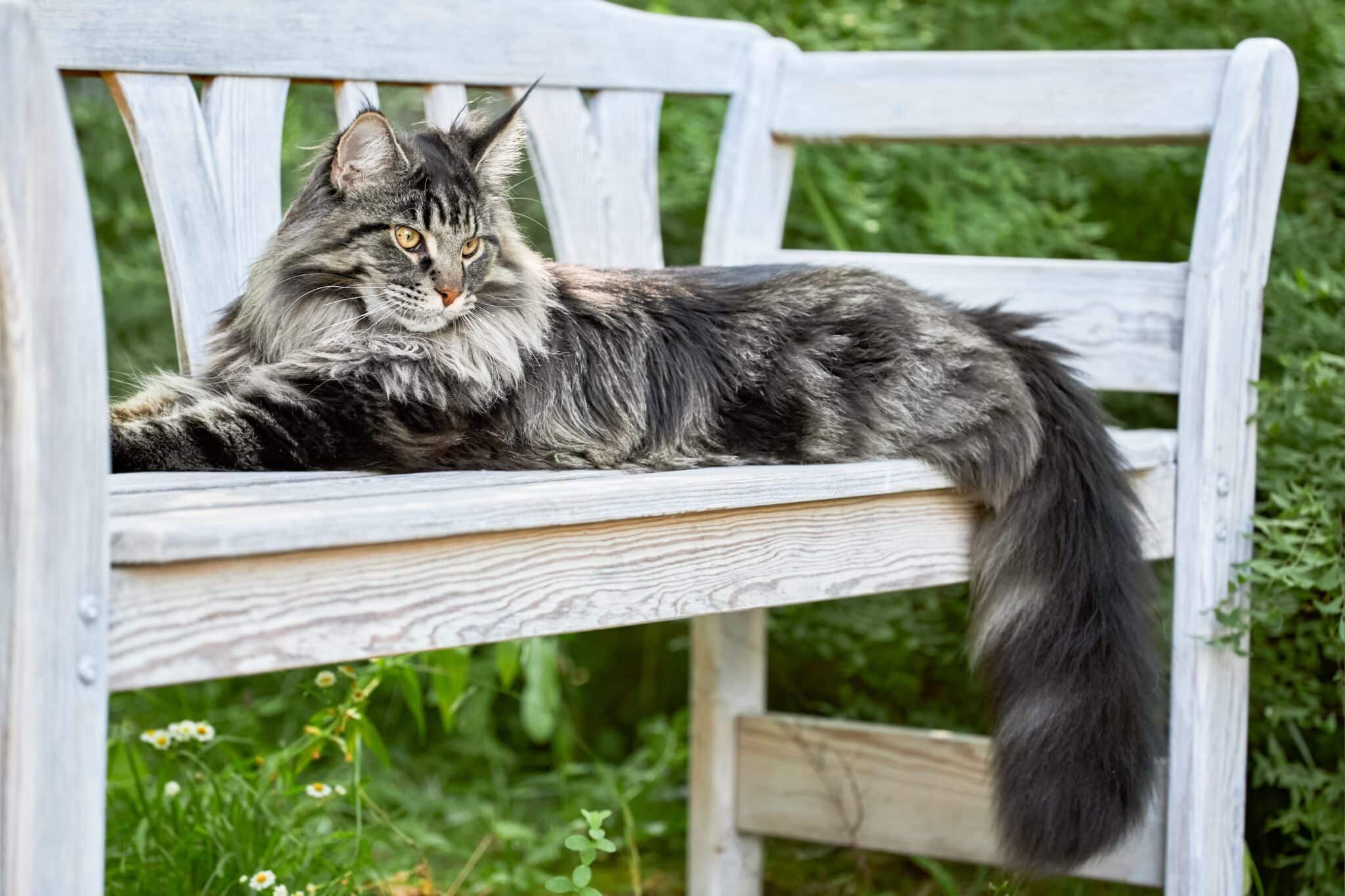
7. Maine Coon
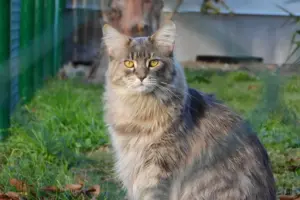
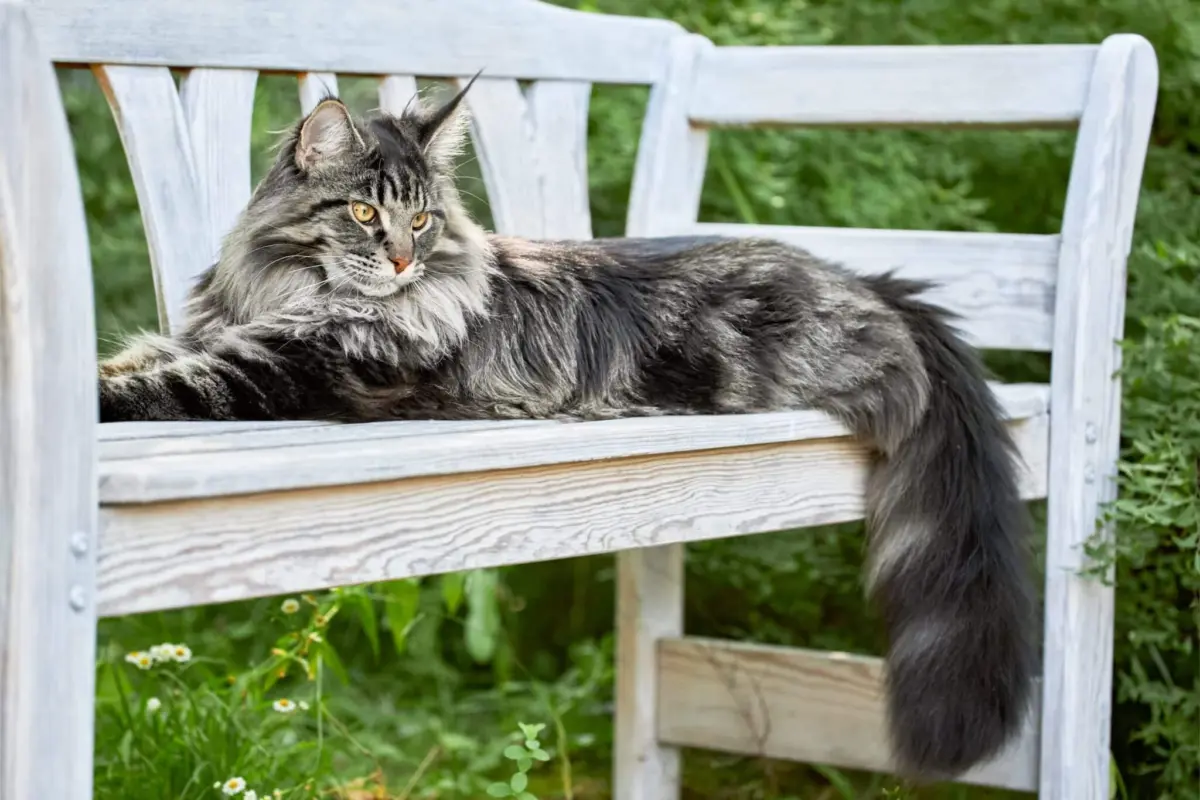
Despite their massive physical stature and rugged working-cat origins, Maine Coons are gentle giants with understated loyalty. They frequently patrol the home alongside their chosen human, waiting outside closed doors and participating in household activities without demanding constant physical confinement. Their playful nature persists well into adulthood, turning shared games into lifelong bonding rituals.
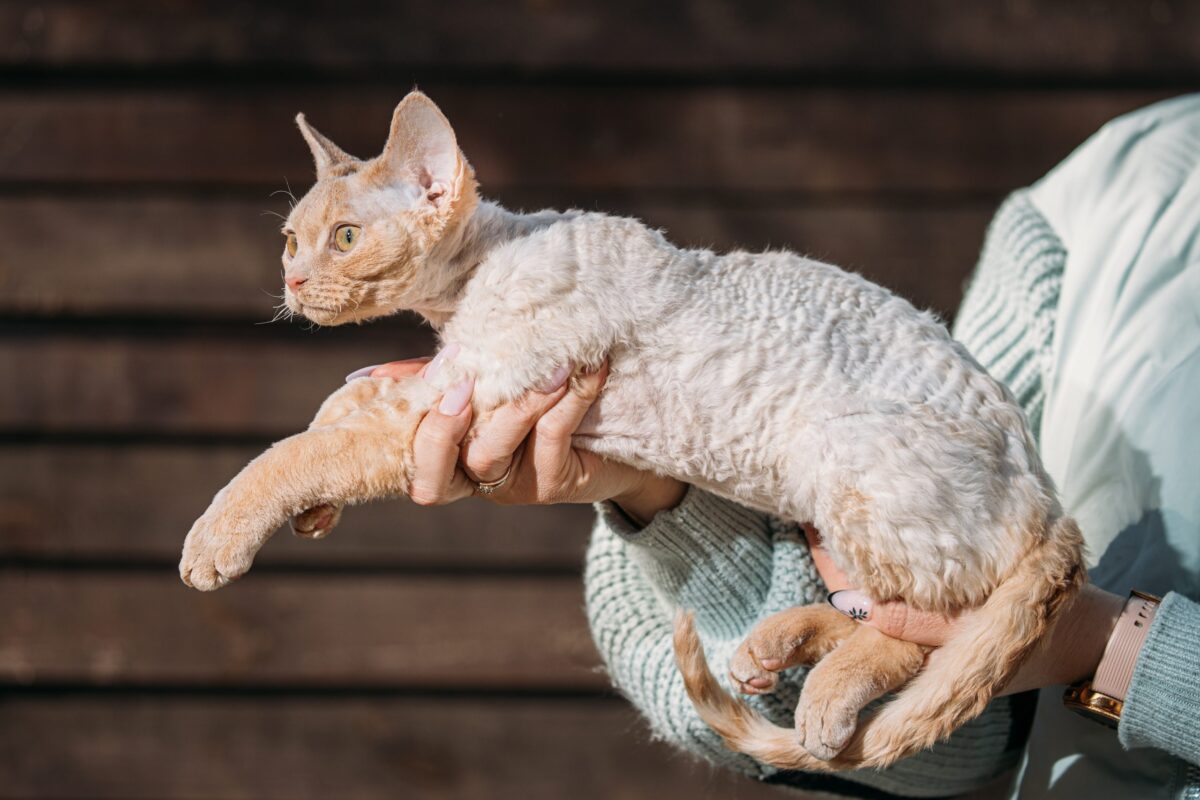
8. Devon Rex
Characterized by their oversized ears, pixie-like faces, and soft, curly coats, Devon Rex cats refuse to be excluded from daily activities. They perch on shoulders, burrow under bedcovers, and supervise kitchen operations with microscopic precision. Their high intelligence requires robust mental stimulation, making a devoted human partner essential to their psychological well-being.
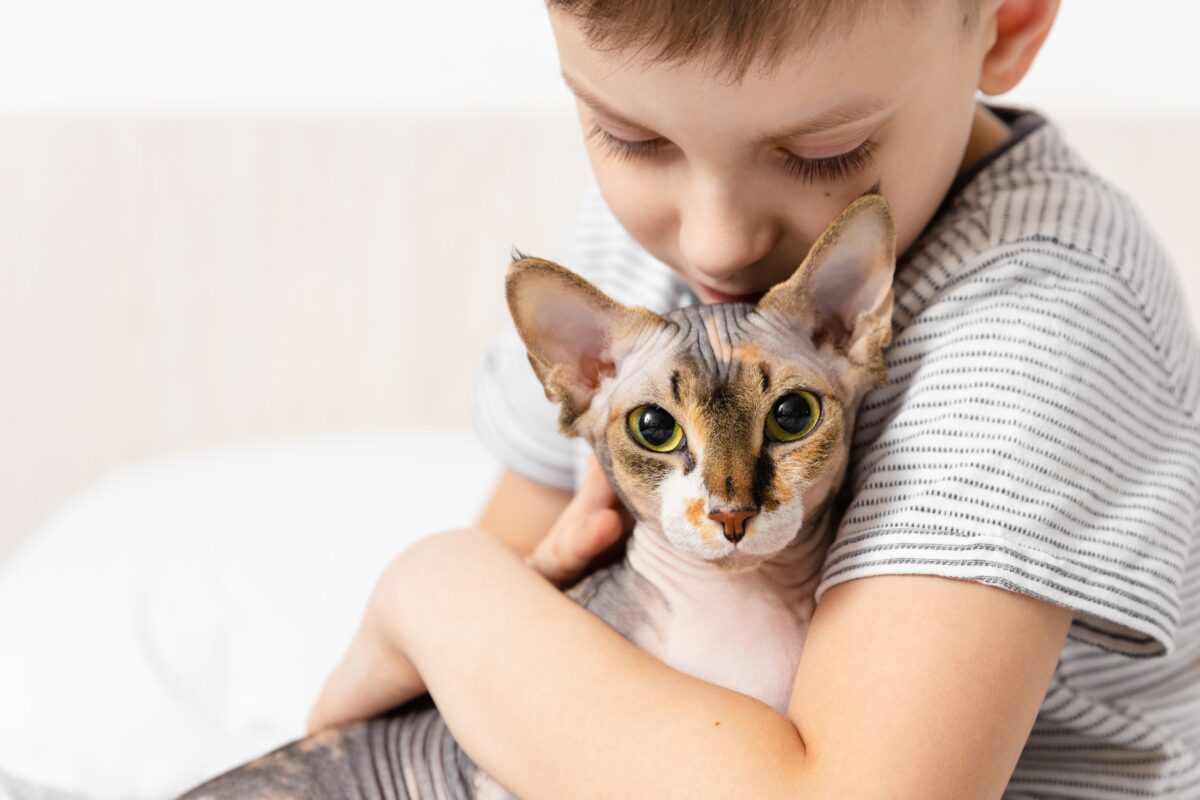
9. Sphynx
Due to their lack of a traditional fur coat, Sphynx cats have a heightened physical need for external warmth, which translates directly into an intense drive for physical closeness. They frequently sleep under the bedcovers, cling to shoulders, and map their daily routine around a human heat source. Beyond temperature regulation, however, their affectionate, inquisitive personalities cement a deeply emotional bond.
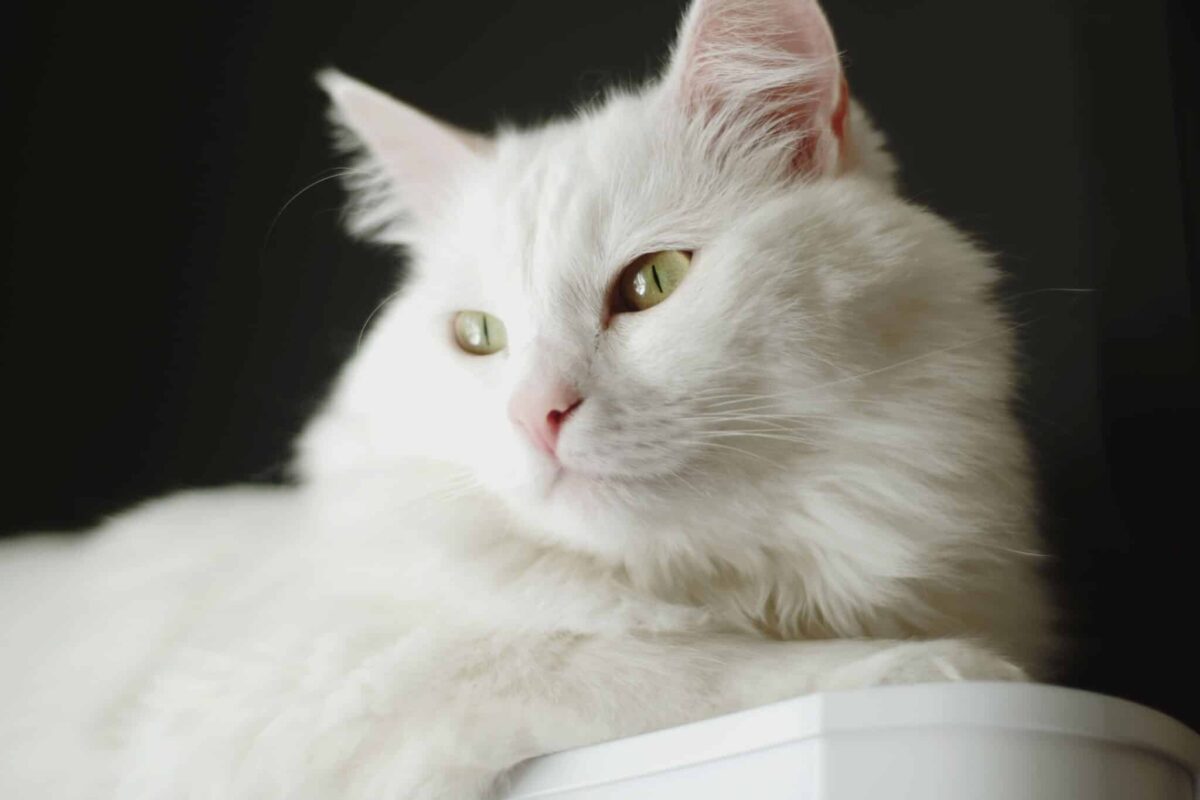
10. Turkish Angora
Graceful, athletic, and fiercely intelligent, the Turkish Angora expresses attachment through active involvement in human affairs. They are not lap-sitters in the traditional sense; instead, they prefer to walk beside their owners, investigate projects, and communicate creatively when ignored. A human who supports their need for physical and mental exploration will quickly become their preferred partner.
11. Bombay
Carrying the sleek, coal-black aesthetic of a miniature panther, the Bombay derives its affectionate nature from Burmese and American Shorthair ancestry. They greet their humans at the door, rub against ankles during meal preparation, and claim chests and laps during evening relaxation. Their enthusiastic sociability makes them deeply integrated family members with a distinct soft spot for their primary caregiver.
12. Korat
With origins rooted in ancient Thailand as symbols of good luck, Korats form intensely focused social bonds. They value consistency above all else and can become noticeably distressed or withdrawn when their primary human is absent. Their sensitivity to household dynamics means they prefer stable environments where they can dedicate their attention to a favored companion.
13. Oriental Shorthair
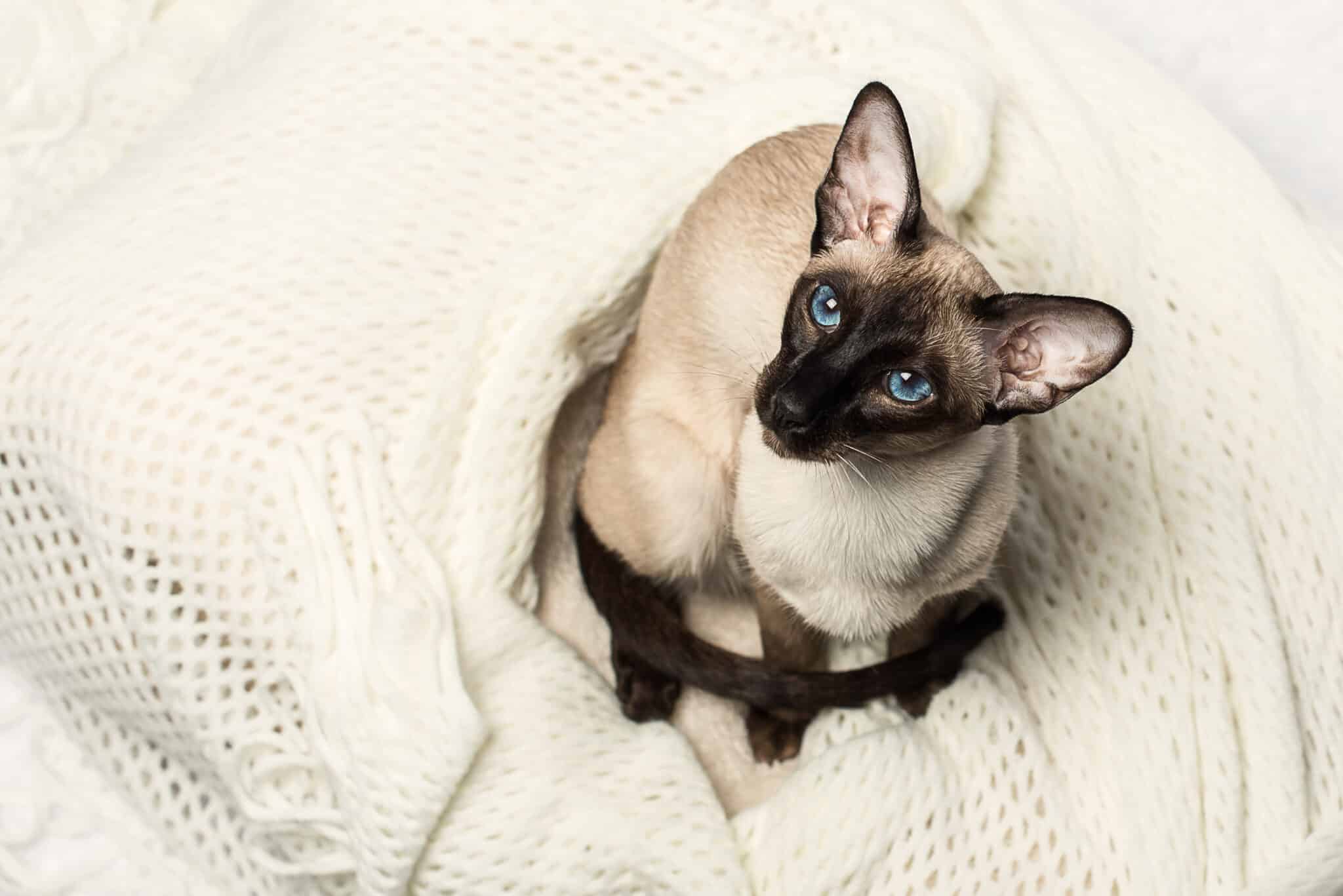
A close cousin to the Siamese, the Oriental Shorthair is an exceptionally lively, talkative, and emotionally sensitive breed. While capable of interacting politely with visitors, they often forge an unbreakable alliance with one household member who understands their complex vocalizations, runs interactive play sessions, and shares nightly sleeping quarters.
Official Statements and Veterinary Insights
To further validate the dynamics of feline-human bonding, leading ethologists and feline veterinarians offer critical perspective:
"The notion that cats are fundamentally antisocial is an outdated misconception. When we examine feline neurochemistry and behavioral adaptation, we see that cats form secure attachment bonds remarkably similar to those observed in dogs and human infants. The choice of a ‘favorite person’ is governed by a combination of early socialization, subtle consistency in human signaling, and the cat’s individual threshold for emotional security."
— Dr. Elizabeth Vance, Chair of Feline Behavioral Ethology
Veterinary consensus reinforces that honoring a cat’s autonomy is the single most effective way to solidify a primary bond. Felines respond poorly to forced physical affection; thus, the humans who win their long-term loyalty are almost invariably those who respect physical boundaries while providing reliable resources and positive reinforcement.
Future Outlook
As urban living expands and more households adopt indoor-only companion animals, the psychological health of domestic felines is receiving unprecedented scientific scrutiny. Future research in feline genomics is expected to shed further light on the specific neurotransmitter receptors—such as oxytocin and vasopressin pathways—that regulate social bonding in cats.
For cat owners, understanding that a feline’s devotion is rooted in evolutionary history, sensory predictability, and mutual respect elevates the human-animal bond. Whether sharing a home with an independent Russian Blue or an ever-present Sphynx, recognizing the unique language of feline attachment transforms the shared living space into an environment of profound, cross-species harmony.