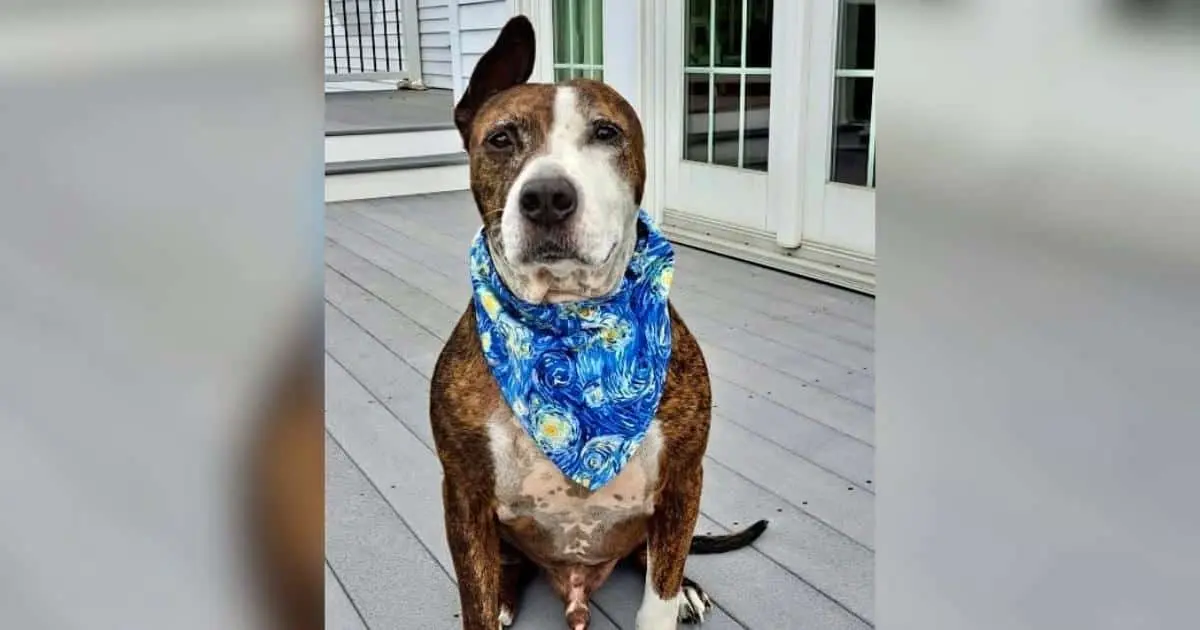
The intersection of animal welfare, trauma-informed canine rehabilitation, and innovative philanthropic marketing was epitomized by the life of Van Gogh, a one-eared pit bull mix whose journey from the brutal world of illicit dogfighting to international artistic acclaim challenged systemic perceptions of "unadoptable" animals. Rescued from severe neglect and physical mutilation, Van Gogh became a global symbol of resilience through an ingenious, sensory-based painting technique. His abstract canvases, created using his tongue and peanut butter, raised thousands of dollars for grassroots animal welfare and established a blueprint for shelter enrichment programs worldwide.
Recently, Happily Furever After Rescue, the Connecticut-based non-profit organization that orchestrated his rescue and rise to fame, announced Van Gogh’s death following a terminal recurrence of aggressive, metastatic cancer. While his passing marks a somber chapter for his adoptive family and global following, his legacy offers a profound case study in the efficacy of cognitive enrichment for traumatized animals, the power of digital storytelling in non-profit fundraising, and the capacity of abused animals to undergo profound psychological rehabilitation when afforded safety, patience, and compassion.
From the Shadows of the Fighting Ring to Medical Sanctuary
Van Gogh’s early life was defined by the systemic violence of the underground dogfighting industry. Found abandoned and severely wounded as a stray, veterinary examinations indicated he had been used as a "bait dog"—an animal utilized to test the fighting instincts of other dogs, often resulting in catastrophic injuries.
Among his numerous lacerations and deep tissue scars, his left ear had suffered extensive, irreversible trauma. To prevent systemic infection and alleviate chronic pain, veterinarians performed an emergency amputation of the remaining ear tissue. The physical loss of his ear left a permanent, highly visible reminder of his survival, but it also became the catalyst for his symbolic reinvention.
The Stagnancy of Shelter Life
In 2020, Jaclyn Gartner, the founder of Happily Furever After Rescue, discovered Van Gogh’s profile on a digital shelter database. Recognized by rescue staff as remarkably gentle despite his history of extreme physical abuse, Van Gogh was transferred under the care of Gartner’s organization.
However, the rescue quickly encountered a systemic hurdle common in the animal welfare sector: the prolonged shelter stay of pit bull-type breeds with history-based stigmas. Despite his affectionate demeanor, months passed without a single adoption inquiry. The combination of his breed, his physical disfigurement, and the psychological assumptions associated with former bait dogs rendered him virtually invisible to prospective adopters.
The Genesis of "Canine Abstract Expressionism"
Recognizing that traditional adoption profiles were failing, Gartner sought an innovative method to showcase Van Gogh’s vibrant personality and keep him cognitively stimulated during his prolonged rescue stay. Drawing inspiration from canine sensory enrichment techniques, Gartner developed a safe, interactive painting method that leveraged Van Gogh’s natural behaviors:
The Canvas Preparation: Non-toxic, child-safe acrylic paints were strategically dropped onto a blank canvas.
The Protective Barrier: The wet canvas was carefully sealed inside a heavy-duty, clear plastic ziplock bag.
The Lure: A generous layer of peanut butter was spread across the exterior surface of the plastic bag.
The Artistic Execution: As Van Gogh eagerly licked the peanut butter off the plastic, the physical pressure of his tongue dispersed, swirled, and blended the paint beneath the barrier, creating complex, multi-layered abstract compositions.
This process protected the dog from any direct contact with chemical pigments while providing a highly stimulating tactile and olfactory experience. What began as a therapeutic enrichment exercise quickly yielded visually striking, textured canvases.
Believing the artwork possessed genuine aesthetic and emotional value, Gartner organized a formal art exhibition to showcase Van Gogh’s paintings, aiming to raise operational funds for the rescue and secure a permanent adopter. Despite extensive local outreach, the debut gallery event was a devastating disappointment, drawing only two attendees.
Refusing to let the narrative end there, Gartner shared the story of the sparsely attended gallery event online. The poignant contrast of a one-eared, formerly abused dog painting masterpieces for an empty room struck a chord with the digital community. Within days, the story went viral, attracting coverage from major national and international media outlets, television networks, podcasts, and art blogs.
The surge in global attention transformed Van Gogh from an overlooked shelter resident into an international sensation. Every piece of his artwork sold out, sparking a backlog of commissions and elevating his status to a highly sought-after canine artist.
The Ultimate Victory: Adoption and the Final Battle
The viral campaign achieved its ultimate goal: securing a permanent, loving home. Van Gogh was adopted by a dedicated owner who provided him with a quiet, enriched environment where he could transition from a public figure to a cherished companion. He spent his final years enjoying the simple luxuries previously denied to him—soft beds, car rides, routine walks, and unconditional affection.
This peaceful retirement was interrupted when veterinary oncologists diagnosed Van Gogh with cancer. Despite undergoing aggressive medical interventions and surgeries, the disease eventually returned, metastasizing beyond the scope of treatable veterinary medicine.
In his final hours, his adoptive family and Gartner ensured his transition was marked by dignity and indulgence. Gartner visited him one last time, spoiling him with a feast of Chipotle steak, chicken nuggets, and high-quality chocolate, comforting him as he passed away peacefully.
Supporting Context & Metrics
The Science of Sensory Enrichment in Shelter Environments
Van Gogh’s painting sessions were more than a clever marketing campaign; they were a highly effective form of cognitive behavioral therapy for a traumatized animal. According to veterinary behaviorists, repetitive licking behaviors in canines stimulate the release of endorphins—specifically serotonin and dopamine—which naturally lowers cortisol levels and mitigates chronic stress.
For a dog recovering from the profound psychological trauma of a dogfighting ring, the painting sessions served as a safe, predictable outlet for sensory exploration, bridging the gap between hyper-vigilance and domestic relaxation.
The Socio-Economic Impact of Van Gogh’s Philanthropy
The financial and social metrics of Van Gogh’s artistic career highlight the massive potential of creative fundraising in the non-profit sector:
Metric
Details
Impact
Total Funds Raised
Thousands of dollars (via art sales, merchandise, and direct donations).
Funded critical medical procedures, behavioral rehabilitation, and food for dozens of high-risk animals at Happily Furever After Rescue.
Media Reach
Featured across global networks, major print publications, and digital syndicates.
Raised international awareness of the realities of dogfighting and bait dog survival.
Adoption Rate Influence
Catalyzed a surge in volunteer applications and inquiries for other long-term shelter residents.
Demonstrated that "unadoptable" labels can be overcome through creative recontextualization.
Official Statements
In the wake of his passing, representatives from Happily Furever After Rescue and his immediate care network released statements reflecting on his profound impact:
"Van Gogh’s life was a masterclass in the resilience of the canine spirit. He arrived in our care carrying the physical and emotional scars of human cruelty, yet he chose to meet the world with unwavering gentleness. He did not let his past define him; instead, he painted a completely new narrative. The void he leaves behind is immense, but the colorful legacy he left on our rescue and the world will endure forever."
— Jaclyn Gartner, Founder of Happily Furever After Rescue
His adoptive mother shared a poignant reflection on his final days and his quiet demeanor at home:
"To the world, he was the famous painting dog who beat the odds. To us, he was our gentle, quiet boy who loved belly rubs, lazy afternoons, and the security of knowing he was safe. Being able to give him a peaceful sanctuary for his final chapter was an honor. He passed away surrounded by the deepest love we could possibly offer him."
Future Outlook
                       [VAN GOGH'S LEGACY]
                                |
        +-----------------------+-----------------------+
        |                                               |
        v                                               v
[Shelter Innovation]                             [Advocacy Shift]
* Creative enrichment standard                   * Challenging bait dog stigmas
* Interactive art fundraisers                    * Focus on individual potential
Redefining Shelter Enrichment and Marketing Standard
Van Gogh’s success has pioneered a new sub-genre of shelter fundraising. Rescues across the globe have begun adopting the "lick painting" technique, utilizing it both as an internal enrichment program for high-energy shelter dogs and as an interactive public relations tool. By transforming shelter residents from passive recipients of charity into active, creative contributors, organizations are finding new avenues to engage donors and humanize the animals in their care.
Challenging the Stigma of the "Bait Dog"
Perhaps the most lasting societal impact of Van Gogh’s legacy is the dismantling of breed and history-specific biases. Animals rescued from dogfighting rings are frequently deemed too damaged for rehabilitation and are euthanized in high numbers due to liability concerns and systemic prejudice.
Van Gogh served as a living refutation of this practice. His gentle nature, capability for deep human bonding, and lack of aggression proved that with trauma-informed care, veterinary support, and targeted cognitive enrichment, survivors of extreme cruelty can safely and successfully transition into beloved family pets.
As animal welfare organizations push for more progressive legislation and rehabilitation-first policies for seized animals, Van Gogh’s story will remain a primary, highly visible reference point for what is possible when society chooses rehabilitation over disposal. His life proved that the worst chapters of an animal’s past do not have to dictate the beauty of their remaining story.