
Executive Overview
In recent years, the global pet community has experienced a paradigm shift regarding mixed-breed dogs. Traditional status symbols rooted in purebred pedigrees are increasingly giving way to an appreciation for genetically diverse, resilient, and highly adaptable canines. At the forefront of this cultural movement is the Askal—alternatively known as the "Aspin"—an indigenous canine of the Philippines.
Derived from the Tagalog portmanteau asong kalye, which translates literally to "street dog," the Askal defies traditional purebred categorization. These free-roaming canines have long been woven into the urban and rural landscapes of the Philippine archipelago. Far from being ordinary strays, Askals represent a natural masterpiece of evolutionary adaptation. Shaped by centuries of natural selection rather than selective human breeding, these dogs boast superior health, high emotional intelligence, and a remarkable balance of independence and affection.
As international awareness grows, the Askal is transitioning from a localized symbol of everyday Philippine life to an appreciated companion animal across borders, including the United States. This report provides an authoritative exploration of the Askal’s origins, physical characteristics, temperament, training capabilities, health profile, and the legal and logistical realities of sourcing these resilient dogs abroad.
Detailed Chronology and Cultural Evolution
To truly understand the Askal, one must trace its journey from the margins of Philippine society to its current status as a celebrated, albeit unofficial, national icon.
Pre-Colonial Foundations
Long before Spanish colonization or modern kennel clubs established rigid standards for dog breeds, ancient canine populations roamed the islands of Southeast Asia. These early dogs lived symbiotically with indigenous human settlements, scavenging leftovers and providing rudimentary security. Over centuries, these populations interbred freely. This unfettered genetic mixing created a hardy, adaptable landrace uniquely suited to the tropical climate and socio-economic conditions of the Philippine islands.
The Era of the "Street Dog" Stigma
For decades, the term asong kalye carried a heavy social stigma in the Philippines. As Western dog breeds—such as German Shepherds, Shih Tzus, and Golden Retrievers—grew in popularity as status symbols among the burgeoning middle and upper classes, local mixed-breed dogs were frequently marginalized. Often associated with poverty and stray populations, Askals faced systemic neglect, animal welfare challenges, and widespread public indifference.
The Rebranding to "Aspin" and Modern Advocacy
A significant cultural pivot occurred in the late 20th and early 21st centuries. Animal welfare organizations, local veterinarians, and cultural advocates in the Philippines launched concerted campaigns to rebrand the street dog. The introduction of the term "Aspin"—short for asong Pinoy (Filipino dog)—was a deliberate linguistic intervention designed to instill national pride and elevate the social standing of these indigenous canines.
Simultaneously, prominent animal rescue groups demonstrated that Askals possessed the trainability, loyalty, and gentle demeanor required to serve as exceptional family pets, therapy dogs, and even search-and-rescue assets. Today, annual festivals celebrate the Aspin, and government bodies increasingly include them in national anti-rabies and animal welfare campaigns, marking a historic turnaround in public perception.

Supporting Context & Metrics: Genetics, Appearance, and Health
The unique biological profile of the Askal is a direct result of its evolutionary history. Unlike purebred dogs, which are often subjected to linebreeding and artificial selection that can concentrate genetic disorders, the Askal is a product of natural selection.
Genetic Diversity and Hybrid Vigor
An authentic Askal is, by definition, a complex mixed-breed or mongrel indigenous to the Philippines. Because their reproduction is not artificially managed by humans, the gene pool remains wide and diverse. This phenomenon, known in evolutionary biology as heterosis or "hybrid vigor," significantly reduces the incidence of inherited congenital diseases commonly found in purebred lines, such as hip dysplasia, respiratory distress syndromes, and specific ocular disorders.
Physical Morphology
Despite their vast genetic variation, certain phenotypic traits consistently emerge across the Askal population:
- Size: Predominantly medium-sized, striking a balance between agility and physical endurance.
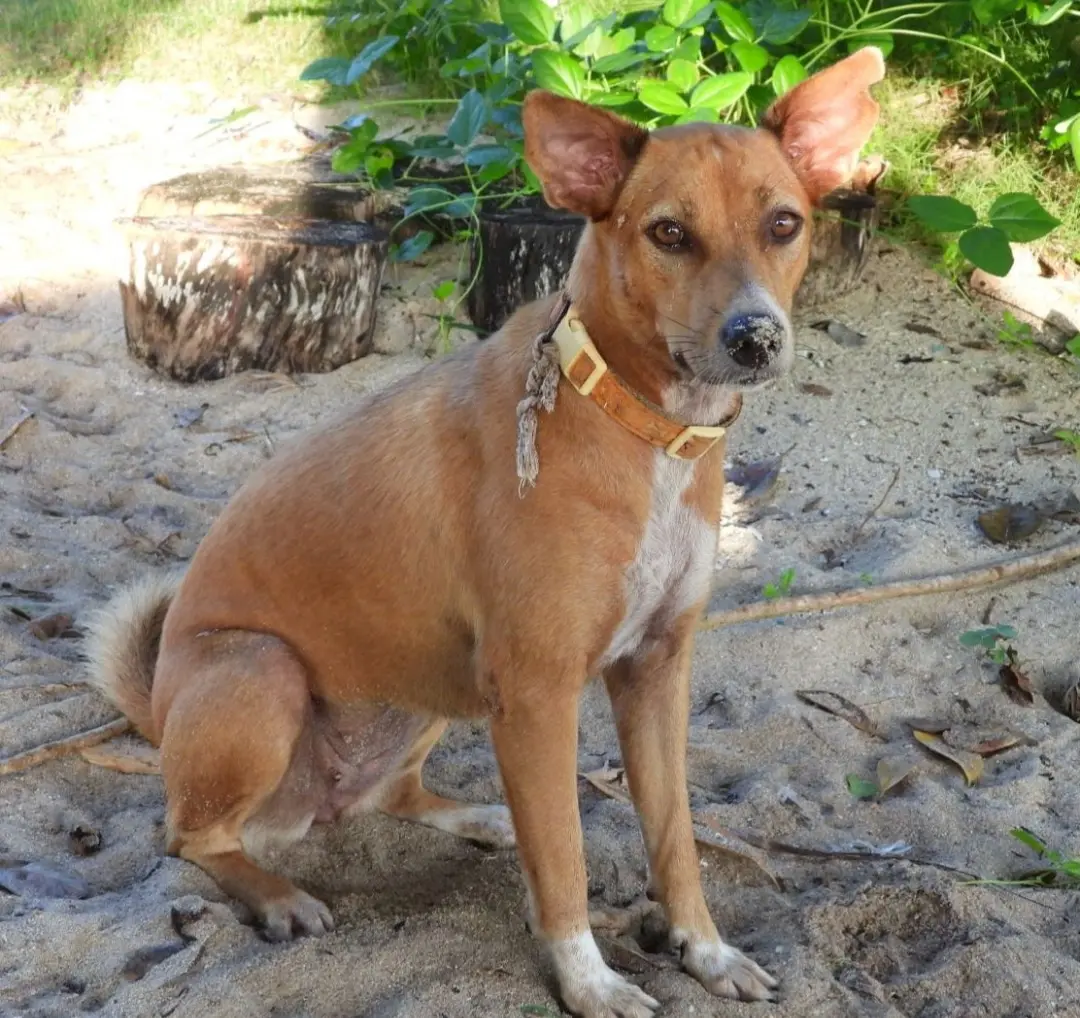
- Coat: Typically characterized by short, low-maintenance fur that can range in thickness depending on regional microclimates. Coat colors are diverse, featuring solid hues of brown, black, and white, alongside brindle patterns and multi-colored patches.
- Head and Ears: Snouts are generally medium to long in length, promoting efficient thermoregulation in tropical climates. Ears can vary significantly, presenting either erect alertness or a soft, folded drape.
Health Profile and Longevity
Data compiled from veterinary practices and rescue organizations in the Philippines indicate that Askals are exceptionally robust.
- Life Expectancy: With proper nutrition, routine veterinary care, and a safe home environment, the average lifespan of an Askal ranges from 12 to 15 years, occasionally extending further due to their resilient constitution.
- Grooming Requirements: Owing to their short coats, Askals require minimal grooming. Routine brushing and occasional baths are generally sufficient to maintain skin and coat health, making them ideal low-maintenance companions.
- Exercise Needs: Askals do not demand the extreme physical exertion required by high-drive working breeds. Moderate daily walks, combined with opportunities for free exploration in a secure environment, are sufficient to keep them physically fit and mentally stimulated.
Official Statements and Behavioral Analysis
Behavioral specialists and animal welfare advocates frequently highlight the Askal’s complex psychological profile, which bridges the gap between wild adaptability and domesticated devotion.
Intelligence and Trainability
Cognitive assessments and anecdotal evidence from trainers place the Askal’s intellect on par with recognized working breeds like the German Shepherd or Siberian Husky. According to prominent animal behaviorists in Southeast Asia, Askals demonstrate an extraordinary capacity for independent problem-solving—a trait honed through generations of navigating urban and rural environments without constant human intervention.
"The Askal possesses an intuitive understanding of human cues that rivals any pedigree dog," notes Dr. Elena Santos, a Manila-based Doctor of Veterinary Medicine and animal welfare advocate. "They are remarkably observant. When given positive reinforcement training, they respond with an eagerness to please that makes obedience training smooth and effective."
Temperament with Families and Children
A common misconception regarding street-origin dogs is an inherent unpredictability or aggression. However, extensive shelter data disproves this myth. When properly socialized, Askals exhibit a remarkably gentle, peaceful, and cheerful demeanor. They are exceptionally tolerant of children, making them ideal family pets.

However, rescue organizations emphasize that Askals with a background of direct street survival may initially display caution or trust issues. Building a bond with a street-born Askal requires patience, consistency, and time. Once that trust is established, their loyalty is absolute.
Independence vs. Affection
The Askal strikes a distinct psychological balance. While they deeply crave human affection and thrive on close companionship with their owners, they maintain an innate sense of independence. They are fully capable of entertaining themselves and exploring a backyard independently, avoiding the clingy or anxious behaviors frequently observed in hyper-dependent toy breeds.
Future Outlook: Global Expansion and Importation Realities
As the Askal gains international recognition, interest from prospective pet owners outside the Philippines—particularly in the United States, Canada, and Europe—has grown exponentially.
Availability and Legality in the United States
From a legal standpoint, there are zero statutory impediments preventing the sale, adoption, or transfer of ownership of an Askal dog within the United States. However, because they are not recognized as a distinct purebred standard by major kennel clubs like the American Kennel Club (AKC), they cannot be readily sourced from traditional commercial breeders in North America. Instead, international adoption through accredited rescue organizations operating in the Philippines remains the primary pipeline for obtaining an Askal abroad.
Regulatory Compliance and Import Protocols
Prospective owners wishing to import an Askal from the Philippines to the United States must strictly adhere to federal and state import regulations. The Centers for Disease Control and Prevention (CDC), along with the U.S. Department of Agriculture (USDA), enforces rigorous health and documentation standards for all incoming canines:
- Vaccination Verification: Owners must produce verifiable, certified proof of up-to-date rabies vaccinations administered by a licensed veterinarian.
- Health Certificates: Dogs must undergo comprehensive veterinary examinations prior to departure to certify that they are free of communicable diseases and fit for air travel.
- Documentation Accessibility: All medical records, permits, and vaccination certificates must be easily accessible for inspection upon arrival at ports of entry and when traversing state lines.
The Road Ahead
The trajectory of the Askal reflects a broader evolution in human-canine relationships. As society moves past superficial definitions of worth based purely on pedigree charts, the intrinsic value of the Askal—defined by its resilience, intelligence, adaptability, and unwavering loyalty—is taking center stage.
Whether patrolling a rural homestead in Luzon, lounging in a suburban American living room, or participating in agility training, the Askal stands as a testament to the enduring power of natural selection and the timeless bond between humanity and its most faithful companion.