
Executive Overview
Long before a service dog assists a person who is blind or navigates a bustling metropolitan intersection, its foundational education has already begun. The journey of a future guide or assistance dog starts not in advanced training facilities, but in living rooms, grocery store aisles, and neighborhood sidewalks during the most critical window of a canine’s life: the first 90 days.
Organizations like Dogs Inc understand that these initial months are instrumental in shaping how a puppy responds to the world. During this developmental epoch, young canines possess an extraordinary capacity to absorb environmental stimuli, establishing the baseline for emotional resilience, trust, and lifelong behavioral patterns. Through the dedication of volunteer puppy raisers, sitters, and regional coordinators, these future service animals receive the precise socialization and structured routines required to transform natural curiosity into unshakable confidence.
This report investigates the science of early canine development, the meticulous framework utilized by volunteer networks, and why these preliminary 90 days represent the ultimate predictor of success for assistance dogs.
Detailed Chronology: The Blueprint of Early Puppy Development
To understand the immense weight carried by the first three months of a puppy’s life, canine behavioral scientists divide this period into distinct developmental milestones. Each phase requires specific stimuli, boundaries, and positive reinforcement to ensure optimal mental and emotional maturation.
Days 1 to 30: The Neonatal and Transitional Foundation
In the earliest weeks of life, a puppy’s world is defined by warmth, nourishment, and physical contact with the mother and littermates. Vision and hearing develop progressively during this window, shifting the puppy from a state of total dependence to basic sensory awareness.
- Peer Interaction: Play within the litter teaches vital lessons regarding bite inhibition, canine communication, and emotional regulation.
- Early Handling: Gentle human touch introduced during this stage desensitizes puppies to physical examination, setting the stage for future veterinary care and grooming routines.
- Initial Sensory Input: Soft sounds and varied textures are gently introduced to prevent sensory hypersensitivity later in life.
Days 31 to 60: The Critical Socialization Window Begins
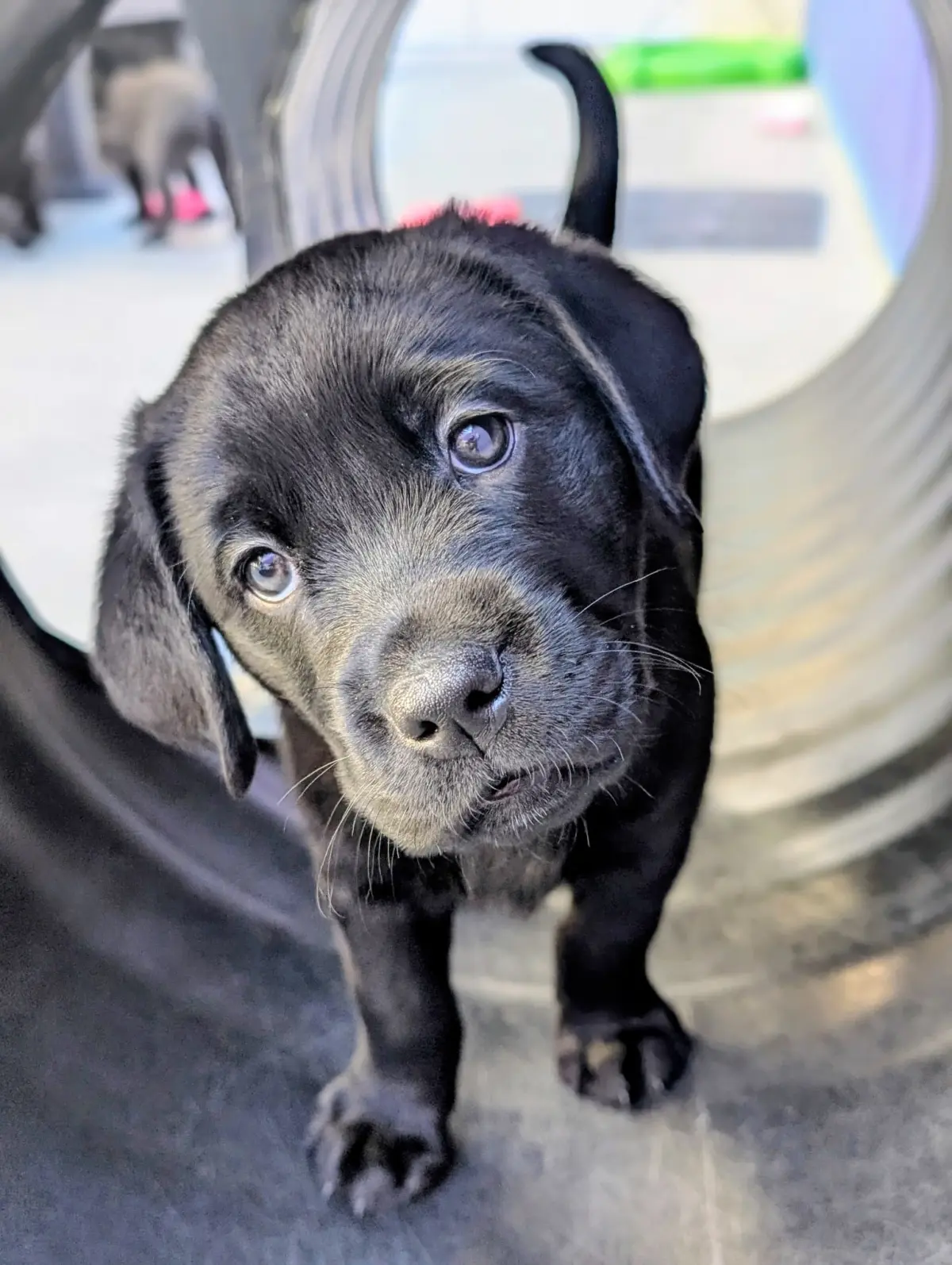
Often recognized by animal behaviorists as the primary socialization period, weeks five through eight mark an explosion of neurological growth. Puppies at this stage are exceptionally open to novel experiences, displaying minimal innate fear.
- Environmental Imprinting: Introducing safe, novel sounds—such as household appliances, distant traffic, and varying human voices—helps puppies categorize these stimuli as neutral or positive.
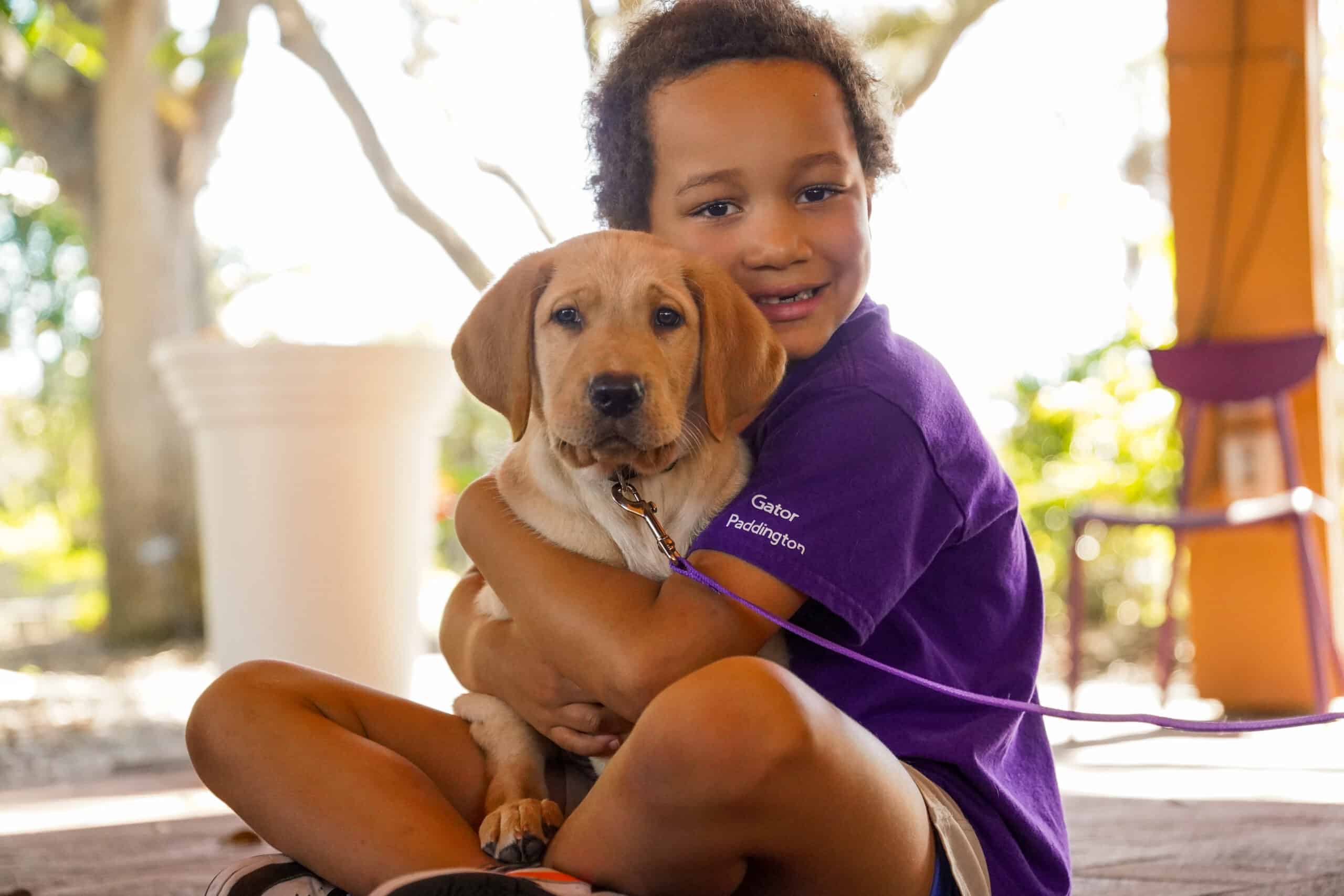
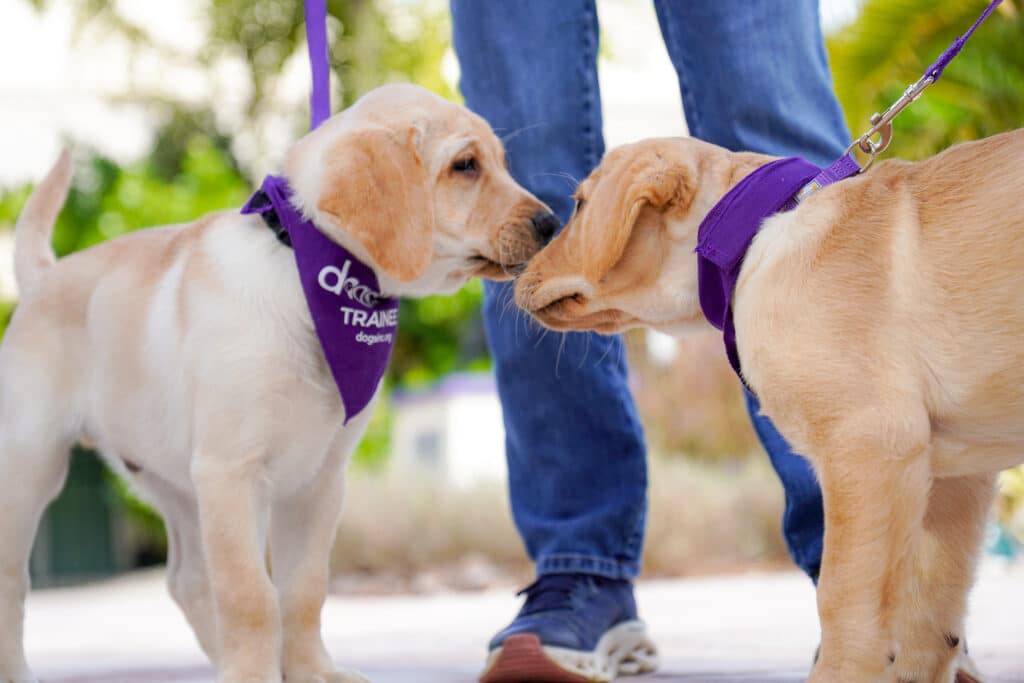
- Socialization Protocols: Introducing diverse individuals (children, seniors, individuals wearing hats or using mobility aids) fosters adaptability.
- Weaning and Independence: As puppies transition away from a complete reliance on maternal care, structured routines regarding feeding, sleeping, and elimination begin to take root.
Days 61 to 90: Transition, Integration, and Advanced Socialization
By the time a puppy reaches the two-to-three-month mark, they are typically ready to transition into the homes of volunteer puppy raisers. This phase is characterized by active engagement with the outside world.
- Public Access Exposure: Puppies are systematically exposed to complex environments, including outdoor walkways, commercial centers, and public transportation hubs.
- Crate Training and Basic Manners: Establishing predictable daily schedules for sleeping, eating, and basic obedience instills self-control and emotional security.
- Managing the Fear Period: As puppies approach the end of this 90-day window, they may encounter their first developmental fear period. Experienced raisers use patience, positive reinforcement, and gentle exposure to ensure temporary hesitations do not become lifelong phobias.
Supporting Context & Metrics: The Science of Neuroplasticity and Service Readiness
The emphasis on the first 90 days is rooted in neurobiology. Canine brains exhibit peak neuroplasticity during puppyhood, meaning neural pathways are rapidly formed and reinforced based on lived experiences.
Why Service Dog Puppies Require Specialized Early Care
While all dogs benefit from early socialization, the stakes are exceptionally high for working service dogs. A family pet must be comfortable within a home and neighborhood; a guide or service dog must remain calm, focused, and emotionally balanced in unpredictable environments filled with sensory distractions—from sirens and flashing lights to crowded elevators and sudden loud noises.
- Resilience Over Perfection: Canine development specialists emphasize that the goal of the first 90 days is not absolute obedience, but emotional resilience. A puppy that learns how to recover quickly from a startling noise or an unfamiliar sight is far more valuable than one that has simply memorized commands.
- The Power of Predictability: Structure is an essential counterpart to socialization. Predictable routines involving structured exercise, dedicated rest periods, and consistent feeding schedules reduce anxiety and teach puppies how to self-soothe.
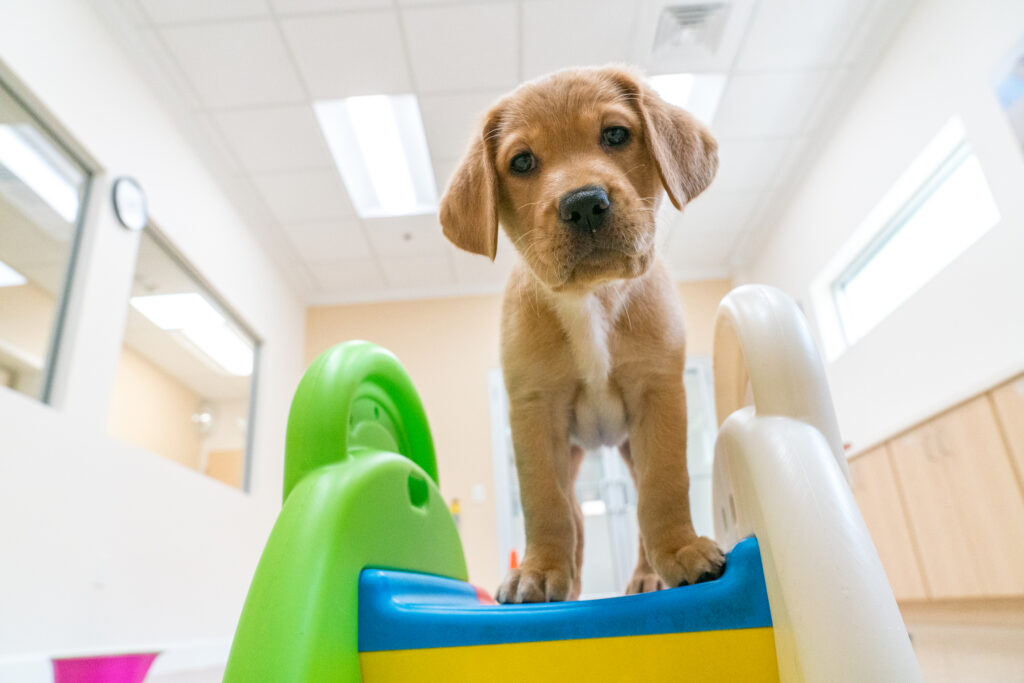
- Texture and Surface Acclimation: Exposing paws to gravel, grates, metal stairs, and slippery floors prevents tactile defensiveness later in life.
Official Statements and Perspectives from the Field
The success of programs like those at Dogs Inc relies heavily on human infrastructure—specifically, the volunteer network that bridges the gap between structured breeding facilities and professional training.
"The first 90 days set the emotional trajectory for every dog that enters our program," notes a canine development coordinator at Dogs Inc. "We are not simply teaching a puppy how to sit or walk on a loose leash; we are actively building their trust in human companionship and teaching them that the world is a safe, manageable place. Every sound they hear and every surface they walk on becomes a building block for their future career."
Volunteer puppy raisers often report that the experience, while demanding, offers profound personal rewards.
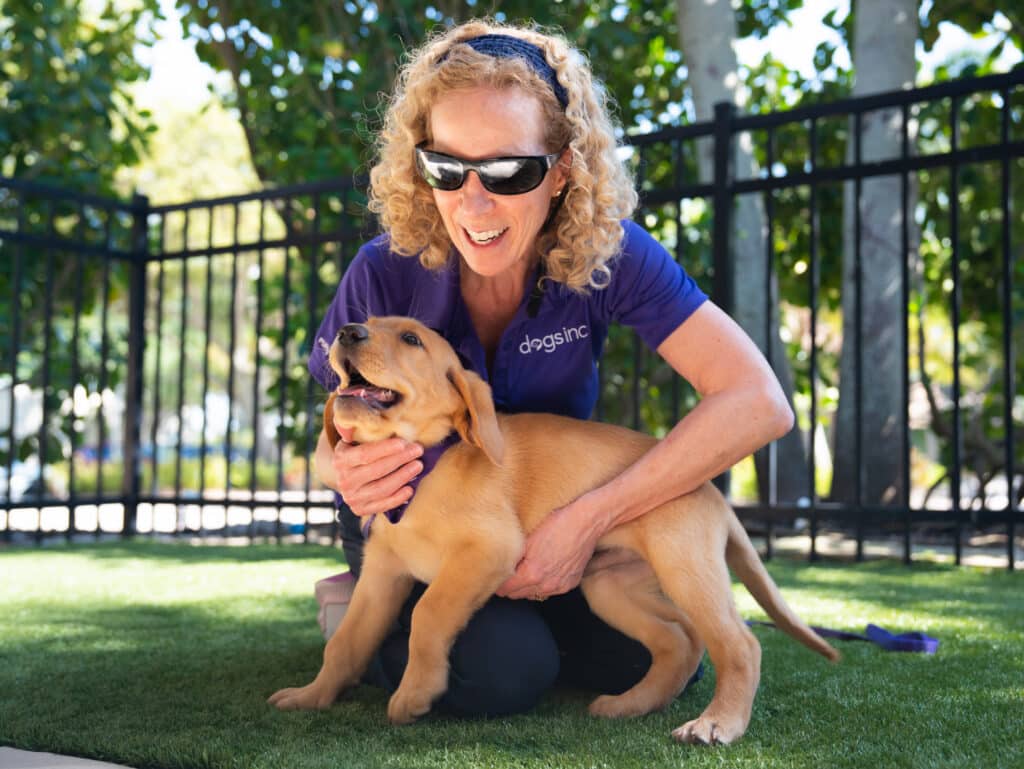
"Raising a future service dog requires patience, consistency, and an openness to learning alongside the puppy," shares a veteran volunteer puppy raiser. "You realize very quickly that your job is to be an anchor for them. When they encounter something new—whether it’s a shopping cart or a fluttering umbrella—they look to you to see how to react. Your calm demeanor becomes their calm demeanor."
Community support networks, including puppy sitters and regional area coordinators, play an equally vital role. By providing temporary care and continuous oversight, these volunteers ensure that puppies experience a diverse array of handlers, preventing dependency on a single person and fostering adaptability.
Future Outlook: From Foundation to Lifelong Impact
As organizations continually refine their puppy-raising methodologies based on modern behavioral science, the emphasis on early enrichment only intensifies. The insights gained from the first 90 days inform subsequent phases of advanced professional training, ultimately determining whether a candidate is suited for guide work, mobility assistance, or facility placement.
The implications extend far beyond the professional sphere. Future pet owners and everyday dog lovers can glean valuable lessons from service dog breeding and raising protocols:
- Prioritize Patience: True behavioral progress is incremental, requiring weeks and months of consistent, positive reinforcement rather than immediate fixes.
- Embrace Early Socialization: Proactively and safely introducing young dogs to varied environments drastically reduces fear-based reactivity in adulthood.
- Maintain Healthy Boundaries: Combining affection with predictable household structure fosters secure, confident companions.
Ultimately, the rigorous standards applied during a puppy’s first 90 days validate a simple truth: small, everyday moments wield monumental influence. Through the collaborative efforts of organizations like Dogs Inc and their dedicated volunteer communities, future guide and service dogs are given the finest possible start—turning early curiosity into a lifetime of independence, safety, and unwavering service.