
Executive Overview
Raising a future service dog is often romanticized as a heartwarming endeavor defined by puppy cuddles, playful romps, and the satisfaction of contributing to a noble cause. While these joyful moments certainly occur, they represent only a fraction of the reality. Behind every fully trained service dog—a canine companion capable of guiding the visually impaired, mitigating the symptoms of post-traumatic stress disorder, or performing life-saving physical tasks—lies a rigorous, demanding foundational period shaped by volunteer puppy raisers.
Organizations like Dogs Inc rely heavily on these dedicated community volunteers to take eight-week-old puppies into their homes and guide them through their formative months. This foundational stage is not about teaching advanced, professional tasks; rather, it is about instilling essential house manners, basic obedience, and early socialization. It is a process that requires absolute consistency, structured environments, relentless patience, and, ultimately, the emotional fortitude to say goodbye.
This article explores the unvarnished realities of raising a service dog in training. By examining the daily challenges—from real-world public access training to the heavy emotional toll of letting go—we provide an authoritative look at what it truly takes to help shape a canine hero. Furthermore, we examine the systemic support networks that make this work possible, the profiles of those best suited for the role, and why thousands of volunteers agree that, despite the hurdles, the journey is profoundly worthwhile.
Detailed Chronology: The Lifecycle of a Service Puppy in Training
To understand the scope of volunteer puppy raising, one must examine the chronological progression of a working dog’s early life. The journey begins long before the puppy ever steps foot into a volunteer’s home and extends far beyond their eventual departure.
Phase One: Welcoming and Early Integration (Weeks 8 to 16)
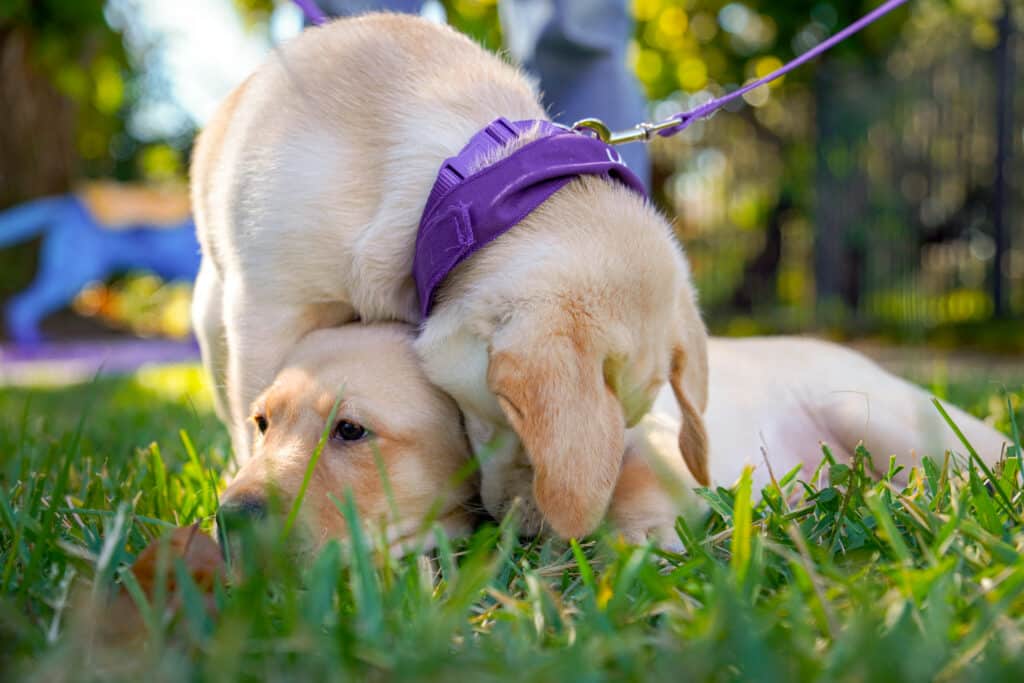
At approximately eight weeks of age, a puppy leaves its birthplace and enters the home of a volunteer puppy raiser. This transition marks the official start of the working dog pipeline. During these initial weeks, the primary focus is on attachment, household integration, and establishing foundational routines.
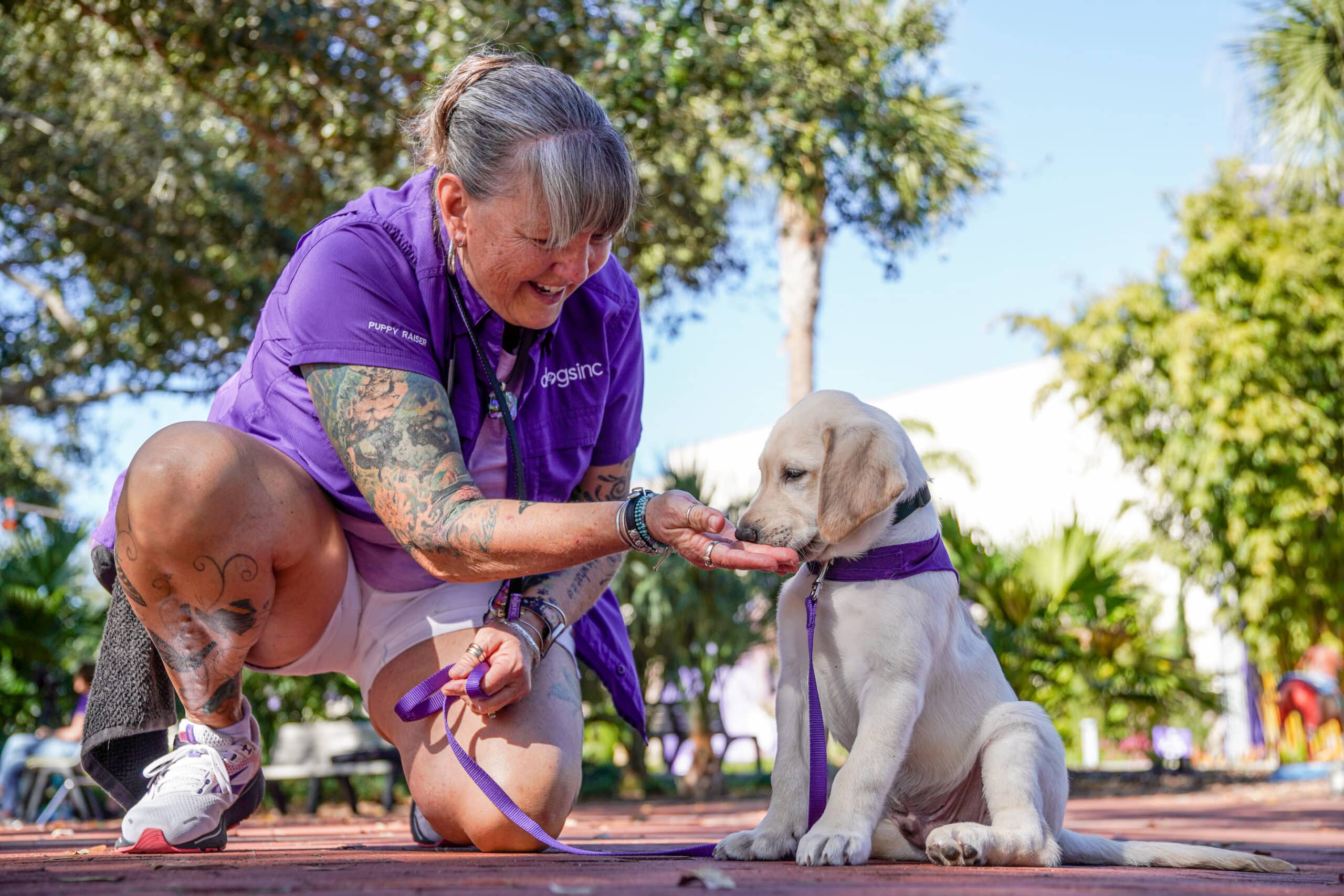
- House Manners: Volunteers introduce the puppy to crate training, housebreaking, and basic household boundaries. The home effectively transforms into a controlled training environment where every interaction is a learning opportunity.
- Core Obedience: Basic verbal and physical cues—such as "sit," "stay," "down," and loose-leash walking—are introduced in low-distraction environments like the living room or backyard.
Phase Two: Expansion and Socialization (Months 4 to 10)
As the puppy grows, their world must expand dramatically. This middle phase is critical for building confidence in varied environments.
- Public Access Exposure: Raisers systematically introduce their pups to commercial spaces, public transit, restaurants, and crowded parks. The goal is to condition the dog to remain calm, focused, and unshakeable amidst the sensory overload of the modern world.
- Distraction Management: Puppies inevitably encounter novel stimuli, including sudden noises, unfamiliar animals, and well-meaning strangers attempting to pet them. Raisers must actively manage these distractions, redirecting the puppy’s attention and reinforcing desired behaviors.
Phase Three: Adolescence and Refinement (Months 10 to 14+)
Adolescence in dogs, much like in humans, is a period marked by testing boundaries, fluctuating focus, and physical growth.
- Non-Linear Progress: Volunteers often notice that skills previously mastered seem to vanish overnight. This developmental phase requires immense patience and unwavering consistency.
- Advanced Foundations: While still not performing specialized service tasks, the adolescent dog is refined in its obedience, proving reliable across diverse, high-stakes environments.
Phase Four: Transition and Formal Training (Graduation from the Raiser)
Typically between 12 and 18 months of age, the puppy reaches a pivotal milestone. The dog is recalled by the service dog organization to enter formal, advanced professional training. This phase concludes the volunteer’s direct stewardship and initiates the dog’s final preparation for placement with a recipient in need.
Supporting Context & Metrics: The Six Pillars of the Puppy Raising Challenge
Raising a working dog is not a casual hobby; it is a lifestyle commitment. Service dog organizations categorize the core difficulties of puppy raising into six distinct challenges. Understanding these pillars is essential for prospective volunteers.
Challenge 1: Unyielding Daily Consistency
Consistency is the bedrock of canine learning. Basic cues must be reinforced during every single interaction, whether the raiser is exhausted after a long workday or rushing to an appointment.
- Household Alignment: Consistency cannot exist in a vacuum. Every member of the household—including children, spouses, and extended family members—must employ identical commands, boundaries, and rewards. Mixed signals from family members inevitably slow progress, confuse the puppy, and fracture the structural integrity of the training program.
Challenge 2: Navigating Unpredictable Real-World Environments
A future service dog cannot function exclusively within the sterile confines of a home. They must accompany their raisers everywhere: grocery stores, doctor’s offices, airports, and bustling downtown streets.
- Sensory Overload: The world is inherently unpredictable. Scent distractions, dropped food, sudden sirens, and crowds test a puppy’s nerve strength. Furthermore, raisers must constantly manage the public, politely declining requests from well-meaning individuals who wish to pet or distract the working dog in training.
Challenge 3: Managing Behavioral Deviations and Non-Linear Progress
Dog training is rarely a straight upward trajectory. A puppy may perform flawlessly on Monday, only to exhibit reactive behavior or stubbornness on Tuesday.
- The Patience Paradigm: Raisers must constantly redirect unwanted behaviors—such as pulling on the leash or reacting to other animals—without losing their temper. Success relies on clear communication, positive reinforcement, and emotional regulation on the part of the human handler.
Challenge 4: The Substantial Time and Lifestyle Commitment
Schedules must be restructured to accommodate the puppy’s needs. This includes scheduling veterinary appointments, monitoring nutritional health, administering preventative care (such as flea and tick management), and dedicating hours each day to structured exercise and training drills.
- Limited "Off" Time: Because the home acts as a continuous training environment, raisers experience very little mental downtime. Monitoring the puppy’s behavior, managing crate rest, and ensuring proper socialization require sustained mental energy over many months.
Challenge 5: The Emotional Toll of Letting Go
Perhaps the most universally acknowledged hurdle of puppy raising is the emotional weight of transition.
- The Power of Reframing: Over the course of a year or more, a deep, unbreakable bond forms between the raiser and the puppy. When the time comes to return the dog for advanced training, the grief of separation can be palpable. Organizations help raisers cope by reframing the departure: the puppy is not being "lost," but is graduating to fulfill a profound destiny—granting independence, safety, and freedom to a human being with disabilities.
Challenge 6: Transforming the Domestic Space Into a Training Hub
Living with a service dog in training means your private residence is permanently altered. Furniture placement, door protocols, and feeding routines are all optimized for training. Tools like crates are utilized not merely for containment, but as vital mechanisms to enforce rest, establish routine, and help the puppy maintain emotional equilibrium.
Official Statements and Institutional Support
Recognizing the immense weight placed upon volunteer shoulders, reputable service dog organizations—such as Dogs Inc—do not leave volunteers to navigate the journey alone. Institutional infrastructure is designed to provide comprehensive, multi-layered support.
"Raising a service dog is an act of profound civic generosity. We ask our volunteer raisers to open their homes, disrupt their routines, and pour their hearts into a puppy, knowing full well that they will eventually have to hand that dog over. Our mission is to ensure that every raiser feels backed by a robust community of experts every step of the way."
— Service Dog Program Director (Representative Statement)
The Support Network
To combat burnout and ensure high standards of training, organizations deploy several layers of support:
- Professional Instructors and Area Coordinators: Volunteers receive regular guidance, home visits, and professional feedback to troubleshoot behavioral hurdles before they escalate.
- Peer Communities: Connecting with fellow puppy raisers creates a vital support system. Sharing experiences, troubleshooting common adolescent phases, and celebrating milestones with peers who "get it" is invaluable.
- Respite and Relief (Puppy Sitting): Recognizing that raisers occasionally need to travel, manage family emergencies, or simply take a break, organizations often provide access to certified puppy sitters. This ensures continuity of care and training while giving volunteers necessary respite.
- Veterinary Subsidies: Most professional programs help offset or fully cover veterinary care and medical expenses, removing a significant financial barrier for families who wish to volunteer.
Future Outlook: Who Should Apply and Why It Matters
Despite the hurdles of time, consistency, and emotional investment, the volunteer puppy raising community continues to thrive. The impact of this work ripples far beyond the individual household.
Who Makes an Ideal Puppy Raiser?
The profile of a successful puppy raiser is remarkably diverse. Programs welcome:
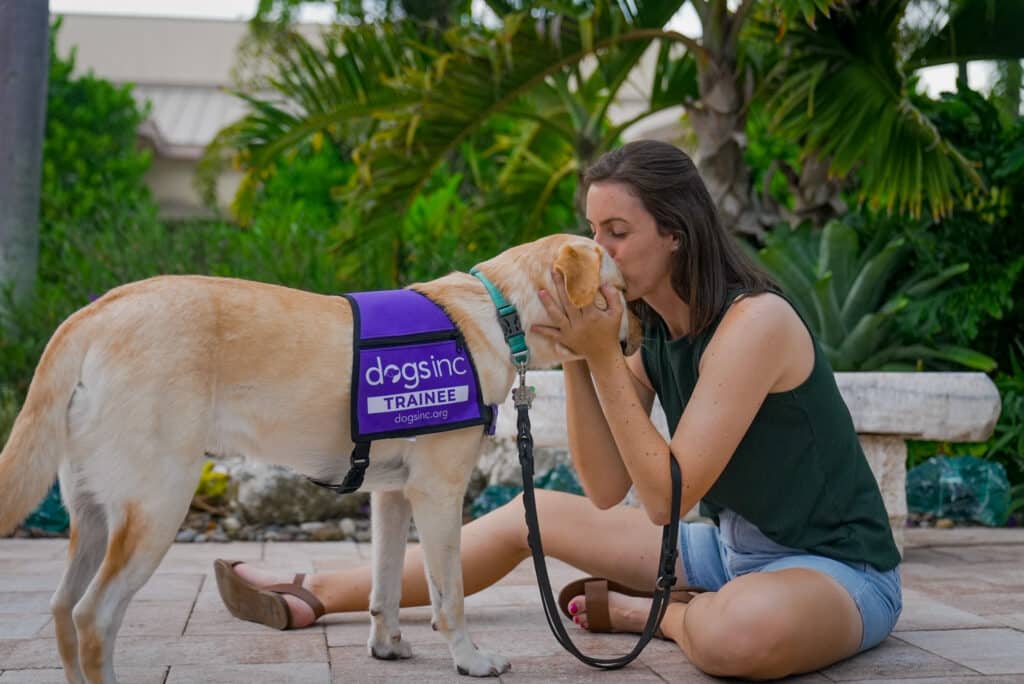
- Individuals and Families: Parents often find puppy raising to be an exceptional educational experience for children, teaching empathy, responsibility, and civic duty.
- Retirees and Students: Individuals with flexible schedules or those seeking meaningful, structured community involvement frequently excel in the role.
- Prerequisites: Prospective volunteers typically undergo a structured vetting process, which includes submitting an application, completing formal forms, and participating in in-depth phone or in-person interviews to ensure home compatibility.
The Broader Societal Impact
Looking toward the future, the demand for fully trained service dogs and guide dogs remains exceptionally high. As public awareness of invisible disabilities, mobility challenges, and visual impairments grows, so too does the need for high-caliber canine partners.
Every volunteer who steps up to raise a puppy acts as the foundational architect for a future of independence. They turn a playful, chaotic eight-week-old puppy into a disciplined, confident working dog capable of transforming a human life.
Conclusion
The journey of raising a future service dog is a masterclass in contrasts. It is exhausting yet exhilarating; it demands strict structure yet yields boundless joy; and it requires immense emotional vulnerability in letting go to achieve the ultimate reward of giving someone their life back.
If you possess the patience, the commitment to daily consistency, and the heart to make a generational impact, consider taking the next step. Contact Dogs Inc today to explore their volunteer puppy raising programs, speak with coordinators, and discover how you can help lay the groundwork for a canine hero’s journey.
Related Resources & Further Reading
For those interested in diving deeper into the world of working dogs, explore these essential guides: