
Executive Overview
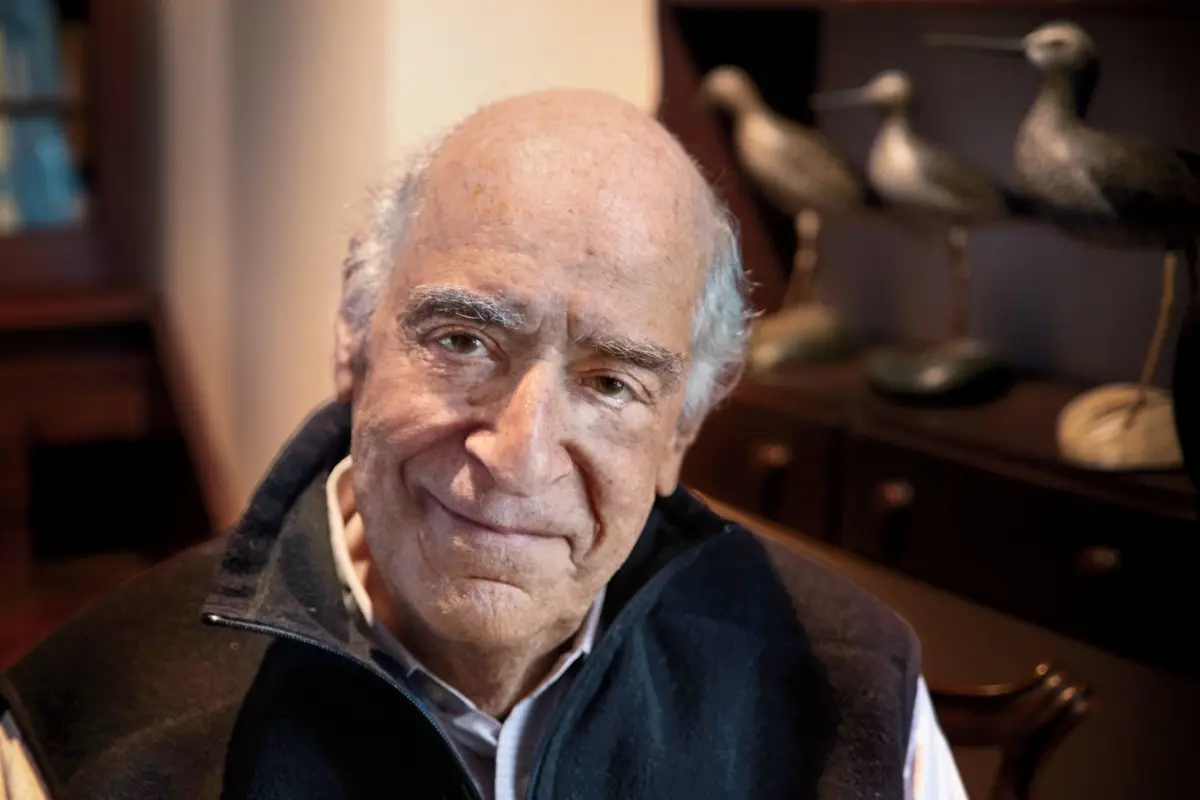
In the realm of modern environmental conservation, few figures possess the rare combination of sharp financial acumen, strategic foresight, and an unyielding, deeply personal passion for the natural world. The National Audubon Society recently mourned the loss of such a figure with the passing of Joe Ellis, a longtime member of the organization’s board of directors, an enthusiastic birder, and a visionary conservationist whose influence spans continents.
Ellis, who passed away earlier this year, left behind a legacy that fundamentally reshaped how the National Audubon Society operates. To understand the modern footprint of Audubon—spanning from the backyard bird feeders of New England to the complex migratory corridors of Central and South America—is to understand the strategic blueprint that Ellis helped draft, fund, and champion.
Whether an amateur ornithologist tracks a Swainson’s Hawk or a Wood Thrush across the digital expanse of the Bird Migration Explorer, or a nature enthusiast hikes the pristine trails of the Sharon Audubon Center in Connecticut, they are interacting with ecosystems and technological tools made possible by Ellis’s lifelong dedication. A legendary Wall Street analyst by trade, Ellis applied the same analytical rigor, forward-thinking strategy, and appetite for calculated risk to wildlife conservation that made him an undisputed titan in the financial sector.
This article explores the extraordinary life and enduring legacy of Joe Ellis, examining how his strategic vision transformed a regional American conservation group into a hemispheric powerhouse, the philanthropic catalysts he provided, and the lasting imprint he leaves on the global bird conservation community.
Detailed Chronology: From Wall Street Dominance to Hemispheric Conservation
To fully appreciate the scope of Joe Ellis’s contributions to the National Audubon Society, one must examine the parallel tracks of his professional life in finance and his lifelong commitment to environmental stewardship. His journey was characterized by an uncommon ability to spot emerging trends, synthesize massive amounts of data, and execute long-term strategies with precision.
The Financial Vanguard: Decades at Goldman Sachs
Long before he was turning his analytical gaze toward migratory bird pathways, Ellis was mastering the complexities of the global retail market. During a legendary career at Goldman Sachs, Ellis established himself as one of the most respected and influential financial analysts of his generation.
His gift for deep research, trend forecasting, and clear-eyed evaluation of market dynamics earned him a rare and unbroken streak of professional accolades. For 18 consecutive years, Ellis was ranked as the top retail market analyst by Institutional Investor magazine—a testament to his consistency, intellectual rigor, and authoritative voice in the high-stakes world of investment banking.
This background was not merely incidental to his conservation work; it formed the bedrock of his approach to philanthropy and organizational strategy. Ellis understood how to evaluate capital investments, measure return on investment, and assess risk. When he transitioned these skills to the nonprofit sector, he brought a transformative perspective to the National Audubon Society, pushing the organization to evaluate its impact not just in local victories, but in systemic, large-scale results.
The Evolution of a Conservationist: Spotting Trends in Nature
Ellis’s passion for birds was neither casual nor detached; it was rooted in acute observation and genuine curiosity. Like many dedicated birders, his interest often began close to home—observing the avian life in his own backyard in western Connecticut. However, unlike most, Ellis possessed an expansive intellectual curiosity that refused to stop at property lines or national borders.
As he watched migratory species arrive and depart from his property, he began asking fundamental questions that would eventually alter the trajectory of the National Audubon Society: What happens to the Wood Thrushes after they leave my backyard? Are they protected and cared for wherever their migration takes them?
These were not idle musings. During his tenure on the Audubon board, Ellis recognized a critical blind spot in traditional conservation strategy. For decades, conservation groups had focused heavily on local habitat preservation—protecting a wetland here or a forest tract there. While vital, Ellis recognized that migratory birds do not recognize political boundaries. A species spending its summers in North America and its winters in Central or South America faces threats across thousands of miles. If conservation efforts stopped at the U.S. border, the birds would still perish.
Architecting the Hemispheric Shift
As a big-picture strategic thinker, Ellis became an early and vocal proponent of an ambitious institutional pivot: Audubon needed to expand its operational footprint into Canada and Latin America. He argued that the organization’s scientific rigor and conservation frameworks had to be applied on a hemispheric scale.
Under his guidance and strategic encouragement, Audubon began breaking down regional silos. Ellis helped shepherd the organization away from a collection of isolated local successes toward an integrated, international network capable of protecting entire flyways. His Wall Street-honed ability to identify emerging structural shifts allowed him to convince fellow board members and leadership that the future of bird conservation depended entirely on international collaboration.
Supporting Context & Metrics: Fueling Science and Innovation
Visionary ideas require capital, and strategic plans require execution. Joe Ellis understood that philanthropy in the nonprofit sector should operate with the same strategic discipline as venture capital in the private sector. He believed that the boldest conservation ideas deserved the boldest financial backing, and he consistently put his resources where his convictions lay.
Seed Funding as a Catalyst for Transformation
Throughout his decades-long relationship with the National Audubon Society, Ellis repeatedly stepped in as an early-stage investor in untested, high-potential conservation concepts. He trusted the science and, crucially, he trusted the scientists and leaders behind the initiatives.
Two signature programs stand as testaments to his philanthropic foresight:
- The Migratory Bird Initiative: A comprehensive scientific effort designed to synthesize tracking data, ecological research, and habitat mapping to understand the full life-cycle needs of migratory birds.
- The Bird Migration Explorer: An interactive, digital platform that allows researchers, conservationists, and the public to track the journeys of individual bird species across hemispheres in real-time.
By providing critical seed funding for these initiatives, Ellis did more than merely launch two successful programs. His early financial backing served as social proof and financial leverage, drawing other major donors and institutional supporters to the cause. The success of these tools proved that hemispheric conservation was not just an idealistic theory, but an achievable, technologically supported reality.
Local Roots, Global Branches
Even as Ellis championed international flyway conservation, he never lost sight of his local community. His sustained philanthropic support heavily strengthened the Sharon Audubon Center and broader conservation initiatives across Connecticut and New York.
These were the landscapes where his love for birds first took root. On his property in western Connecticut, Ellis actively practiced what he preached, managing his land to maximize biodiversity and support healthy bird populations. He took immense joy in sharing these successes, often taking friends and fellow conservationists on tours of his property via golf cart to showcase thriving bird habitats.
His contributions to regional and global conservation did not go unrecognized. In 2021, Audubon Connecticut honored his lifetime of dedication by awarding him the prestigious Environmental Leadership Award.
Personality and Leadership Style
Those who worked alongside Ellis remember him as a force of nature. He possessed a classic "big New York personality"—characterized by an infectious enthusiasm, boundless curiosity, direct communication style, and unyielding authority on subjects he cared about.
However, this commanding presence was always tempered by deep empathy, kindness, and a genuine care for his collaborators. Colleagues note that beneath his rigorous analytical exterior lay a sharp wit and a profound love for a good joke, making him not only a formidable strategist but a cherished friend and colleague.
Official Statements and Tributes
The impact of Joe Ellis’s life and work reverberates deeply throughout the leadership of the National Audubon Society and the broader environmental community.
Dr. Elizabeth Gray, Chief Executive Officer of the National Audubon Society, reflected on Ellis’s profound institutional influence:
"Joe Ellis understood the power of ambitious ideas and the importance of bringing the right people together to make them possible. He pushed us to think expansively about our role and helped lay the foundation for the hemispheric organization we are today. Joe’s legacy will endure across Audubon, and he will be deeply missed."
Colleagues across the conservation sector have echoed these sentiments, highlighting how Ellis bridged the worlds of high finance and ecological preservation. His ability to translate complex financial logic into actionable conservation strategy set a new standard for nonprofit board governance.
Future Outlook: Carrying the Torch Forward
As the National Audubon Society looks toward the future, the structural frameworks established with Joe Ellis’s guidance remain more critical than ever. In an era marked by rapid climate change, habitat fragmentation, and declining biodiversity across global flyways, the necessity for hemispheric conservation is no longer a radical idea—it is an absolute necessity.
Tools like the Bird Migration Explorer continue to evolve, empowering scientists, policymakers, and everyday bird enthusiasts to advocate for protected habitats across international borders. The institutional culture of boldness and rigorous scientific inquiry that Ellis championed is now woven into the DNA of the National Audubon Society.
While Joe Ellis may no longer be here to ask probing questions about the journey of the Wood Thrush or to chart the next great conservation strategy from his golf cart in Connecticut, his legacy is securely embedded in every flock of migratory birds crossing international skies, and in every conservationist inspired by his vision. His life stands as a powerful reminder that an individual’s passion, backed by strategic intellect and unyielding generosity, can truly alter the course of history for the natural world.