
Executive Overview
Every spring, the Platte River valley in Nebraska undergoes a staggering transformation. Half a million Sandhill Cranes converge upon the region in one of the most magnificent wildlife spectacles on the North American continent. For weeks, the horizon vibrates with calls, and the riverbanks teem with conservationists, photographers, and wildlife enthusiasts. This breathtaking phenomenon rightfully places the Iain Nicolson Audubon Center at Rowe Sanctuary on the global ecotourism map.
However, this seasonal focus obscures a lesser-known reality: the birding at Rowe Sanctuary is exceptionally rich and rewarding even when the cranes aren’t here.
For the uninitiated—those affectionately termed "baby birders," "not-a-real-birder-yets," or simply those "along for the ride"—Rowe Sanctuary offers a low-pressure, highly accessible entry point into the fast-growing hobby of bird watching. Far from requiring expensive specialized equipment, deep taxonomic knowledge, or rigorous digital logging, birding at Rowe is rooted in simple curiosity. Whether viewed from the climate-controlled comfort of the visitor center window overlooking the Platte River or experienced along miles of tranquil hiking trails, the sanctuary delivers a world-class wildlife encounter 365 days a year.
This comprehensive report examines Rowe Sanctuary’s year-round appeal, the burgeoning democratization of birding through digital tools like eBird, the physiological and behavioral joys of audio-first birding, and how community-driven initiatives are cultivating a new generation of environmental stewards in the American Midwest.
Detailed Chronology: The Rhythms of Rowe Sanctuary
To truly understand Rowe Sanctuary, one must look beyond the marquee event of the spring crane migration and examine the diverse, year-round ecological calendar that sustains its avian populations.
Spring: The Crescendo of Migration
While the Sandhill Cranes dominate March and April, spring at Rowe is a multi-layered biological event. As the ice melts along the Platte River, waterfowl, shorebirds, and early neotropical migrants flood the valley. Millions of years of evolutionary history compel these birds to use the wide, braided channels of the Platte as a vital refueling station. For visitors, this is a time of high-energy observation. Guided blinds and structured viewings are essential during this peak window to protect the roosting cranes from human disturbance.
Summer: Nesting, Breeding, and Quiet Abundance
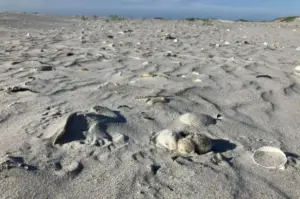
As the cranes depart for their northern breeding grounds in Canada, Alaska, and Siberia, Rowe Sanctuary shifts into a vibrant summer rhythm. This period marks the height of the breeding season for resident and regional species. Visitors walking the sanctuary trails in June and July are met with complex bird choruses, territorial displays, and the frantic feeding of fledglings. Species such as Least Terns and Piping Plovers—both federally protected—nest along the sandbars of the Platte River, turning the sanctuary into a critical conservation zone. For the beginner birder, summer offers a slower, more approachable pace; birds are vocal, stationary on territories, and easier to study without the sensory overload of migration.
Autumn: The Second Wave and Subtle Shifts
As summer fades, autumn brings a distinct migration pulse. Shorebirds move south along the mudflats, raptors drift overhead utilizing thermal currents, and flocks of sparrows and warblers rustle through the underbrush. The August 29 bird walk, for instance, catches the early edges of this southbound movement. Temperatures moderate, insect activity changes, and the landscape transitions into autumnal gold, providing an aesthetic backdrop that rivals the spring thaw.
Winter: The Hardy Residents and Raptor Spectacles
Winter at Rowe is far from dormant. While the migratory songbirds have vanished south, hardy year-round residents—such as Black-capped Chickadees, Downy Woodpeckers, and Great Horned Owls—assert themselves. Crucially, winter brings an influx of raptors. Bald Eagles frequently soar over the frozen or partially open waters of the Platte, hunting for fish or scavenging leftover waterfowl. Red-tailed Hawks, Northern Harriers, and occasional Rough-legged Hawks patrol the adjacent fields, offering beginner birders a masterclass in silhouette identification.
Supporting Context & Metrics: Demystifying the Hobby
Birding is currently experiencing a massive cultural resurgence. Driven by a collective post-pandemic re-evaluation of outdoor recreation, millions of people have turned their attention to the natural world. According to various wildlife recreation surveys, tens of millions of Americans now identify as active bird watchers, injecting billions of dollars into local economies and conservation initiatives.
Yet, despite this growth, psychological barriers persist. Many novices hesitate to call themselves "birders," intimidated by specialized jargon, complex field guides, and digital platforms like eBird.
Breaking Down the eBird Barrier
eBird, a real-time, online checklist program managed by the Cornell Lab of Ornithology, is arguably the most powerful tool in modern ornithology. It allows users to record species, archive photographs, contribute to global scientific databases, and track personal life lists. However, for a beginner staring at a leaderboard featuring users with thousands of documented species, eBird can feel like an exclusive club.
Rowe Sanctuary staff emphasize a foundational truth to alleviate this anxiety: you do not need to see rare birds to be a valid birder.
- The Numbers Game: While hundreds of distinct species have been documented at Rowe Sanctuary over decades of observation, a typical casual walk yields a manageable list of 15 to 25 species.
- Focus on the Common: Beginners are encouraged to ignore the elusive vagrants and focus on mastering the common species—the American Robin, the Red-winged Blackbird, the Mallard, and the Mourning Dove. Understanding the baseline behaviors and field marks of these common birds builds the cognitive framework required to spot anomalies later.
- The "Exotic" Reality Check: A running joke among seasoned birders is the inevitable moment a beginner thinks they have discovered a tropical parrot or an Australian rarity, only to realize it is a familiar bird viewed through a harsh glare or an unusual angle. Sanctuary guides reassure visitors that this is a rite of passage experienced by every expert in the field.
Financial and Logistical Accessibility
Unlike many ecotourism destinations that charge steep gate fees or require expensive permits, visiting the Rowe Sanctuary Visitor Center is entirely free. Visitors can pull off the highway, step into a climate-controlled room with floor-to-ceiling windows overlooking the Platte River, borrow binoculars, flip through field guides, and consult a physical "recent sightings board" maintained by staff and volunteers. This low-barrier approach democratizes access to nature, ensuring that socioeconomic status does not preclude anyone from experiencing wildlife.
Official Statements and Expert Insights
To gain a deeper perspective on the philosophy of modern wildlife interpretation at Rowe Sanctuary, we turn to the ethos promoted by its naturalists, educators, and community organizers.
"Birding is a fast-growing hobby, and there are more tools than ever to help you discover and appreciate the birds around you. But perhaps the best thing about birding is that you don’t have to be an expert to enjoy it; you just need to be curious."
— Rowe Sanctuary Interpretive Staff
This philosophy challenges the hyper-technical direction in which modern hobbies often evolve. Rather than turning birding into a competitive sport dictated by checklists and photographic equipment specs, the sanctuary champions an ethos of mindfulness.
Furthermore, community integration remains a core pillar of the sanctuary’s mission. Birding can be a solitary pursuit, but bridging the gap between individual observation and community engagement unlocks hidden layers of knowledge.
"One of the most wonderful things about getting into birding is discovering that you are not the only person who thinks birds are cool. There is an entire community of people who are fascinated by birds. You can learn identification tips and tricks from other birders—sometimes things that aren’t in your field guide, and sometimes things that are in the field guide, but you haven’t noticed yet because there are approximately 4,000 tiny details to remember."
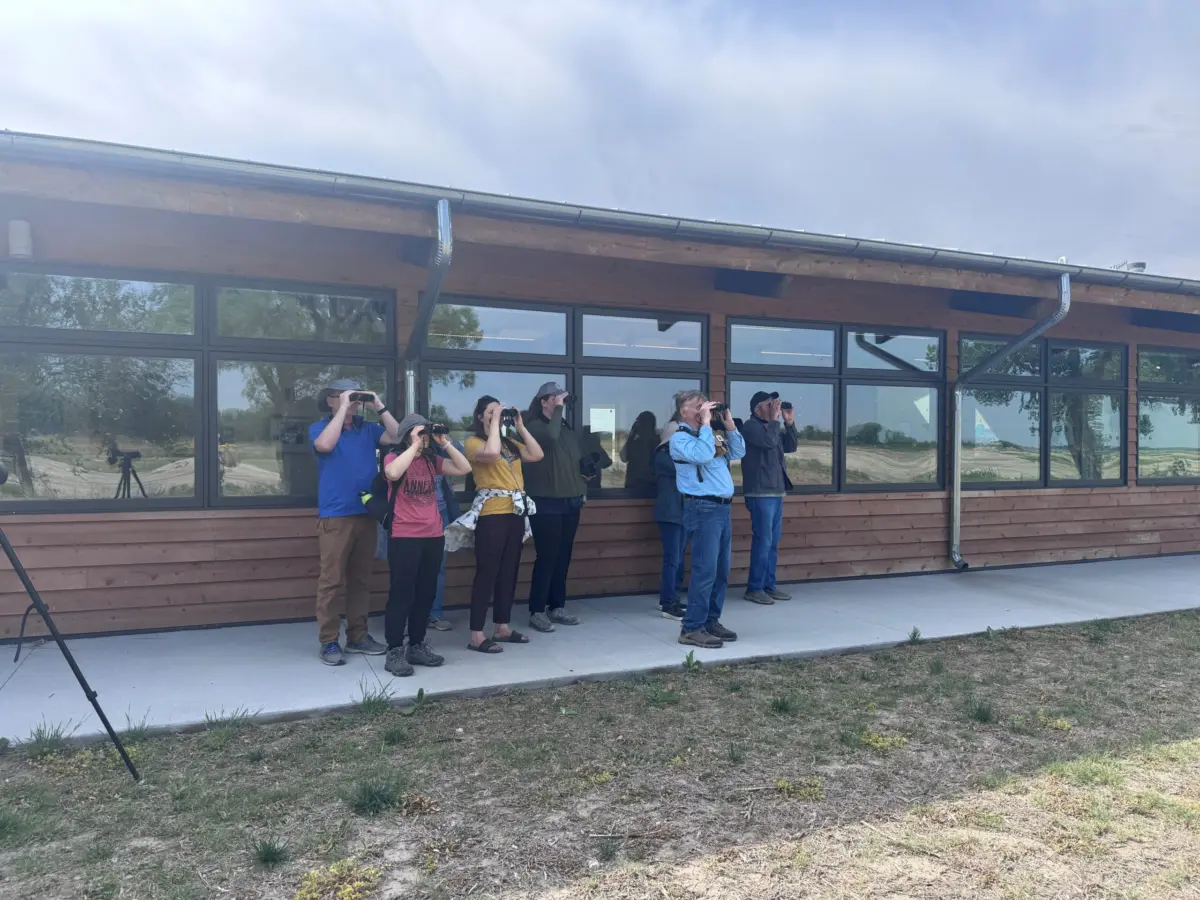
To foster this sense of belonging, Rowe Sanctuary hosts recurring events, such as monthly bird walks. Designed explicitly to cultivate both avian and human friendships, these walks remove the intimidation factor of independent exploration. For instance, upcoming community walks—such as the scheduled event on August 29—invite participants of all skill levels to explore the terrain side-by-side with experienced naturalists. While registration links are provided for planning purposes, the sanctuary maintains an open-door policy, emphasizing that inclusion supersedes administrative hurdles.
The Power of Acoustics: Don’t Forget to Listen
One of the most profound pedagogical shifts emphasized by sanctuary educators is the primacy of auditory observation. Beginners overwhelmingly rely on their eyes, scanning branches and scanning horizons for movement. However, veteran naturalists note that your ears are often your most underrated and efficient birding tool.
- Localization: Dense foliage, tall prairie grasses, and shadowy riparian woodlands can obscure a bird completely from view. Hearing a sharp chip note or a territorial song pinpoints a bird’s precise location, narrowing your visual search field from an entire forest to a single branch.
- Species Identification: Many visually identical species—particularly flycatchers, warblers, and thrushes—are best distinguished by their unique vocalizations.
- Environmental Context: Bird calls do more than identify species; they provide real-time intelligence on ecosystem dynamics. An abrupt shift from lazy midday chirps to frantic alarm calls signals the presence of an avian predator, such as a Cooper’s Hawk or an owl, long before it breaks the canopy.
As sanctuary educators frequently observe, taking an extra five minutes to stand completely still, close your eyes, and unpack the acoustic landscape reveals complex behaviors, social dynamics, and evolutionary adaptations that frantic movement would otherwise cause you to miss.
Future Outlook: Cultivating the Next Generation of Conservationists
As anthropogenic pressures—ranging from agricultural intensification and water rights conflicts along the Platte River to broader climate shifts—continue to threaten Midwest ecosystems, the future of conservation relies heavily on public empathy and engagement.
Institutions like Rowe Sanctuary serve as critical frontline defenses in environmental advocacy. By lowering the barrier to entry, welcoming the "baby birder," and reframing birding not as an elitist academic science but as an accessible, meditative, and community-driven hobby, the sanctuary is actively cultivating a broader base of environmental stewards.
When a visitor stops by the Rowe Sanctuary Visitor Center in the quiet heat of August, or wanders the frost-dusted trails in November, they are doing more than checking species off a list. They are forging a personal, emotional connection to the landscape. That connection translates directly into political support for river conservation, wetland restoration, and wildlife protection policies across Nebraska and the broader Great Plains.
Summary Recommendations for the Prospective Visitor
For those inspired to plan a trip to Rowe Sanctuary outside of the traditional spring migration window, consider the following recommendations to maximize your experience:
- Embrace Flexibility: Do not wait for the "perfect" season. Visit when your schedule allows—whether for a twenty-minute lunch break looking out the visitor center windows or an afternoon spent hiking the riparian trails.
- Equip Lightly: Leave the heavy, expensive gear at home if you don’t own it. Bring your eyes, your ears, a smartphone with a bird identification app, and a willingness to ask questions of the resident staff and volunteers.
- Engage Locally: Attend a monthly bird walk or check the physical sightings board to connect with local naturalists who can impart localized knowledge not found in national field guides.
- Listen First: Practice closing your eyes along the trail to let bird song guide your visual search.
Ultimately, birds are everywhere, operating in plain sight across every hour of the day. Whether it is a majestic Bald Eagle soaring over the Platte River, a secretive songbird hidden in the shrubs, or a familiar backyard species displaying entirely unexpected behavior, Rowe Sanctuary proves that every day holds the potential for discovery.