
Executive Overview
Art and ecological activism have long shared a dynamic intersection, but few contemporary installations merge visual splendor with urgent conservation policy quite like the STEAM 2026 exhibition currently on display at the Pensacola Art Museum. At the center of this immersive experience is artist Pippin Frisbie-Calder’s masterwork, “Extinct, Threatened, Restored.”
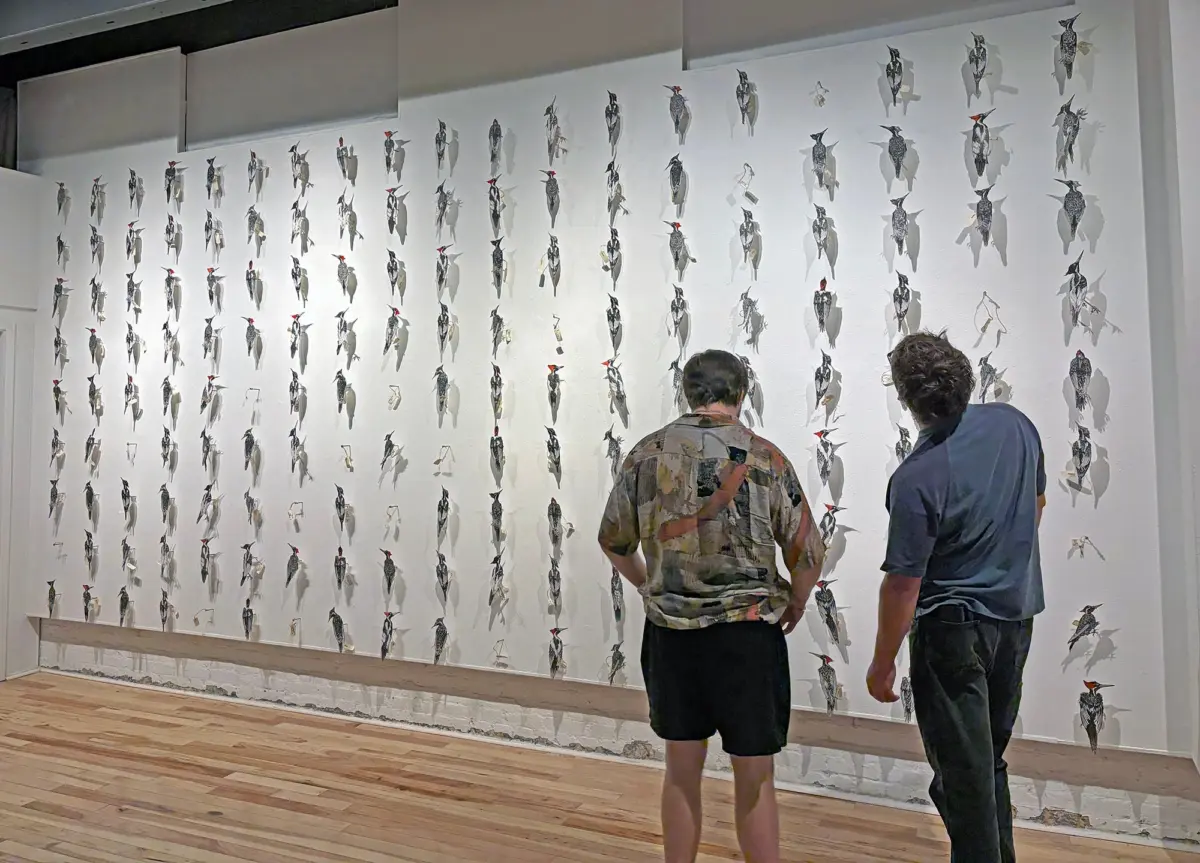
Spanning three expansive gallery walls with floor-to-ceiling prints and multimedia paintings, the exhibition transports viewers directly into the fragile, high-stakes ecosystems that sustain avian life across the globe. From the haunting, ghost-like presence of the critically endangered and widely presumed-extinct Ivory-billed Woodpecker to the resilient, human-assisted recovery of Maine’s Atlantic puffin colonies, Frisbie-Calder’s work is more than an aesthetic triumph—it is a moral challenge.
Designed to provoke deep introspection, the exhibition asks a fundamental question: Which path will our planet’s bird species follow? The answer, the installation asserts, lies entirely within human hands. By integrating interactive elements—such as magnetic paper birds that visitors can remove by pledging concrete political action—the Pensacola Art Museum has transformed its galleries into an active staging ground for modern conservation.
Compounding the impact of the visual arts display, the museum has organized a high-profile panel discussion featuring leading environmental advocates, policy experts, and the artist herself. Set for December 12, the event aims to bridge the gap between artistic appreciation and legislative advocacy, focusing heavily on the protection of vulnerable seabird populations in Florida and beyond. As biodiversity loss accelerates globally, exhibitions like STEAM 2026 represent a vital evolution in how cultural institutions communicate the environmental crises of our time, moving audiences from passive observers to active participants in the preservation of the natural world.
Detailed Chronology: From Concept to Conservation Showcase
The journey of STEAM 2026 and Frisbie-Calder’s “Extinct, Threatened, Restored” installation reflects a meticulously coordinated effort between the Pensacola Art Museum, environmental organizations, and the artist. While the exhibition forms a centerpiece of the museum’s current seasonal lineup, its conceptual origins trace back years of field research, artistic experimentation, and a growing urgency within the scientific community regarding avian population declines.
Phase 1: Conceptualization and Field Research
Long before the first drop of ink hit paper or the large-scale woodcuts were pressed, Pippin Frisbie-Calder immersed herself in the habitats of the species she sought to portray. Her research took her from the historic, swampy bottomland forests historically roamed by the Ivory-billed Woodpecker to the rugged, wind-swept islands of the Gulf of Maine, where seabird restoration projects have achieved historic milestones. By studying the ecological pressures facing these birds firsthand, Frisbie-Calder developed a narrative structure divided neatly across three distinct environmental paradigms: irreversible loss, contemporary peril, and hard-won recovery.
Phase 2: Installation at the Pensacola Art Museum
As part of the museum’s ongoing commitment to exploring the intersections of Science, Technology, Engineering, Arts, and Mathematics (STEAM), curators selected Frisbie-Calder’s multi-media installation to anchor the 2026 programming. Over several weeks, museum technicians and the artist installed the floor-to-ceiling prints and paintings, transforming the sterile white walls of the gallery into an immersive ecological theater.
The gallery layout was deliberately engineered to guide the visitor along a specific psychological and narrative trajectory:
- The Left Wall: Dedicated to the Ivory-billed Woodpecker, confronting viewers with the permanent tragedy of extinction caused by habitat destruction and human negligence.
- The Middle Wall: Focused on contemporary songbirds, highlighting the daily, multifaceted threats posed by domestic predators, urban migration hazards, and rapidly shifting climate patterns.
- The Right Wall: Showcasing Atlantic puffins, offering a glimmer of hope through documented success stories of human intervention and habitat restoration.
Phase 3: The Interactive Engagement Campaign
Recognizing that passive appreciation is insufficient in an era of ecological crisis, the museum and its conservation partners integrated an active participation mechanism into the exhibit. Utilizing custom magnetic mountings, the walls are populated with paper representations of various bird species.
Visitors are invited—and gently challenged—to remove a paper bird from the display. However, this removal is tied to a civic commitment: in order to take the bird, participants are encouraged to engage with immediate conservation policy by filling out action alerts addressed directly to members of Congress. Specifically, these alerts champion the Forage Fish Conservation Act, a piece of legislation vital to maintaining the ecological health of marine food webs.
Phase 4: Upcoming Symposia and Policy Panels
The chronological rollout of the exhibition reaches a critical milestone on December 12, from 4:00 p.m. to 6:00 p.m., when the Pensacola Art Museum hosts a comprehensive panel discussion. Featuring artist Pippin Frisbie-Calder alongside prominent conservation leaders from the National Audubon Society—including Bethany Kraft, Brian Cammarano, and Collette Lauzau—the event transitions the gallery conversation directly into legislative and grassroots strategies for protecting Florida’s coastal and marine ecosystems. The evening, supported by museum-provided refreshments, is slated to feature formal remarks and panel insights beginning promptly at 5:00 p.m.
Supporting Context & Metrics: The State of Avian Conservation
To fully understand the gravity of STEAM 2026, one must examine the stark ecological data framing modern bird populations. Birds serve as quintessential bioindicators—canaries in the coal mine of global environmental health. When avian populations suffer, it signals systemic degradation across terrestrial, freshwater, and marine ecosystems.
The Macro Crisis: North American Bird Declines
According to landmark studies published by comprehensive avian research initiatives, North America has lost approximately 3 billion birds since 1970, representing a staggering 29% reduction in total population abundance. This decline is not restricted to rare or specialized species; common birds, including migratory songbirds and grassland species, are experiencing unprecedented downward trajectories.
+-------------------------------------------------------------+
|          NORTH AMERICAN BIRD POPULATION LOSS (SINCE 1970)    |
+-------------------------------------------------------------+
|  Total Estimated Loss: ~3 Billion Birds                     |
|  Overall Population Reduction: 29%                          |
|  Primary Drivers: Habitat Loss, Climate Change, Direct Threats|
+-------------------------------------------------------------+
The Three Walls: Deconstructing Frisbie-Calder’s Ecosystems
1. The Ghost of the Forest: The Ivory-billed Woodpecker
Positioned on the first wall of the exhibit, the Ivory-billed Woodpecker (Campephilus principalis) serves as a haunting reminder of the permanence of extinction. Once the largest woodpecker in the United States, its decline was driven by extensive logging of old-growth bottomland hardwood forests in the American South. Despite decades of unconfirmed sightings and passionate conservation searches, the U.S. Fish and Wildlife Service has moved toward declaring the species officially extinct. Frisbie-Calder’s depiction confronts viewers with what is lost forever when ecosystems are pushed past their tipping points.
2. The Gauntlet of Survival: Contemporary Songbirds
The middle wall shifts focus to the myriad, compounding threats faced by modern songbird populations. These pressures are diverse and largely anthropogenic:
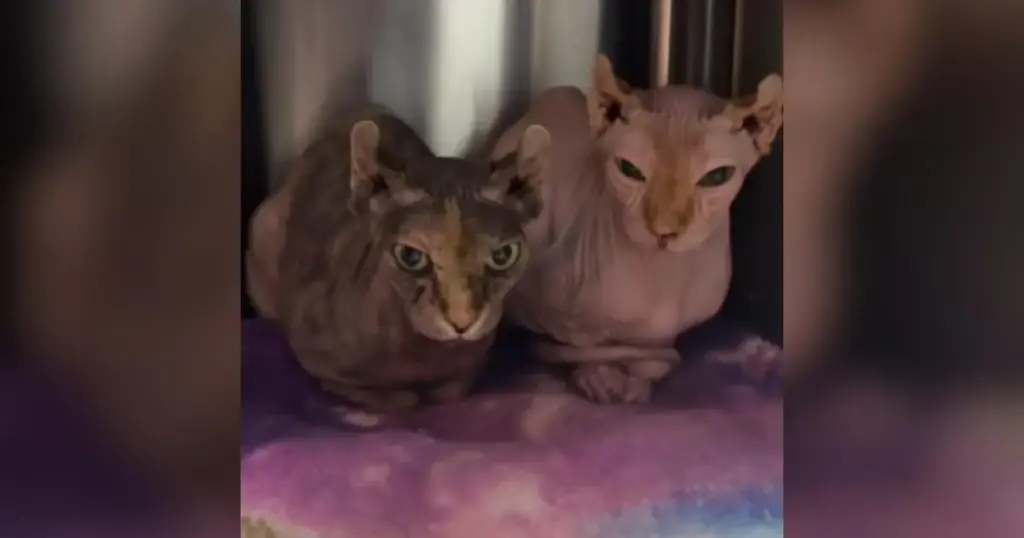
- Domestic and Feral Cats: Free-ranging domestic cats kill billions of birds annually in the United States alone, making them the single largest source of direct, human-caused mortality for native wildlife.
- Migration Hazards: Billions of migratory birds navigate artificial light pollution, reflective glass windows, and sprawling urban developments twice a year, resulting in catastrophic collision mortalities.
- Climate Disruption: Mismatched phenology—where warming temperatures cause spring insect hatches to occur before migratory birds arrive—starves nesting parents and their young.
3. The Blueprint for Recovery: Maine’s Atlantic Puffins
Offering a powerful counter-narrative, the third wall explores the Atlantic puffin (Fratercula arctica) and the triumphs of targeted restoration biology. Historically decimated by egg harvesting and hunting in the Gulf of Maine, puffins were entirely extirpated from Eastern Egg Rock by the late 19th century.
Through pioneering translocation and decoy-use programs initiated by conservationists, puffins were successfully reintroduced to their historic nesting grounds. Today, these colonies stand as a testament to what is achievable through dedicated, science-backed conservation management.
The Marine Core: Why Forage Fish Matter
A central policy focus tied to the exhibition is the Forage Fish Conservation Act. Forage fish—such as anchovies, sardines, herring, and menhaden—are the literal beating heart of marine ecosystems. These small, schooling fish form the crucial nutritional bridge between primary producers (plankton) and higher-level marine predators, including seabirds, marine mammals, and commercially valuable game fish.
[ Plankton ] ---> [ Forage Fish (Anchovies, Menhaden) ] ---> [ Seabirds & Marine Predators ]Historically, industrial fisheries have targeted forage fish for reduction into fishmeal and agricultural feed, often without adequate catch limits or ecosystem-based management. Overfishing of forage fish starves breeding seabirds—such as terns, pelicans, and puffins—leading to catastrophic reproductive failures. Supporting legislative protections for forage fish is therefore not merely an act of fisheries management, but an essential component of coastal bird conservation.
Official Statements and Expert Perspectives
The intersection of fine art and public policy embodied by the STEAM 2026 exhibition has drawn high praise from environmental leaders, museum curators, and the artist herself.
Pippin Frisbie-Calder on the Intent of the Installation
Articulating the core philosophy behind her immersive work, artist Pippin Frisbie-Calder emphasizes that visual storytelling must transcend traditional gallery boundaries to achieve meaningful impact:
"When you enter this space, I did not want people to simply look at pictures on a wall. I wanted them to feel enveloped by the environment—to understand that these birds exist in complex, interconnected webs that we either sustain or unravel through our daily choices and public policies," Frisbie-Calder stated during the preliminary installation phase. "The three walls represent a choice. We know what extinction looks like through the woodpecker; we know the daily paper-cuts of modern survival that songbirds face; and we know, through the puffins, that if we commit our energy and science to restoration, nature can and will rebound."
The National Audubon Society’s Leadership Voice
The partnership with senior representatives from the National Audubon Society underscores the institutional weight behind the exhibition’s conservation messaging. Bethany Kraft, a key panelist and conservation strategist, highlighted the critical role that public engagement plays in shifting legislative priorities in Washington and across state capitals.
"Conservation cannot happen in a vacuum, nor can it rely solely on scientists and policymakers," remarked Kraft. "Exhibitions like those curated at the Pensacola Art Museum play an indispensable role in culturalizing the environmental crisis. When a visitor reaches out to take a paper bird from the gallery wall and turns that gesture into a letter to their member of Congress in support of the Forage Fish Conservation Act, art has successfully catalyzed democracy in defense of our wildlife."
Collaborating panelists Brian Cammarano and Collette Lauzau have similarly emphasized the regional urgency facing Florida’s coastal ecosystems. With extensive coastlines providing vital habitats for resident and migratory seabirds alike, Florida sits on the front lines of climate vulnerability and habitat degradation.
"Our coastal environments are changing rapidly," Lauzau noted ahead of the December 12 panel. "Protecting the foundational elements of our marine food webs—starting with responsible forage fish management—is non-negotiable if we want future generations to experience the rich biodiversity that defines our coastal heritage."
Future Outlook: The Road Ahead for Avian Advocacy and Museum Education
As the Pensacola Art Museum’s STEAM 2026 exhibition continues its run, its long-term implications extend far beyond the gallery doors. The initiative points toward a transformative future for how cultural institutions engage with environmentalism, proving that art museums can function as powerful civic hubs for ecological literacy and political mobilization.
Re-envisioning the Role of the Modern Museum
Historically viewed as quiet repositories for historical artifacts and static fine art, modern museums are increasingly redefining their civic responsibilities. By embedding urgent contemporary issues—such as biodiversity loss, climate change, and wildlife legislation—directly into artistic programming, institutions like the Pensacola Art Museum are fostering a new model of engaged cultural stewardship.
Visitors leave the museum not only with an appreciation for Frisbie-Calder’s intricate woodblock printing techniques and multimedia compositions, but with actionable tools to affect real-world change. The integration of QR codes, informational literature regarding the Forage Fish Conservation Act, and on-site legislative advocacy stations creates a seamless pipeline from aesthetic inspiration to political action.
Legislative Horizons: The Forage Fish Conservation Act
Looking forward, the policy objectives highlighted by the exhibition face critical battles in legislative arenas. Environmental advocates stress that sustained public pressure—channeled through initiatives like the gallery’s action alerts—is vital to moving ecosystem-based fisheries management forward.
If successful, federal and state protections for forage species will stabilize marine food webs, providing immediate, tangible relief to struggling seabird populations along the Gulf Coast and across North American marine sanctuaries.
Continuing the Dialogue
For those looking to engage deeper with the themes of STEAM 2026, the upcoming panel discussion on December 12 from 4:00 p.m. to 6:00 p.m. at the Pensacola Art Museum offers a crucial forum for community dialogue. Featuring expert insights from Pippin Frisbie-Calder, Bethany Kraft, Brian Cammarano, and Collette Lauzau, the event promises to chart a collaborative path forward for conservation in Florida and beyond.
Ultimately, STEAM 2026 and “Extinct, Threatened, Restored” deliver a timeless, sobering message: the future of the natural world is not a foregone conclusion. Whether avian species follow the tragic trajectory of the Ivory-billed Woodpecker or the resilient recovery of the Atlantic puffin depends entirely on the collective will of humanity to protect the environments that sustain us all.
For further details, schedules, and ticketing information regarding the exhibition and its accompanying events, visitors are encouraged to visit the official Pensacola Art Museum STEAM 2026 portal.