
Executive Overview
In an era defined by compounding environmental crises—ranging from climate destabilization to catastrophic habitat loss and fractured food systems—the intersection of agriculture and conservation has never been more critical. Traditional boundaries that once cordoned off "wildlife preservation" from "food production" are rapidly dissolving. A burgeoning movement now recognizes that working lands, if managed with ecological intentionality, can serve as vital sanctuaries for biodiversity while simultaneously feeding local communities.
Nowhere is this synthesis more vital than in the American West, where vast grasslands face mounting pressures from development and intensive industrial farming. Addressing these complex systemic challenges requires not only scientific innovation, but also a fundamental democratization of the environmental movement. For generations, conservation spaces and land ownership have suffered from a lack of diversity, frequently excluding Black, Indigenous, and People of Color (BIPOC) communities from conversations about land stewardship—despite these groups possessing rich, historical legacies of agricultural innovation and earth-tending.
To bridge this historical gap, a transformative partnership has taken root in Colorado. Last month, Audubon Rockies and FrontLine Farming—a dynamic Denver-based food justice and advocacy organization—joined forces for an immersive, two-day educational initiative. Bringing together youth from FrontLine Farming’s Black Teen Cultivators program, the event served as a living laboratory. Spanning an urban farm plot and a working cattle ranch, the gathering fused avian field science with regenerative ranching, offering ten teenagers a firsthand look at how the food on our plates and the birds in our skies are inextricably linked.
By placing rare Black-capped Chickadees directly into the hands of curious teenagers, guiding them through pasture walks to spot rare grassland birds, and breaking bread over organic, hyper-locally sourced meals, this collaboration did more than teach ecology. It redefined what environmental stewardship looks like, who it belongs to, and how the next generation of BIPOC leaders will shape the future of American agriculture.
Detailed Chronology: A Two-Day Immersive Journey into Ecology and Agriculture
Day One: The Urban Roots of Field Science at Majestic View Farm
The crisp morning air at Majestic View Farm in Arvada, Colorado, hummed with anticipation as ten teenagers circled a rustic wooden picnic table. Their gazes were locked on a soft, wriggling cloth sack held gently in the hands of Zach Hutchinson, a community science coordinator for Audubon Rockies.
Slowly, methodically, Hutchinson unfastened the bag and extracted a tiny, darting creature: a Black-capped Chickadee. With practiced care, he secured the bird between his fingers and palm, demonstrating the internationally recognized "bander’s grip." Eyes wide with a mixture of disbelief and wonder, one student gasped, "There’s a bird in there?!"
Earlier that morning, Hutchinson and members of the Audubon Rockies Community Naturalist team—including Jacelyn Downey and Shelby Foery—had deployed mist nets across the farm’s acreage. FrontLine Farming operates Majestic View not merely as a production site, but as a pedagogical hub grounded in food justice, equity, and sustainable cultivation.
As the students crowded closer, Hutchinson carefully clamped a microscopic, lightweight metal bracelet around the chickadee’s leg. He explained the mechanics of the process: the band inflicts zero harm on the animal, yet bears a unique alphanumeric code. If recaptured by researchers elsewhere, this individual code tells a vital story about migratory patterns, lifespan, and population health.
The climax of the morning occurred when the data collection concluded. Hutchinson transferred the delicate bird directly into the open palm of a student. For a heartbeat, the chickadee paused, seemingly taking stock of its surroundings, before launching skyward to anchor itself safely in the boughs of a nearby tree.
The afternoon session expanded into broader theoretical and practical horizons. Audubon educators led intensive discussions unpacking the mechanics of bird handling, the cascading ecological impacts of climate change, and the fragility of modern global food systems. To anchor these lessons in community practice, FrontLine Farming’s staff served an organic lunch. The meal was a tangible testament to their mission, sourced almost entirely from their own growing plots and their innovative No Cost Grocery program, underscoring the direct loop between local food sovereignty, nutrition, and ecological health.
Day Two: Regenerative Ranching in Practice at Rafter W Ranch
If Day One was rooted in the micro-ecosystems of urban agriculture, Day Two scaled up to the sweeping vistas of the American rangeland. The cohort traveled east to Simla, Colorado, to visit the Rafter W Ranch, a working cattle operation managed by Lance Wheeler.
Crucially, Rafter W Ranch is not a conventional agricultural enterprise; it is an Audubon Certified Bird-Friendly Land. Operating under this designation requires adherence to exceptionally rigorous protocols governing habitat management, animal welfare, and long-term environmental sustainability. Members of the Audubon Conservation Ranching team—Dusty Downey, Chris Wilson, William Walker VI, and range ecologist Louisa Kimmell—guided the students through the philosophy and mechanics of regenerative grazing.
The experts illuminated how thoughtfully managed livestock can mimic the historic migratory patterns of bison herds, breathing new life into degraded soils. Grazing livestock, when rotated strategically, stimulate root growth, enhance water infiltration, sequester atmospheric carbon into the soil, and crucially, carve out undisturbed nesting habitats for ground-nesting grassland birds.
During an expansive pasture walk led by Wheeler, the Black Teen Cultivators scanned the horizons and riparian corridors. Their eyes, now attuned to ecological indicators, spotted a rich array of native grassland avifauna moving in active family units. The spotting scopes and binoculars brought into sharp focus species that serve as barometers of ecosystem health:
- Horned Larks
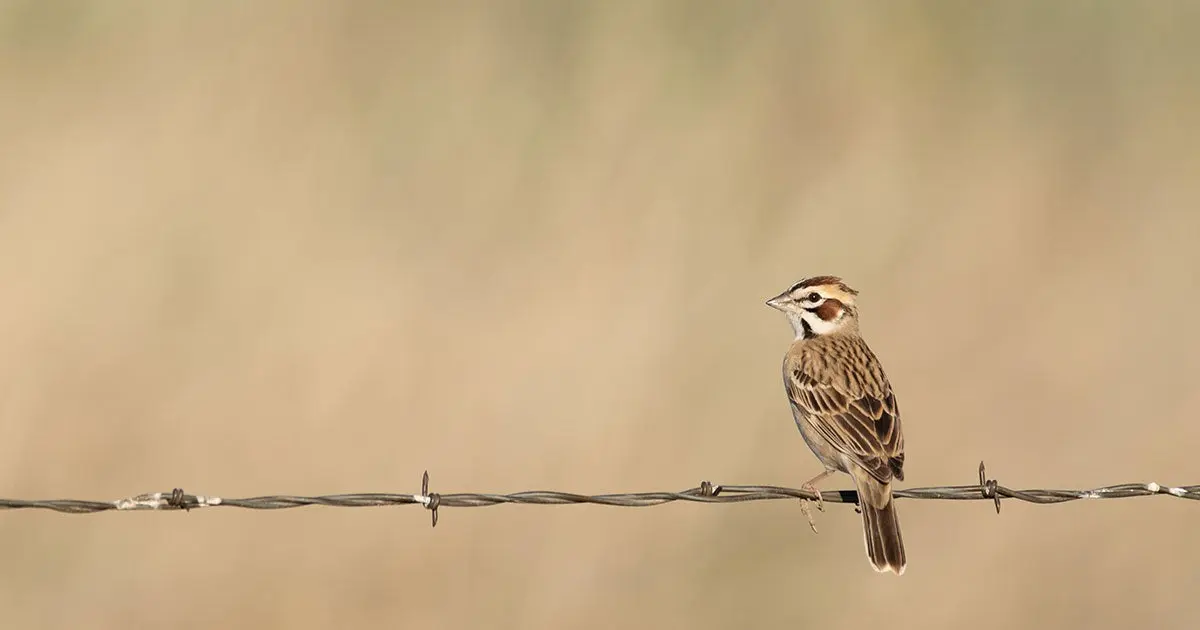
- Lark Sparrows
- Lark Buntings (Colorado’s state bird)
- Western and Eastern Kingbirds
The two-day experiential journey culminated in a community celebration that brought together ranchers, conservationists, and urban farmers. Participants gathered for a community barbecue featuring grass-finished beef from Rafter W Ranch paired with crisp, nutrient-dense greens supplied by FrontLine Farming. It was a sensory-rich conclusion to an event designed to prove that conservation and agriculture are not opposing forces, but symbiotic partners.
Supporting Context & Metrics: The Imperative of Grassland Conservation and Food Equity
To fully appreciate the significance of the Audubon and FrontLine Farming partnership, one must examine the broader ecological and socio-cultural landscape of the American West.
The Silent Crisis of North American Grasslands
North America’s grasslands are among the continent’s most imperiled biomes. Decades of intensive row-crop conversion, urban sprawl, and overgrazing have decimated native prairies. According to long-term avian monitoring data compiled by Audubon and partner institutions, grassland bird populations have suffered the steepest and most consistent declines of any bird group in North America over the past fifty years, with some species plunging by more than 50%.
Birds serve as the ultimate biological indicators; their presence or absence signals the fundamental health of soil, water, and plant communities. When grassland birds vanish, it is a flashing red warning light indicating degraded soils, collapsing insect populations, and compromised hydrological cycles.
The Evolution of Audubon Conservation Ranching
Recognizing that the vast majority of remaining grassland is privately owned ranchland, Audubon launched the Audubon Conservation Ranching (ACR) program. ACR partners directly with ranchers, deploying market forces to drive ecological restoration. By certifying beef products that meet strict biodiversity and regenerative land-management standards, ACR empowers consumers to vote with their wallets. Purchasing "Bird-Friendly" beef directly incentivizes ranchers to maintain complex vegetation structures, protect native plants, and manage water resources sustainably.
FrontLine Farming and the Imperative of BIPOC Land Access
Simultaneously, the agricultural landscape in the United States faces a profound demographic crisis. The farming population is aging rapidly, while structural inequities have historically barred BIPOC communities from land ownership, agricultural education, and capital resources. Formed in 2018, FrontLine Farming was established to aggressively counteract these systemic barriers.
By centering the agricultural and land-ownership interests of Black, Indigenous, and People of Color, as well as beginning farmers, FrontLine Farming fosters radical food sovereignty. Their programs—most notably the Black Teen Cultivators—are designed to build community leadership, teach sustainable organic farming techniques, and reconnect youth with the historical legacy of Black and Indigenous land stewardship.
Official Statements: Voices from the Field
The success of the collaborative event is best understood through the reflections of the leaders and educators who brought it to life.
"Events like this are crucial for inspiring the next generation of agriculturalists and conservationists and offering the idea that the two not only can co-exist, but are interdependent."
— Louisa Kimmell, Range Ecologist, Audubon Conservation Ranching Program, Colorado
Kimmell’s sentiment captures the core philosophy of the initiative: moving past the false dichotomy that pits environmental preservation against economic agricultural production.
"Partnering with Audubon gave our Black Teen Cultivators an opportunity to see the connection between farming, ecology, and conservation in a hands-on way. Over the two days, our youth not only learned about birds and their role in healthy ecosystems, but they also deepened their understanding that caring for the land means protecting all of the life it supports. Partnerships like this help expand our youth’s vision of what environmental stewardship can look like and inspire them to see themselves as future leaders in agriculture and conservation."
— Kourtnie Burse, Education Manager, FrontLine Farming
Burse highlights the transformative power of experiential education in dismantling historical barriers to entry in the environmental sector. When youth see themselves actively handling wild birds on a farm, mental boundaries dissolve, replaced by a sense of ownership over the natural world.
"As part of the community building team, sharing in the wonder of birds with the Black Teen Cultivators will be a lasting memory. The passion for community-driven food sovereignty already kindled in these future leaders provided the foundation to have open conversations and experiential learning about the intersection of conservation and sustainable food production. Our time banding birds on an active farm and watching prairie birds moving in family units on the Rafter W Ranch will hopefully ensure the idea that conservation is accessible to all."
— Zach Hutchinson, Community Science Coordinator, Audubon Rockies
Future Outlook: Scaling the Partnership for Lasting Impact
The resounding success of last month’s pilot initiative marks not a conclusion, but a foundational milestone. Leaders from both Audubon Rockies and FrontLine Farming are already actively planning future collaborative programming designed to deepen the curriculum, expand cohort sizes, and reach additional communities across Colorado and the broader Intermountain West.
Strategic Pathways Forward:
- Curriculum Expansion: Integrating deeper modules on avian migration telemetry, soil microbiome analysis, and climate resilience modeling into FrontLine Farming’s ongoing youth agriculture tracks.
- Producer Mentorship Networks: Connecting participating Black Teen Cultivators directly with Audubon Certified Bird-Friendly ranchers, creating pathways for internships, apprenticeships, and collaborative land-management projects.
- Policy and Community Advocacy: Amplifying youth voices in regional conversations regarding land use, conservation funding equity, and sustainable food system policies at municipal and state levels.
As these organizations continue to build bridges between urban food justice initiatives and rural regenerative ranching, they are charting a new paradigm for American conservation. It is a model built on inclusivity, ecological rigor, and the shared conviction that healing our lands requires healing our human communities first.
By empowering the Black Teen Cultivators with the tools of field science and the philosophy of regenerative agriculture, Audubon and FrontLine Farming have ensured that the future stewards of our grasslands, soils, and skies will be as diverse, resilient, and vibrant as the ecosystems they protect.
About Audubon Conservation Ranching
Audubon Conservation Ranching partners with ranchers to sustain healthy grasslands, abundant birdlife, and resilient rural communities. Through our bird-friendly land certification and science-based approach, we empower land stewards to enhance habitat, improve soil health and water quality, and strengthen the connection between conservation and ranching. By purchasing products from Audubon Certified Bird-Friendly Land, consumers become conservationists, helping protect America’s grasslands and the birds, wildlife, and people that depend on them. For more information, visit www.audubon.org/ranching.