For feline behaviorists, veterinarians, and devoted pet owners alike, understanding the internal emotional landscape of a domestic cat has long been a fascinating pursuit. Unlike dogs, whose emotions are frequently broadcast through overt, exuberant displays of affection and compliance, cats are master practitioners of subtlety. Descended from solitary hunters—where vulnerability meant the difference between survival and predation—domestic cats retain an innate, evolutionary predisposition toward vigilance. They are creatures programmed to assess risk before comfort.
However, when a cat transitions from hyper-vigilant survival mode to deep, unreserved relaxation, their environment ceases to be a territory requiring constant defense and instead becomes a true sanctuary. Recognizing this shift requires a nuanced reading of everyday behaviors. Recent ethological observations confirm that safety in the feline world is not merely the absence of immediate danger; it is actively constructed through familiar scents, reliable resource distribution, spatial control, and predictable daily routines.
This comprehensive report examines 14 distinct behavioral indicators that demonstrate a cat feels profoundly secure within its home. By analyzing everything from sleeping posture and grooming habits to scent-marking and recovery times from startling stimuli, cat owners can gain unprecedented insight into their pet’s psychological well-being. Ultimately, when a cat’s home feels dependable, they are granted the psychological luxury to rest, explore, play, and interact without the exhausting burden of perpetual alertness.
Detailed Chronology: The Evolution of Feline Comfort in a Domestic Environment
Understanding how a cat comes to feel secure at home requires tracing the timeline of their psychological adaptation. When a cat is first introduced to a new space or experiences environmental disruption, their behavioral baseline is characterized by high physiological arousal and cautious assessment.
Phase One: The Hyper-Vigilant Arrival
In the initial stages of occupying a space—whether it is a brand-new home or a rearranged living room—a cat operates primarily from the sympathetic nervous system. During this phase, movement is restricted to the peripheries. Cats will typically hug walls, dart between heavy pieces of furniture, and select secluded, enclosed hiding spots that offer maximum concealment and minimal lines of sight. Eating is often performed in rushed, furtive intervals, and any novel sound triggers an immediate freeze-or-flee response.
Phase Two: Territorial Mapping and Scent Integration
As days progress without catastrophic threats, the cat begins constructing a detailed mental map of the territory. This phase is marked by active exploratory behavior during low-activity hours. The cat systematically deposits facial and pedal pheromones across doorframes, furniture corners, and trusted humans. By stamping the environment with their unique chemical signature, they transform an alien landscape into a predictable, manageable ecosystem.
Phase Three: Habituation and Predictable Routines
Once territorial mapping is complete, the cat begins syncing its internal biological clock with the rhythms of the household. They anticipate feeding times, map out recurring human traffic patterns, and establish favorite resting berths. Physiological markers of stress—such as elevated heart rates and dilated pupils during rest—begin to decline.
Phase Four: Complete Decompression and Sanctuary Living
In the final and most desirable phase of environmental adaptation, the cat achieves absolute psychological security. At this juncture, the home is fully recognized as a sanctuary. The animal abandons defensive postures, replaces stealthy movement with confident exploration, and engages in uninhibited play, vulnerable resting positions, and relaxed self-care. The behavioral chronology shifts completely from threat-management to pure comfort maximization.
Supporting Context & Metrics: Decoding the Signs of Security
To accurately assess whether a cat feels safe, we must dissect the specific behavioral markers that manifest when the autonomic nervous system is resting in a parasympathetic state. Here is a detailed breakdown of the 14 key indicators.
1. Sleeping Out in the Open
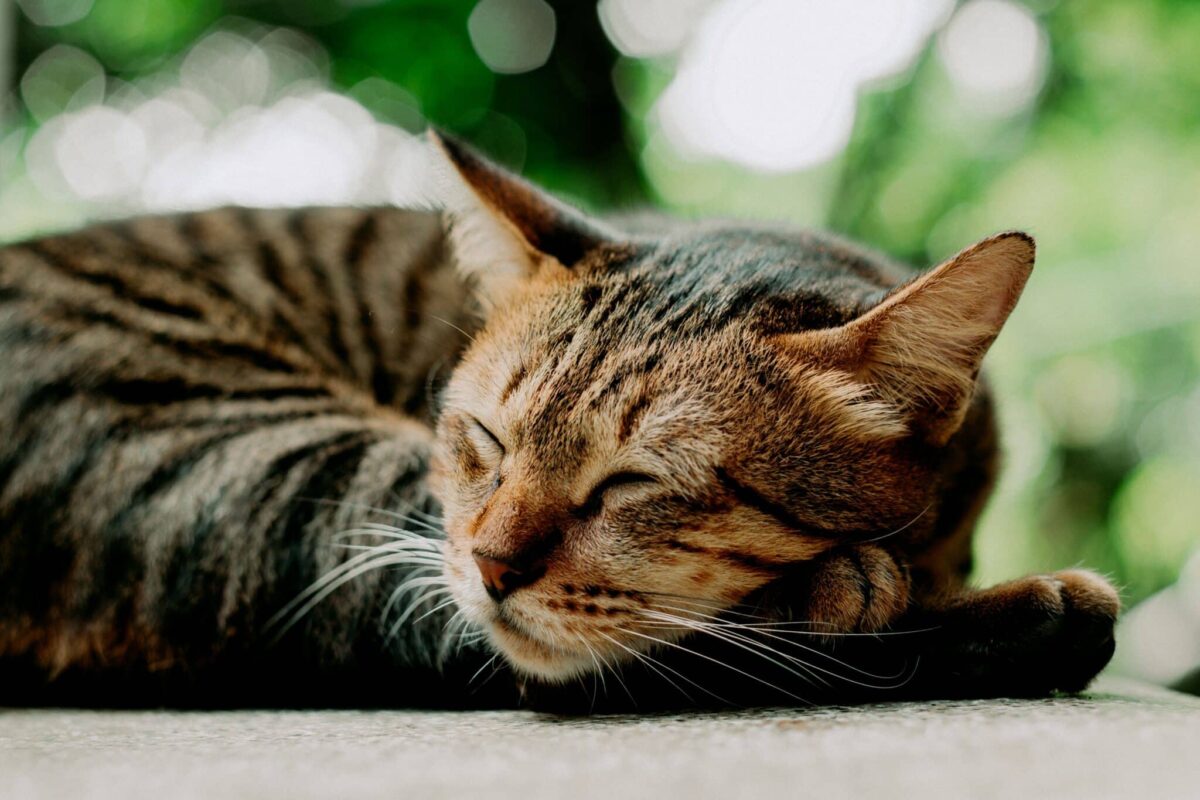
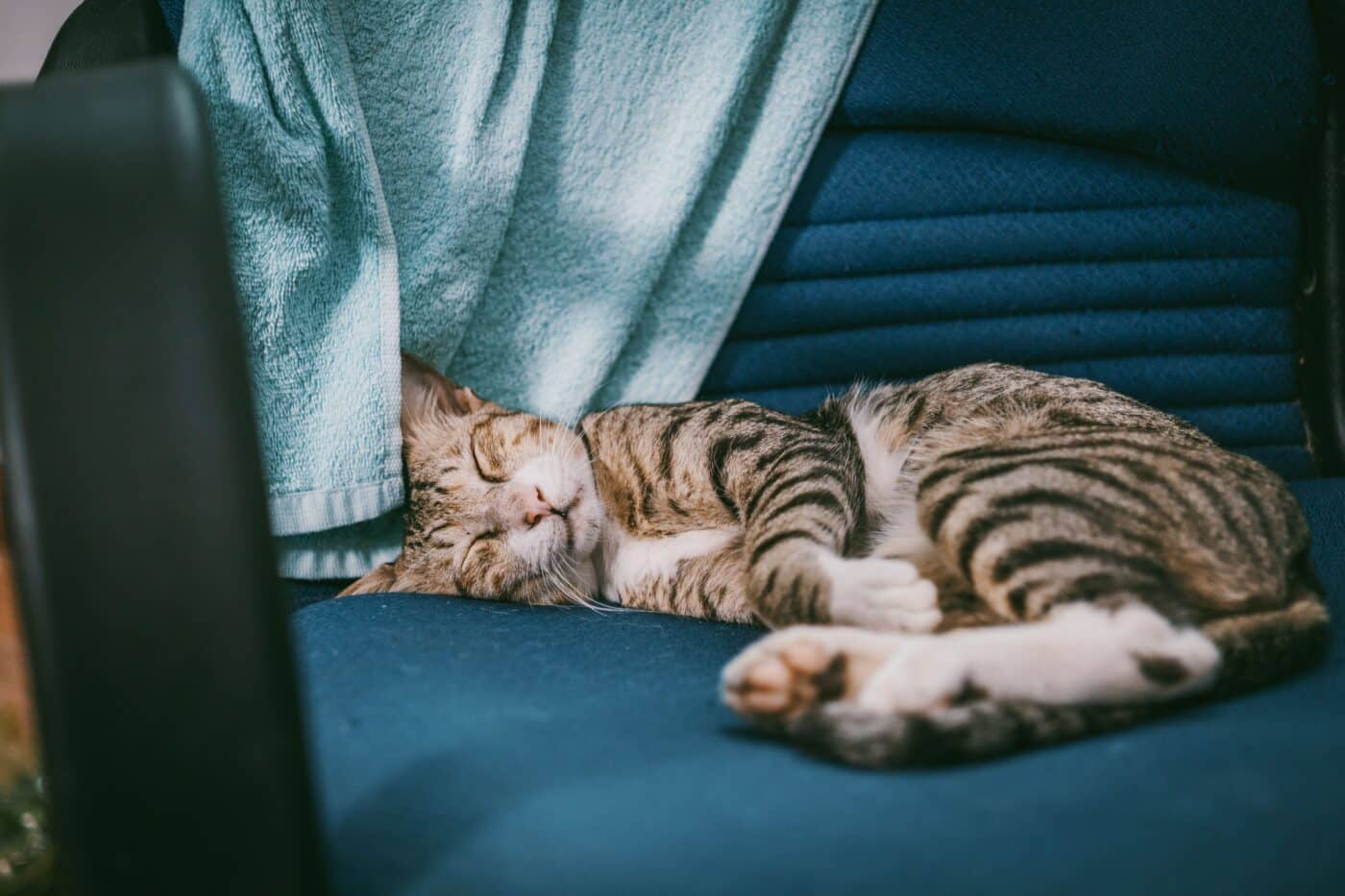
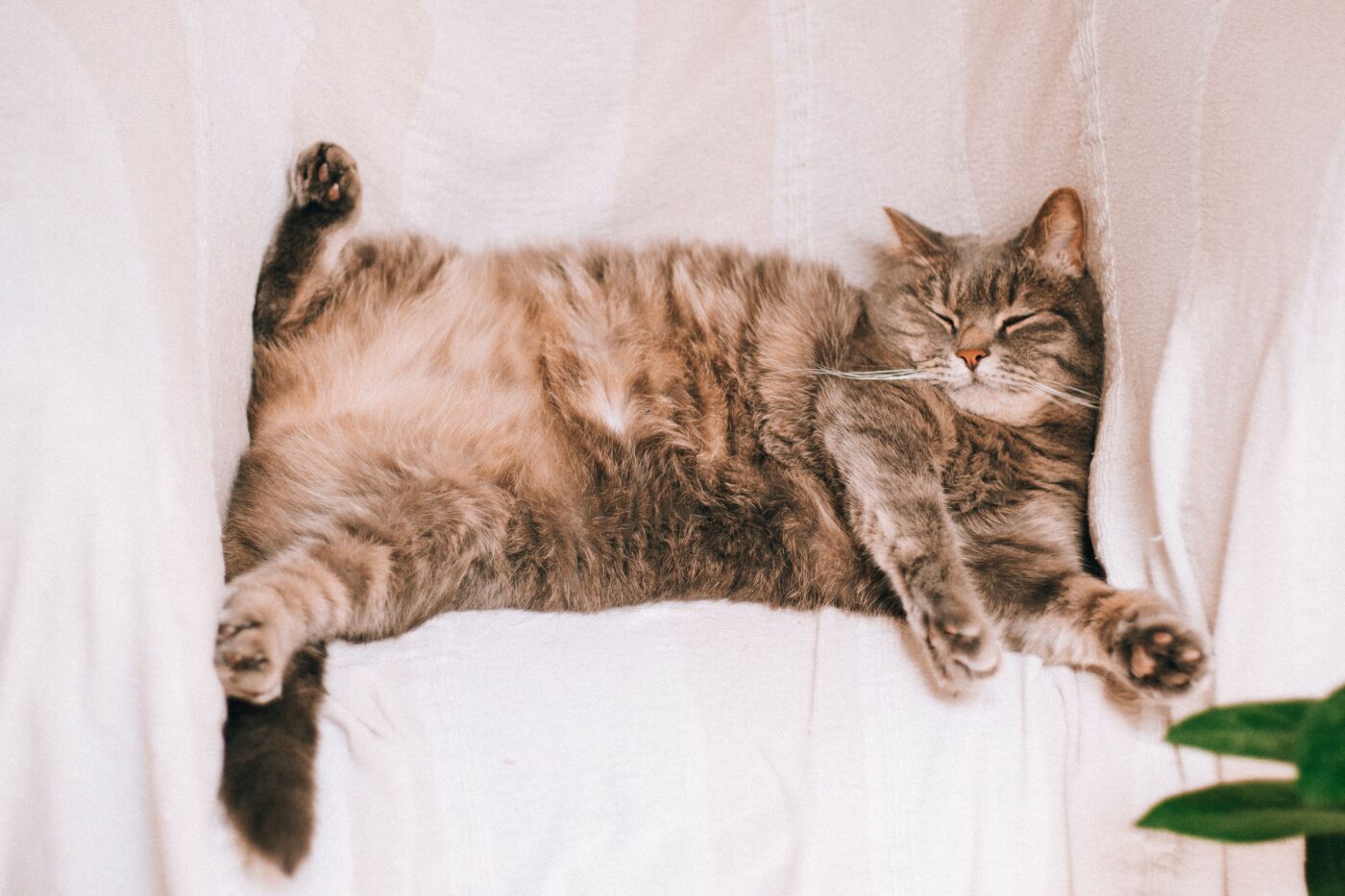
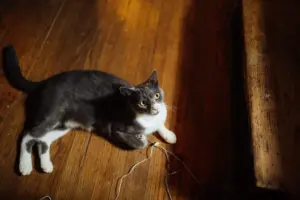
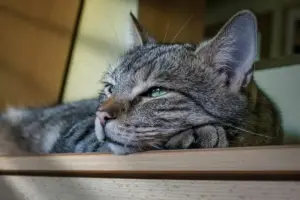
Sleep is the ultimate vulnerability for a feline predator turned pet; it temporarily suspends their capacity to react instantaneously to environmental hazards. Therefore, a cat that regularly naps in exposed, central locations—such as the middle of a sofa, across a bed, or on an open patch of hardwood floor—is demonstrating immense confidence in its surroundings. While enclosed spaces like cat caves remain popular for natural security, repeatedly choosing visible, high-traffic zones while displaying loose muscles and peaceful respiration indicates a deep trust in the home’s predictability.
2. Stretching Out Instead of Tucked Up
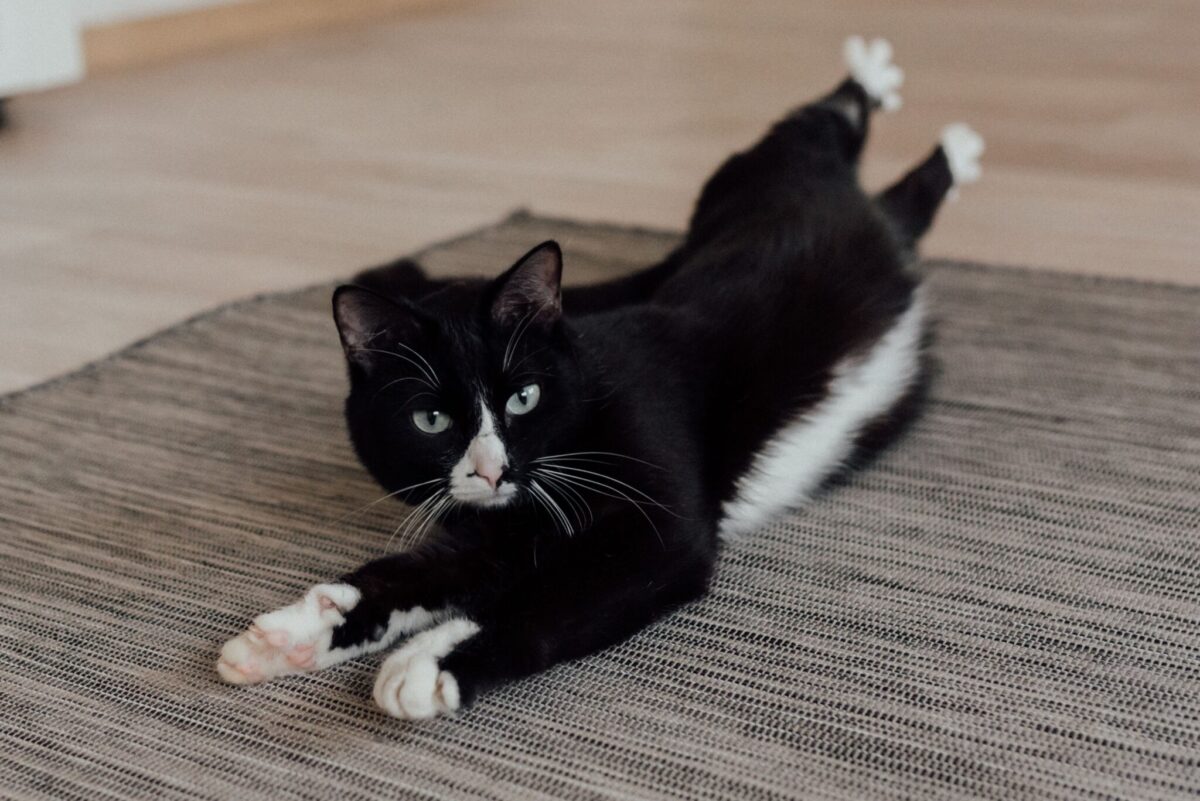
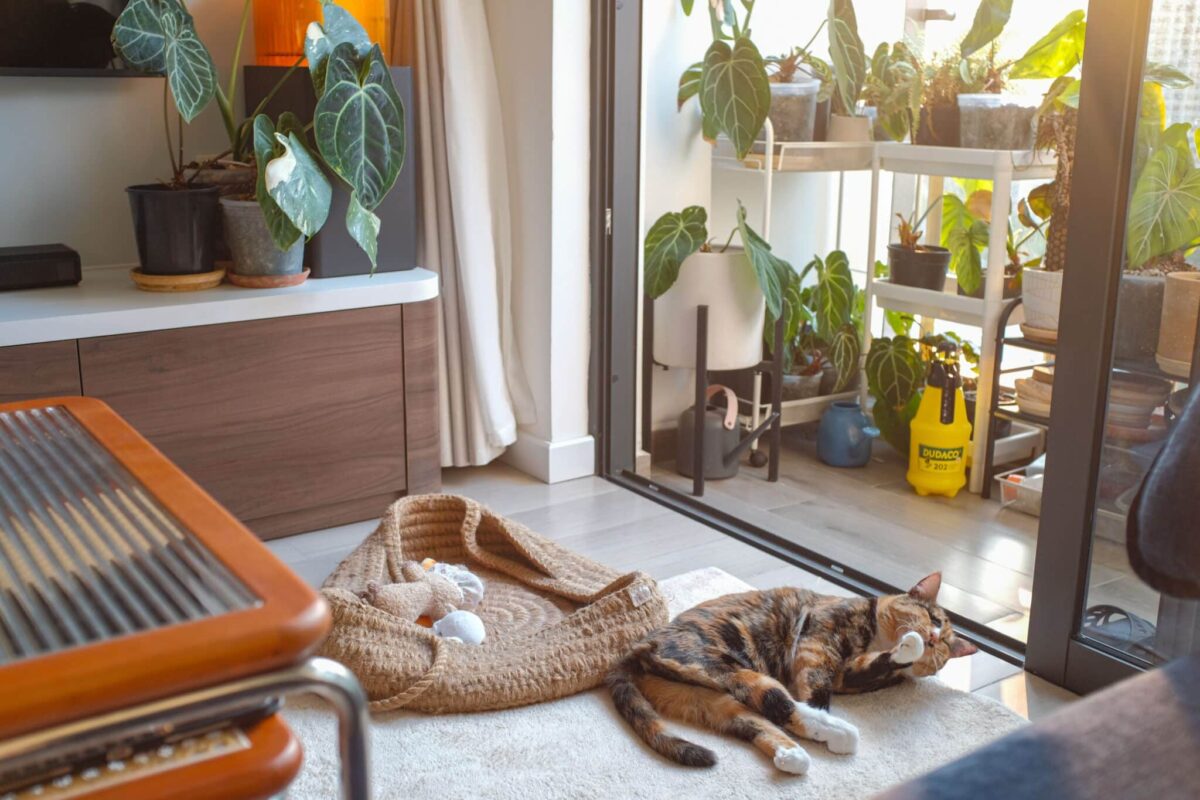
The physical geometry of a resting cat speaks volumes about its psychological state. Tightly coiled sleeping positions—such as the "meatloaf" or tightly tucked-in configurations—keep the musculoskeletal system compact and ready for explosive movement. Conversely, when a cat sprawls completely flat on its side, extends all four legs, or twists into loose, asymmetrical configurations, it is actively relinquishing the need for immediate physical preparedness. While thermal regulation plays a role in sprawling, doing so consistently in open areas signifies profound physical ease.
3. Calm Self-Grooming Around Humans
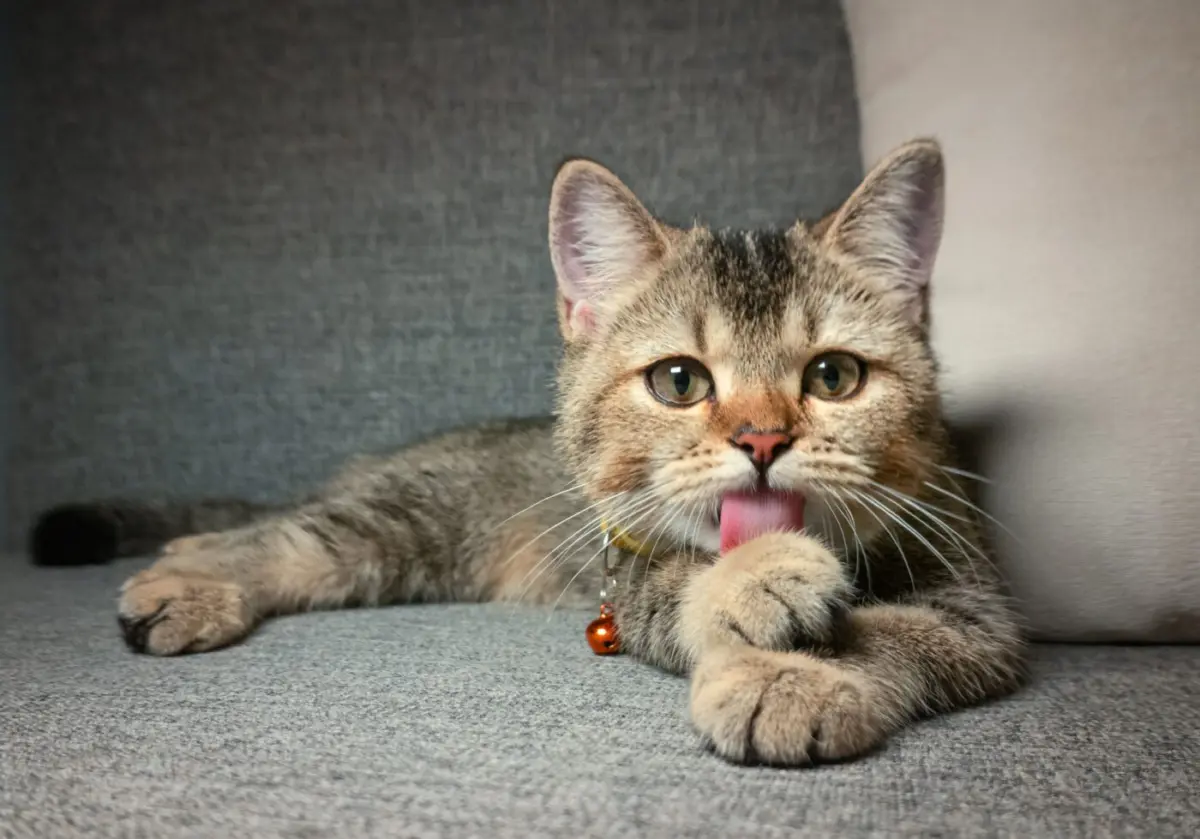
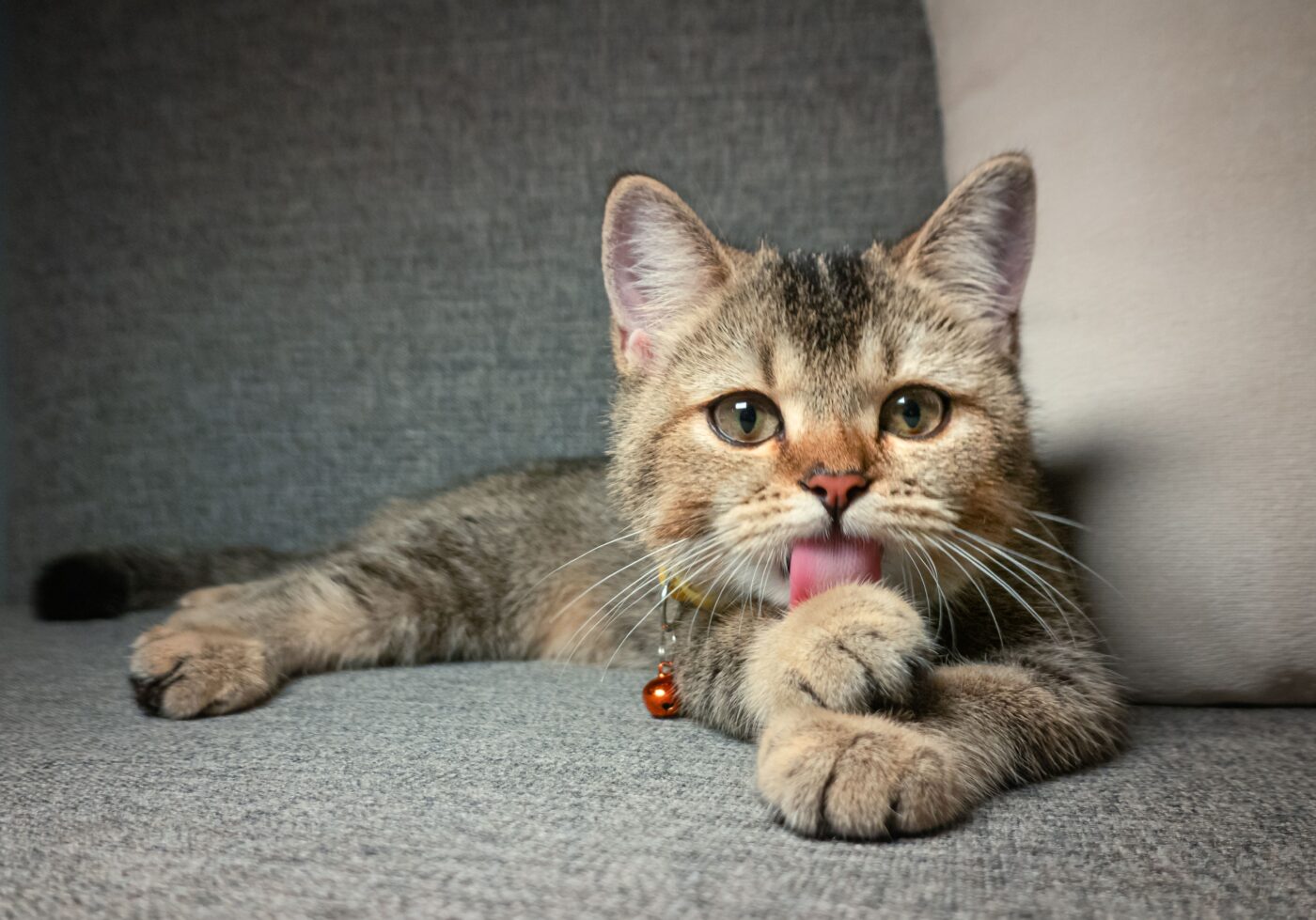
Grooming is an essential maintenance behavior, but the contextual setting dictates its meaning. A secure cat will frequently pause near familiar people, settle onto a preferred surface, and spend extended periods methodically washing their face, paws, and coat. Because grooming requires intense sensory focus, executing it openly requires the absence of perceived threats. While post-stress grooming can sometimes occur, rhythmic self-care interwoven with normal eating, sleeping, and playing signals a harmonious daily routine.
4. Establishing and Rotating Favorite Sleeping Spots
Felines rely heavily on spatial predictability. Cats construct complex mental maps incorporating comfort, ambient temperature, sightlines, olfactory familiarity, and safety. A cat that returns repeatedly to specific chairs, windowsills, or shelves has identified dependable resting nodes. Many individuals maintain a rotating portfolio of favorite spots depending on the time of day or household activity levels. This confident migration between trusted zones confirms that the entire home has been integrated into their recognized territory.
5. Engaging in Spontaneous Play
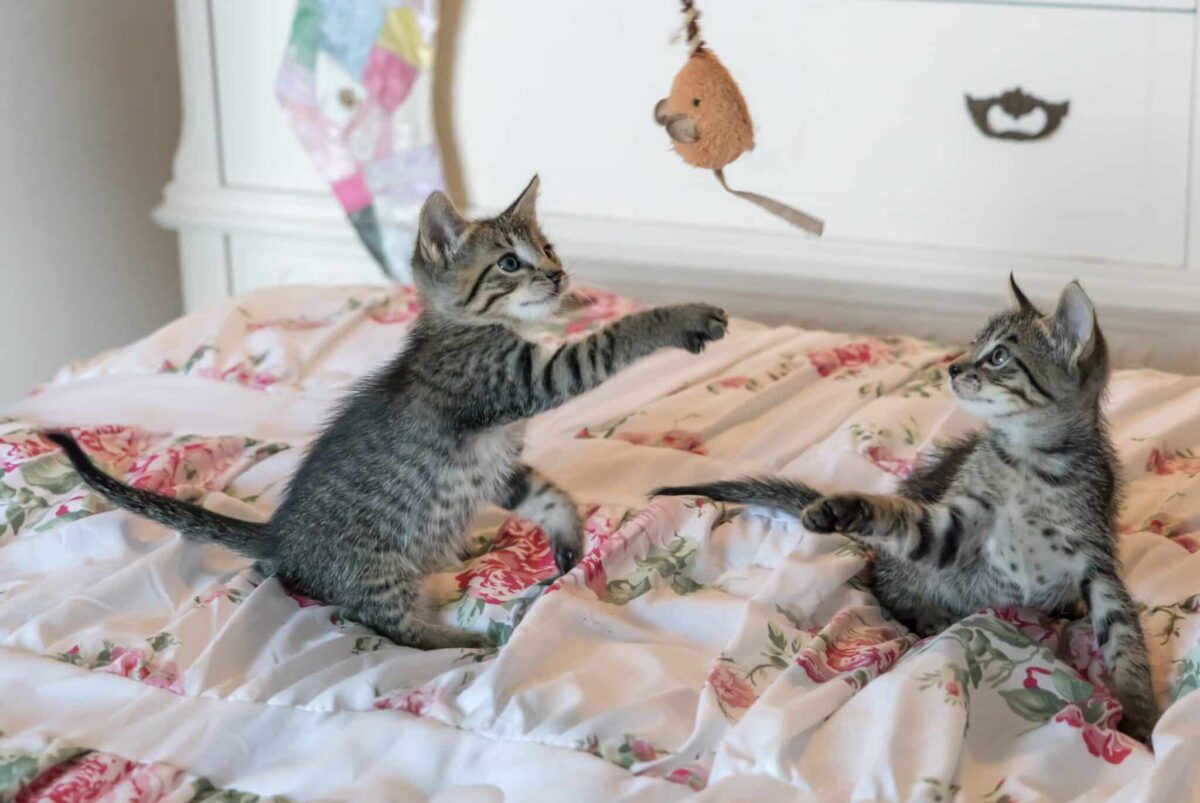
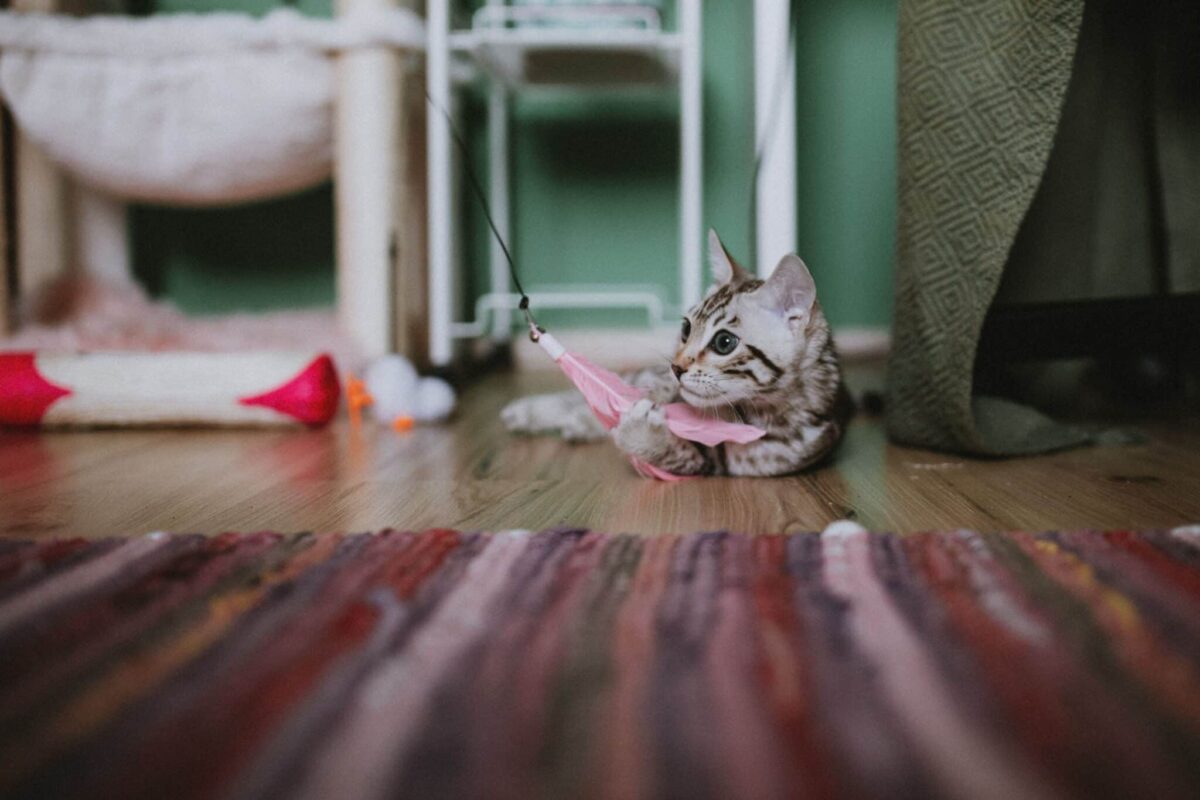
Play in adult cats is not merely a frivolous pastime; it is the physical expression of hunting sequences, motor coordination, cognitive curiosity, and problem-solving. A cat that enthusiastically chases toys, ambushes from behind furniture, or races through rooms has surplus energy and confidence to spare. Persistent stress or fear shuts down play circuits in the feline brain because survival priorities override recreation. Thus, spontaneous, joyful play is one of the most reliable metrics of emotional well-being.
6. Exposing the Abdomen
The abdomen houses critical visceral organs and represents the most vulnerable anatomical zone for any mammal. When a cat rolls onto its back, exposes its belly, and maintains loose, uncurled paws, it is displaying an extreme degree of physical comfort. Animal behaviorists emphasize that this posture is rarely an invitation for belly rubs—many cats will instinctively lash out if that sensitive area is touched—but rather a testament to the fact that the cat feels so secure in its environment that it has no need to protect its core.
7. Confident Locomotion Through the Household
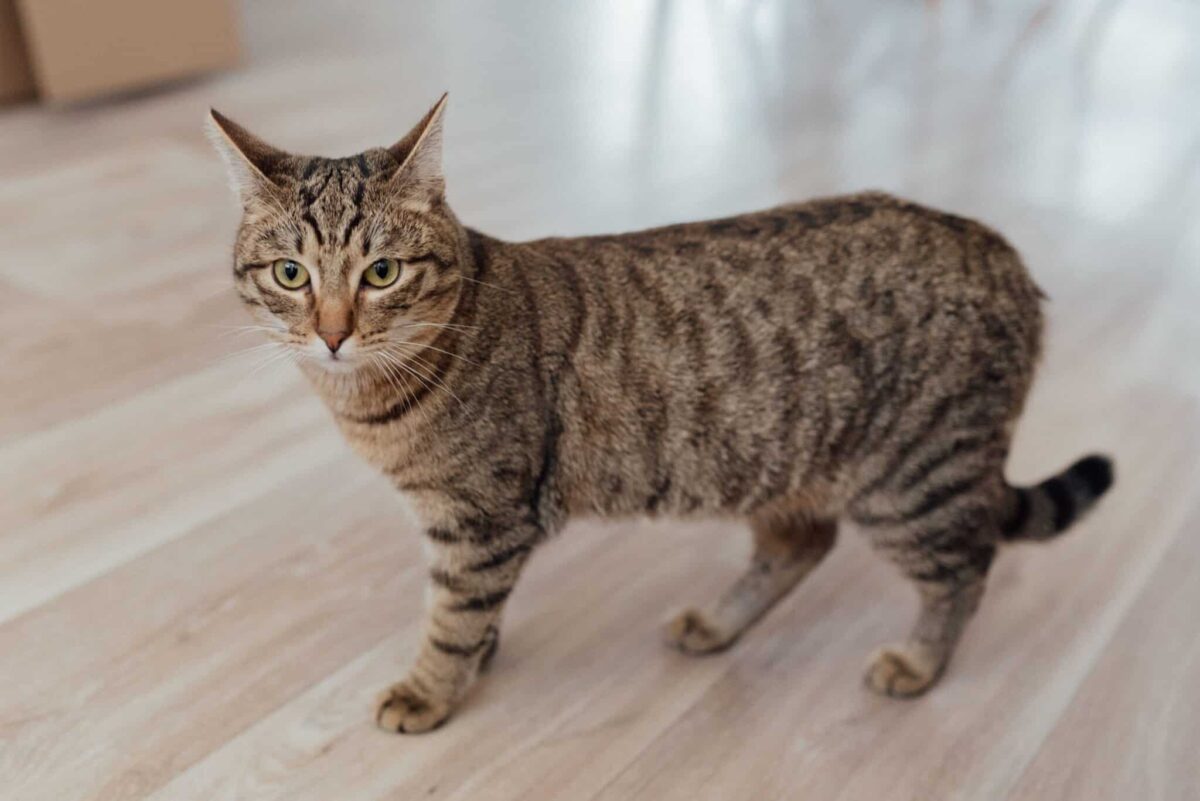
Watch how a cat navigates a room. An insecure cat will typically creep low to the floor, hug baseboards, or dart rapidly from one hiding place to another. A secure cat, however, walks casually and fluidly across open spaces, tail held in a gentle question-mark curve, treating doorways and hallways as open territory rather than hazardous checkpoints. This calm physical mobility indicates that navigating the home no longer requires a major security assessment.
8. Regular and Relaxed Scratching
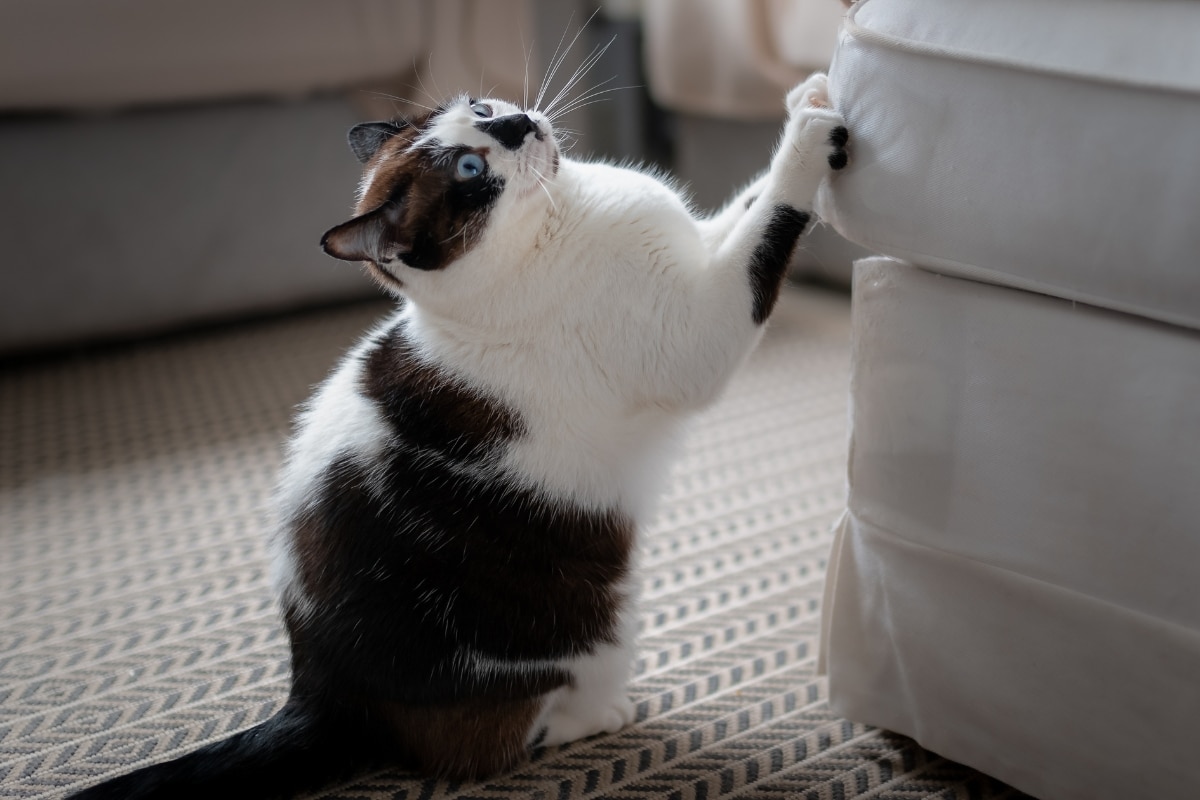
Scratching serves multiple biological functions: claw maintenance, physical stretching, and chemical communication via interdigital scent glands. When a cat regularly uses designated scratching posts and pads with a relaxed, full-body extension, they are actively participating in healthy territorial reinforcement. They are not frantically shredding furniture out of anxiety, but rather comfortably leaving their signature across an environment they rightfully claim as their own.
9. Cheek Rubbing and Scent-Marking
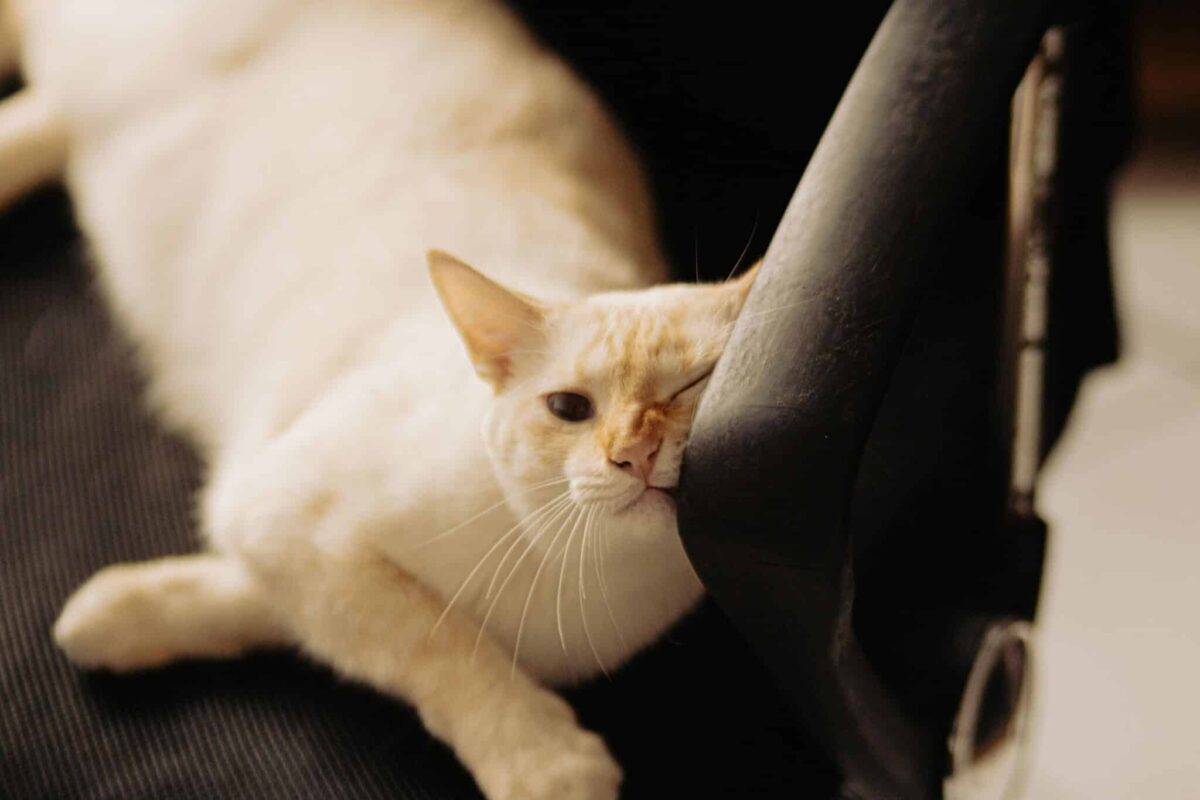
Facial rubbing against furniture corners, doorframes, and human ankles is frequently misinterpreted as purely affectionate behavior. While it certainly strengthens social bonds, its primary evolutionary purpose is scent-marking. Cats possess sebaceous glands along their cheeks, chin, and lips. By depositing these chemical signals on familiar objects, they construct an olfactory blanket that blankets the home in familiar, reassuring markers, making the space emotionally legible and comforting to navigate.
10. Uninterrupted Eating Habits
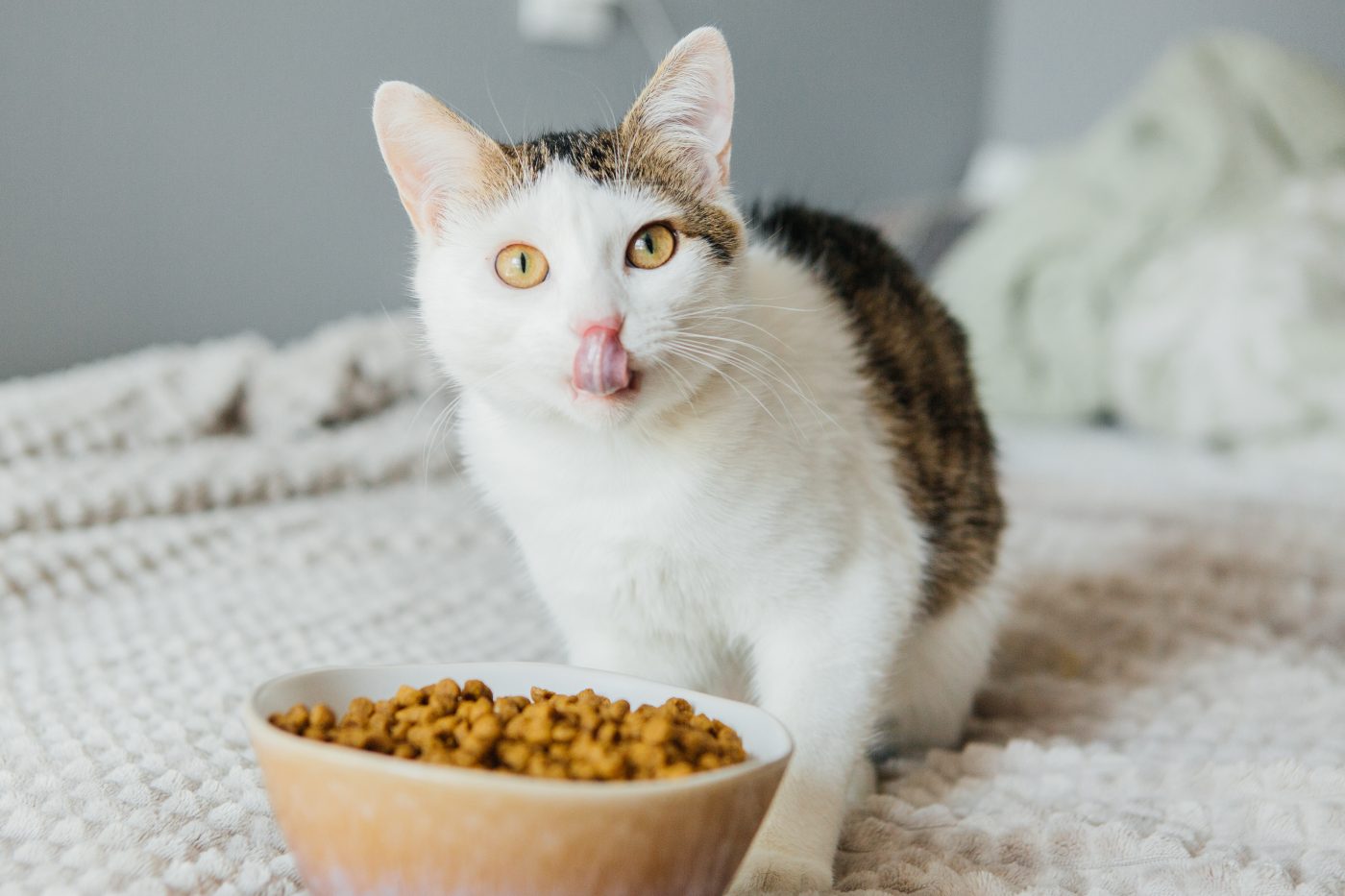
In the wild, feeding is a high-risk activity that leaves animals vulnerable to opportunistic predators or resource competitors. A secure domestic cat approaches its feeding station without hesitation, settles into a steady rhythm, and consumes meals without constantly pausing to scan the perimeter or startling at minor household sounds. While individual feeding styles vary, the absence of hyper-vigilance during meals proves that the cat trusts both the reliability of its food supply and the safety of its dining location.
11. Synchronizing with Household Routines
Cats are creatures of habit who find immense comfort in predictability. A secure cat quickly masters the circadian rhythm of the home, appearing reliably at feeding stations, greeting spots by the front door, or favorite lounging areas at specific times of day. This synchronization demonstrates that the cat understands how the household operates and trusts its consistency. Predictable routines drastically reduce baseline anxiety levels.
12. Resting in Proximity to Household Activity
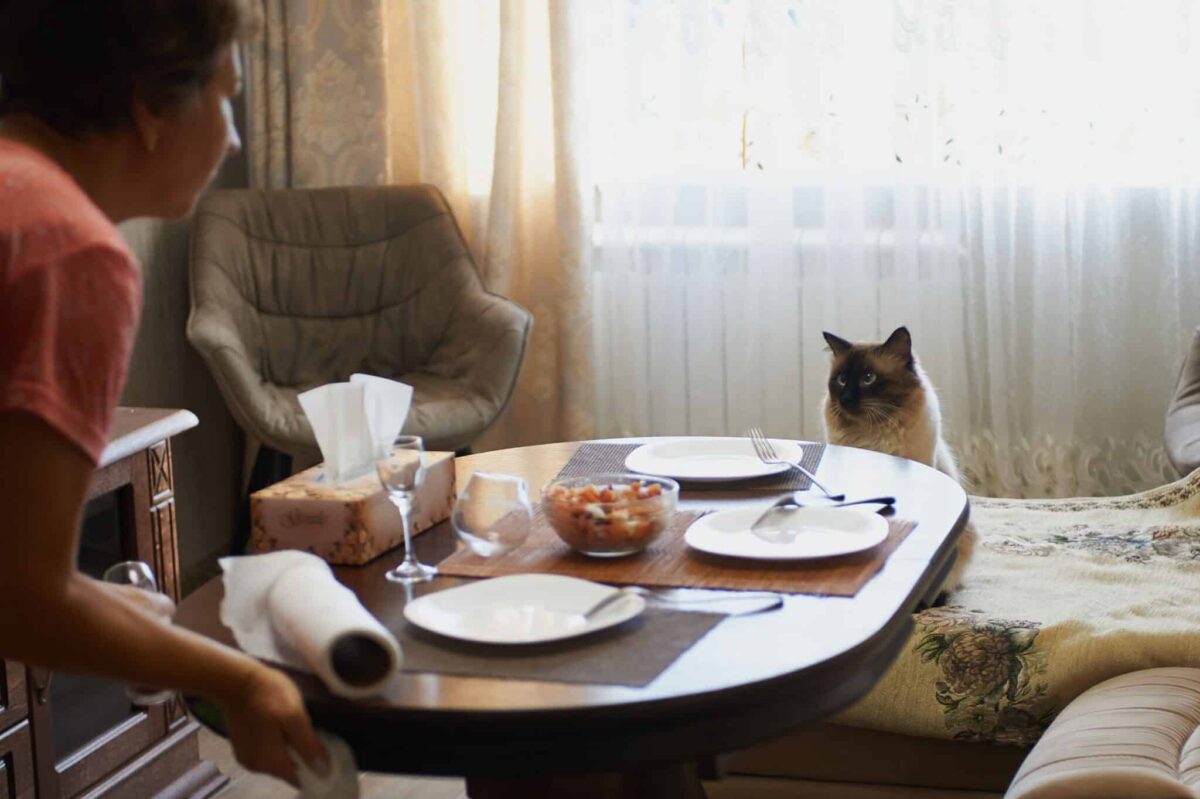
An insecure cat retreats to isolation at the slightest sound of human movement. A secure cat, by contrast, chooses to rest in close physical proximity to everyday chaos—curling up near a home office desk, lounging in an active hallway, or napping on the living room rug while family members move about. This tolerance for normal domestic traffic proves that common household sounds and movements have been categorized as benign rather than threatening.
13. Rapid Recovery From Startling Surprises
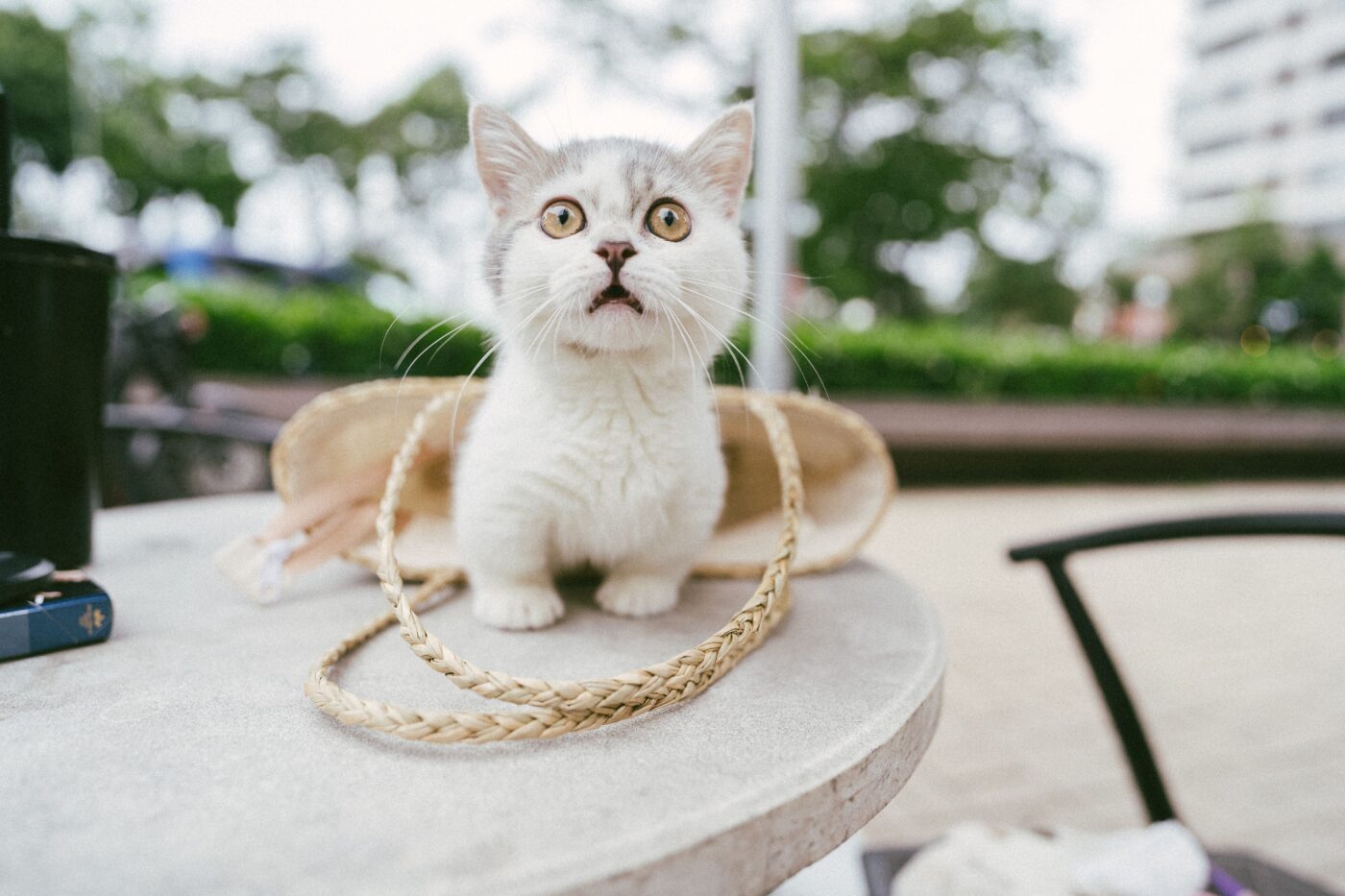
Even the most confident, pampered housecat will occasionally jump at a dropped pan, a sudden loud noise, or an unexpected visitor. The true diagnostic metric of security is not the initial startle response—which is a hardwired evolutionary reflex—but the recovery time. A secure cat may pause, investigate the source of the anomaly, and rapidly return to baseline resting or playing behaviors within seconds or minutes. Prolonged hiding or behavioral regression indicates chronic stress, whereas quick recovery highlights deep-seated environmental confidence.
14. Trusting Inter-Species and Social Bonds
Finally, a cat that feels truly safe at home will display relaxed, non-reactive social behaviors toward other household members, whether human, canine, or feline. They do not maintain defensive posturing, resource-guarding stances, or chronic piloerection (hair-raising). Instead, their interactions are characterized by soft blinking, slow approaches, and mutual resting, proving that the social ecosystem of the home is perceived as fundamentally benevolent.
Official Statements & Expert Insights
Leading feline veterinarians and animal behaviorists emphasize that recognizing these behavioral cues is vital for proactive veterinary care and emotional enrichment.
Dr. Sarah Henderson, a prominent Doctor of Veterinary Medicine specializing in feline internal medicine, notes:
"Owners often assume a cat is healthy simply because it eats and uses the litter box. However, true feline wellness encompasses emotional security. When a cat exhibits open sleeping postures, confident locomotion, and uninterrupted feeding patterns, it validates that their physiological stress axes—specifically the hypothalamic-pituitary-adrenal axis—are operating in a healthy, non-chronic state. Physical health and environmental security are inextricably linked."
Furthermore, applied animal behaviorist Marcus Vance highlights the importance of environmental predictability:
"We must remember that cats are domestic ambassadors of wild predators. Their world is heavily mediated by scent, space, and time. When a home provides reliable resources and honors the cat’s need for territorial control, the animal undergoes a profound psychological shift. The house stops being a cage or a battleground; it becomes a genuine ecosystem where the cat can drop its guard and experience true contentment."
Future Outlook: The Intersection of Modern Feline Science and Home Design
As our understanding of domestic animal psychology deepens, the future of pet care and interior architecture is evolving to prioritize feline mental health. Emerging trends in pet-centric home design focus heavily on vertical territory, optimized sightlines, and structured olfactory enrichment—all of which directly support the 14 behavioral indicators of security outlined in this report.
Veterinary researchers anticipate that future smart-home technologies will increasingly integrate biometric sensors capable of monitoring feline resting heart rates, sleep continuity, and movement patterns. These advancements will empower pet owners to track psychological comfort levels with scientific precision, identifying subtle shifts in security long before clinical symptoms of stress manifest physically.
Ultimately, the ultimate measure of a successful human-feline cohabitation is not found in expensive accessories or elaborate setups, but in the quiet, everyday moments: a cat stretched out lazily across a sunlit floor, grooming contentedly, and resting with uncompromised peace. When a house achieves this level of emotional resonance, it transcends its physical walls and transforms into something infinitely more meaningful: a true, secure home.