
Executive Overview
On a brilliant, sun-drenched afternoon in late October, the Florida skies welcomed back a familiar yet awe-inspiring sight: a juvenile Bald Eagle, fully recovered from a debilitating early-life injury, taking its powerful, sweeping wings to the wind. Released against the scenic backdrop of Alligator Lake in Columbia County, this young raptor’s triumphant return to the wild marks far more than a singular animal’s survival story. It represents a watershed moment for wildlife conservation in the Sunshine State—highlighting the tireless, multi-tiered efforts of state lawmakers, dedicated conservationists, veterinary professionals, and an engaged community.
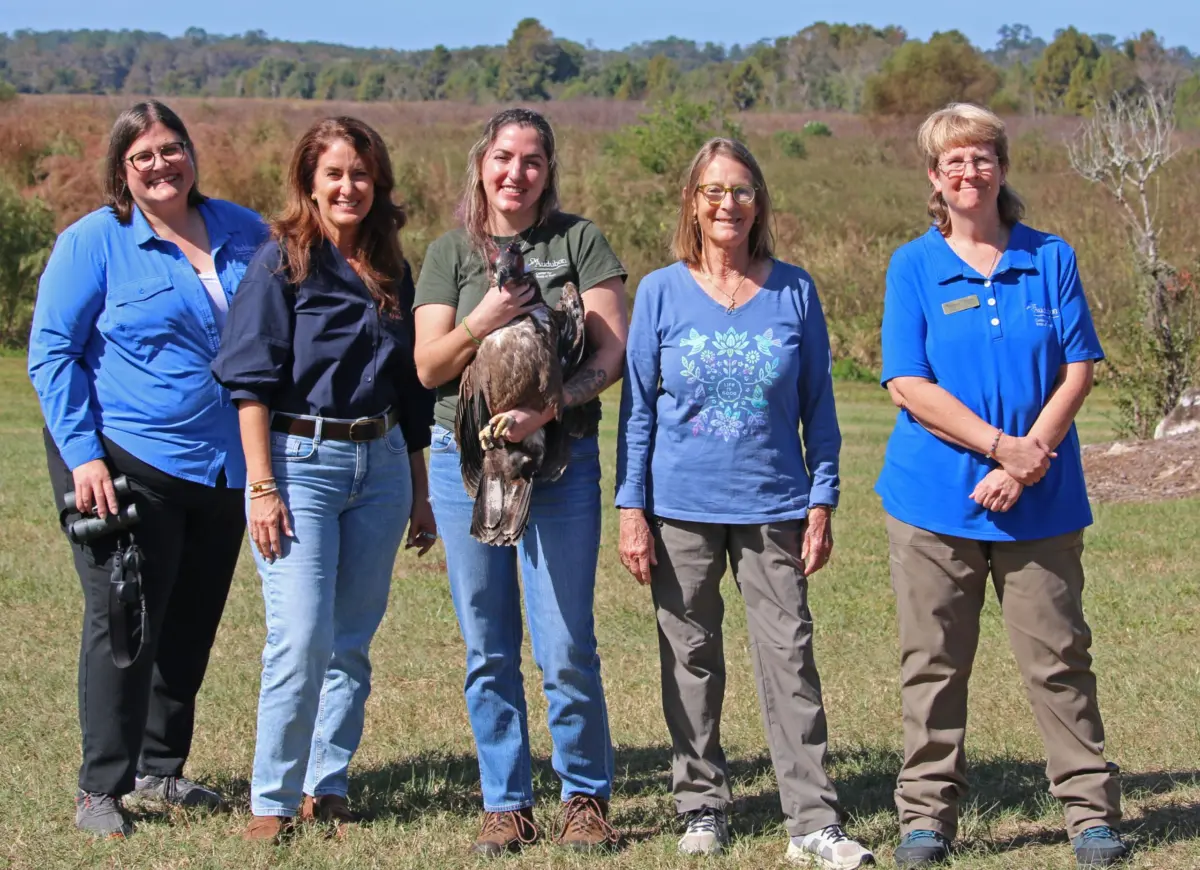
State Senator Jennifer Bradley presided over the momentous release, lifting the young eagle and setting it free before an enraptured audience of homeschool students, Audubon staff members, and local advocates. This particular bird—now carrying a unique identifier band on its leg—holds a special place in the annals of regional conservation history. It stands proudly as the 823rd bald eagle successfully rehabilitated and returned to the wild by the renowned Audubon Center for Birds of Prey since the facility’s inception in 1979.
Yet, the narrative of this eagle stretches far beyond a simple rescue-and-release operation. It serves as a living case study in the fragile intersection between urban development, wildlife management, and land conservation in modern Florida. As the state grapples with rapid population growth and expanding infrastructure, the survival of apex predators like the Bald Eagle (Haliaeetus leucocephalus) depends entirely on a delicate ecosystem of specialized medical intervention, rigorous state-level land acquisition programs, and citizen-science initiatives. This in-depth report chronicles the remarkable journey of Florida’s 823rd rehabilitated eagle, examining the medical heroics, legislative support, and systemic conservation infrastructure required to keep America’s national symbol soaring.
Detailed Chronology: From Coastal Crisis to Triumphant Return
The story of eagle #823 began thousands of wetlands away from its final release site, unfolding across the dynamic and ecologically rich coastal fringes of Lee County in Southwest Florida.
Phase I: Rescue and Emergency Stabilization
Just two days after taking its very first tentative flight—a precarious milestone known as fledging—the juvenile eagle encountered a sudden and life-threatening crisis. Unable to successfully hunt or navigate due to a severe injury in one of its feet, the young raptor was grounded in a vulnerable coastal environment. Grounded and defenseless against predators, human disturbances, and starvation, the fledgling was spotted and swiftly reported.
Local wildlife rescuers mobilized quickly, capturing the distressed bird without causing further injury. Recognizing the severity of the trauma to the foot—a critical tool for a raptor that relies entirely on its talons to secure prey—the bird was rushed to a specialized veterinary surgical facility in Southwest Florida. There, skilled avian surgeons performed intricate procedures to stabilize and repair the damaged tissue and bone structure, averting what could easily have been a fatal outcome for a bird barely learning how to survive on its own.
Phase II: Rehabilitation and Flight Conditioning
Once stabilized through acute medical care, the young eagle required long-term recuperation, physical therapy, and stamina training. It was transferred to the state-renowned Audubon Center for Birds of Prey, located in Maitland, Florida.
For weeks, the center’s expert rehabilitators managed the bird’s recovery in specialized flight enclosures designed to rebuild pectoral muscles and re-establish critical stamina. Raptors recovering from orthopedic and soft-tissue injuries must undergo rigorous conditioning to ensure they can hunt efficiently upon release. During this phase, caretakers minimized human contact to prevent the juvenile from imprinting on humans, preserving its wild instincts and natural wariness.
Phase III: The Alligator Lake Release
By late October, veterinary evaluations confirmed what the bird’s powerful wingbeats already suggested: the eagle had made a full recovery. With a clean bill of health and a fresh reservoir of strength, the juvenile male was prepared for repatriation.
Transported to Columbia County’s picturesque Alligator Lake park—with the cooperation of local county officials—the eagle was fitted with a special calming hood to reduce transport-induced stress. State Senator Jennifer Bradley stepped forward to assist with the final act of the drama.
Calmly taking the raptor from the expert handlers of the Center for Birds of Prey, Senator Bradley held the magnificent creature for approximately ten seconds, allowing its eyes to readjust to the brilliant Florida sunlight. Upon being released, the eagle paused momentarily on the ground, assessing its surroundings before deploying its broad, six-foot wingspan. It surged upward, gliding majestically over the captivated crowd, crossing the tree line, and disappearing into the expansive blue sky above Alligator Lake.
Supporting Context & Metrics: The Science of Raptor Conservation
To fully appreciate the significance of eagle #823’s release, one must examine the broader ecological and demographic framework supporting Florida’s raptor populations.
The Lifescycle and Identification of the Juvenile Bald Eagle
To the untrained eye, a juvenile bald eagle is frequently mistaken for other large raptors, such as the Golden Eagle or Osprey. At the time of its release, the male eagle was entirely clothed in mottled brown plumage—a protective coloration pattern that helps young birds blend into forest canopies while they hone their survival skills.
According to ornithological data, this all-brown juvenile will undergo a gradual series of molts over the next four to five years. By the time it reaches sexual maturity, its head and tail feathers will transform into the iconic, brilliant white plumage characteristic of adult bald eagles. Only then will the bird seek out a mate, establish a territorial nesting range, and begin the cycle anew.
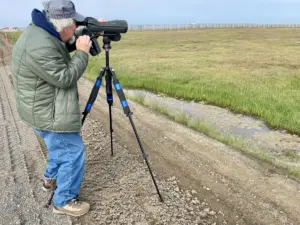
To track this lifecycle and evaluate the long-term success of rehabilitation efforts, the Audubon Center for Birds of Prey marks released raptors with a lightweight aluminum leg band. This band features an alphanumeric code engineered to be easily read through high-powered binoculars or spotting scopes. When birdwatchers, researchers, or wildlife officials spot the banded eagle in the wild, they can report the sighting, generating critical data points regarding the bird’s migratory patterns, territorial establishment, and overall longevity.
The Math of Survival: The Audubon Center for Birds of Prey
Since its foundational establishment in 1979, the Audubon Center for Birds of Prey has operated as a frontline emergency room and recovery ward for Florida’s raptor population. Reaching the milestone of 823 rehabilitated and released bald eagles is a testament to decades of institutional refinement, veterinary advancement, and community support.
| Metric / Program Component | Details & Operational Scope |
|---|---|
| Founding Year | 1979 |
| Total Eagles Rehabilitated & Released | 823 (including the recent Columbia County release) |
| Primary Intake Locations | Statewide, spanning coastal ecosystems (like Lee County) to inland waterways. |
| Core Interventions | Orthopedic surgery, soft-tissue repair, nutritional rehabilitation, flight conditioning. |
| Monitoring Network | Audubon’s EagleWatch program (volunteer-driven nest monitoring across Florida). |
The center does not merely treat eagles; its onsite raptor hospital handles hundreds of hawks, owls, falcons, and kites annually. These efforts are heavily supplemented by community science initiatives like Audubon’s EagleWatch, where hundreds of trained volunteers across Florida monitor active bald eagle nests, tracking breeding success, identifying environmental threats, and providing local conservation authorities with actionable data.
Official Statements and Legislative Perspectives
The integration of wildlife rehabilitation with public policy and community engagement was a defining hallmark of the Alligator Lake event. Key stakeholders emphasized that saving individual birds is inextricably linked to preserving the ecological framework of the state.
The Lawmaker’s View: Senator Jennifer Bradley
State Senator Jennifer Bradley, who actively participated in the release, highlighted the intersection of legislative duty and environmental stewardship. Handling the young eagle and witnessing its powerful ascent underscored the tangible stakes of conservation policy.
"Releasing this magnificent bird back into the wild is a powerful reminder of why we must remain vigilant in protecting Florida’s natural heritage," remarked Senator Bradley. "Ensuring that these creatures have safe skies and healthy habitats requires a coordinated effort between lawmakers, conservation nonprofits, and local communities."
Bradley’s presence emphasized the growing recognition among Florida officials that wildlife protection is a bipartisan priority, vital not only for biodiversity but for maintaining the natural aesthetic that defines the state’s identity.
Institutional Stewardship: Audubon Florida and Partners
Audubon Florida—the state’s oldest statewide conservation nonprofit—operates through a robust network of 44 community chapters. These organizations combine grassroots activism with rigorous, science-based solutions to address pressing challenges facing Florida’s water systems, wildlife, and natural habitats.
In Columbia County, local partner Four Rivers Audubon serves as a vital bridge between outdoor education and community conservation. Beyond monitoring local ecosystems, Four Rivers Audubon has actively collaborated with county officials on initiatives like the native plant demonstration garden at Alligator Lake, proving that urban and rural green spaces can be consciously cultivated to support native wildlife.
Audubon representatives publicly expressed gratitude to Columbia County for hosting the landmark release, noting that public parks equipped with native flora provide ideal staging grounds for community-oriented conservation education.
Future Outlook: Protecting the Habitats That Keep Eagles Flying
Giving an injured eagle a second chance at life in the wild is an extraordinary medical and logistical triumph, but it is ultimately a futile gesture if the bird has nowhere to live, hunt, and breed upon returning to nature.
The Critical Role of Land Conservation Programs
As Florida continues to experience historic population growth, conversion of natural lands into residential and commercial real estate remains an ever-present threat. To counteract habitat fragmentation, the state relies on several cornerstone preservation initiatives:
- Florida Forever: The state’s premier conservation and recreation lands acquisition program, securing environmentally sensitive lands to protect water resources, wildlife corridors, and natural spaces.
- The Rural and Family Lands Protection Program: A vital initiative that partners with agricultural landowners to purchase agricultural conservation easements, keeping working farms and ranches intact while preventing intensive development that would otherwise disrupt native ecosystems.
Continued, robust financial investment in these programs is non-negotiable for the long-term survival of bald eagles and countless other native species. Preserving vast tracts of forests, wetlands, and working lands ensures that rehabilitated birds can readily find abundant food sources, safe nesting trees, and undisturbed raising grounds for their offspring.
Looking Ahead: Citizen Science and Community Vigilance
The journey of eagle #823 from a grounded, injured fledgling in Lee County to a soaring apex predator over Columbia County demonstrates what is possible when medical expertise, legislative backing, and public passion converge.
Yet, the work is never finished. As the banded eagle navigates its adolescence over the coming years, its progress will be charted by sharp-eyed birdwatchers and dedicated EagleWatch volunteers. Through sustained investment in land protection, ongoing participation in citizen science programs, and unwavering institutional dedication from organizations like the Audubon Center for Birds of Prey, Florida’s skies will remain a secure domain for the nation’s living symbol of freedom for generations to come.