
Executive Overview
Across the rural landscapes of the American South, animal welfare organizations face a systemic crisis characterized by chronic municipal underfunding, high stray populations, and severe shelter overcapacity. In response to this persistent challenge, an increasingly sophisticated operational strategy has emerged: interstate animal relocation corridors. By leveraging targeted funding, transport logistics, and network partnerships, regional non-profits are moving vulnerable canine populations from high-intake, low-demand environments to regions with high adoption rates and available foster infrastructure.
A primary example of this model in action is the collaborative initiative established between the online philanthropy platform iHeartDogs and Bosque Animal Rescue Kennels (BARK), located in Clifton, Texas. Launched in June 2025, the Rescue Road Trip program was conceived to alleviate pressure on rural Texas intake facilities by establishing a reliable pipeline to receiving rescues in the Rocky Mountains and Upper Midwest.
The inaugural transit on June 14, 2025, successfully relocated 28 high-risk canines—including a litter of four abandoned puppies—from Bosque County, Texas, to foster networks in Colorado. Among them was Alfred, a canine whose journey from roadside abandonment to permanent adoption within 22 days highlights the operational efficacy of organized rescue corridors. As this initiative expands into additional states including Iowa and Wisconsin, it offers a scalable model for addressing systemic shelter overpopulation through multi-regional cooperation.
Detailed Chronology: The Journey of Alfred and the Maiden Voyage
The operational mechanics of long-haul animal rescue require rigorous coordination across intake, medical stabilization, interstate transit compliance, and post-transport placement. The timeline of the June 2025 maiden transport illustrates the precise orchestration required to convert a high-risk rescue into a permanent adoption success.
+-----------------------------------------------------------------------------------+
|                              CHRONOLOGY OF EVENTS                                 |
+-----------------------------------------------------------------------------------+
| Early June 2025 : Intake & Triage in Bosque County, TX                            |
|                   - 4 puppies (incl. Alfred & Bartholomew) found on rural road.   |
|                   - Diagnosed with malnutrition, flea infestation, parasites.      |
|                                                                                   |
| June 5–13, 2025 : Medical Stabilization & Interstate Transport Clearance          |
|                   - Quarantine, anti-parasitic treatment, core vaccinations.      |
|                   - Health certificates issued for interstate transit.            |
|                                                                                   |
| June 14, 2025   : The Inaugural 12-Hour Interstate Transit                         |
|                   - 28 dogs depart Clifton, TX in BARK rescue van.                |
|                   - Arrive in Colorado Springs; intake by Karl's Canine Krew.     |
|                                                                                   |
| June 15–27, 2025: Foster Integration & Behavioral Assessment                      |
|                   - Alfred placed in foster care alongside co-passenger Kilmer.    |
|                                                                                   |
| June 28, 2025   : Denver Dog Fair & Permanent Adoption                             |
|                   - Public presentation; Alfred adopted 22 days post-rescue.       |
+-----------------------------------------------------------------------------------+
Phase 1: Discovery and Emergency Triage (Early June 2025)
In early June 2025, field rescuers from BARK responded to a report of abandoned animals along an unpaved county road in Bosque County, Texas. Upon arrival, responders recovered four canine siblings estimated to be several weeks old.

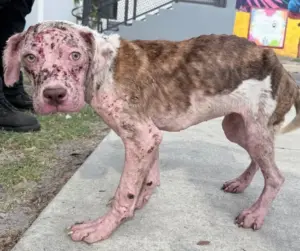
The puppies—subsequently named Alfred, Bartholomew, and their two siblings—exhibited severe physiological distress consistent with prolonged exposure and neglect:
- Severe Malnutrition: Body condition scores significantly below health benchmarks.
- Ectoparasitic Load: Dense flea infestation presenting a high risk for secondary anemia.
- Endoparasitic Infection: Gastrointestinal parasites requiring immediate anti-parasitic intervention.
The litter was immediately transferred to BARK’s primary intake facility in Clifton, Texas, where veterinary personnel initiated emergency stabilization protocols, hydration therapy, and nutritional support.
Phase 2: Medical Rehabilitation and Interstate Clearance (June 5–13, 2025)
Over the following ten days, the litter underwent intensive medical rehabilitation. To meet the legal standards for interstate movement established by state departments of agriculture, each animal required comprehensive medical clearance:
- Core Vaccinations: Administration of age-appropriate immunizations, including rabies and DHPP (Distemper, Hepatitis, Parvovirus, Parainfluenza).
- Parasite Eradication: Broad-spectrum deworming and topical parasiticide treatments.
- Certificates of Veterinary Inspection (CVI): Health evaluations conducted by licensed veterinarians to verify the absence of infectious or contagious diseases prior to crossing state borders.
During this period, Alfred and his brother Bartholomew were cleared for travel, joining 24 other selected candidates from BARK’s overcrowded kennels.
Phase 3: Long-Haul Transit Execution (June 14, 2025)
On Saturday, June 14, 2025, the inaugural Rescue Road Trip departed Clifton, Texas. A customized, climate-controlled transport vehicle loaded 28 dogs for a 12-hour, multi-state transit spanning approximately 650 miles to Colorado Springs, Colorado.

The receiving partner, Karl’s Canine Krew, a 501(c)(3) non-profit organization operating in Colorado, managed the logistics at the destination. Upon arrival, receiving teams performed intake assessments, logged behavioral profiles, and distributed the dogs across pre-screened foster homes equipped to handle transition care.
Phase 4: Integration and Final Placement (June 15–28, 2025)
Alfred was placed in a specialized foster home alongside another transport passenger named Kilmer. The foster environment provided social stabilization, enabling the young dog to acclimate to indoor domestic routines.
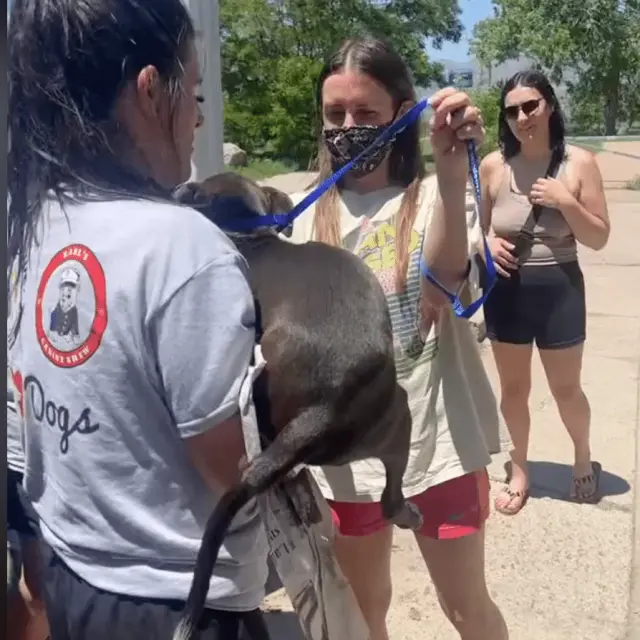
On June 28, 2025—exactly 14 days after arriving in Colorado and 22 days following his discovery in Bosque County—Alfred was presented at the Denver Dog Fair. A vetted adoptive family finalized the adoption paperwork that day, completing a swift transition from abandoned animal to domestic pet.
Supporting Context & Metrics: The Crisis of Rural Animal Overcrowding
The necessity of interstate transport programs is rooted in deep structural imbalances within the American animal welfare system. A geographical analysis reveals a sharp contrast between shelter capacity and adoption demand across different regions of the United States.
+----------------------------------------------------------------------------------+
|                     REGIONAL ANIMAL WELFARE SYSTEM COMPARISON                    |
+----------------------------------------------------------------------------------+
| METRIC                    | SOUTHERN RURAL REGIONS   | MOUNTAIN/UPPER MIDWEST    |
|                           | (e.g., Bosque Co., TX)   | (e.g., CO, IA, WI)        |
+---------------------------+--------------------------+---------------------------+
| Spay/Neuter Coverage      | Low / Resource Desert    | High / Culturally Normative|
| Intake Volumes            | High (Constant Surplus)  | Moderate to Low           |
| Per-Capita Shelter Funding | Severely Restricted      | Moderately High           |
| Adoption Demand           | Saturated                | High (Exceeds Supply)     |
| Primary Capacity Strategy | Euthanasia / Relocation  | Intake from Relocation    |
+---------------------------+--------------------------+---------------------------+
Socio-Economic & Geographic Realities of Rural Sheltering
In rural regions such as Bosque County, Texas, public animal control infrastructure is frequently constrained by limited municipal budgets. Key challenges include:

- Spay/Neuter Deserts: A lack of low-cost, high-volume spay and neuter clinics leads to unchecked reproduction among free-roaming and unsterilized domestic dogs.
- Geographic Isolation: Rural shelters often serve expansive areas with low human population densities, limiting local adoption opportunities.
- Intake-to-Capacity Ratios: Intakes consistently exceed physical housing capacity. Without external outlets, facilities are forced to rely on space-based euthanasia.
BARK serves as a vital non-profit shield in Bosque County, taking in abandoned and neglected animals that would otherwise strain local public resources. However, without continuous outflow pathways, even dedicated facilities face rapid space depletion.
The Structural Supply-and-Demand Imbalance
Conversely, parts of the Rocky Mountain Region and Upper Midwest (such as Colorado, Iowa, and Wisconsin) maintain high public demand for adoptable dogs, supported by widespread spay/neuter compliance and established animal welfare funding.
Interstate transport initiatives bridge this divide by aligning supply with demand. By converting regional surpluses into solutions for high-demand areas, programs like the Rescue Road Trip create a balanced national network that saves lives.
           INTERSTATE RESCUE PIPELINE FLOW

 [ Rural Texas Intake ]  --> (BARK Facility Triage)
                                     |
                                     v
 [ 12-Hour Transit ]     --> (Interstate Compliance & Medical Clear)
                                     |
                                     v
 [ Destination Rescues] --> (Karl's Canine Krew - CO / IA / WI)
                                     |
                                     v
 [ Permanent Placement ] --> (Fosters, Public Fairs, Adoptions)
Logistics and Economic Factors
Organizing interstate animal transport requires significant funding and operational care. Key expenses include:
- Fuel and Vehicle Maintenance: Long-haul transports require reliable vehicles equipped with secure kenneling, primary and backup HVAC systems, and GPS tracking.
- Veterinary Compliance Costs: Each animal incurs costs for state-mandated health certificates, rabies vaccinations, microchipping, heartworm testing, and parasite control.
- Care On-the-Go: Transits require scheduled stops for hydration, sanitation, and status checks every three to four hours.
Funding mechanisms like the iHeartDogs Hero VIP Club provide predictable, recurring financial backing. Subscriptions and monthly donations directly subsidize these operating expenses, making the transport model financially sustainable over the long term.

Program Impact Narrative & Stakeholder Operational Analysis
The success of the June 2025 transport highlights the value of integrated, multi-organization partnerships in modern animal welfare. The coordination between iHeartDogs, BARK, and Karl’s Canine Krew shows how digital fundraising platforms, rural intake rescues, and urban/suburban foster networks can work together effectively.
+-----------------------------------------------------------------------------------+
|                    ORGANIZATIONAL ROLES IN THE RESCUE CORRIDOR                    |
+-----------------------------------------------------------------------------------+
| ENTITY                  | PRIMARY RESPONSIBILITY IN TRANSPORT CORRIDOR            |
+-------------------------+---------------------------------------------------------+
| iHeartDogs              | Capital allocation, public awareness, VIP membership    |
|                         | donor cultivation, and strategic program scaling.       |
+-------------------------+---------------------------------------------------------+
| BARK Rescue (Texas)     | Field recovery, medical triage, veterinary clearance,   |
|                         | transit vehicle operations, and regional intake care.   |
+-------------------------+---------------------------------------------------------+
| Karl's Canine Krew (CO) | Destination logistics, foster home network allocation,  |
|                         | behavioral evaluation, and final adoption placement.    |
+-------------------------+---------------------------------------------------------+
Alleviating Shelter Overcrowding
For rural intake facilities like BARK, relocating 28 dogs in a single day does more than just help those specific animals—it immediately frees up critical kennel space. This open capacity allows the shelter to intake and care for the next wave of abandoned animals without falling back on emergency euthanasia.
Fostering Behavioral Health and Rehabilitation
Long-term stay in high-stress kennel environments can cause behavioral decline in animals, making them harder to adopt over time. Transferring animals quickly into home-based foster networks, as Karl’s Canine Krew does, protects their mental well-being and allows foster caregivers to accurately evaluate their temperament in a home setting.
The Role of Sustained Philanthropy
The Rescue Road Trip model relies on stable, recurring funding rather than one-off donations. By linking monthly donor contributions through the Hero VIP Club directly to transport operations, iHeartDogs ensures that BARK and its destination partners can plan recurring monthly transports with confidence.
Future Outlook: Expanding Relocation Corridors and Strategic Action
The successful launch of the June 2025 Rescue Road Trip laid the groundwork for an expanded, sustainable interstate transport network. Moving forward, stakeholders are focusing on expanding transit routes, building local preventative programs, and strengthening donor networks.

+-----------------------------------------------------------------------------------+
|                         FUTURE STRATEGIC ROADMAP                                  |
+-----------------------------------------------------------------------------------+
| 1. Route Expansion     | Establish recurring routes to receiving partners in       |
|                        | Iowa, Wisconsin, and the broader Upper Midwest.         |
|                                                                                   |
| 2. Mobile Medical Unit | Deploy mobile veterinary resources to provide spay/neuter |
|                        | surgeries directly to underserved rural areas.           |
|                                                                                   |
| 3. Sustaining Capital  | Grow the Hero VIP Club member base to support weekly      |
|                        | high-capacity transits nationwide.                        |
+-----------------------------------------------------------------------------------+
Expanding Destination Networks
Following the initial success in Colorado, the partnership between iHeartDogs and BARK has established new transport routes to trusted rescue networks in Iowa and Wisconsin. Scaling these routes helps distribute animals across diverse adoption markets, preventing any single destination network from reaching capacity.
Combining Transport with Local Prevention
While interstate transport is an effective emergency intervention, long-term overpopulation solutions require addressing root causes in intake regions. Future strategies aim to pair transport operations with targeted spay/neuter initiatives, community education, and affordable veterinary care access in Bosque County and surrounding rural areas.
Community Engagement and Scalability
The ongoing operations of the Rescue Road Trip program rely on active community participation. Public support drives this model forward in several key ways:
- Sustained Financial Support: Joining programs like the iHeartDogs Hero VIP Club provides recurring monthly funds to cover medical clearing, fuel, and transit supplies.
- Destination Foster Networks: Expanding the number of host families in receiving states increases the intake capacity of destination rescues.
- Direct Campaign Funding: Contributing to dedicated Rescue Road Trip Grants helps purchase vehicle upgrades and fund emergency field rescues.
Conclusion
The journey of Alfred and his fellow passengers from a rural Texas roadside to loving homes in Colorado demonstrates the clear impact of well-managed rescue corridors. By combining regional intake expertise, transport logistics, receiving networks, and sustained digital philanthropy, the Rescue Road Trip initiative offers a scalable blueprint for saving lives and building a more resilient national animal welfare system.