
Executive Overview
Navigating a bustling international airport terminal, finding a table in a packed downtown restaurant, or moving through a crowded holiday shopping center can test the limits of human patience and sensory endurance. For the average person, these environments are chaotic symphonies of moving baggage, blaring overhead announcements, flashing lights, and colliding crowds. Yet, for individuals living with disabilities who rely on service animals, these very spaces represent the gateways to independence, community participation, and active citizenship.
The extraordinary poise exhibited by a service dog in the face of such sensory overload is neither accidental nor innate. It is the culmination of years of deliberate, scientifically backed instruction, profound socialization, and relentless real-world practice known as public access training. This specialized regimen bridges the gap between basic obedience and the high-stakes demands of working life. Under the Americans with Disabilities Act (ADA), a service animal must be individually trained to do work or perform tasks directly related to a person’s disability. However, the legal right to public access hinges just as critically on behavioral excellence: the unyielding ability to remain calm, focused, and completely unobtrusive in any public accommodation.
This investigative feature explores the meticulous anatomy of public access training. We examine how organizations like Dogs Inc transform exuberant puppies into steadfast canine professionals capable of changing lives, the immense psychological challenges of real-world environments, the vital contributions of volunteer puppy raisers, and the stringent evaluation standards required to graduate the next generation of life-changing service dog teams.
Detailed Chronology: From Neonate to Certified Working Professional
The journey of a service dog does not begin on the crowded concourse of an airport or in the high-stress environment of a hospital waiting room. It begins in the quiet, controlled environment of a breeding and early-development nursery, unfolding through a carefully orchestrated chronological progression designed to build resilience step-by-step.
Phase 1: Early Neurological Stimulation and Foundations (Birth to 8 Weeks)
Long before a puppy ever encounters a shopping cart or a sliding glass door, foundational development is underway. During the first two months of life, breeding programs implement early neurological stimulation protocols. Puppies are exposed to mild tactile, thermal, and postural stressors for brief periods. This early intervention is scientifically proven to improve cardiovascular performance, strengthen adrenal glands, and enhance stress tolerance later in life.
Phase 2: The Puppy Raiser Era and Primary Socialization (8 Weeks to 12-14 Months)
At approximately two months of age, future service dogs—predominantly breeds renowned for their biddability, intelligence, and stable temperaments, such as Labrador Retrievers and Golden Retrievers—are placed with volunteer puppy raisers. This phase represents the bedrock of public access preparation.
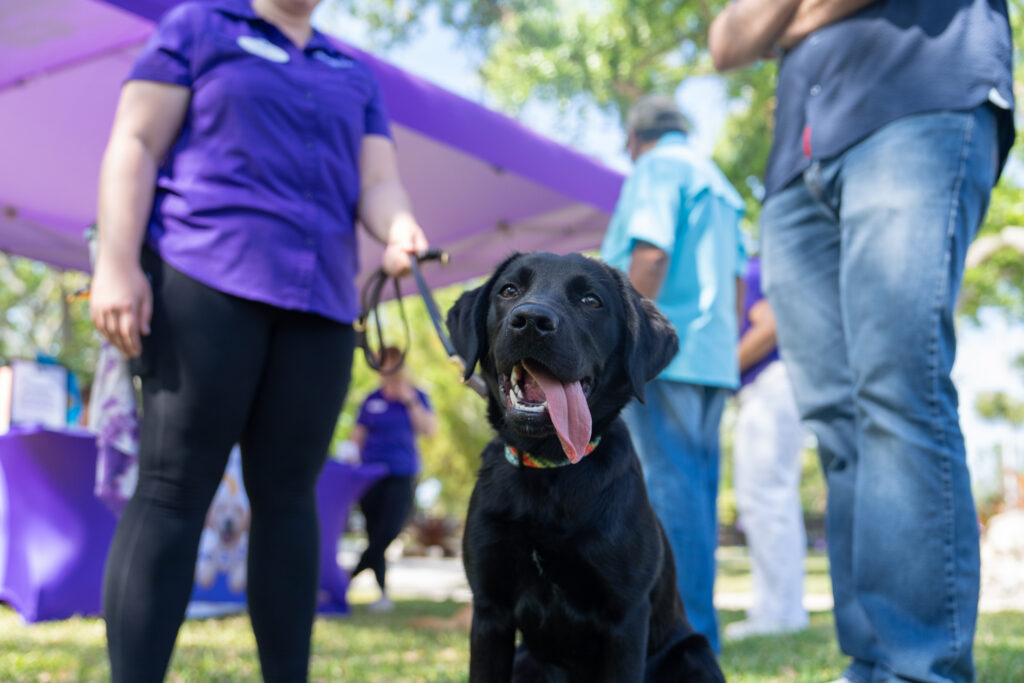
Puppy raisers act as immersive educators, taking the young dogs into everyday community spaces. Operating under strict positive reinforcement guidelines, raisers introduce their charges to novel sights, sounds, surfaces, and human interactions. A single afternoon might involve riding an elevator, walking across metal grates, encountering a barking pet dog across the street, and sitting quietly under a table in a bustling local diner. The goal during this window is not perfection, but rather the cultivation of unshakeable curiosity and confidence. When faced with the unfamiliar, the puppy learns to look to its handler for guidance rather than fleeing or reacting aggressively.
Phase 3: Advanced Task and Public Access Integration (12 to 24 Months)
As dogs mature physically and mentally, they transition from the puppy-raising framework into formal, professional training programs led by certified instructors. This phase merges specialized task training—such as mobility support, medical alert, item retrieval, or deep pressure therapy for Post-Traumatic Stress Disorder (PTSD)—with advanced public access conditioning.
Instructors intentionally escalate environmental difficulty. Exercises transition from quiet, controlled training centers to high-distraction public commercial spaces. Dogs learn to ignore dropped food, resist the temptation of welcoming strangers, and maintain an absolute "down-stay" beneath restaurant tables for extended periods. Every session reinforces impulse control, shifting the dog’s internal motivation from self-gratification to cooperative partnership.
Phase 4: Final Evaluation and Placement (24+ Months)
Before any dog is granted public access status and matched with an individual with a disability, it must pass a comprehensive, multi-tiered evaluation. Instructors rigorously test the dog’s reliability, focus, and behavioral stability across diverse, unscripted scenarios. Upon passing these assessments, the dog is officially graduated and paired with its lifelong human partner, entering a new era of collaborative independence.
Supporting Context & Metrics: Decoding the Real-World Challenges
To fully appreciate the triumph of a certified service dog, one must understand the sheer magnitude of the sensory obstacles they overcome daily. Public access training is fundamentally an exercise in distraction management and environmental desensitization.
[Sensory Overload Environment]
       │
       ├── Airports: Rolling luggage, metal detectors, announcements, crowds
       ├── Restaurants: Food scents, dropped crumbs, tight spaces, human traffic
       └── Crowded Events: Children, carts, erratic noises, unpredictable animals
       │
       ▼
[Systematic Desensitization & Positive Reinforcement]
       │
       ▼
[Reliable Impulse Control & Lifelong Working Partnership]
The Airport Environment: Navigating Kinetic Chaos
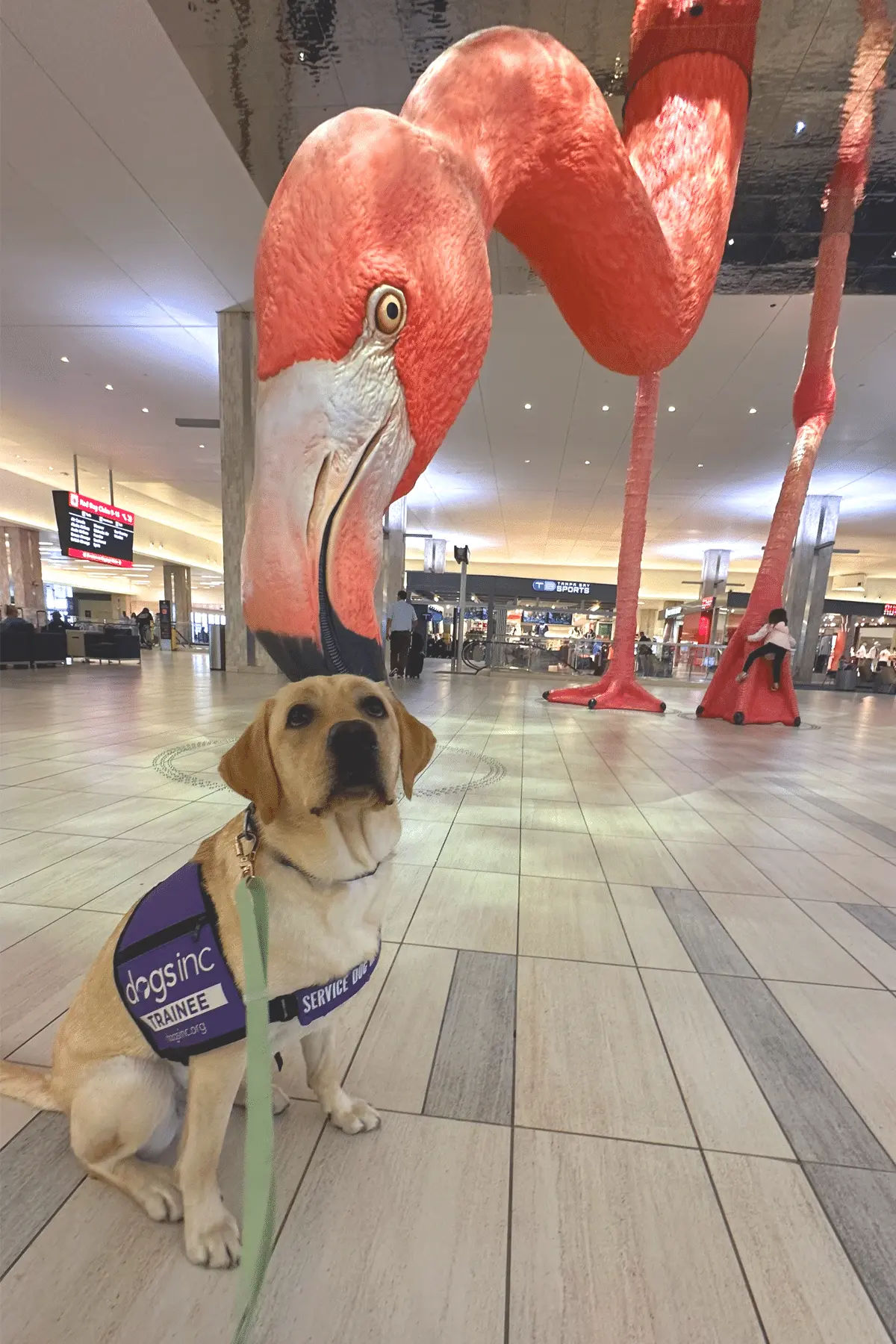
Airports present a unique crucible for service dogs in training. The sensory profile of a modern terminal includes the deep rumble of rolling luggage wheels, the sudden cacophony of TSA security checkpoints, automated moving walkways, echoing public address announcements, and dense human foot traffic moving at erratic speeds.
During airport training modules, dogs learn that these stimuli are harmless background noise. A service dog must navigate a crowded boarding gate without breaking heel, ignore the frantic movement of travelers rushing to catch flights, and remain entirely composed during turbulence or extended waits in cramped aircraft seating.
Culinary Constraints: The Restaurant Test
Dining establishments challenge service dogs through olfactory temptation and spatial confinement. Restaurants are saturated with the rich, irresistible aromas of freshly prepared food. Furthermore, dropped crumbs, spilled liquids, and passing waitstaff carrying heavy trays create an unpredictable physical dynamic.
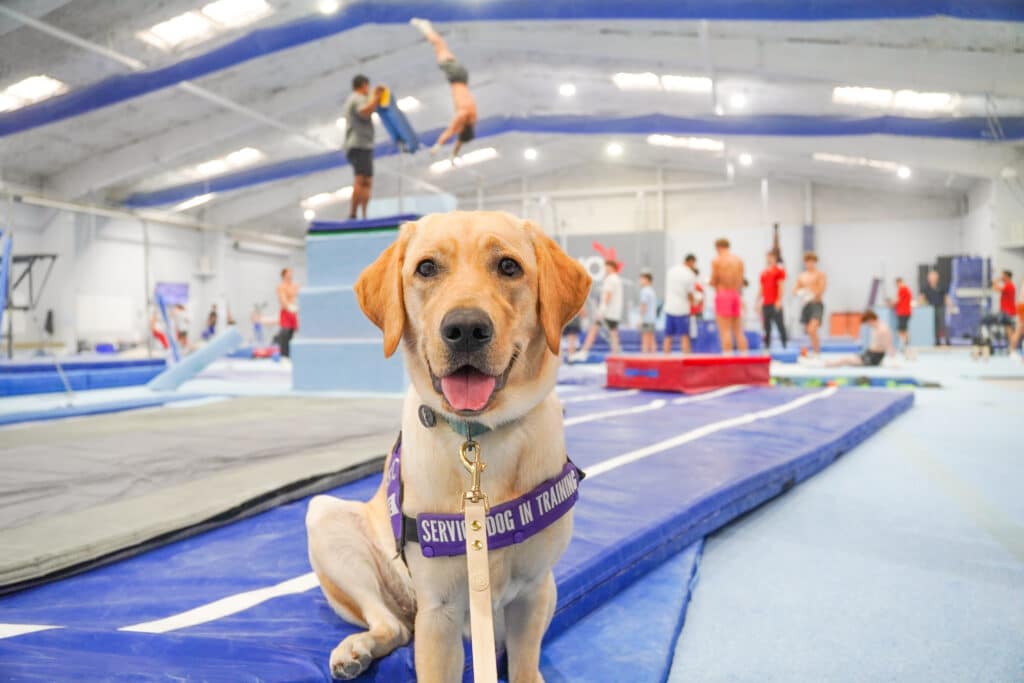
Through rigorous restaurant training, dogs master the art of the "settle." They tuck themselves compactly beneath tables or chairs, often for hours at a time, entirely disregarding the culinary delights surrounding them. This behavior is not merely a matter of etiquette; it is a critical safety parameter that ensures the dog does not interfere with restaurant operations or compromise health regulations.
Managing the Unpredictable: Crowded Public Spaces
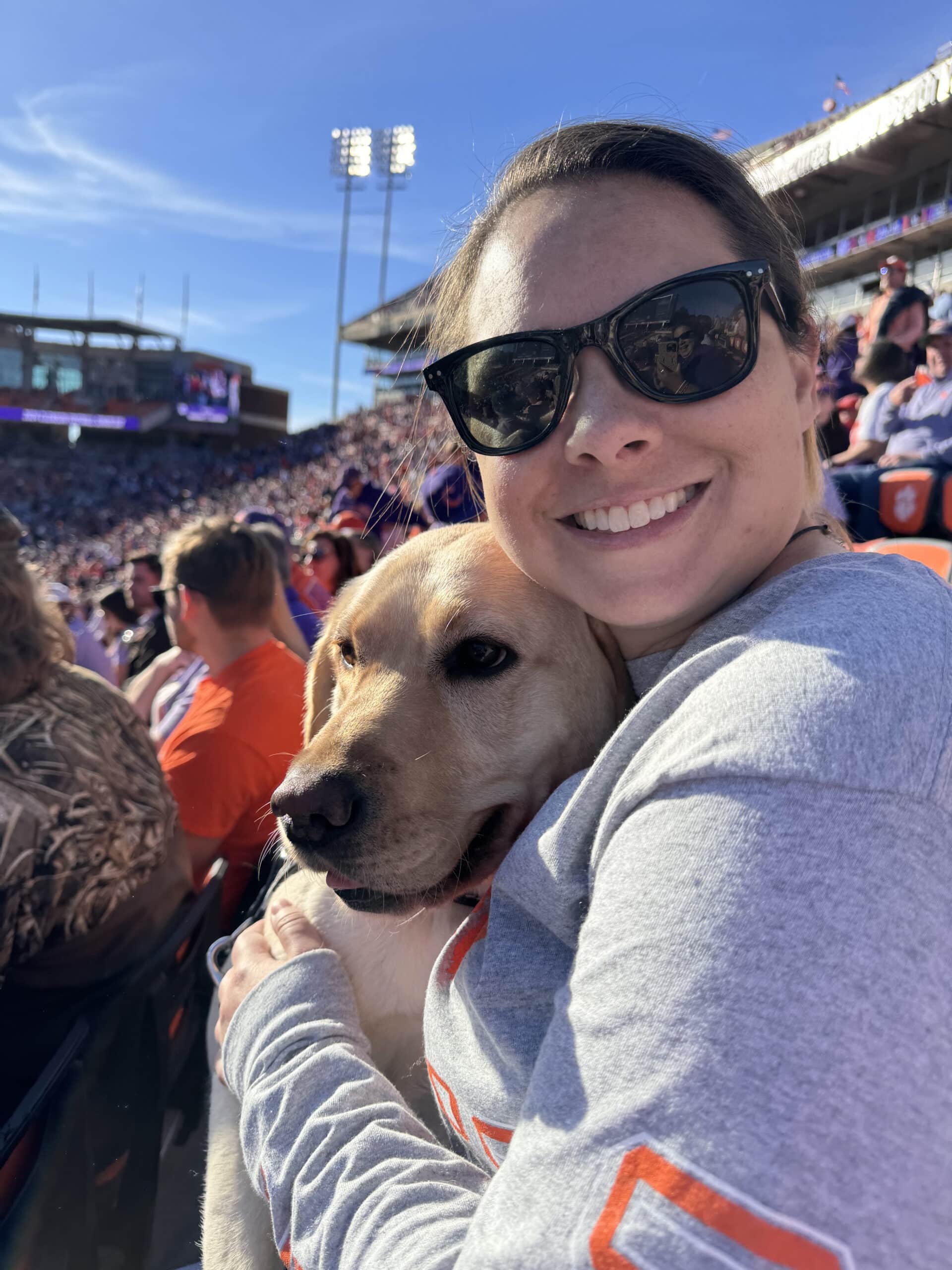
Shopping centers, community festivals, and athletic venues introduce a chaotic array of human behaviors. Children running unpredictably, shopping carts clattering on tile floors, strollers, flashing displays, and barking pet dogs push a service dog’s impulse control to its maximum threshold.
In these settings, distraction training is pushed to advanced levels. Instructors utilize gradual exposure, ensuring that the dog’s threshold is never crossed to the point of panic. By pairing these environments with high-value rewards and verbal praise, trainers instill a deep-seated resilience. Whether a child accidentally drops an ice cream cone directly in front of the dog’s path or a bicycle races past, the trained service dog maintains absolute attentiveness to its handler.
Official Statements and Industry Insights
The philosophy underpinning modern service dog education emphasizes ethical treatment, behavioral science, and strict adherence to statutory definitions. Industry leaders and animal behaviorists consistently highlight that coercion has no place in the development of a working canine.
"The confidence and poise that the public observes in a working service dog on the street or in an airport terminal is never an accident," explains an expert canine development director. "It is the direct result of a carefully structured, positive-reinforcement-based curriculum. We are not breaking a dog’s spirit; we are unlocking its potential by teaching it that navigating a complex, noisy human world is safe, rewarding, and deeply engaging."
Furthermore, organizations place immense emphasis on legal and ethical clarity, particularly regarding the distinction between legitimate service animals and emotional support animals (ESAs). While ESAs provide therapeutic companionship, they do not possess public access rights under the Americans with Disabilities Act because they lack specialized task training and public access conditioning.
"Public access training is the defining line that separates a well-behaved pet from a life-saving professional," notes a leading compliance specialist. "An animal’s mere presence does not qualify it for public accommodations. It must be individually trained to perform specific tasks that mitigate a disability, and it must demonstrate flawless public behavior under any circumstance. That standard protects both public safety and the dignity of individuals with disabilities."
Future Outlook: The Evolution of Public Access and Canine Partnerships
As society continues to evolve, the demands placed upon service dogs and their handlers are shifting, opening new frontiers in training methodologies and community education.
Technological Integration and Modern Infrastructure
Modern transportation hubs, smart cities, and corporate environments are changing rapidly. Future service dog training programs are increasingly incorporating simulations of modern urban obstacles—such as silent electric vehicles, automated kiosks, and complex transit interchanges—into their early curriculums. As public infrastructure becomes more technologically integrated, service dogs must adapt to new sensory landscapes without losing their core focus.
Expanding Access and Public Awareness
Misunderstandings surrounding service dog laws and public access rights remain a persistent hurdle for handlers. A major focus for advocacy organizations moving forward is public education. By demystifying the training process—showing how puppies progress from domestic companions to elite working partners—organizations aim to reduce instances of illegal denial of access in restaurants, hotels, and retail spaces.
The Human-Canine Bond as a Dynamic Partnership
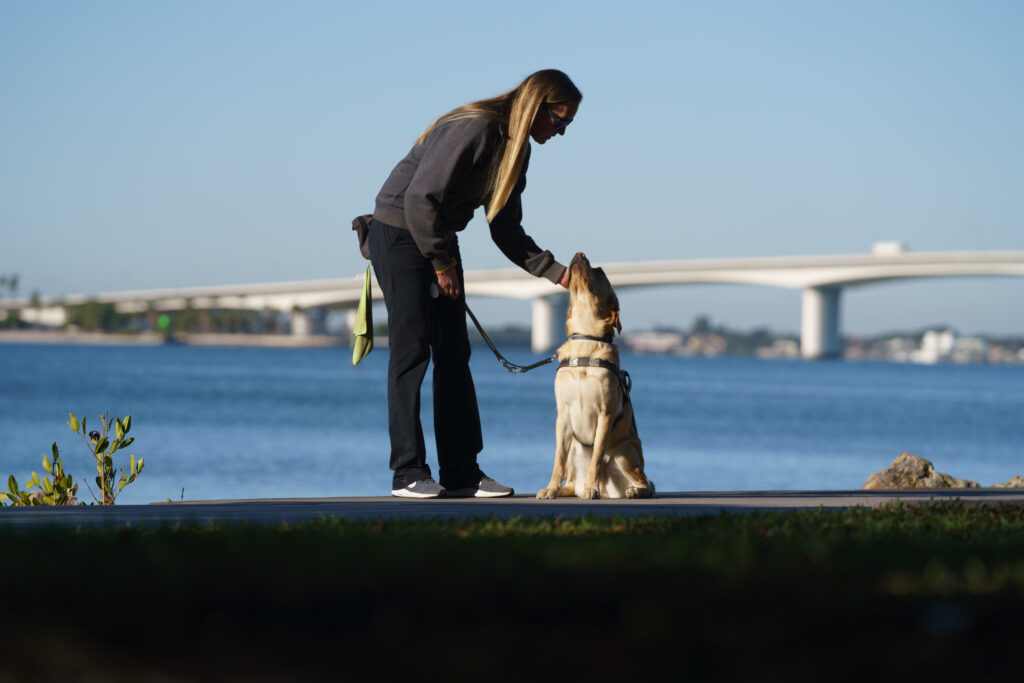
Ultimately, the future of service dog training points toward an increasingly holistic understanding of the partnership. Beyond the technical mechanics of opening doors, retrieving dropped items, or interrupting PTSD-related panic attacks through deep pressure therapy, the true measure of success lies in the symbiotic relationship between handler and dog.
As programs continue to refine their breeding, socialization, and public access methodologies, the horizon looks brighter for individuals seeking independence. Through the tireless efforts of breeding stock custodians, volunteer puppy raisers, professional instructors, and the dogs themselves, the future promises a world where physical barriers and sensory overload are met with unwavering confidence, transforming vulnerability into unshakeable empowerment.
To learn more about how organizations like Dogs Inc are preparing the next generation of life-changing service dog teams for public life, or to discover how you can contribute as a volunteer puppy raiser or financial supporter, visit Dogsinc.org.