To an untrained pet, the modern world is an overwhelming sensory symphony: the sudden screech of traffic, the intoxicating aroma of dropped food on a grocery store floor, the flash of a passing bicycle, or the enthusiastic call of an approaching stranger. For a domestic dog, reacting to these stimuli is a natural instinct rooted in survival and curiosity.
However, for a service dog—a highly specialized, working canine entrusted with the safety, independence, and mobility of an individual with a disability—that same cacophony must fade into a quiet background hum. The cornerstone of this transformation is an intricate, deliberate psychological construct known as focus training.
Focus is not merely a obedience trick or a temporary state of compliance; it is the ultimate communication bridge between a handler and their canine partner. Developed through years of early socialization, meticulous positive reinforcement, impulse control methodologies, and real-world public access exposure, a service dog’s focus dictates their operational reliability. When a service dog locks its attention onto its handler, it creates a sanctuary of safety amidst chaos, allowing individuals with disabilities to navigate complex environments with unyielding confidence.
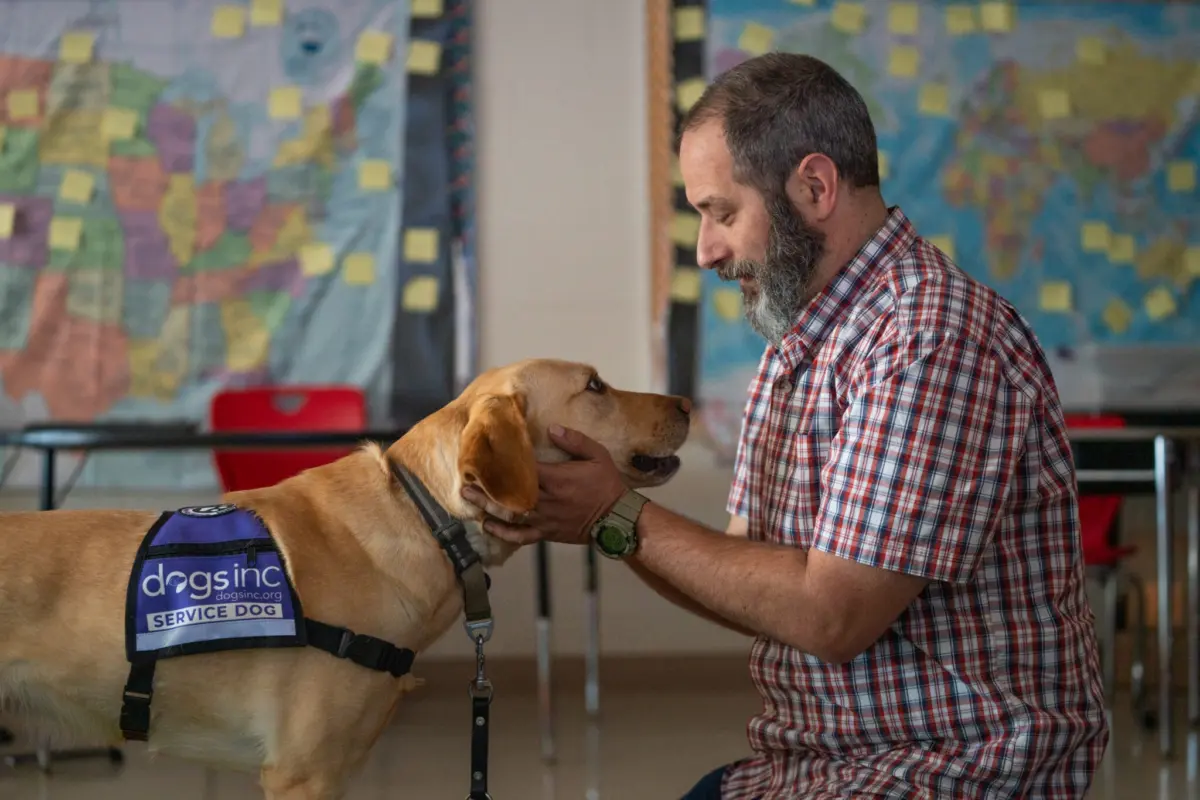
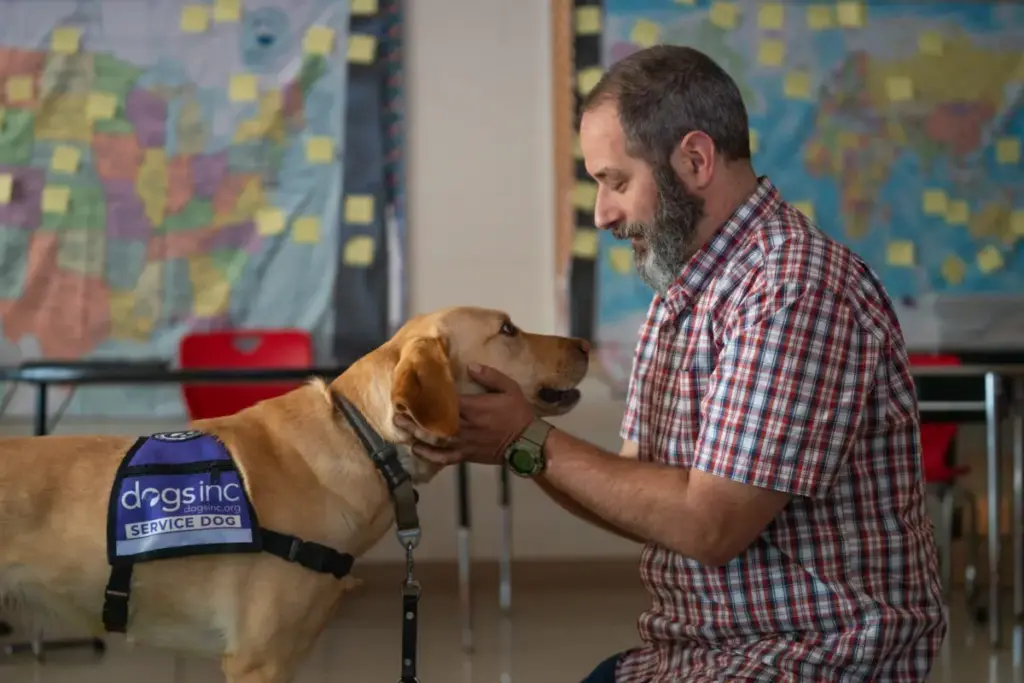
At organizations like Dogs Inc, this rigorous developmental journey begins in puppyhood and evolves into a masterclass in behavioral neutrality. This comprehensive report investigates the anatomy of canine distraction, the tactical methodologies of focus training, the collaborative ecosystem of puppy raisers and professional instructors, and the profound impact that absolute canine concentration has on human lives.
Detailed Chronology: The Lifecycle of a Service Dog’s Focus Development
The ability of a mature service dog to seamlessly ignore a dropped hamburger patty or maintain a heel through a crowded transit hub does not happen by accident. It is the result of a carefully timed, chronological training progression that spans from a puppy’s earliest weeks to final graduation and placement.
Phase 1: Neonatal and Early Puppyhood Foundations
Focus training begins long before a puppy is introduced to complex public environments. In the earliest weeks of life, foundation is everything. Puppy raisers and breeding caretakers introduce neonatal and infant pups to gentle handling, novel textures, and subtle sound variations within controlled environments.
During this stage, the primary objective is shaping a resilient nervous system. Pups are conditioned to process sensory inputs without entering a state of hyper-arousal or panic. Consistency is established early: puppies learn that checking in with human handlers yields positive outcomes, such as verbal praise or primary rewards. Eye contact is encouraged and organically reinforced, laying the groundwork for a lifelong working partnership.
Phase 2: Adolescent Socialization and Gradual Exposure
As puppies mature into adolescence, their world expands dramatically. This critical window involves structured outings to sidewalks, suburban shopping centers, parks, and quiet commercial spaces.
Instructors and puppy raisers utilize a strategy of gradual exposure. Instead of flooding an adolescent dog with overwhelming stimuli—such as a packed stadium or a loud bus terminal—trainers introduce environmental triggers at a distance where the dog remains calm, receptive, and capable of cognitive processing. If a puppy notices a distant skateboarder but remains under threshold, the handler immediately rewards the dog for choosing to look away from the distraction and check in with their human companion. This practice establishes the initial framework for impulse control.
Phase 3: Advanced Public Access and Distraction Proofing
Once foundational cues and basic obedience are mastered, training enters the complex realm of public access. Dogs are systematically exposed to the four primary categories of distractions:
Environmental Distractions: Traffic, flashing lights, sirens, construction noise, and shifting architectural layouts.
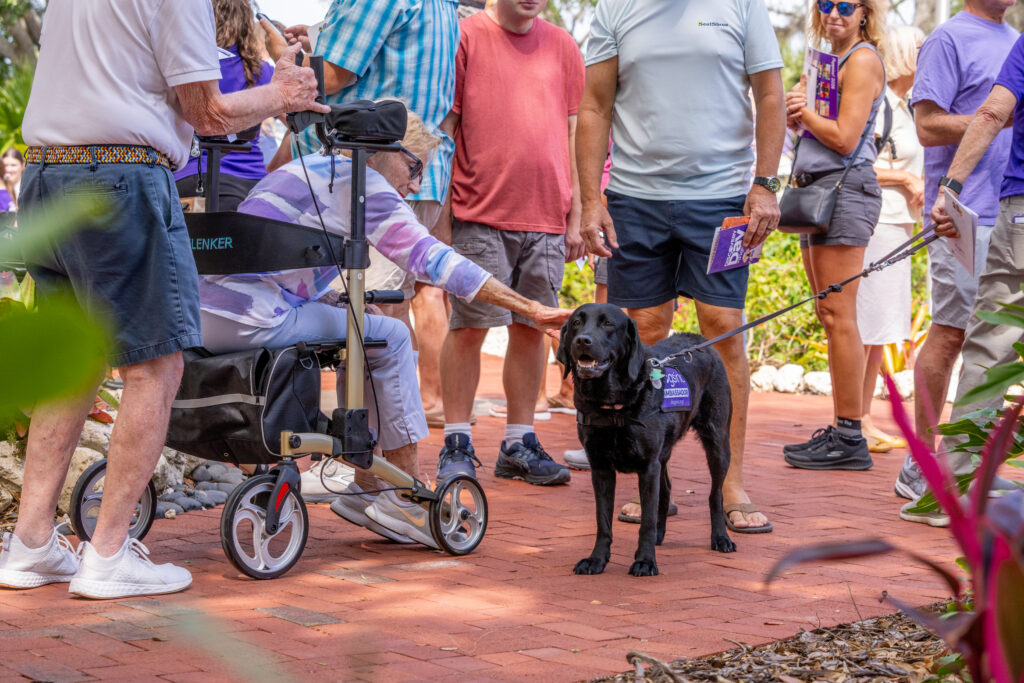
Social Distractions: Unsolicited human approaches, direct eye contact from strangers, and attempts at unauthorized petting or leash greetings.
Food and Scent Distractions: Restaurants, cafeterias, grocery displays, and rich scent trails left by wildlife or discarded food.
Animal Distractions: Encountering pet dogs, squirrels, birds, and other domestic or wild animals.
During this phase, training transitions from controlled settings to rigorous real-world environments. Dogs learn to maintain a working mindset, proving their behaviors across diverse geographic locations, weather conditions, and spatial constraints.
Phase 4: Task Integration and Operational Finalization
In the final stages of the curriculum, focus training merges directly with specialized task execution—whether that involves bracing for a handler with a mobility impairment, providing deep pressure therapy during a medical episode, or navigating clear paths through dense crowds. The dog learns that even while actively performing a complex mitigation task, their environmental awareness must remain anchored to the handler. Upon successful completion of this phase, the canine is paired with its permanent human partner, establishing a synergistic team ready for independent community integration.
Supporting Context & Metrics: The Anatomy of Canine Distraction and Neutrality
To understand why focus training is so demanding, one must examine the sensory architecture of the domestic dog. Canines possess an olfactory capacity tens of thousands of times more sensitive than that of humans, and an auditory range that captures frequencies far beyond our perception. When a dog encounters a scent trail or an auditory trigger, their physiological response is driven by evolutionary instinct.
The Metrics of Success: Neutrality vs. Engagement
In professional service dog terminology, the ultimate goal of focus training is neutrality. A neutral service dog is neither fearful nor overly curious; they are emotionally balanced and indifferent to external stimuli that do not pertain to their handler or assigned tasks.
Distraction Threshold Thresholds: Research in applied animal behavior indicates that a dog’s ability to process commands degrades exponentially once they cross their emotional threshold (the point of over-arousal). Effective service dog training constantly operates just beneath this threshold, systematically expanding the dog’s capacity to handle intense stimuli without breaking focus.
The Cost of Inconsistency: Studies in operational canine performance show that sporadic reinforcement during the adolescent phase reduces focus reliability by up to 60%. High-value reinforcement paired with unyielding behavioral consistency is mathematically proven to accelerate neural pathway solidification in working breeds.
Direct attention entirely to the handler; ignore human engagement attempts.
Olfactory/Gustatory
Dropped food, restaurant floors, animal scents
Acknowledge existence of scent without investigating, pulling, or consuming.
Biological
Wildlife, pet dogs, cats, service-disruptive animals
Remain in heel or down-stay despite natural predatory or social instincts.
Official Insights & Expert Perspectives
The methodology behind elite service dog training relies on decades of accumulated behavioral science, animal husbandry, and practical field experience. Industry leaders emphasize that focus cannot be beaten into a dog through punishment; it must be cultivated through trust, clarity, and motivation.
"A service dog is not a machine programmed to ignore the universe; they are a living, thinking partner who consciously chooses to place their handler above all else in the room," notes a senior canine development instructor at Dogs Inc. "That choice is built brick by brick, reward by reward, through every quiet hallway, busy intersection, and grocery aisle we walk together."
Behavioral experts consistently highlight the concept of relational reward structures. Dogs are naturally drawn to what provides the highest value in their environment. If a handler is perceived merely as a leash-holder, the environment will inevitably win out. However, when the handler becomes the source of absolute safety, high-value rewards, and predictable leadership, the dog’s internal compass naturally calibrates toward them.
Furthermore, official training standards emphasize that focus training is a continuous maintenance loop. Even fully certified service dogs require ongoing environmental proofing and reinforcement to ensure their operational standards do not degrade over time.
Future Outlook: The Evolution of Service Dog Training Methodologies
As the fields of veterinary behavioral science, neurobiology, and human-animal interaction continue to advance, the future of service dog training is undergoing a sophisticated technological and pedagogical evolution.
Data-Driven Behavioral Tracking
Modern breeding and training organizations are increasingly integrating data-analytics platforms to track puppy development metrics. By recording stress responses, recovery times from startling stimuli, and focus retention rates across standardized developmental checkpoints, trainers can identify optimal intervention windows for individual puppies. This data-driven approach minimizes wash-out rates and ensures that only dogs with the optimal psychological fortitude advance to public access training.
Public Awareness and Community Education
One of the most persistent hurdles in modern service dog handling is the interference of the public. Uneducated bystanders attempting to pet working dogs, feed them unauthorized treats, or distract them with high-pitched noises remain a primary disruption vector. The future outlook heavily emphasizes public education campaigns designed to teach communities proper service dog etiquette—specifically, the golden rule of working dogs: Do not look, do not speak, do not touch.
Expanding Access Through Rigorous Foundation
As societal infrastructure increasingly recognizes the vital importance of accessibility, the demand for impeccably trained service animals continues to rise. Innovations in early-stage socialization frameworks, positive reinforcement science, and collaborative training models—pioneered by institutions such as Dogs Inc—ensure that the gold standard of canine focus will continue to evolve.
Ultimately, the journey of focus training is a testament to the profound synergy between human intention and canine capability. By transforming the overwhelming noise of the world into a quiet background, a well-trained service dog offers more than just physical assistance—they offer freedom, dignity, and a steadfast anchor in an unpredictable world.