
Executive Overview
For individuals with disabilities, a fully trained service dog represents far more than an animal companion—it is a vital lifeline to independence, enhanced mobility, and daily confidence. However, the remarkable journey of these working dogs begins long before they ever graduate to formal professional training or meet their ultimate handlers. It starts in the living rooms, kitchens, and local neighborhoods of everyday volunteers.
Raising a future service dog is widely regarded as one of the most meaningful philanthropic endeavors a person can undertake. Stepping up as a volunteer puppy raiser means helping to shape a raw, impressionable eight-week-old puppy into a focused, resilient working dog. Yet, behind the heartwarming social media posts and the inspiring graduation ceremonies lies a rigorous, demanding reality. It is a path defined by unyielding structure, profound patience, and a daily commitment to the minutiae of behavior modification and socialization.
This comprehensive report offers an honest, in-depth look at the complex world of service dog puppy raising. By examining the daily obstacles—ranging from non-stop household consistency and real-world distraction management to the immense emotional toll of letting go—we explore what it truly takes to transform a playful pup into a pillar of independence. Backed by insights from organizations like Dogs Inc, this article breaks down the structural frameworks, professional support systems, and profound personal rewards that define the service dog pipeline.
Detailed Chronology: The Lifecycle of a Service Dog in Training
To truly understand the weight of the puppy-raising phase, one must examine the chronological progression of a working dog’s early life. The journey from whelping box to advanced professional placement follows a meticulously planned roadmap designed to maximize canine cognitive development and emotional resilience.
Phase 1: Welcoming and Foundations (Weeks 8 through 16)
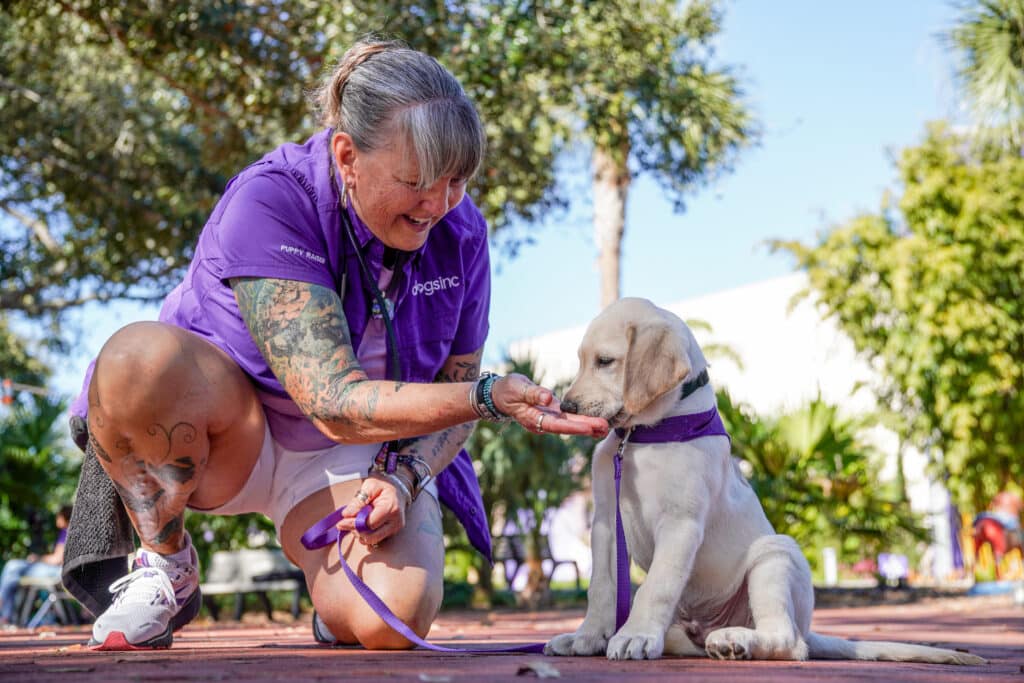
At approximately eight weeks of age, a carefully bred puppy leaves its litter and professional breeding facility to enter the home of a volunteer puppy raiser. This milestone marks the beginning of the most critical socialization window in a canine’s life.
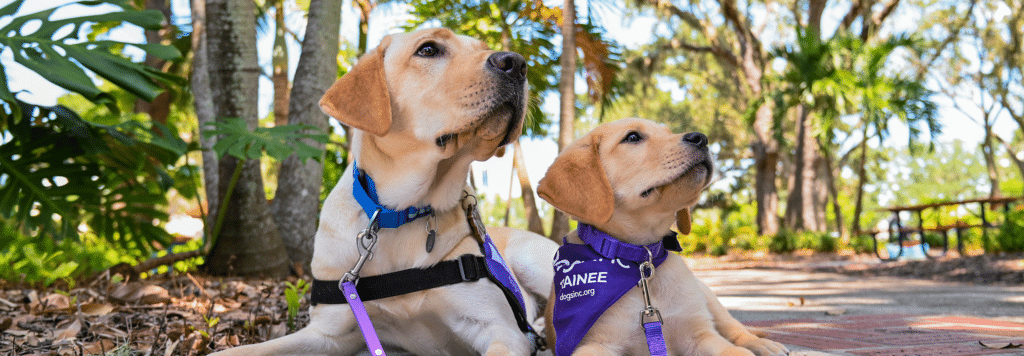
During these initial weeks, raisers are not expected to produce a fully obedient animal. Instead, the focus is entirely on house manners, early socialization, and foundational cues. Puppies learn crate training, housebreaking etiquette, and basic responses to commands such as sit, down, and stay. Crucially, this period introduces the puppy to novel sights, sounds, and textures—from household vacuum cleaners to slick kitchen floors—laying the groundwork for a stable, fearless temperament.
Phase 2: Community Integration and Public Access (Months 4 through 12)
As the puppy matures, the scope of training expands dramatically. The dog transitions from home-centric learning to community immersion. Volunteer raisers take their pups into increasingly complex environments: grocery stores, bustling shopping malls, public parks, and public transportation networks.
In these settings, puppies learn to maintain composure amidst overwhelming distractions. They practice loose-leash walking past food displays, ignore dropped items, and remain calm when approached by curious strangers. This phase is designed to test and build the dog’s environmental stability, ensuring they will not startle or react defensively when placed in unpredictable real-world scenarios alongside a future handler with a disability.
Phase 3: Adolescence and Refinement (Months 12 through 16+)
Just like human teenagers, adolescent dogs undergo significant hormonal and behavioral shifts. This stage is frequently characterized by boundary-testing, temporary regressions in obedience, and heightened distractibility. Raisers must exercise supreme patience, relying on consistent reinforcement and clear communication to guide the dog through this turbulent developmental window.
Phase 4: Transition and Advanced Professional Training
Culminating typically between 12 and 18 months of age, the puppy-raising phase concludes with a bittersweet milestone: the return of the dog to the central service dog organization (such as Dogs Inc). Here, the dog transitions from foundational socialization to advanced, specialized professional training. Trainers polish task-specific skills—such as retrieving dropped items, opening doors, bracing for balance support, or guiding a visually impaired handler—before the dog is formally matched with its permanent recipient.
Supporting Context & Metrics: The Anatomy of a Volunteer Commitment
While the ultimate goal of producing a life-changing service dog is universally celebrated, the day-to-day mechanics of the role demand a hard look at time, lifestyle alignment, and resource management.
The Daily Time Investment
Unlike standard pet ownership, where training can be casual or flexible, raising a working dog in training requires continuous, structured integration into daily life. Data from service dog organizations highlights several key operational realities:
- 24/7 Supervision and Structure: From managing enforced nap times in a crate to scheduling multiple micro-training sessions throughout the day, a raiser’s schedule revolves around the puppy’s developmental needs.
- Continuous Socialization Outlets: Successful programs require raisers to commit to weekly or bi-weekly public outings, exposing the dog to diverse human demographics, architectural features, and transit systems.
- Health and Maintenance Protocols: Beyond behavior, raisers manage precise dietary regimens, regular veterinary check-ups, preventative parasite management (such as flea and tick control), and physical conditioning to ensure the puppy remains in peak health.
Financial and Organizational Support Systems
The financial burden of raising a service dog can be a major deterrent for potential volunteers if not properly managed. Reputable organizations typically absorb major veterinary expenses, approved specialized food costs, and essential medical care. Furthermore, infrastructure is provided to prevent burnout:
- Instructors and Area Coordinators: Dedicated professionals guide raisers through troubleshooting behavioral hurdles and assessing developmental milestones.
- Relief Networks: Peer support groups and structured "puppy-sitting" networks allow raisers to take necessary personal time, travel, or attend events without disrupting the puppy’s consistent training routine.
Official Perspectives: Navigating the Core Challenges
To shed light on the lived experience of volunteer raisers, industry experts and veteran handlers categorize the challenges into distinct psychological and logistical pillars.
Challenge 1: The Demand for Absolute Household Consistency
"Consistency drives all training," note master canine instructors. Basic obedience cues like sit, stay, and loose-leash walking cannot be treated as optional depending on the day or the setting.

The primary hurdle is alignment. Every member of the household—including spouses, children, and visiting relatives—must adhere strictly to the exact same commands, rules, and boundaries. If one family member allows the puppy on the furniture while another strictly forbids it, the resulting confusion slows progress exponentially. Training cannot pause simply because a household experiences a high-stress week or a demanding work schedule.
Challenge 2: Managing the Unpredictable Real-World Environment
Taking a puppy into public spaces introduces a barrage of variables outside the raiser’s control. Noisy children, food odors, stray animals, and erratic movements are constant threats to a puppy’s focus.
Compounding this is public curiosity. Well-meaning members of the public frequently attempt to pet, distract, or talk to service dogs in training, violating the golden rule of working dog etiquette. Raisers must act as polite yet firm advocates for their dogs, managing public interactions while keeping the puppy entirely focused on its handler.
Challenge 3: Non-Linear Progress and Behavioral Redirection
A common misconception among first-time raisers is that training follows a straight upward trajectory. In reality, canine development is plagued by setbacks. A puppy that walked perfectly on a leash yesterday may pull aggressively toward a squirrel today.
These moments require immense emotional regulation from the volunteer. Success relies on redirecting undesired behaviors rather than reacting with frustration, understanding that repetition and positive reinforcement are the only tools capable of building long-term neural pathways for calm behavior.
Challenge 4: The Ultimate Emotional Hurdle—Letting Go
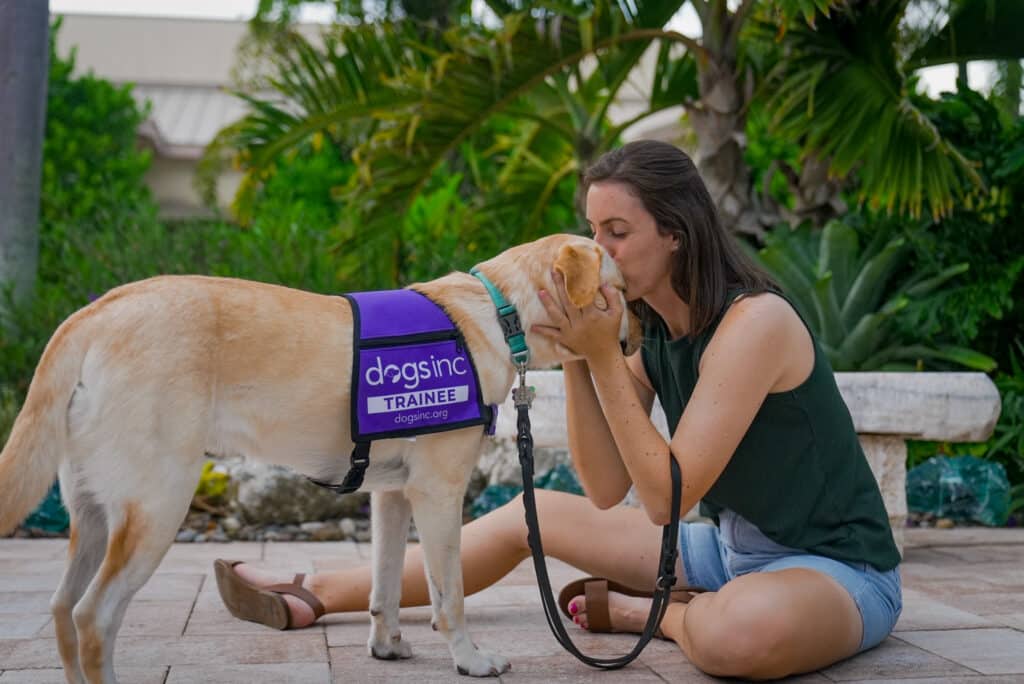
Without a doubt, the most profound challenge reported by volunteer raisers is the emotional toll of returning the dog for advanced training.
After 12 to 18 months of sharing a home, bed, and daily routine, a deep, unbreakable bond forms between the raiser and the puppy. Handing the leash back to the organization is undeniably heartbreaking. However, veteran raisers emphasize that the grief of parting is successfully reframed through purpose: letting go is the ultimate act of love, allowing the dog to step into its destiny as an independence-granting partner for an individual with a disability.
Future Outlook: The Expanding Need for Puppy Raisers
As awareness of invisible disabilities, mobility challenges, and the life-altering benefits of service animals continues to grow, the demand for qualified working dogs has never been higher. Yet, the entire pipeline relies entirely on the willingness of everyday citizens to open their homes and hearts to a puppy in training.
Service dog organizations are continuously innovating their support models to recruit and retain volunteers. By expanding regional coordinator networks, offering comprehensive virtual training modules, and fostering robust peer communities, these organizations are lowering the barrier to entry for prospective raisers.
Whether you are an active retiree looking for a meaningful project, a work-from-home professional seeking a structured daily routine, or a family hoping to teach children the values of empathy, civic responsibility, and dedication, puppy raising offers an unmatched opportunity to leave a lasting legacy.

Conclusion: Is Puppy Raising Right for You?
The challenges of raising a future service dog are undeniable—they test your patience, reshape your schedule, demand unyielding consistency, and culminate in an emotional farewell. Yet, as past volunteers will attest, the impact is immeasurably greater than the hardship.
By investing your time, love, and discipline into a puppy, you are actively building the foundation for a future where a person with a disability can navigate the world with renewed safety, dignity, and independence.
If you feel called to take on this extraordinary challenge and wish to explore whether you have what it takes to shape a future working dog, reach out to Dogs Inc today. Learn more about their specialized puppy-raising programs, explore local volunteer requirements, and take the first step toward changing a life—starting with a puppy’s very first steps.
Related Resources & Further Reading
For those interested in deepening their knowledge of the service dog industry, consider exploring the following authoritative guides:
- What Conditions Qualify for a Service Dog? – Explore the medical and psychological criteria that establish the legal need for professional working dogs.
- How Much Does a Service Dog Cost? Essential Insights and Budget Tips – A financial breakdown of breeding, veterinary care, professional training, and lifetime maintenance.
- Service Dog Access Laws: Your Rights, Responsibilities, and What to Expect – A comprehensive overview of federal and local regulations governing public access for service animals and dogs in training.