
Executive Overview
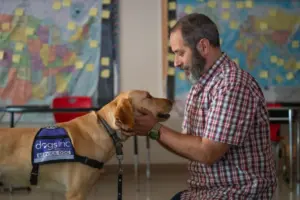
When the mind summons an image of a guide dog leading a visually impaired individual through a bustling transit hub, or a service dog quietly anchoring a person with medical vulnerabilities in a crowded grocery store, that canine is almost invariably a Labrador Retriever. This persistent archetype is far from a statistical coincidence. For decades, the Labrador Retriever has occupied the cornerstone of elite assistance dog organizations worldwide, including prominent institutions like Dogs Inc.
The breed’s ubiquitous presence is the result of a deliberate, evolutionary, and selective synergy. Labrador Retrievers possess an extraordinarily rare, mathematically predictable intersection of emotional stability, cognitive adaptability, high-level trainability, and an innate, unshakeable desire to collaborate with human partners. Yet, beneath the widespread public assumption that "Lab equals service dog" lies a rigorous, highly discerning scientific and behavioral evaluation process. Breed background provides a formidable foundation, but organizations emphasize that every candidate is appraised strictly as an individual.
This in-depth investigative report explores the multifaceted anatomy of a successful service dog, examining why Labrador Retrievers consistently outpace other breeds in working roles, the meticulous developmental lifecycle of an assistance dog, and the complex interplay of genetics, health, and human partnership that transforms a lively puppy into a life-changing professional.
Detailed Chronology: From Lesser Newfoundland to Modern Assistance Icon
To understand how the Labrador Retriever ascended to the pinnacle of the working dog world, one must examine the breed’s historical chronology—a trajectory defined by relentless utility and close human cooperation.

1. The Historical Foundations (17th to 19th Century)
The genetic lineage of the modern Labrador Retriever traces its roots not to the sunny coasts of Spain or England, but to the harsh, freezing waters of Newfoundland. Descended in part from the historic Lesser Newfoundland (sometimes called the St. John’s water dog), these early ancestors were bred by European fishermen to perform grueling aquatic tasks. Their job description required them to leap into icy North Atlantic seas, retrieve escaped fish, haul heavy cod nets, and tow lines ashore. This early work forged a distinct physical and mental profile: a waterproof double coat, an exceptionally powerful tail functioning as a rudder, and an unyielding work ethic coupled with a soft mouth designed to retrieve game or equipment without damaging it.
2. Standardization and British Refinement (Late 19th to Early 20th Century)
English sportsmen visiting Canada recognized the extraordinary utility and gentle disposition of these dogs and imported them back to the United Kingdom. British nobility and breeders refined the stock, standardizing the breed as the Labrador Retriever and officially establishing its characteristics. While initially deployed exclusively as elite sporting and hunting retrievers—flushing and retrieving waterfowl—their unique temperament soon caught the attention of early pioneers in the assistance dog movement.
3. The Modern Era of Assistance Work (Mid-20th Century to Present)
As the modern disability rights movement gained momentum following the World Wars, the demand for structured, reliable guide dogs skyrocketed. Organizations recognized that the same traits making the Lab an exceptional hunting companion—focus amidst distractions, quick recovery from startling stimuli, and a deep-seated drive to please human handlers—made them ideal candidates for navigating complex urban environments. Over the past fifty years, breeding programs have systematically selected for these behavioral traits, cementing the Labrador Retriever as the undisputed gold standard for guide, mobility, and medical-alert service work.
What Defines a Great Guide or Service Dog?
The professional environments navigated by working dogs are unforgiving. A guide dog may be tasked with threading through a packed international airport terminal, ignoring the intoxicating scent of dropped food in a bustling restaurant, executing an intelligent disobedience command to prevent a handler from stepping off a dangerous curb, and remaining utterly placid amidst the concussive rattle of construction equipment. Concurrently, a medical-alert or mobility service dog must maintain hyper-vigilance regarding its handler’s physiological state while remaining invisible and unobtrusive in corporate offices, classrooms, and courtrooms.
The Anatomy of "Working Temperament"
Achieving this level of performance requires a specific psychological blueprint often termed service dog temperament. Key components include:
- Emotional Stability: The capacity to remain unperturbed by erratic human behavior, sudden loud noises, flashing lights, and dynamic crowds.
- Cognitive Resilience: The ability to recover micro-seconds after an unexpected startle response, immediately returning to task execution rather than entering a fight-or-flight freeze.
- Independent Problem Solving (Intelligent Disobedience): The intellectual capacity to recognize when a handler’s command poses a safety hazard (such as crossing a street against a changing light) and knowingly refuse to obey.
- Sustained Focus: The stamina to maintain task-orientation for hours at a time without succumbing to environmental fatigue or sensory overload.
While breed genetics heavily predispose certain dogs toward these traits, professional organizations stress that temperament cannot be guaranteed by pedigree alone. Every candidate undergoes continuous behavioral testing to ensure they possess the individual psychological fortitude required for the job.
The Labrador Retriever Advantage: Temperament, Trainability, and Adaptability
Why do organizations like Dogs Inc routinely lean toward Labrador Retrievers over other intelligent breeds? The answer lies in a triad of distinct behavioral and physiological advantages.
1. The People-Oriented Psyche
Labradors are fundamentally social, outgoing creatures. Unlike guardian or independent herding breeds that may possess suspicious or self-directed tendencies, Labs are genetically wired to seek human interaction. Their trademark "eager to please" attitude transforms routine obedience drills into intrinsically rewarding experiences for the dog. They genuinely enjoy working in tandem with a human handler, creating a seamless feedback loop of communication and cooperation.

2. Environmental Resilience and Bounce-Back
A critical differentiator in working dogs is their recovery time from novel stressors. If a metal trash can lid clatters to the pavement near a working dog, a sensitive breed might shut down entirely, refusing to work for the remainder of the day. A typical Labrador Retriever, by contrast, registers the environmental anomaly, assesses the threat level as zero, and bounces back within seconds to resume its duties. This emotional elasticity is non-negotiable for public access work.
3. High-Level Trainability and Versatility
The cognitive architecture of the Lab supports complex, multi-step learning. Whether mastering the directional cues required for guiding a blind handler or learning to retrieve dropped medication, pull a manual wheelchair, or provide deep pressure therapy during a panic attack, Labs demonstrate exceptional cognitive flexibility. Their historical foundation as working retrievers translates seamlessly into modern operational frameworks.
Supporting Context & Metrics: Health, Longevity, and Operational Realities
While behavioral aptitude is paramount, maintaining a high-performing working dog fleet requires rigorous oversight of physical health, longevity, and developmental timelines.
Physical Profile and Health Parameters
- Lifespan: Labrador Retrievers typically enjoy a healthy lifespan of 10 to 14 years, providing an optimal working career length (usually spanning 7 to 9 active years of service after training).
- Weight & Dimensions: Adult working Labs generally average between 55 to 80 pounds depending on gender, a robust physical mass necessary for tasks like bracing, stability support, or safely guiding a handler, yet compact enough to fit comfortably under airline seats, in restaurant booths, and standard public transport.
- Genetic Screening Protocols: Because popular breeds are susceptible to inherited conditions, reputable assistance organizations enforce stringent health screening protocols. Breeding stock is routinely evaluated and cleared for:
- Hip and elbow dysplasia
- Progressive retinal atrophy (PRA)
- Hereditary myopathy (centronuclear myopathy)
- Cardiac abnormalities
The Washout Rate Reality
It is a common misconception that every Labrador puppy born into a breeding program eventually graduates as a certified working dog. Industry-wide metrics indicate that attrition rates (or "washout rates") can range from 30% to 50%. Dogs may be released from programs for minor temperament flaws, joint sensitivities, distractibility, or simply because they possess too much high-strung energy for the sedentary aspects of office-based service work. These career-changed dogs are routinely placed into loving pet homes or alternative professional careers (such as scent detection or facility therapy dogs), ensuring that every animal finds a niche matching its individual profile.

Official Statements and Institutional Perspectives
Organizations at the forefront of canine assistance emphasize that the journey from an uncoordinated puppy to a sophisticated assistance dog is an art form backed by behavioral science.
Animal behaviorists and trainers at institutions like Dogs Inc consistently highlight that breed selection is merely the starting line. As program directors frequently note: "While the Labrador Retriever provides an extraordinary genetic canvas rich in trainability and human-centric focus, it is the daily, intentional investment in socialization, positive reinforcement, and individual behavioral monitoring that truly crafts a working partnership."
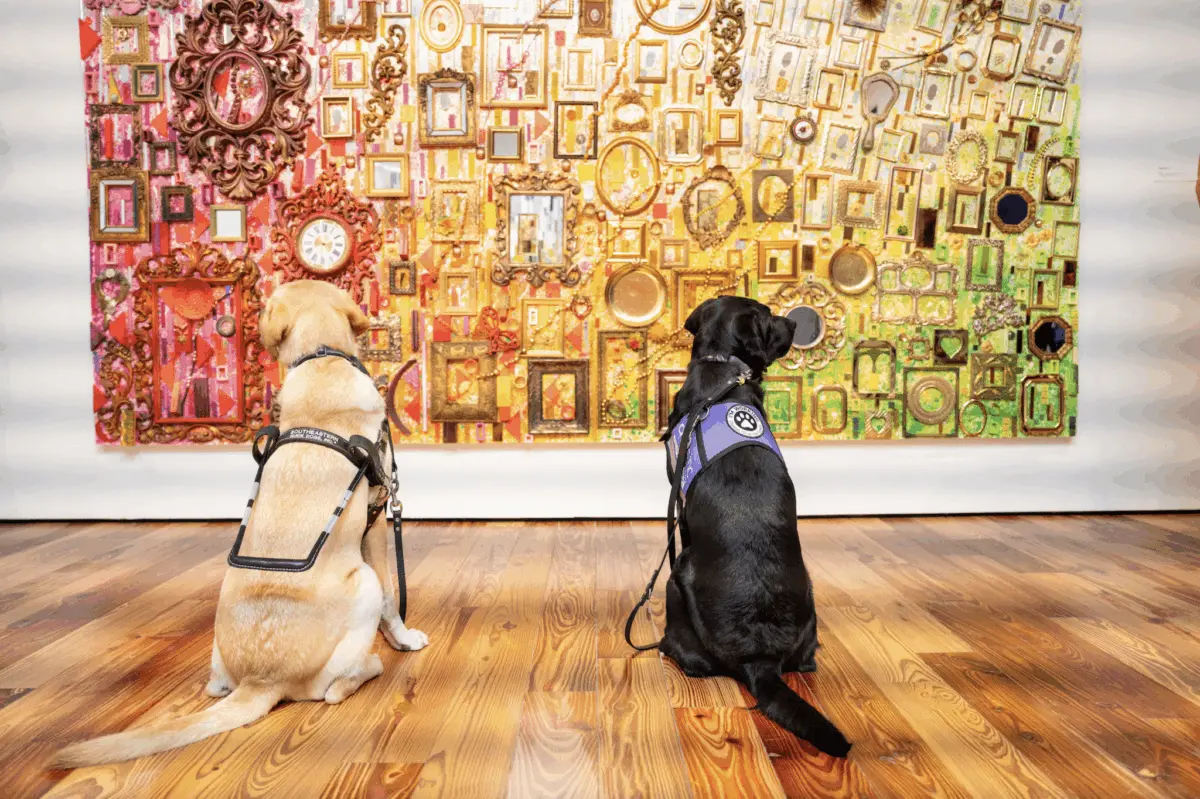
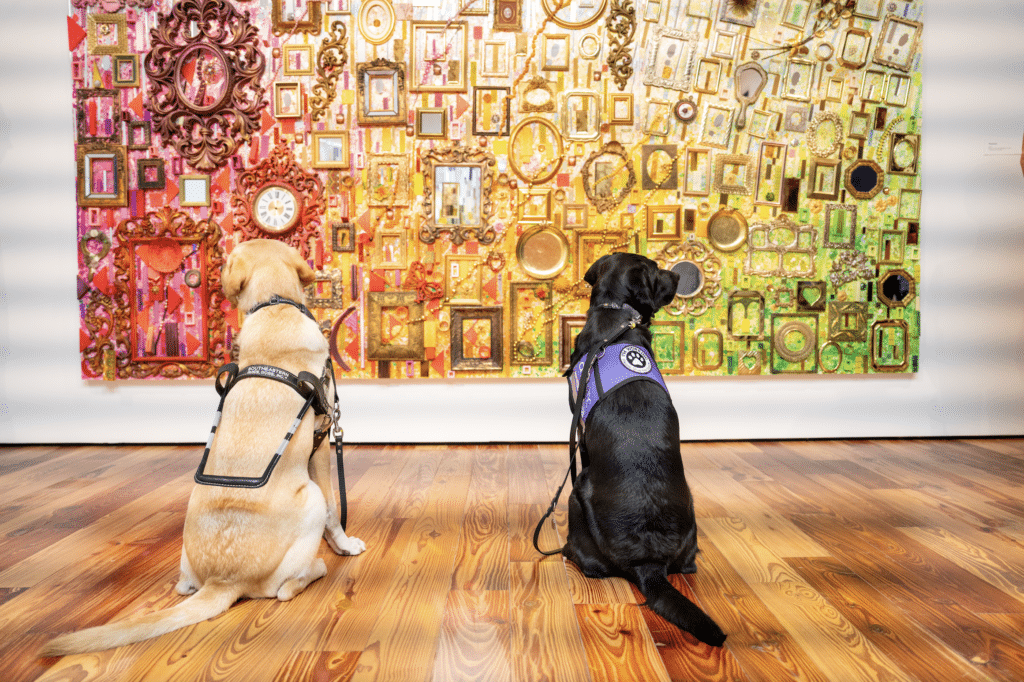
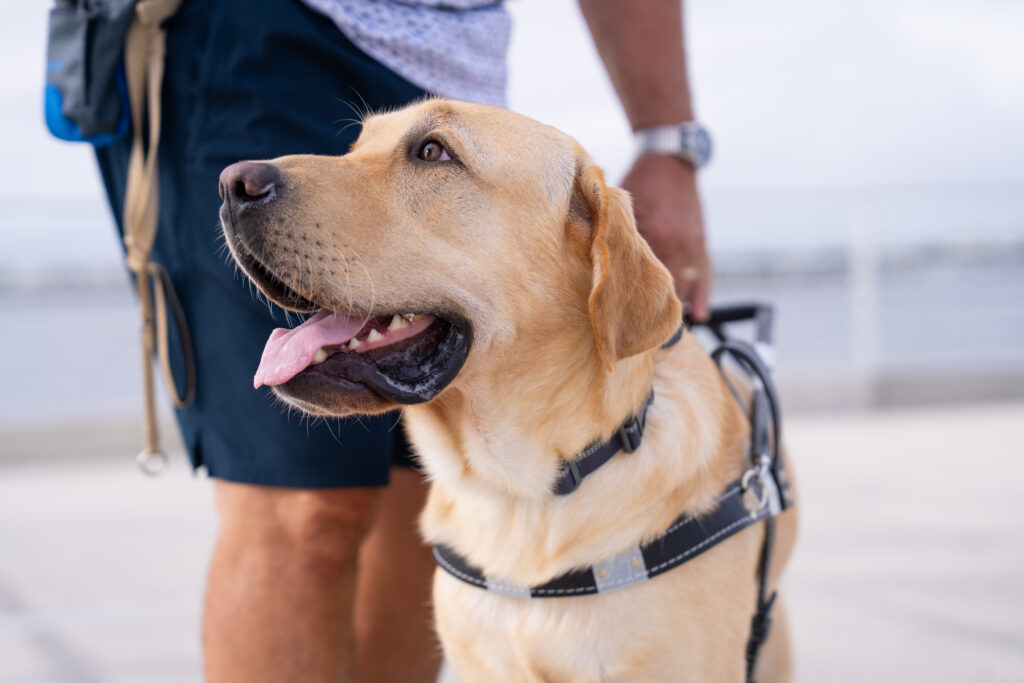
Furthermore, experts stress that public awareness campaigns must continue to educate communities on the realities of working dogs. The presence of a Labrador Retriever in a harness or vest signifies an active medical or navigational partnership, requiring the public to respect the dog’s focus by refraining from distracting, petting, or feeding the animal while it is on duty.
The Developmental Lifecycle: From Puppyhood to Partnership
The creation of a Labrador Retriever assistance dog is a multi-year odyssey divided into distinct developmental phases:
Phase 1: Early Neurological Stimulation and Socialization (Months 0–2)
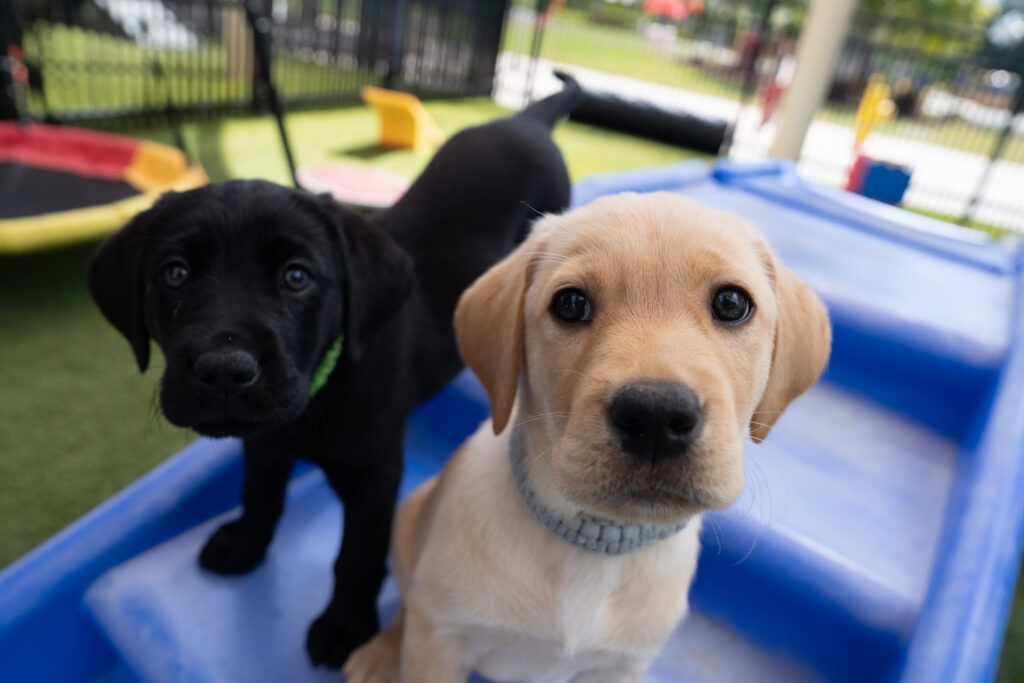
Beginning in the neonatal period, puppies are exposed to gentle tactile stimulation, varied surfaces, and mild sensory challenges. This early intervention accelerates neurological development and enhances stress tolerance.
Phase 2: The Puppy Raising Period (Months 2–12+)
At approximately eight weeks of age, Labrador puppies are placed with volunteer "Puppy Raisers." During this critical window, the puppy is taken everywhere—grocery stores, public buses, schools, sporting events, and medical clinics. They learn foundational house manners, basic obedience, and environmental calm. Notably, adolescent Labs are famous for maintaining exuberant "puppy brain" behavior until approximately three years of age, making structured patience during this phase essential.
Phase 3: Advanced Professional Training (Months 12–24)
Returned to the organization’s central training facility, the dogs transition to professional instructors. Here, they master advanced technical skills:
- For Guide Dogs: Precision pacing, curb checks, intelligent disobedience around traffic, and obstacle avoidance (ensuring clearance for both the dog’s body and the handler’s shoulders).
- For Service Dogs: Light-switch activation, retrieving specific items, medical alert tracking, and mobility bracing.
Phase 4: Team Training and Placement
Once a dog masters its technical repertoire, it is matched with a handler based on walking speed, lifestyle, physical needs, and personality. The handler and dog undergo intensive on-campus and in-community team training, culminating in a graduation ceremony that marks the beginning of a life-changing partnership.
Future Outlook: The Evolution of Canine Assistance
As veterinary science, behavioral genomics, and training methodologies continue to evolve, the future of assistance dogs remains exceptionally bright. Advanced genetic mapping allows breeding organizations to predict health outcomes and temperament markers with unprecedented precision, ensuring that the working Labrador Retrievers of tomorrow are even healthier, more resilient, and better adapted to the complexities of modern society.
At the same time, the fundamental bond between human and canine remains irreplaceable. No matter how advanced technology becomes, it cannot replicate the emotional warmth, intuitive responsiveness, and physical partnership offered by a well-trained Labrador Retriever. For individuals navigating the world with visual impairments or profound medical challenges, these remarkable dogs are not merely working animals—they are ambassadors of independence, mobility, and unconditional trust.
For those interested in exploring this world further, institutions like Dogs Inc offer campus tours, volunteer opportunities, and educational resources detailing the extraordinary journey from a playful Labrador puppy to a dignified, life-changing working professional.