
Executive Overview
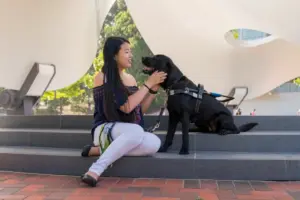
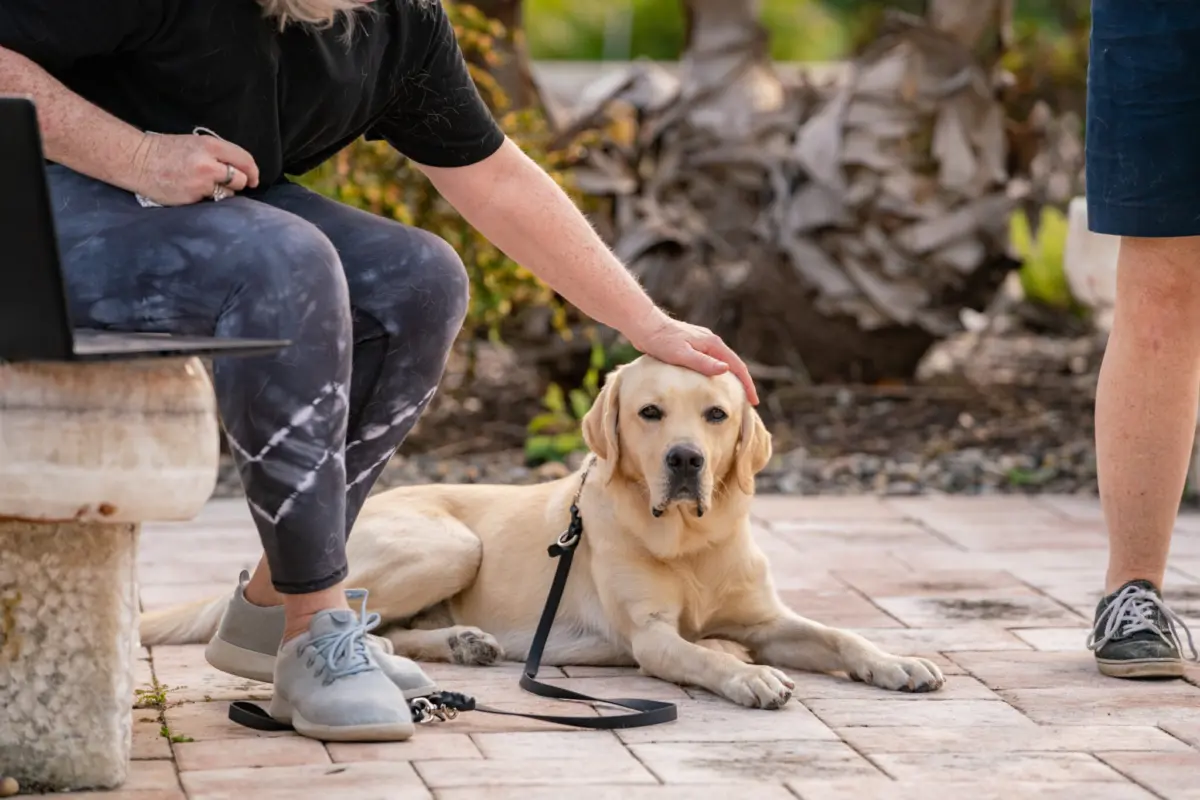
In an era where public mobility and accessibility are paramount, service dogs play an indispensable role in granting independence, security, and freedom to individuals with disabilities. From bustling grocery stores and quiet libraries to high-traffic international airports and crowded transit systems, these rigorously trained working animals are a common fixture of modern civic life. However, their exceptional composure, friendly demeanor, and unwavering focus frequently invite a common dilemma from well-meaning bystanders: Can you pet a service dog?
While the impulse to approach, greet, or offer a word of encouragement to a passing animal is entirely natural for most dog lovers, doing so can inadvertently jeopardize the safety and efficacy of a working service dog team. Service dogs are not pets enjoying an afternoon out; they are highly skilled, working partners executing specialized tasks that their handlers rely upon for daily functioning and, in many cases, survival.
This comprehensive report examines the intricacies of service dog etiquette, the rigorous legal and functional definitions governing these animals under the Americans with Disabilities Act (ADA), the hidden hazards of casual public distractions, and the collective responsibility shared by businesses, children, and the general public in maintaining a safe, respectful environment for handlers and their canine partners.
Detailed Chronology: The Evolution of Public Integration and Assistance Laws
The integration of working animals into public spaces has evolved significantly over the past century, transitioning from specialized assistance for the visually impaired to a multifaceted, legally protected practice supporting a wide spectrum of physical, neurological, and psychological conditions.
Early Foundations and the Guide Dog Movement (Mid-20th Century)
Historically, the presence of dogs in public accommodations was heavily restricted due to health and safety codes. The modern era of assistance animals began in earnest with the formal establishment of guide dog training institutions in the mid-1900s. Initially, these programs focused almost exclusively on aiding individuals with visual impairments. During this period, public awareness was low, and handlers frequently faced denial of entry into restaurants, hotels, and public transportation. Navigating society required extensive individual advocacy by handlers and pioneers who had to continually educate business owners and civic authorities about the legitimacy and necessity of working dogs.
The Landmark Legislation: The Americans with Disabilities Act (1990)
A monumental shift occurred with the passage of the Americans with Disabilities Act (ADA) in 1990. Title III of the ADA established federal protections that mandated places of public accommodation—including restaurants, retail stores, theaters, and medical facilities—to permit service dogs to accompany individuals with disabilities into all areas where the general public is allowed. This legislation transformed the legal landscape, shifting the status of service dogs from tolerated exceptions to federally protected working partners.
Expansion of Roles and Modern Recognition (2000s–Present)
Over the last two decades, the scope of tasks performed by service dogs has broadened dramatically. Beyond guiding the visually impaired, specialized training programs began producing dogs capable of mobility support, medical alert functions (such as detecting drops in blood sugar for diabetics or oncoming seizures), and psychiatric assistance for individuals coping with post-traumatic stress disorder (PTSD). As service dogs became more visible across diverse sectors of society, public encounters increased exponentially. Consequently, the civic dialogue shifted from simply securing physical access for handlers to addressing behavioral etiquette—specifically, how the general public interacts with and respects these working teams in shared spaces.
Supporting Context & Metrics: Understanding the Working Partnership
To appreciate why public interference is so disruptive, one must first understand what sets a service dog apart from a standard pet or even an emotional support animal.

Defining a Service Dog Under the ADA
Legally, under ADA guidelines, a service dog is defined strictly as a dog that has been individually trained to do work or perform tasks for the benefit of an individual with a disability, including a physical, sensory, intellectual, or mental disability.
- Task-Oriented Requirement: The tasks performed by the dog must be directly related to the person’s disability. Examples include pulling a wheelchair, retrieving dropped items, alerting a handler to an allergen, waking a handler during a night terror, or providing deep pressure therapy during a panic episode.
- Exclusion of Pets and ESAs: Animals whose sole function is to provide comfort, emotional support, or therapeutic presence (Emotional Support Animals, or ESAs) do not qualify as service dogs under ADA public access provisions, as they are not trained to execute specific, mitigating tasks.
The Rigorous Training Pipeline
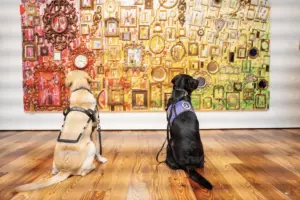
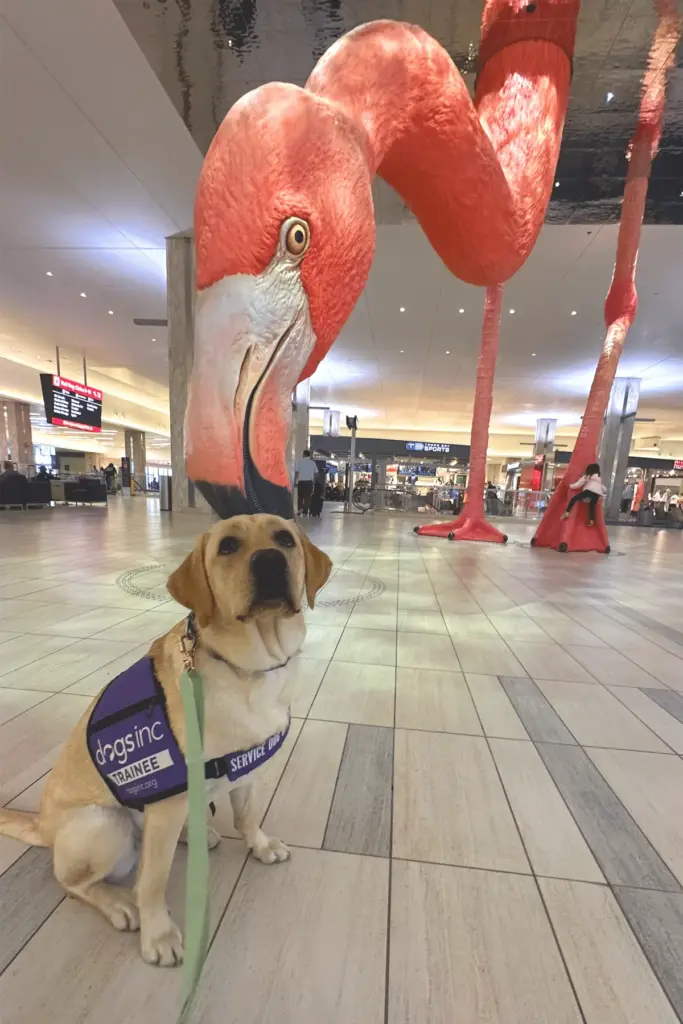
The journey of a service dog is exhaustive. Organizations such as Dogs Inc and similar training bodies invest up to two years—and thousands of hours—in breeding, socializing, and specialized training before a dog is ever matched with a recipient. During this developmental phase, puppies are exposed to erratic sounds, crowded environments, sudden movements, and complex public transit networks. They must learn to suppress normal canine instincts—such as investigating interesting smells, reacting to other animals, or seeking attention from strangers—to maintain absolute focus on their handler’s cues.
When a member of the public approaches a service dog without permission, they are directly challenging months and years of behavioral conditioning. Even a momentary lapse in concentration can undo vital training progress or disrupt a high-stakes task sequence.
Official Statements and Industry Perspectives
Accessibility advocates, medical professionals, and training organizations maintain a unified stance on public conduct regarding service animals. The consensus is anchored in safety, dignity, and functional efficacy.
"When a service dog is working, it is essentially an extension of the handler’s independence. Distracting the dog is not merely an annoyance; it is a direct interference with a person’s accessibility tools. Would you grab a person’s white cane or tamper with a wheelchair? Approaching a service dog without consent carries the exact same risk to a handler’s safety."
— Accessibility and Disability Rights Advocate
Furthermore, representatives from major service dog breeding and training institutions emphasize that the burden of education falls heavily on the public. Organizations routinely stress the fundamental rule of service dog etiquette: Always ask first.
- The Handler’s Prerogative: The decision to permit an interaction rests entirely with the handler. Some handlers may allow a greeting when the dog is off-duty or taking a structured break, while others must strictly decline to preserve the animal’s working mindset.
- Gracious Acceptance: If a handler declines an interaction—or ignores a passing request—the public must respect that boundary without taking offense, pushing for exceptions, or making critical remarks.
Common Behavioral Pitfalls to Avoid Around Service Dog Teams
Well-intentioned citizens frequently commit common errors that compromise the focus of working dogs. Recognizing these behaviors is vital for maintaining a supportive public environment:
- Making Direct Eye Contact, Whistling, or Cooing: High-pitched vocalizations and animated gestures capture a dog’s attention, pulling its focus away from environmental hazards that the handler relies on the dog to monitor.
- Offering Food or Treats: Feeding a working dog not only breaks its concentration but can also interfere with strict dietary regimens or trigger severe allergic reactions.
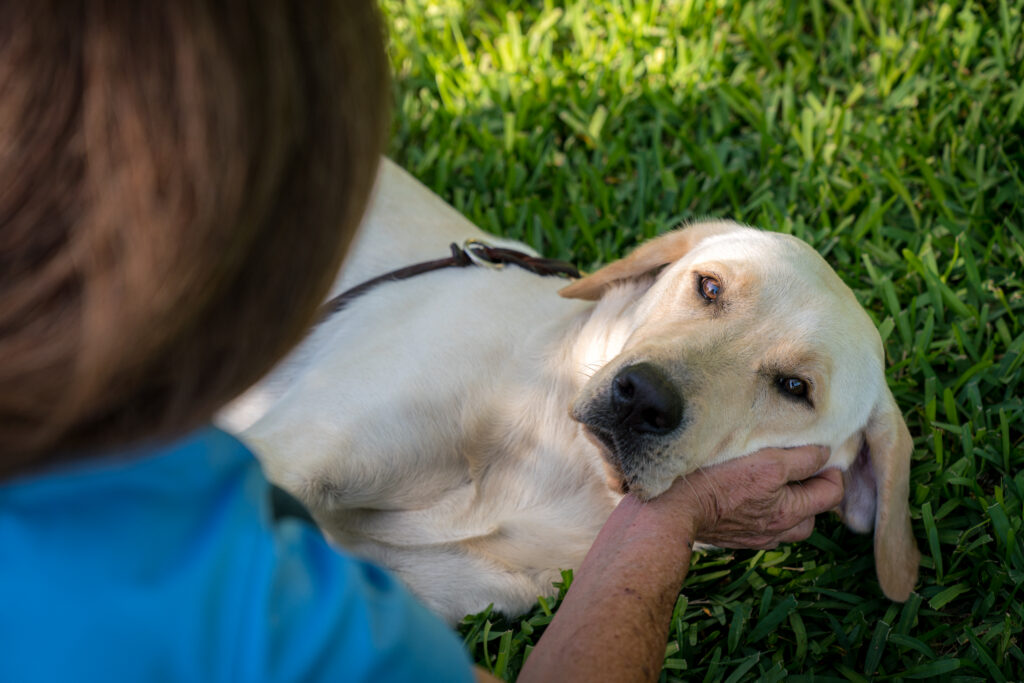
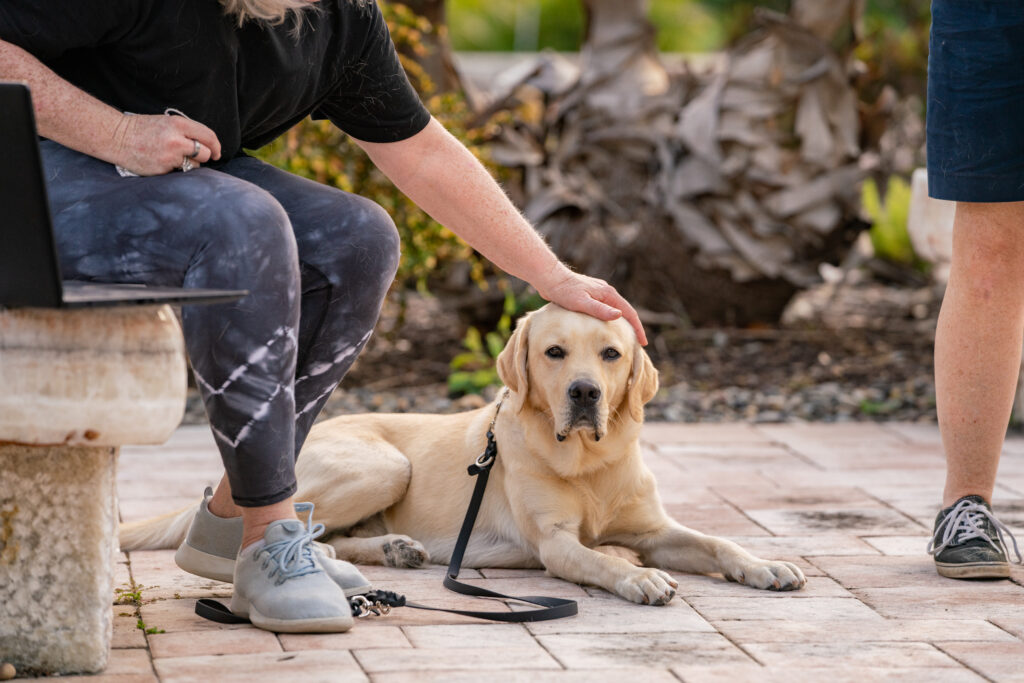
- Reaching Out to Pet Unannounced: Moving hands into a dog’s personal space can startle both the animal and the handler, occasionally prompting a defensive or confused reaction from an otherwise gentle dog.
- Distracting by Proxy: Allowing pet dogs to approach, sniff, or bark at a service dog creates immense stress for the working animal and poses a direct physical threat to the handler.
- Directing Conversation Entirely to the Dog: Ignoring the human handler to address the animal reduces the dignity of the individual with the disability. The golden rule of communication remains: Talk to the person, not the dog.
Educating the Next Generation: Service Dog Etiquette for Children
Children are naturally drawn to dogs, and seeing a calm, well-behaved animal in a public setting can generate intense excitement. Rather than stifling this curiosity, parents and educators have a valuable opportunity to teach foundational lessons in empathy, respect, and civic responsibility.

- Simple Explanations: Children can easily understand the concept of a job. Explaining that "That dog is working right now and has an important job to do for its human" demystifies the situation and discourages impulsive behavior like running up or reaching out.
- Admiring from a Distance: Encouraging children to observe the dog quietly from afar fosters patience and respect for personal boundaries.
- Asking Permission: If a child wishes to interact, parents should model proper etiquette by teaching them to approach the handler—never the dog—and politely ask, "Excuse me, may my child say hello to your service dog?" Preparing children to accept a "no" gracefully builds emotional intelligence that extends far beyond animal interactions.
Business and Corporate Responsibility in Public Accommodations
Employees across retail, hospitality, food service, healthcare, and corporate sectors frequently interface with service dog teams. Ensuring an inclusive, legally compliant, and welcoming environment requires specific internal protocols:
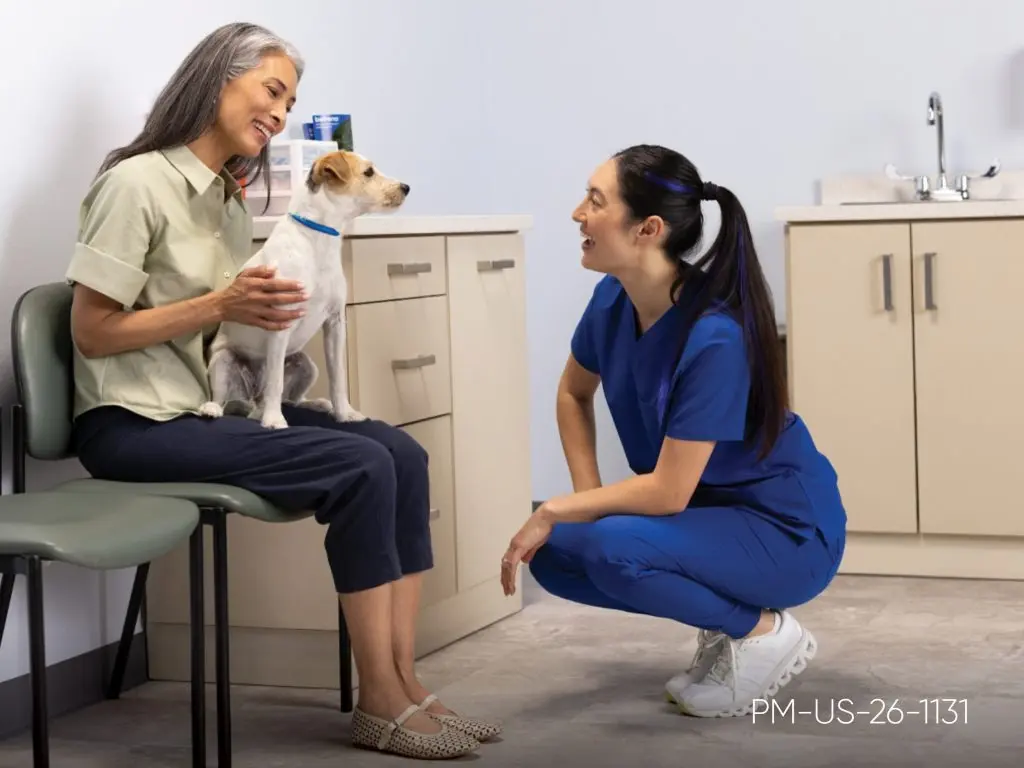
- Standard Customer Service: Staff should treat the handler just like any other patron, offering standard assistance without drawing unnecessary attention to the animal or peppering the customer with intrusive questions about their disability. (Under the ADA, staff are legally limited to asking only two questions if the necessity of the dog is not obvious: 1) Is the dog a service animal required because of a disability? and 2) What work or task has the dog been trained to perform? Staff may not request documentation, medical records, or proof of certification).
- Clear Pathways: Ensuring that aisles, seating arrangements, and waiting areas remain clear of physical obstructions allows the service dog team to navigate the facility safely and efficiently.
Future Outlook: Building a More Inclusive and Aware Society
As societal understanding of invisible disabilities, neurodiversity, and physical accessibility continues to mature, the visibility of service dogs will only grow. The future of public interaction with service animals depends heavily on continuous education and cultural shifting.
Technological and Training Advancements
Training methodologies for service dogs are increasingly sophisticated, focusing on resilience against high-distraction modern environments—such as crowded urban centers, bustling transit hubs, and ubiquitous digital distractions. Simultaneously, organizations are leveraging digital outreach, community workshops, and public service campaigns to normalize service dog etiquette across schools, corporate offices, and community centers.
The Vision Ahead
Ultimately, the goal of service dog awareness is to create a seamless, stress-free society where individuals with disabilities can navigate their daily lives with total confidence, dignity, and independence. By internalizing simple etiquette—giving working teams physical space, avoiding uninvited distractions, talking directly to handlers, and always asking permission before interacting—the public becomes an active partner in this mission.
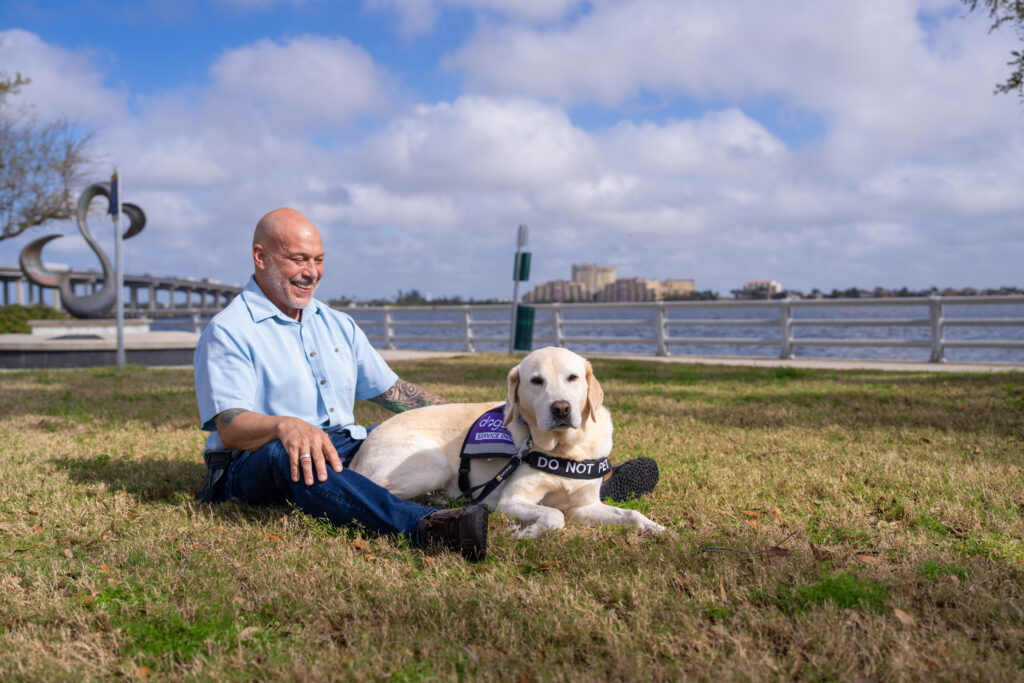
The next time you spot a Labrador Retriever or German Shepherd in a service vest gliding quietly through a crowded airport terminal or quiet grocery aisle, remember the profound responsibility resting on those four paws. A little respect, a respectful distance, and an understanding silence go a long way in supporting the extraordinary partnerships that empower people to live freer, more confident lives.