
Executive Overview
In the relentless battle against companion animal mortality, a formidable alliance has renewed its commitment to science, hope, and canine and feline longevity. In recognition of National Pet Cancer Awareness Month, pet nutrition leader Blue Buffalo has announced a high-impact philanthropic initiative: a dollar-for-dollar matching grant program pledged to the Morris Animal Foundation (MAF), a globally renowned nonprofit dedicated to advancing animal health research.
Running through December 31, 2026, this ambitious campaign will match public donations up to a cumulative total of $200,000. This financial injection arrives at a critical juncture in veterinary medicine. Cancer remains the leading disease-related cause of death in older dogs and cats, casting a long shadow over millions of households worldwide. By doubling the impact of every dollar contributed by pet owners, veterinary professionals, and animal welfare advocates, Blue Buffalo and the Morris Animal Foundation aim to accelerate groundbreaking studies, refine early diagnostic tools, and ultimately rewrite the prognostic outcomes for pets diagnosed with aggressive malignancies.
This latest chapter builds upon a nearly two-year-old partnership that has already funneled more than $9 million into vital scientific endeavors. The funds generated through the 2026 matching initiative will directly support an array of sophisticated projects. These range from longitudinal epidemiology—most notably the landmark Golden Retriever Lifetime Study—to cutting-edge applications of artificial intelligence (AI) designed to detect tumor DNA fragments in routine blood draws before clinical symptoms ever manifest.
As veterinary oncology transitions from reactive treatments to proactive, precision-based medicine, initiatives like this matching grant provide the indispensable fuel required to bridge the gap between bench science and bedside clinical application. For millions of pet owners who view their companion animals as integral family members, this partnership offers a tangible avenue to participate in a scientific revolution that promises longer, healthier lives for generations of pets to come.
Detailed Chronology: Two Decades of Collaborative Scientific Discovery
To fully appreciate the gravity of the 2026 matching grant initiative, one must examine the rich history of collaboration between Blue Buffalo and the Morris Animal Foundation. For nearly twenty years, these two organizations have forged a strategic alliance rooted in the shared conviction that scientific inquiry is the ultimate weapon against the most devastating canine and feline diseases.
The Foundation Years (Late 2000s–2010s)
In the formative years of their partnership, Blue Buffalo recognized that while commercial pet food could optimize daily nutrition, systemic breakthroughs in curing complex diseases like osteosarcoma, lymphoma, and feline chronic enteropathy required dedicated, independent scientific funding. The corporate entity began funneling sustained financial support into the Morris Animal Foundation, an organization with a history dating back to 1948 dedicated to funding humane animal health studies.
During this initial phase, the partnership quietly underwrote dozens of pilot grants. These early investments allowed young veterinary researchers to test hypothesis-driven models that larger federal agencies might have deemed too high-risk. These foundational grants yielded critical data on tumor immunology, genetic predispositions in specific breeds, and the pharmacological efficacy of novel chemotherapy agents tailored specifically for veterinary patients.
The Landmark Golden Retriever Lifetime Study (2012–Present)
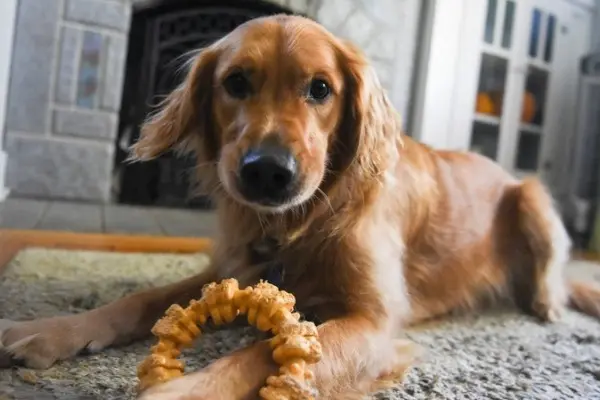
Perhaps the single most transformative milestone in the partnership’s timeline was the launch of the Golden Retriever Lifetime Study in 2012. Conceived as one of the largest and most comprehensive observational health studies ever undertaken in veterinary medicine, the project enrolled over 3,000 healthy golden retrievers across the United States.
With substantial, sustained backing from Blue Buffalo, researchers established an unprecedented infrastructure to track these dogs from puppyhood through their natural lives. The goal was starkly ambitious: to identify the environmental, genetic, and lifestyle risk factors associated with cancer, particularly hemangiosarcoma, lymphoma, and high-grade mast cell tumors, which disproportionately afflict the breed.
Over the ensuing decade and a half, the study evolved into an international gold standard for epidemiological research. Field veterinarians and dedicated pet owners systematically submitted annual questionnaires, veterinary medical records, and biological samples. By the mid-2020s, the study had amassed an astonishing repository of data, cementing its role as an invaluable resource for veterinary oncologists worldwide.
Scaling Up: The 2026 Matching Campaign
Entering the latter half of the 2020s, both organizations recognized an urgent need to translate the immense volumes of accumulated data into actionable clinical tools. Recognizing that public engagement is vital for sustaining long-term momentum, Blue Buffalo and the Morris Animal Foundation structured the current matching grant. Scheduled to run through December 31, 2026, this initiative provides an immediate, high-leverage mechanism for everyday citizens to direct funds precisely where they are needed most, ensuring that the next wave of oncological breakthroughs faces no financial bottlenecks.
Supporting Context & Metrics: The Scale of the Research Enterprise
To understand why a $200,000 matching grant—scaling a total funding impact of $400,000—is so consequential, one must examine the staggering scale and meticulous architecture of the projects it supports. Veterinary research operates within tight financial margins compared to human medical research, meaning that targeted injections of capital can produce outsized scientific returns.
Inside the Golden Retriever Lifetime Study Metrics
The sheer volume of data generated by the Golden Retriever Lifetime Study defies conventional veterinary research paradigms. To date, the project has successfully collected:
- Over 650,000 biological samples: Including blood, urine, hair, and tissue samples stored in ultra-cold biorepositories for retrospective assays.
- Approximately 75 million distinct data points: Encompassing everything from geographic location and municipal water quality to dietary brands, exercise regimens, and detailed pathology reports.
- Thousands of participating canine-human families: Known affectionately as "heroes," these dogs and their owners have provided researchers with a longitudinal lens through which to observe the insidious, multi-year pathogenesis of cancer before clinical manifestation.
Targeted Clinical Trials and Innovations
Beyond the Golden Retriever Lifetime Study, the partnership’s funding portfolio directly supports hyper-focused clinical trials addressing some of the most stubborn pathologies in veterinary medicine:
- Canine Bone Cancer (Osteosarcoma): Osteosarcoma is notoriously aggressive, characterized by rapid local destruction of bone and a high propensity for early micrometastatic spread to the lungs. Funded researchers are evaluating novel targeted therapies, including immunotherapies designed to stimulate the patient’s own immune system to recognize and destroy circulating tumor cells.
- Feline Gastrointestinal Malignancies: Cats face distinct diagnostic and therapeutic challenges, particularly regarding inflammatory bowel disease (IBD) versus intestinal lymphoma. Clinicians are working on advanced endoscopic and molecular biopsy techniques to differentiate these conditions accurately early in their course, preventing unnecessary, invasive surgeries and tailoring specific pharmacological interventions.
- Artificial Intelligence and Liquid Biopsies: One of the most promising frontiers funded by the initiative involves the convergence of oncology and digital health. Researchers are developing sophisticated AI algorithms capable of analyzing cell-free DNA fragments circulating in simple blood samples (known as liquid biopsies). By detecting specific tumor-associated genetic mutations and epigenetic signatures long before a mass becomes palpable on physical examination, this technology promises a paradigm shift toward ultra-early detection.
Official Statements & Industry Perspectives
The partnership’s enduring success and forward-looking vision are best captured through the voices of the scientists and corporate leaders driving the mission forward. Their perspectives illuminate the intersection of rigorous science, corporate responsibility, and the profound emotional bond shared between humans and their animal companions.
Dr. Kelly Diehl, Senior Director of Scientific Programs at the Morris Animal Foundation, emphasizes the foundational philosophy that dictates their research priorities. Addressing the necessity of longitudinal studies and continuous funding, Dr. Diehl notes:
"Understanding cancer starts with understanding how it develops, and that requires studying animals over time. Diseases like canine osteosarcoma or feline lymphoma do not happen overnight; they are the result of complex, multi-factorial interactions between genetics, environment, and aging. Without the sustained, visionary support of partners like Blue Buffalo, we would lack the runway necessary to track these conditions across a patient’s entire lifespan and uncover the preventive clues hidden within that data."
Veterinary oncologists across the globe have echoed these sentiments, pointing out that advancements funded through this partnership frequently cross over to benefit human medicine as well. Because companion animals share our living environments, breathe the same air, and consume localized water supplies—while developing many of the exact same spontaneous cancers—they serve as ideal translational models for human oncology. Comparative oncology projects funded by the foundation routinely provide dual benefits, offering insights that help both veterinarians treating dogs and cats and oncologists treating human patients.
From the corporate stewardship perspective, executives at Blue Buffalo view the matching grant not merely as a philanthropic gesture, but as an authentic extension of their brand’s core ethos. For two decades, the company has maintained that manufacturers of pet nutrition bear a social obligation to invest back into the broader health and welfare ecosystem of companion animals. By empowering everyday consumers to become active philanthropists through the dollar-for-dollar match, Blue Buffalo is democratizing pet health research, allowing any pet owner to feel a personal sense of ownership in the scientific discoveries of tomorrow.
Future Outlook: The Horizon of Veterinary Oncology
As the veterinary medical community looks toward the conclusion of the matching grant initiative in late 2026 and beyond, the horizon has never looked more promising—or more urgent. The integration of multi-omics, artificial intelligence, and precision medicine is transforming veterinary practice from a generalized, reactive discipline into a highly individualized, predictive science.
The Shift Toward Proactive Prevention
Historically, veterinary oncology was dominated by palliative care and late-stage rescue treatments: surgery, amputation, and standard-dose chemotherapy aimed at extending life by a matter of months after a devastating diagnosis. However, the data amassed through the Morris Animal Foundation and funded by initiatives like Blue Buffalo’s matching grant are laying the groundwork for a radically different future.
The ultimate objective of current and upcoming research is the interception of disease. By leveraging liquid biopsies, genetic screening panels, and AI-driven predictive modeling, future veterinarians will likely screen healthy dogs and cats during routine annual wellness visits. Identifying elevated cancer risk profiles years before tumor formation will allow clinicians to recommend targeted nutritional adjustments, environmental modifications, or early preventative therapies that could avert cancer entirely.
Empowering the Pet Community
The success of the $200,000 matching grant through December 31, 2026, relies heavily on the mobilization of the broader pet-loving public. As awareness spreads during National Pet Cancer Awareness Month and throughout the life of the campaign, animal advocates are encouraged to visit the Morris Animal Foundation’s portal to contribute. Every dollar donated is instantly doubled, maximizing the acquisition of laboratory reagents, the processing of biobank samples, and the enrollment of patients in groundbreaking clinical trials.
Ultimately, this partnership serves as a masterclass in modern biomedical philanthropy. By uniting corporate dedication with rigorous nonprofit scientific administration and public generosity, Blue Buffalo and the Morris Animal Foundation are doing more than just funding studies—they are actively purchasing time, health, and comfort for the animals who enrich our lives immeasurably. As these research initiatives bear fruit in the years to come, the legacy of this collaboration will be measured not just in dollars raised or data points collected, but in the countless tail wags and contented purrs of future generations of healthy pets.