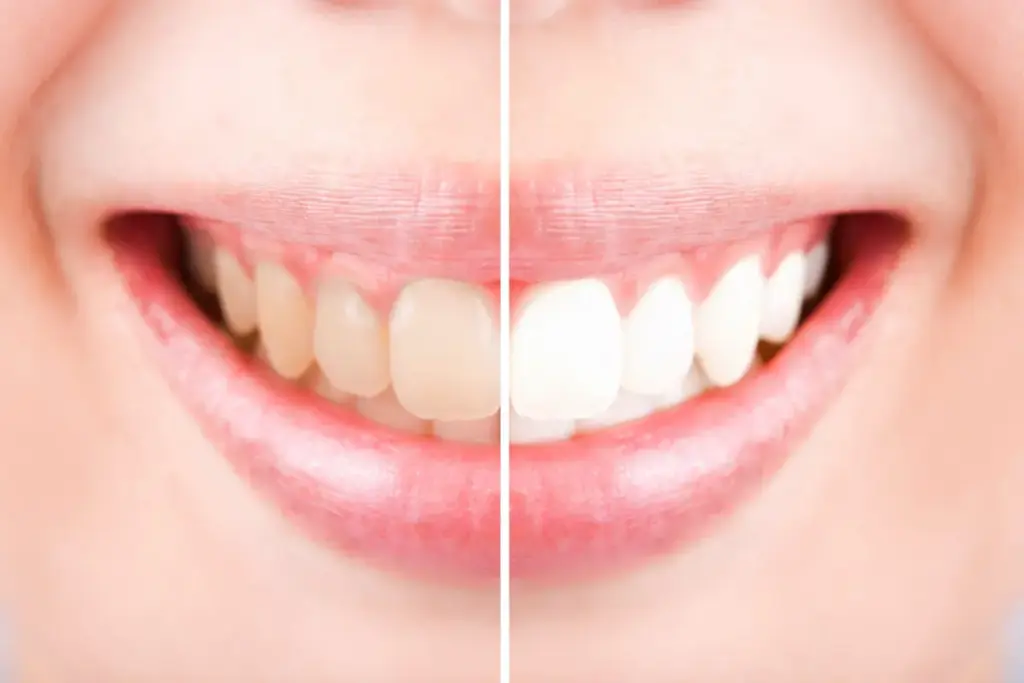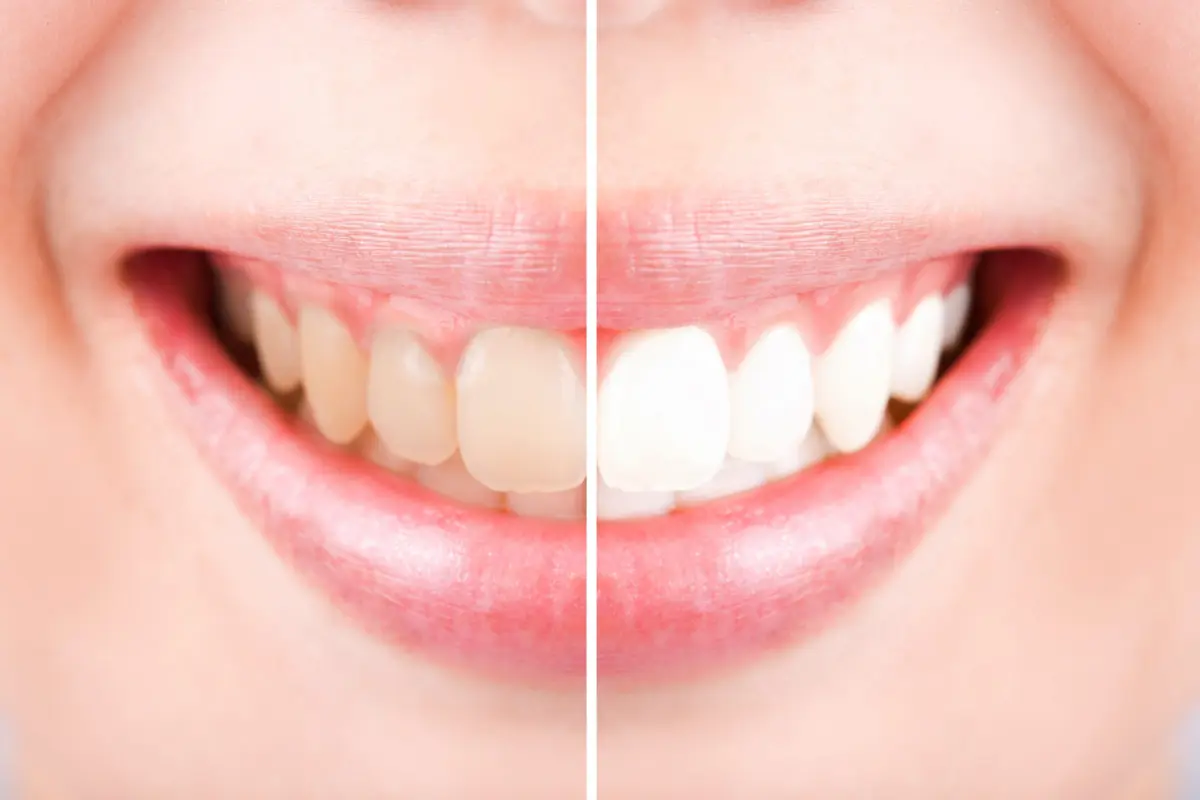

Executive Overview
Investing in cosmetic dentistry—whether through professional teeth whitening or the application of custom porcelain veneers—represents a significant commitment of both time and financial resources. For millions of individuals, achieving a bright, symmetrical, and radiant smile marks a transformative milestone, instilling newfound confidence in personal and professional interactions. However, the completion of a cosmetic dental procedure does not signal the end of dental maintenance; rather, it marks the beginning of a critical preservation phase.
In the immediate aftermath of cosmetic enhancements, teeth appear dazzling and veneers look impeccably smooth. Yet, everyday life inevitably intervenes. Dietary staples such as coffee, tea, and red wine, natural physiological processes like nocturnal bruxism (teeth grinding), and inconsistencies in personal oral hygiene can threaten the longevity of these treatments. Without a proactive maintenance strategy, the gleaming results of whitening and the structural integrity of veneers can degrade far faster than anticipated.
According to leading dental professionals, including trusted practitioners specializing in aesthetic restorations, cosmetic dentistry achieves its maximum aesthetic potential only when built upon a foundation of robust oral health. Preventive care serves as the ultimate shield for your investment, drastically minimizing the risks of staining, structural decay, gum disease, and premature mechanical failure. Rather than relying on sporadic, reactive interventions when problems arise, maintaining a brilliant smile requires a consistent, structured regimen of preventive dentistry. This comprehensive guide explores why preventive care is indispensable following whitening and veneers, identifies the primary threats to aesthetic longevity, analyzes the comparative advantages of proactive versus reactive care, and outlines actionable steps to preserve your dental investment for years to come.
Detailed Chronology: The Lifecycle of Cosmetic Dental Investments
Understanding how cosmetic dental treatments evolve over time helps patients anticipate potential vulnerabilities and address them before they compromise the aesthetic outcome. The lifecycle of whitening and veneers can be broken down into distinct chronological phases, each requiring specific care strategies.
Phase 1: The Immediate Post-Treatment Period (Months 0–6)
- The Honeymoon Phase: Immediately following professional whitening or veneer placement, the smile is at its peak brilliance. Patients experience a psychological boost, often hyper-aware of keeping their teeth clean.
- Initial Adaptation: For veneer patients, the mouth adapts to the presence of porcelain shells. Gums undergo a brief healing process around the margins.
- Vulnerability: Freshly whitened enamel is temporarily more porous and susceptible to chromogenic (staining) agents during the first 48 to 72 hours. Similarly, newly bonded veneers require careful management of bite pressure while the resin cement fully cures and stabilizes.
Phase 2: The Stabilization and Habit-Formation Phase (Months 6–24)
- Return to Routine: Real-life dietary and lifestyle habits resume. The initial hyper-vigilance fades, making consistent daily hygiene habits critical.
- Micro-Wear and Plaque Accumulation: Plaque and tartar begin to accumulate along the gumline and around the microscopic margins of veneers if brushing and flossing are inconsistent.
- Intervention Point: The first and second routine dental check-ups during this window allow general and cosmetic dentists to evaluate marginal integrity, polish out minor surface stains, and identify early signs of gum recession or nocturnal grinding.
Phase 3: Long-Term Maintenance and Preservation (Years 2 and Beyond)
- Enamel Aging and Natural Discoloration: Natural teeth surrounding veneers continue to age, influenced by genetics, diet, and systemic factors. Whitening treatments begin to fade as microscopic stains penetrate deeper enamel layers.
- Structural Stress: Years of chewing, occasional thermal shock (hot and cold foods), and unnoticed parafunctional habits (like clenching) place cumulative stress on porcelain restorations.
- Sustained Protection: Patients who integrate preventive care—such as custom nightguards, semi-annual professional cleanings, and touch-up whitening protocols—maintain optimal aesthetic results. Conversely, those who neglect preventive care face increased risks of marginal staining, recurrent decay beneath veneers, and the necessity of premature replacements.
Supporting Context & Metrics: The Anatomy of Aesthetic Degradation
To effectively protect cosmetic dental work, patients must understand the biological and chemical mechanisms that cause whitening and veneers to degrade over time. Cosmetic enhancements do not render teeth immune to the natural processes of oral disease and aging.
Why Preventive Care Matters After Whitening and Veneers
Many individuals mistakenly view whitening and veneers as definitive "finish work"—the final solution to all aesthetic imperfections. However, the underlying enamel, periodontal tissues (gums), dental occlusion (bite), and daily behavioral habits continue to dictate the health and appearance of the smile.
- Marginal Integrity and Plaque: Plaque is a sticky film of bacteria that constantly forms on teeth. If allowed to accumulate around the margins where veneers meet natural tooth structure, it creates an aesthetic and biological hazard. Bacterial byproducts can stain the adhesive margins, causing dark lines to appear, while simultaneously triggering gingivitis (gum inflammation).
- Reversion of Whitening Effects: Whitening agents alter the color of teeth by breaking down stain molecules within the enamel and dentin. However, they do not permanently seal the tooth against future discoloration. Consuming staining foods and beverages, smoking, and natural enamel thinning over time inevitably lead to a gradual return of discoloration.
- Mechanical Stress and Bruxism: Porcelain is exceptionally strong and mimics the translucent properties of natural enamel, but it is not indestructible. Nocturnal teeth grinding or jaw clenching exerts immense pressure—often exceeding hundreds of pounds per square inch—on the teeth. Without protective measures, this force can chip, fracture, or dislodge veneers.
Key Threats to Bright Smiles and Porcelain Restorations
| Threat Factor | Mechanism of Action | Impact on Whitening and Veneers |
|---|---|---|
| Dietary Chromogens | Coffee, tea, red wine, dark berries, and acidic foods deposit pigments and erode micro-layers of enamel. | Accelerates the fading of whitening treatments; causes staining around veneer margins. |
| Tobacco Use | Nicotine and tar particles penetrate microscopic pores in enamel and dental composites. | Rapid, severe yellowing and brown discoloration of natural teeth, creating a stark color mismatch with porcelain. |
| Inconsistent Hygiene | Inadequate brushing and flossing allow plaque and calculus to harden along the gumline. | Promotes gum inflammation, recession, and hidden decay beneath or around restorations. |
| Gingival Recession | Aging, aggressive brushing, or gum disease causes gum tissue to pull back from the teeth. | Exposes the root surfaces and the margins of veneers, disrupting the smile line and increasing sensitivity. |
| Parafunctional Habits | Teeth grinding (bruxism) and nail-biting exert excessive lateral and vertical forces. | Causes micro-fractures, chipping, or total debonding of porcelain veneers. |
Official Statements and Authoritative Guidelines
Health authorities and clinical organizations consistently emphasize that cosmetic dental enhancements must be supported by rigorous preventive maintenance to ensure long-term success.
The Centers for Disease Control and Prevention (CDC)
According to the CDC’s Oral Health Tips for Adults, maintaining optimal oral health requires a lifelong commitment to daily hygiene practices and routine clinical evaluations. The CDC stresses that preventive behaviors—such as brushing twice daily with fluoride toothpaste, flossing daily, and scheduling regular dental check-ups—are foundational not only for preventing tooth decay and periodontal disease but also for preserving the structural integrity and appearance of dental interventions. Neglecting these basics can lead to advanced oral diseases that compromise both functional health and aesthetic presentation.
MedlinePlus and Clinical Pathology
Data from MedlinePlus, a service of the U.S. National Library of Medicine, highlights the complex etiology of tooth discoloration. According to their clinical overviews on dental health, staining is categorized into extrinsic (surface stains caused by dietary habits and tobacco) and intrinsic (deeper changes within the tooth structure resulting from aging, trauma, medications, or childhood illness). Because staining originates from both surface accumulation and deeper structural changes, MedlinePlus underscores that effective maintenance requires a multifaceted approach that addresses both lifestyle habits and professional clinical care, rather than relying exclusively on over-the-counter cosmetic fixes.
Aesthetic Dentistry Consensus
Leading cosmetic dental clinicians note that the success of high-end restorations is inextricably linked to periodontal health. When gums remain healthy, firm, and properly contoured, they frame veneers naturally. When preventive care lapses and periodontal disease sets in, gum recession inevitably exposes the root structure and the restorative margins, necessitating complex remedial treatments that can disrupt or destroy the original aesthetic design.
Preventive Care vs. Reactive Care: A Comparative Analysis
When managing cosmetic dental investments, patients generally choose between two distinct philosophical approaches: proactive preventive care or reactive "wait-and-see" management.
| Approach | Clinical Definition | Operational Characteristics | Likely Effect on Whitening and Veneers | Long-Term Financial & Aesthetic Impact |
|---|---|---|---|---|
| Preventive Care | Proactive, scheduled maintenance combined with disciplined home hygiene. | Regular professional cleanings, bi-annual comprehensive exams, customized nightguards, and mindful dietary habits. | Preserves whitening brightness, minimizes staining, prevents gum recession, and protects restorations from chips and decay. | High Value: Protects the initial investment, reduces emergency dental visits, and ensures lasting aesthetic satisfaction. |
| Reactive Care | Waiting for visible failure, pain, or severe discoloration before seeking help. | Skipping routine dental visits, brushing inconsistently, and ignoring early signs of tooth sensitivity or nocturnal grinding. | Leads to heavy marginal staining, increased incidence of decay around veneers, gum disease, and unexpected chipping. | High Cost: Frequently results in expensive emergency repairs, premature veneer replacements, and compromised smile aesthetics. |
| DIY / Unsupervised Care | Relying exclusively on over-the-counter products and harsh home remedies. | Frequent use of abrasive whitening toothpastes, unverified whitening strips, and aggressive brushing techniques. | Increases dental hypersensitivity, creates uneven color mismatches around existing restorations, and wears away enamel. | Moderate to High Risk: Damages natural tooth structure and accelerates the breakdown of cosmetic bonding materials. |
The comparative data illustrates a clear reality: while preventive care requires consistent time and minor ongoing investment, it safeguards the substantial financial outlay of the initial cosmetic procedure. Conversely, a reactive mindset inevitably leads to higher long-term costs, physical discomfort, and aesthetic degradation.
Future Outlook: Modern Strategies for Sustainable Smile Maintenance
As dental technology continues to advance, the future of maintaining whitened teeth and porcelain veneers is shifting toward personalized, technology-driven preventive care. Patients are no longer left to guess how to care for their investments; modern clinical practices offer sophisticated tools to extend the lifespan of cosmetic work indefinitely.
1. Integration of Advanced Diagnostic Tools
Modern dental practices increasingly utilize digital intraoral scanners, high-resolution imaging, and laser fluorescence to detect microscopic micro-cracks, marginal leakage, and early enamel demineralization long before they become visible to the naked eye. By catching these subtle changes early, dentists can reinforce vulnerable areas without replacing entire restorations.
2. Tailored Maintenance Protocols
The future of smile maintenance relies on highly customized home-care regimens. Rather than generalized advice, patients receive bespoke maintenance plans based on their unique biological profile, dietary habits, and genetic predisposition to staining or bruxism. This includes custom-fitted occlusal splints (nightguards) fabricated using 3D printing technology to absorb nocturnal forces and protect porcelain veneers from fracture.
3. Biocompatible and Minimally Abrasive Products
The market for oral care products designed specifically for cosmetic restorations is expanding rapidly. Future-focused patients utilize specialized, low-abrasivity cleaning pastes, non-alcoholic antimicrobial rinses, and targeted remineralizing agents containing nano-hydroxyapatite. These advanced formulations strengthen the natural tooth structure surrounding veneers and maintain the reflective luster of whitening treatments without stripping away enamel or scratching porcelain surfaces.
4. Shifting the Paradigm: Care Over Stress
Ultimately, the future outlook for cosmetic dental patients centers on peace of mind. Maintaining a radiant smile does not require living in constant anxiety over every cup of coffee or missed flossing session. By embracing a philosophy of structured, consistent preventive care, patients can enjoy the fruits of their cosmetic investment for decades.
Your smile was designed to be celebrated, not stressed over. By partnering with a qualified general and cosmetic dentist and integrating proactive prevention into your daily routine, you ensure that your investment in whitening and veneers remains a source of enduring confidence and radiant health for years to come.