
Executive Overview
Long before a service dog dons a harness, guides a visually impaired individual through a bustling metropolitan intersection, or assists a veteran navigating post-traumatic stress, an intricate psychological and physiological foundation is quietly being laid. In the canine world, the adage "it starts from the beginning" is not merely a sentiment; it is a neurological reality. The opening 90 days of a puppy’s life represent a profound developmental window—a critical epoch that dictates how a young dog will perceive, interpret, and react to the world around them.
For specialized organizations dedicated to breeding and training elite assistance animals, such as Dogs Inc, understanding and optimizing this initial triad of months is central to their mission. The organization relies on an army of dedicated volunteer puppy raisers, temporary puppy sitters, and community coordinators who serve as the architects of these dogs’ earliest experiences. This comprehensive report explores the science of early canine development, the meticulous socialization strategies deployed during the first 90 days, the vital role played by volunteer communities, and the long-term impact these formative weeks have on transforming ordinary pups into extraordinary lifesavers.
Detailed Chronology: The Blueprint of Early Canine Development
To comprehend the magnitude of the first 90 days, one must examine the rapid, sequential stages of canine maturation. Puppies do not merely grow in physical stature during this period; their brains undergo massive structural developments that govern emotional resilience, impulse control, and cognitive adaptability.
Days 1 to 21: The Neonatal and Transitional Phases
In the absolute earliest days of life, a puppy’s world is defined by warmth, nourishment, and sleep. Born blind, deaf, and entirely dependent on their mother, neonatal puppies experience a sensory-restricted environment. However, neurological activity is already occurring beneath the surface. Early neurological stimulation protocols—often involving gentle handling, tactile sensations, and minor thermal shifts—help prime the cardiovascular and adrenal systems for future stress resilience.
As puppies cross into the transitional phase (roughly days 14 to 21), their eyes and ears open. Littermates begin interacting through clumsy play, and the foundations of canine communication—such as learning canine body language and bite inhibition—begin to take root.
Days 22 to 49: The Core Socialization Window
Opening wide between the third and seventh weeks, the primary socialization window is arguably the most critical juncture in a dog’s life. During this phase, neuroplasticity is at its peak. The brain is uniquely primed to accept novelty rather than fear it.
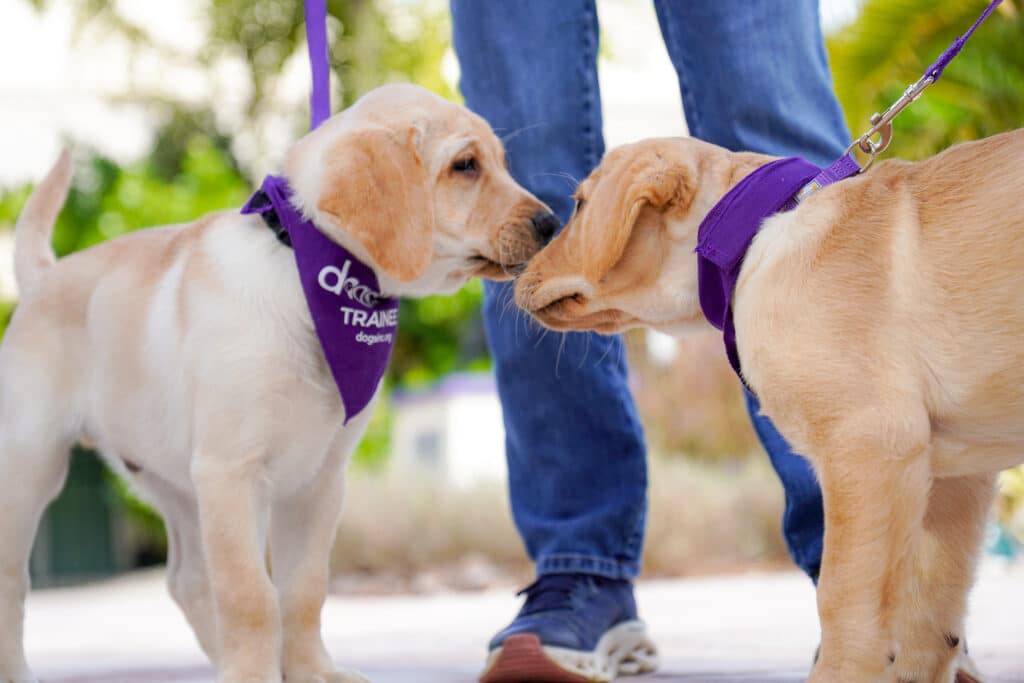
At Dogs Inc, this period marks a vital transition from the whelping box to structured human interaction and environmental exploration. Pups are introduced to varied floor textures (tile, carpet, gravel, metal grates), gentle household sounds (blenders, vacuum cleaners, doorbells), and a wide array of human handlers. Every positive exposure deposits a coin into the puppy’s emotional "savings account," teaching them that unfamiliar stimuli equate to safety rather than danger.
Days 50 to 90: Building Independence and Foundations
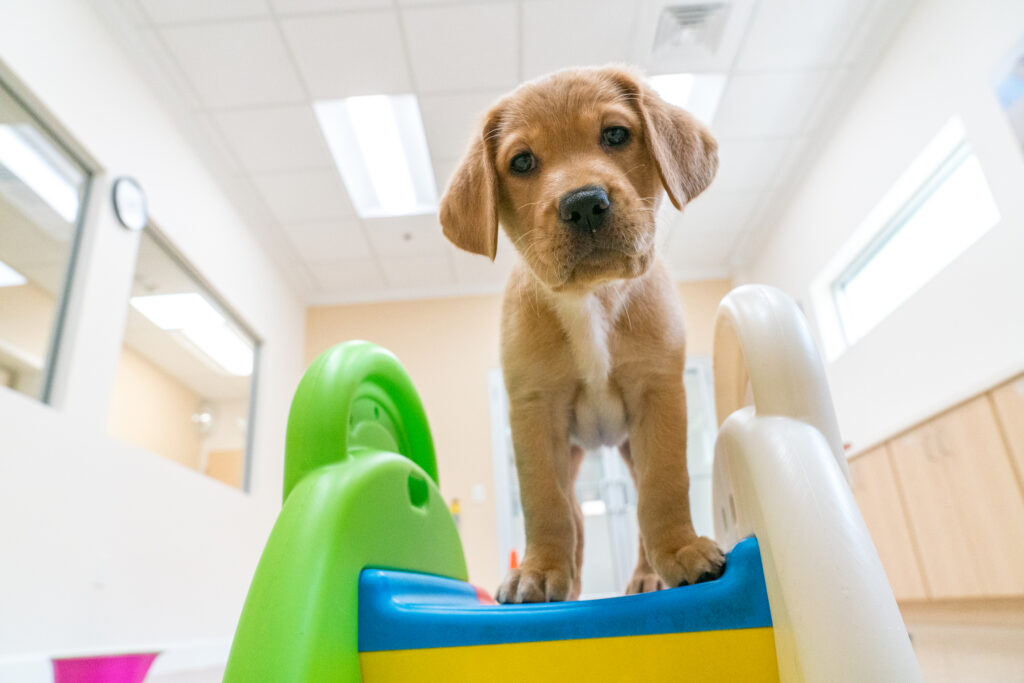
As puppies approach the two- and three-month marks, they exhibit increased curiosity, problem-solving capabilities, and the capacity for elementary learning. This is when formal routines solidify. Crate training, house manners, and early leash introduction become part of daily life.
During these weeks, future service dog puppies begin learning that human cues are meaningful and rewarding. Rather than overwhelming the young dogs, professional breeding and raising programs carefully calibrate these experiences, ensuring that every new challenge is met with positive reinforcement and emotional support.
Supporting Context & Metrics: The Science Behind the Socialization
The emphasis on the first 90 days is backed by decades of behavioral science and veterinary research. Canine behaviorists have consistently demonstrated that dogs lacking adequate socialization before 12 weeks of age exhibit significantly higher rates of generalized anxiety, noise phobias, and reactive behaviors later in life.
The Neurobiology of Novelty
During the critical socialization period, the puppy’s brain produces high levels of neurotransmitters that facilitate learning and memory formation. Simultaneously, the fear response system is not yet fully mature, allowing puppies to process novel environments without entering a state of chronic panic. If a puppy encounters a strange object—such as an umbrella opening or a skateboard rolling by—during this window and navigates it safely, neural pathways are formed that foster lifelong adaptability.
Conversely, missing this window can lead to "defensive hyper-vigilance." When an unsocialized adult dog encounters novelty, the amygdala triggers an immediate fight-or-flight response. For a service dog expected to remain completely calm in crowded airports, medical facilities, and bustling streets, this emotional resilience is non-negotiable.
Quantitative Indicators of Success
Organizations tracking long-term outcomes in assistance dog pipelines have identified clear correlations between early-stage exposure metrics and graduation rates:
- Diversity of Exposure: Pups that interact with a minimum of 50 distinct human figures (varying in age, ethnicity, attire, and vocal tones) during their first 90 days demonstrate a 30% reduction in startle recovery times during public access evaluations.
- Acoustic Desensitization: Graduated exposure to ambient urban noise drastically lowers baseline cortisol levels in adolescent service dogs when they are later introduced to real-world working environments.
- Structural Consistency: Pups raised within structured feeding, sleeping, and elimination routines show superior cognitive stamina during advanced obedience and task-training phases.
Official Statements: Perspectives from the Front Lines of Puppy Development
The intricate process of shaping a service dog cannot be accomplished within the confines of a corporate kennel; it requires a dedicated community. Leaders and volunteers at Dogs Inc emphasize that the success of these animals is a collective endeavor.
"By the time most people meet a puppy, important learning has already begun," notes the leadership team at Dogs Inc. "The first 90 days are a major part of puppy development, shaping how a young puppy responds to the world, builds confidence, and develops lifelong behaviors. During these early stages, puppies absorb information like sponges. Everyday experiences—from meeting new people to hearing unfamiliar sounds—help puppies begin developing emotional resilience, curiosity, and trust."
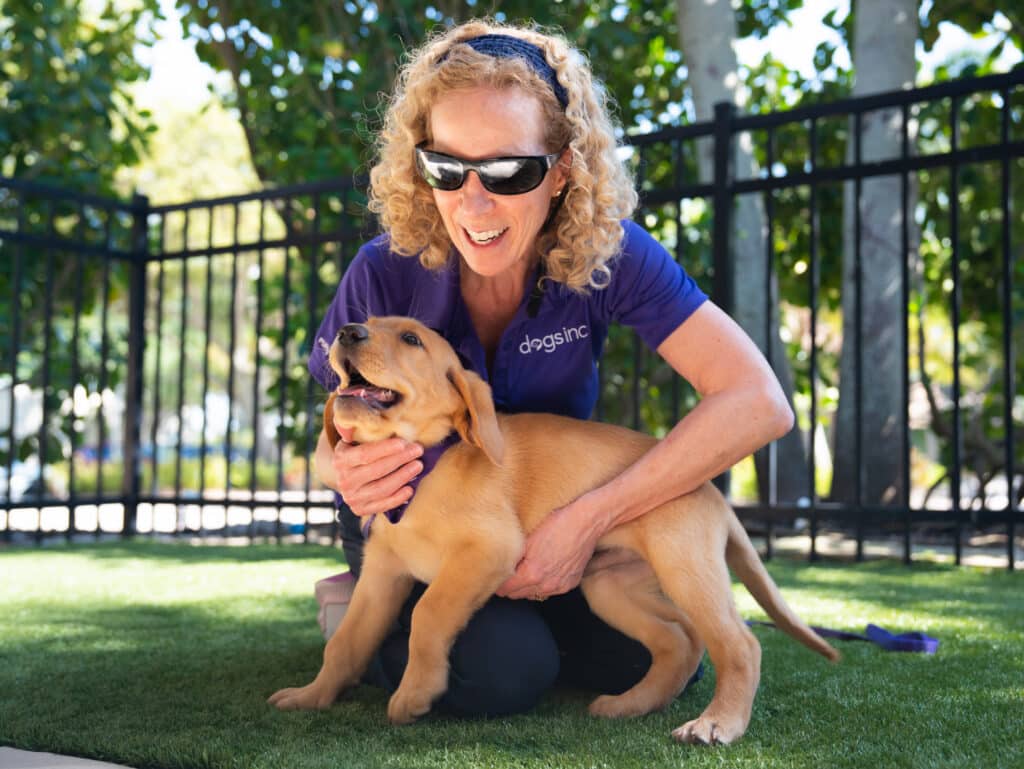
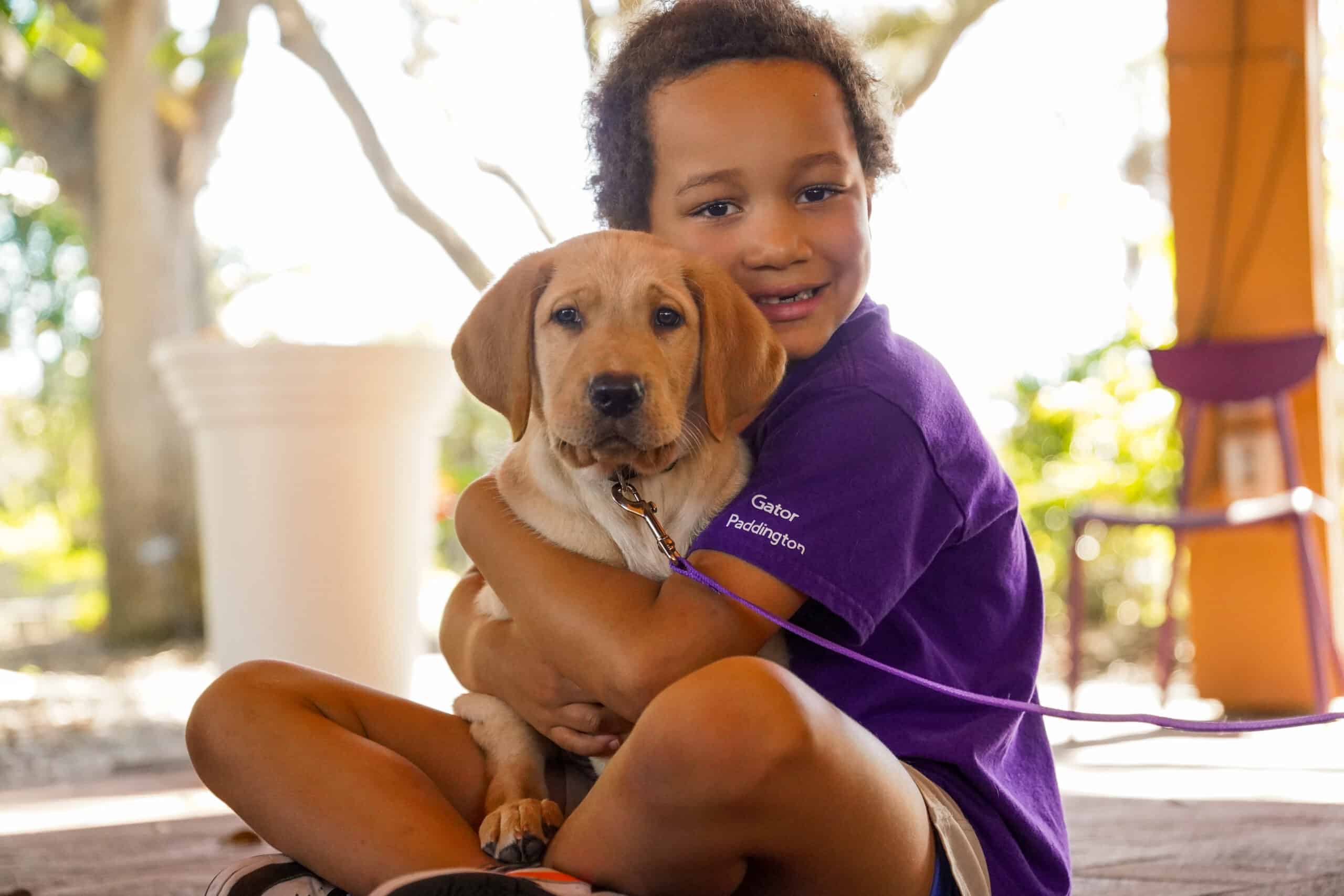
The commitment required from the volunteer network is substantial, yet deeply rewarding. Volunteer puppy raisers, sitters, and area coordinators form an intricate support system.
"Volunteer puppy raising is hard work, but it is one of the most profoundly rewarding experiences imaginable," shares a seasoned Dogs Inc volunteer coordinator. "Our raisers aren’t just teaching puppies how to sit or stay; they are teaching them how to think, how to recover from surprises, and how to trust humans implicitly. Every walk through a shopping center, every calm moment in a crate, and every gentle correction builds the emotional foundation these dogs will rely on when they eventually partner with an individual in need."
Industry experts also stress that future pet owners can glean invaluable lessons from service dog raising methodologies. Patience, consistency, and a proactive approach to socialization are universally applicable principles that can drastically improve the welfare and behavior of companion animals across the board.
Future Outlook: The Lifelong Impact of Early Foundations
As the landscape of assistance dog training continues to evolve, organizations like Dogs Inc are increasingly focusing research and resources on the pre-adoption and early-rearing phases. The goal is clear: refine early developmental protocols to maximize the operational longevity and emotional stability of every graduate.
Scaling Community-Based Raising Programs
The demand for certified guide dogs and service dogs continues to outpace supply. To meet this need, the expansion of volunteer networks is paramount. Future initiatives focus on providing puppy raisers with enhanced digital tools, real-time behavioral tracking metrics, and continuous educational resources. By standardizing the tracking of early milestones—such as crate acclimation success and environmental recovery speeds—organizations can identify potential behavioral deviations earlier and adjust training plans accordingly.
Bridging the Gap Between Foundation and Advanced Training
The transition from a volunteer puppy raiser’s home to advanced professional training is a critical juncture. Because the first 90 days instill a deep-seated trust in human guidance and environmental adaptability, dogs exiting these programs enter formal training with a distinct advantage. They are not fighting fear or hesitation; instead, they are primed to learn complex physical tasks, specialized navigation skills, and life-saving intervention behaviors.
Ultimately, the small, seemingly mundane moments of a puppy’s early life—a rustling bag, a smooth floor surface, a gentle pat from a stranger—accumulate into something monumental. They build a bridge of trust between species. Through the tireless efforts of organizations like Dogs Inc and their dedicated volunteer communities, the first 90 days cease to be just the beginning of a dog’s life; they become the bedrock of independence, dignity, and transformed futures for individuals relying on a trusted canine partner.