
Executive Overview
When the average person conjures an image of a guide dog leading a visually impaired individual through a bustling transit hub, or a service dog quietly anchoring a person with post-traumatic stress in a crowded grocery store, the silhouette that almost invariably springs to mind is that of a Labrador Retriever.
This is no accident of cultural imagination. For decades, the Labrador Retriever has served as the undisputed cornerstone of guide and service dog programs globally. Organizations dedicated to breeding, raising, and training elite assistance animals—such as Dogs Inc—rely heavily on the breed. This long-standing preference is built upon a remarkably rare psychological and physiological convergence: emotional stability, high trainability, exceptional adaptability, and an innate, profound drive to work in close partnership with humans.
Yet, behind every polished working dog lies a rigorous, highly selective ecosystem of breeding, multi-year developmental tracking, and individualized evaluation. While the Labrador Retriever genotype provides a foundational advantage, breed alone does not guarantee a career in public service. This report investigates the intersection of genetics, specialized training, healthcare, and human psychology that allows Labrador Retrievers to excel as life-changing working dogs, examining what it takes to transform a playful puppy into an indispensable canine professional.

Detailed Chronology: From Puppyhood to Partnership
The journey of an elite Labrador Retriever guide or service dog does not begin in a training facility with rigid obstacle courses; it starts in the quiet, controlled environment of a whelping box and spans years of progressive, methodical development. Understanding this trajectory reveals why early intervention is critical to shaping the adult working dog.
Phase 1: Early Neurological Stimulation and Neonatal Development (Weeks 0–8)
Long before formal obedience enters the picture, Labrador puppies undergo structured sensory exposure. Reputable breeding programs introduce neonates to novel textures, gentle handling, and diverse auditory stimuli. This early exposure helps wire the puppy’s central nervous system to recover quickly from startling events—a crucial trait for adult dogs navigating unpredictable urban environments.
Phase 2: Puppy Raising and Socialization (Months 2–12)
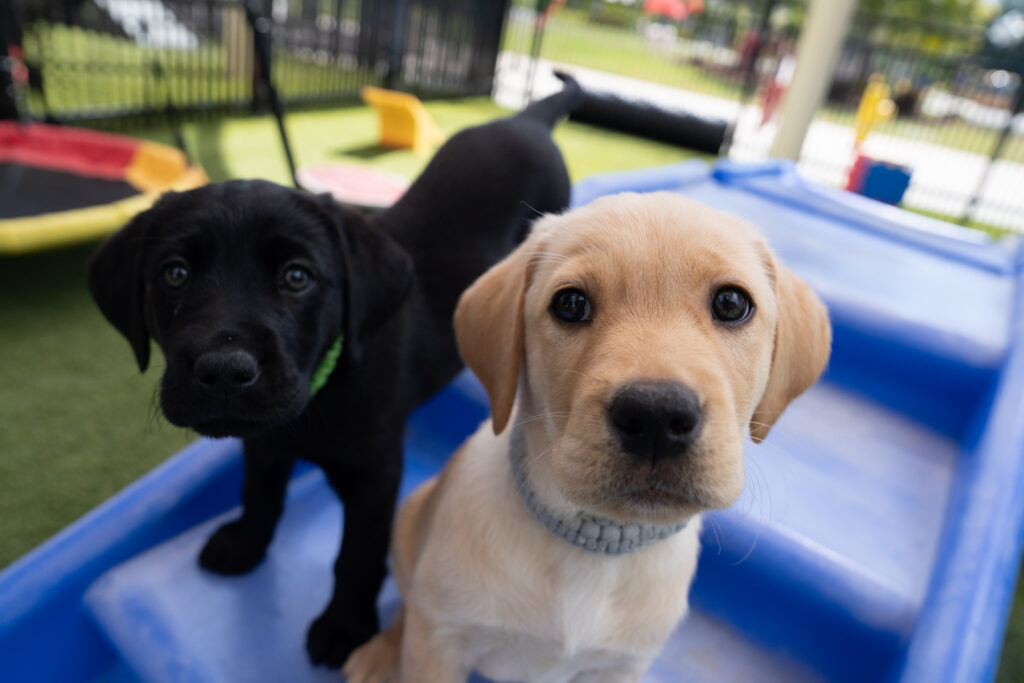
Around eight weeks of age, puppies transition from breeding stock to volunteer "Puppy Parents." This phase represents the bedrock of future success. Handlers introduce the growing Lab to a kaleidoscope of environments:
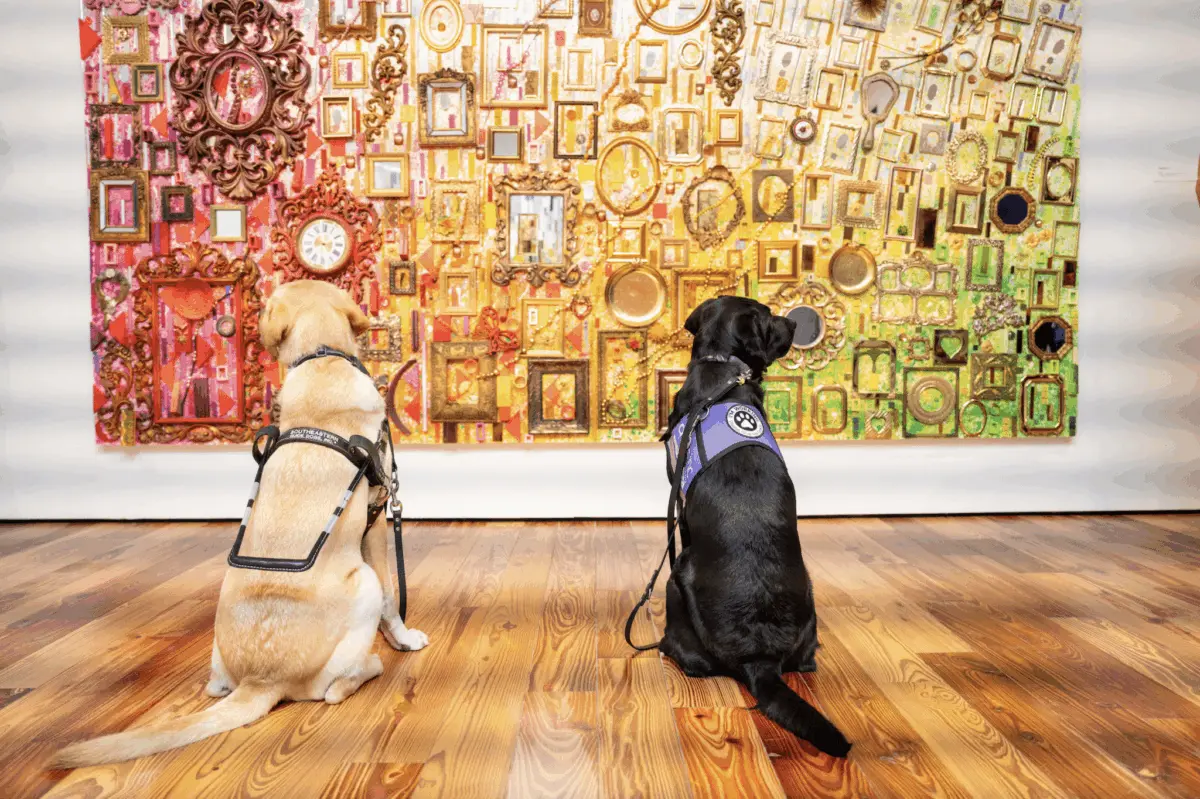
- Public Access Simulation: Exposing the puppy to shopping centers, elevators, public buses, and medical clinics.
- Distraction Proofing: Teaching the dog to maintain focus amidst dropping items, loud children, sudden sirens, and bustling crowds.
- Foundational Manners: Enforcing crate training, housebreaking, and impulse control.
During this window, adolescent Labradors often display a trademark exuberance. Because the breed can retain puppy-like behaviors up to three years of age, volunteer handlers must practice immense patience and consistency, reinforcing positive behaviors while curbing natural impulsivity.
Phase 3: Advanced Professional Training (Months 12–18+)
Once dogs reach physical and emotional maturity, they return to specialized training centers for advanced instruction. Here, professional trainers transition general obedience into complex, task-specific labor:
- Guide Dog Tracks: Canines learn intelligent disobedience—the ability to safely override a handler’s command if executing it would lead into danger, such as walking into oncoming traffic or stepping off an unobserved platform. They master curb checks, obstacle clearance, and straight-line travel.
- Service Dog Tracks: Canines learn customized mitigation tasks, which may include retrieving dropped mobility devices, alerting to medical episodes, applying deep pressure therapy during panic attacks, or creating a physical buffer in crowded rooms.
Phase 4: Matching and Team Training (Final Stages)
The culmination of the chronological pipeline is the matching process. Organizations conduct exhaustive evaluations to pair a specific dog’s temperament, pace, and energy level with an applicant’s lifestyle, gait, and living situation. Once matched, the handler and dog undergo intensive on-campus and in-community team training, learning to move as a singular, synchronized unit.

Supporting Context & Metrics: The Science of Canine Selection
To appreciate why Labrador Retrievers dominate the assistance landscape, one must examine the metrics of selection used by leading training institutions. Organizations do not accept every Lab that is whelped; attrition rates can range from 30% to 50% across programs, underscoring that individual metrics matter far more than mere pedigree.
Key Behavioral Metrics Evaluated in Working Candidates
- Recovery Latency: How quickly a dog returns to baseline emotional composure after encountering a startling stimulus (e.g., a backfiring truck or a dropped metal tray). Labs frequently score exceptionally high in rapid recovery.
- Environmental Confidence: The dog’s willingness to investigate novel floor surfaces (grates, slick tile, metal stairs) and unfamiliar spatial layouts without freezing or bolting.
- Bite Inhibition and Social Tolerance: Absolute baseline requirements ensuring zero human- or animal-directed aggression, coupled with the capacity to remain calm when approached by petting publics or unfamiliar dogs.
- Energy Regulation (The "Off Switch"): The ability to transition instantly from high-alert working focus in a bustling airport terminal to absolute stillness under a restaurant table or office desk for hours at a time.
Historical and Demographic Context
According to long-standing data from the American Kennel Club (AKC), the Labrador Retriever has maintained its status as one of the most beloved and numerically dominant breeds in the United States. This popularity is rooted in utility. Descended in part from the Lesser Newfoundland—working water dogs utilized by Canadian fishermen—modern Labs retain an inherited affinity for retrieving, carrying items, and working in tandem with human handlers.
While other breeds, most notably Golden Retrievers and German Shepherds, make stellar contributions to the assistance field, the Labrador’s short, manageable coat, robust health, and steady demeanor have cemented its status as the numerical backbone of the industry.

Official Statements and Industry Insights
Experts within the working dog community emphasize that breeding and training an assistance dog is both a science and an art. The philosophy of organizations like Dogs Inc centers on the holistic evaluation of the animal as a sentient individual rather than a product of genetics alone.
"When we evaluate a dog for our programs, we are looking past the breed standard and deep into the individual psyche," notes an institutional trainer specializing in guide dog development. "A Labrador Retriever gives us a fantastic head start because of their eagerness to please and their natural inclination toward human partnership. However, every single puppy must pass rigorous milestones in emotional resilience and problem-solving. If a dog lacks the internal confidence to make independent safety decisions, no amount of training will make it a guide dog."
Industry leaders also stress the importance of the human-canine bond as an active therapeutic agent.
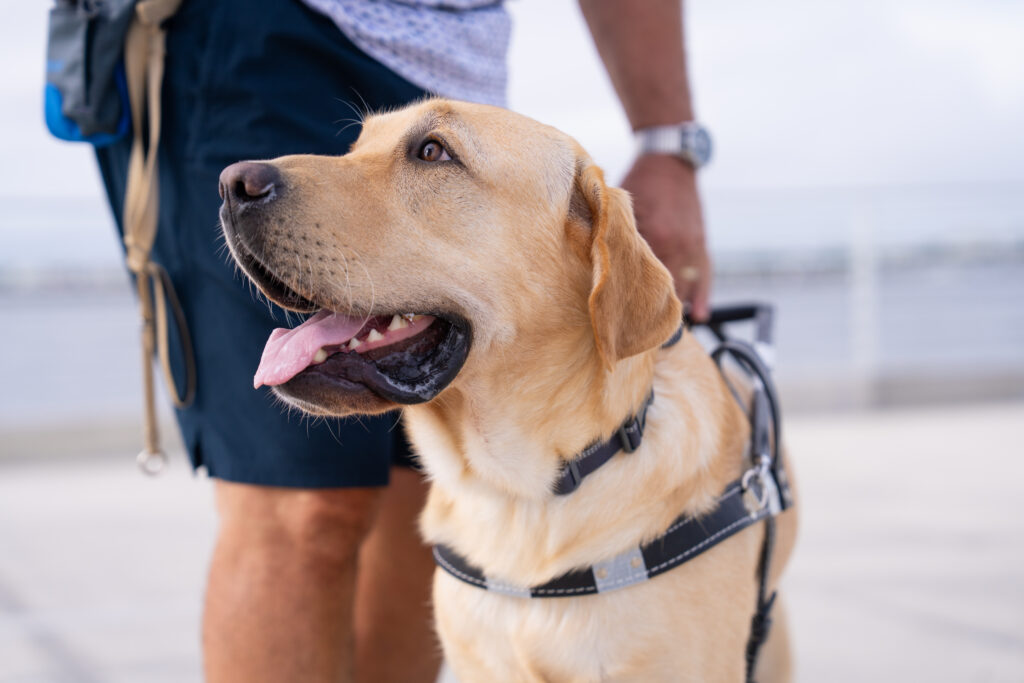
"A guide or service dog is never merely a biological tool or a mobility appliance," explains an assistance dog placement coordinator. "They are living, breathing partners. The magic of the Labrador Retriever is its capacity to form deep, reciprocal emotional attachments with handlers. That trust is what allows a visually impaired person to walk down a crowded city street with absolute peace of mind, knowing their partner is looking out for their safety every step of the way."
Furthermore, veterinary science plays an ongoing role in official standards. Major training institutions enforce stringent health screening protocols to protect the working life of the animal. Because Labradors can be prone to inherited structural concerns, responsible programs implement rigorous generational screening for:
- Hip and elbow dysplasia
- Progressive retinal atrophy (PRA)
- Hereditary myopathy and cardiac conditions
Maintaining structural soundness ensures that an adult Lab—typically weighing between 55 and 80 pounds—can comfortably perform demanding physical tasks for an average working career spanning 7 to 10 years without enduring chronic joint pain.
Future Outlook: Evolution in Assistance Dog Breeding and Training
As society evolves, so too do the demands placed upon guide and service dogs. The future of working Labradors points toward increasingly specialized training methodologies, data-driven candidate selection, and a heightened emphasis on animal welfare.
1. Data-Driven Early Screening
Emerging protocols in canine development are leveraging behavioral telemetry and early cognitive testing. By analyzing puppy problem-solving strategies, heart-rate variability during novel exposures, and play styles as early as six to eight weeks of age, breeding programs can predict working potential with greater statistical accuracy, reducing resource expenditure on candidates better suited for alternative careers or companion homes.
2. Expanding Scope of Service Tasks
While traditional roles focused primarily on physical navigation and retrieval, modern Labrador service dogs are increasingly trained to mitigate complex psychological and neurological conditions. From alerting to oncoming autonomic nervous system dysregulation in veterans with PTSD to managing episodic conditions like epilepsy, the cognitive versatility of the Labrador Retriever ensures it will remain at the cutting edge of medical assistance work.
3. Career Transition Pathways ("Career Changes")
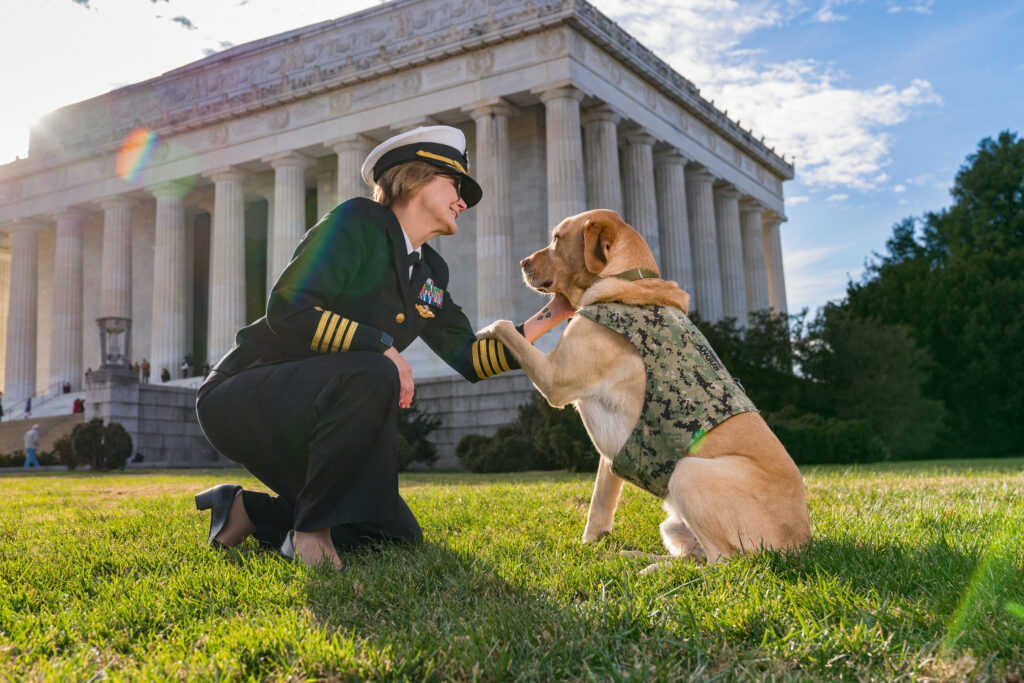
Not every Labrador puppy entering a training program crosses the finish line as a certified guide or service dog. The industry increasingly embraces transparent, supportive pathways for "career-changed" dogs. Whether placed as facility dogs, search-and-rescue candidates, or cherished family pets, these dogs still fulfill vital societal roles, ensuring that every animal bred for the mission leads a purposeful and valued life.
Conclusion
The Labrador Retriever’s reign as the quintessential guide and service dog is not a byproduct of marketing or fleeting trends; it is the earned result of centuries of selective breeding, matched with modern behavioral science and rigorous institutional training. By uniting unwavering loyalty, extraordinary emotional stability, and high cognitive adaptability, the Labrador Retriever continues to transform independence into reality for thousands of handlers worldwide.
For those wishing to witness this remarkable journey firsthand, organizations like Dogs Inc invite the public to explore their campuses, meet the trainers and puppy raisers, and observe the meticulous evolution from a curious, clumsy puppy into a dignified, life-changing canine professional.