
Executive Overview
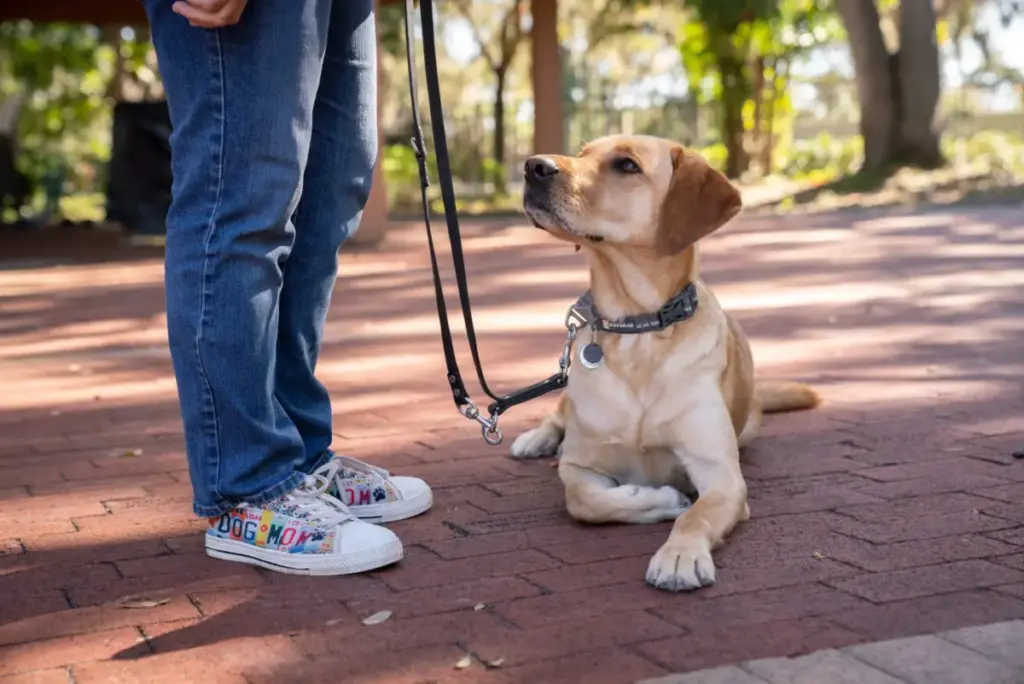
When an exceptionally calm, impeccably focused Labrador Retriever or German Shepherd glides through the bustling corridors of an airport, a crowded supermarket, or a high-end restaurant, it is entirely natural for onlookers to feel a surge of warmth. These working animals display a level of composure, emotional stability, and environmental awareness that sets them miles apart from ordinary household pets. To the untrained eye, a service dog resting quietly beside a patron appears approachable, friendly, and perhaps even eager for a quick scratch behind the ears or a reassuring word of praise.
However, beneath this serene exterior lies a highly sophisticated, rigorously coordinated working partnership. For individuals living with physical, sensory, or neurological disabilities, a service dog is not merely a companion—it is an indispensable lifeline, an autonomous medical tool, and an active guardian of independence.
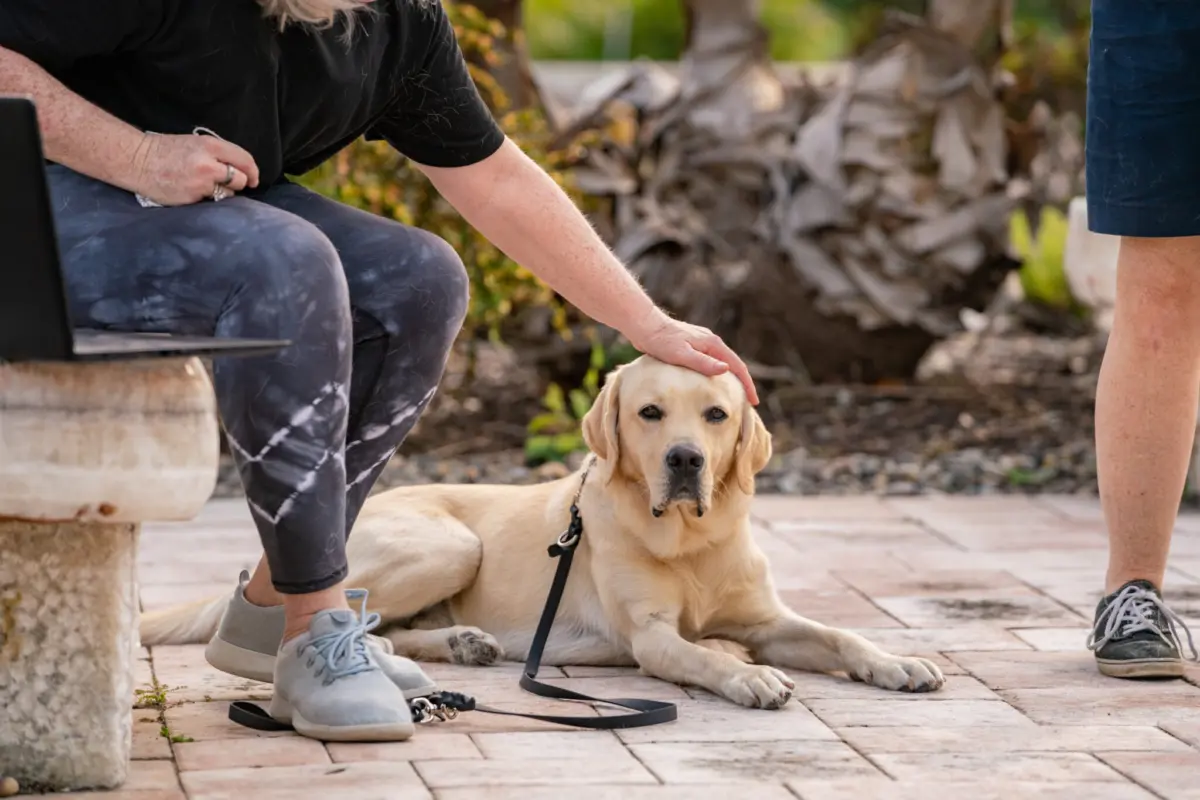
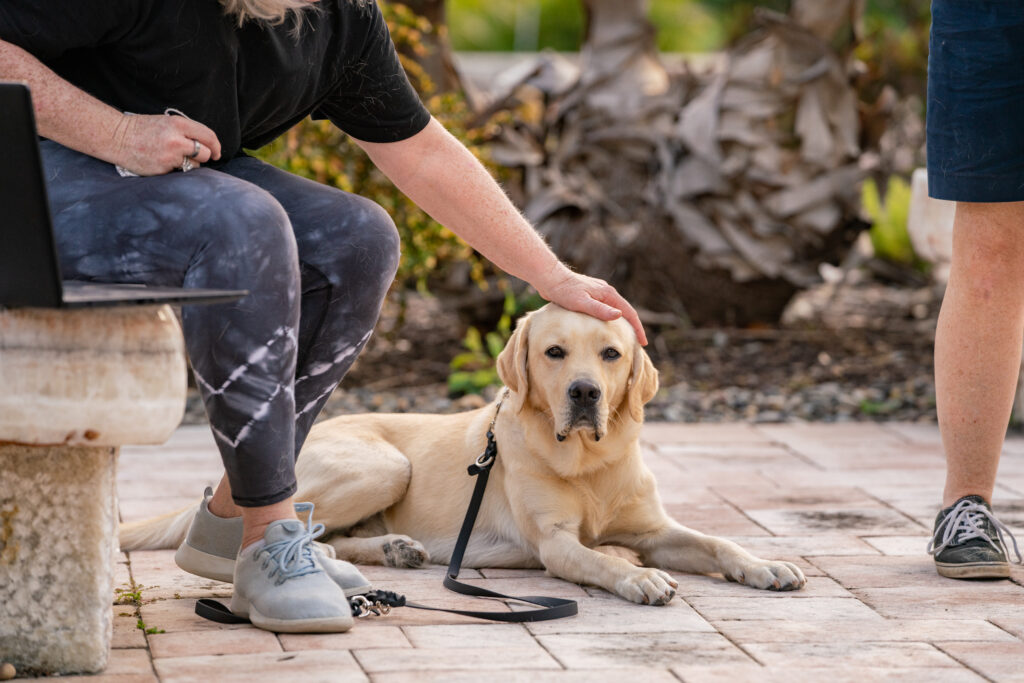
When well-meaning members of the public approach, pet, whistle at, or otherwise distract a working service dog, the consequences extend far beyond a momentary breach of etiquette. Such seemingly harmless interruptions can sever a critical stream of communication between handler and animal, potentially jeopardizing safety, disrupting medical alert protocols, and undermining months or even years of intensive professional training. This comprehensive report examines the legal definitions, psychological dynamics, operational realities, and societal responsibilities surrounding service dog interactions, offering an authoritative guide to proper public etiquette.
Detailed Chronology and Evolution of Service Animal Integration
To fully understand modern service dog etiquette, it is essential to trace how these specialized animals transitioned from isolated working roles into fully integrated members of modern civic society. The trajectory of assistance dogs is a testament to evolving medical standards, legal frameworks, and societal attitudes toward disability inclusion.
The Mid-20th Century: The Birth of Formal Guide Work
While dogs have assisted humans in various capacities for millennia, the formal institutionalization of service dogs began in earnest following World War I in Europe, where organized schools were established to train guide dogs for blinded veterans. In the United States, this movement gained national prominence in the late 1920s through the pioneering efforts of Morris Frank and his German Shepherd, Buddy, imported from the pioneering European training models. During this era, the public perception of assistance animals was strictly utilitarian: dogs were viewed almost exclusively as "eyes" for the visually impaired. Consequently, public spaces rarely accommodated them, and handlers faced persistent legal and social barriers when attempting to enter commercial establishments.
The Legislative Turning Point: The Americans with Disabilities Act (1990)
The modern legal landscape for service animals was fundamentally revolutionized with the passage of the Americans with Disabilities Act (ADA) of 1990. For the first time, federal law codified the rights of individuals with disabilities to be accompanied by their service animals in all areas where the general public is permitted to go. Crucially, the ADA expanded the definition of service animals beyond guide dogs to encompass a wide array of specialized tasks. This legislative milestone shifted public spaces from exclusion to integration, forcing businesses, transportation networks, and civic institutions to adapt their policies.
The Diversification of Roles (2000s–Present)
Over the past three decades, advances in animal behavior science and specialized training methodologies have dramatically broadened the scope of service dog work. Today, assistance animals are no longer restricted to guiding the visually impaired. Modern service dogs are deployed to assist individuals with:
- Mobility impairments: Retrieving dropped objects, opening and closing doors, pulling wheelchairs, and providing bracing support.
- Medical alert needs: Detecting oncoming diabetic crises, epileptic seizures, or cardiac episodes through acute olfactory senses.
- Psychological and neurological disabilities: Providing deep pressure therapy (DPT) for post-traumatic stress disorder (PTSD), interrupting panic attacks, and navigating environments for individuals on the autism spectrum.
As the population of working dogs grew exponentially, so did the frequency of public interactions. This rise in public encounters necessitated a parallel evolution in civic education, moving from simple tolerance of working animals to a sophisticated public understanding of operational boundaries and respectful distance.
Supporting Context & Metrics: The Anatomy of a Working Partnership
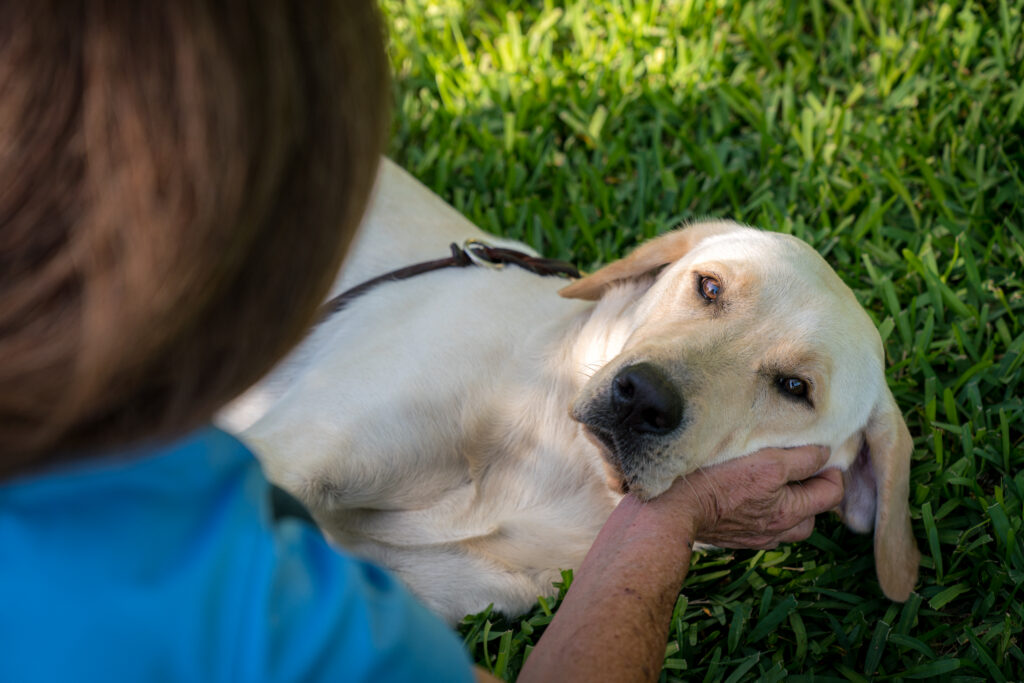
To appreciate why public distraction poses such a severe hazard, one must examine the rigorous selection, training, and operational dynamics that define a qualified service dog team.
Selection and Training Rigor
The journey of a service dog begins long before it is paired with a handler. Organizations such as Dogs Inc and other elite training institutions utilize stringent breeding and evaluation programs. Only a fraction of candidate dogs—often less than 50%—successfully complete the rigorous curriculum.
- Socialization Phase: From puppyhood, candidates are exposed to chaotic urban environments, strange noises, varied floor textures, and unexpected crowds to test and build environmental stability.
- Task Mastery: Dogs undergo thousands of hours of specialized training to master specific mitigation tasks tailored to the unique physical or neurological needs of future handlers.
- Distraction Proofing: Trainers systematically test the dog’s ability to maintain focus amidst high-value distractions, such as falling food, roaming pets, and direct human solicitation.
The Cost of Interruption: Metrics of Cognitive Load
While a service dog appears relaxed, its brain is operating in an active operational state. Handlers and behaviorists emphasize that canine attention is a finite resource. When a stranger initiates contact with a working dog, several psychological and physiological shifts occur:
- Dopamine and Cortisol Spikes: Interaction triggers a hormonal reward response in the dog, shifting its internal drive from "work mode" to "play/social mode."
- Latency in Task Execution: Studies in working animal psychology indicate that even a three-second distraction can create a cognitive latency period of up to several minutes, during which the dog’s situational awareness is compromised.
- Compromised Vigilance: For medical alert dogs, constant environmental scanning is vital. A momentary lapse caused by a petting hand can result in a missed olfactory or behavioral cue, potentially delaying a life-saving medical alert.
Official Guidelines and Legal Frameworks
Navigating public spaces alongside a service dog involves a delicate balance of civil rights, municipal regulations, and established codes of conduct.

What the ADA Dictates
Under Title III of the ADA, places of public accommodation must permit service animals to accompany people with disabilities in all areas where customers are allowed. However, the law also establishes clear boundaries regarding operational control:
- Control Requirement: The service dog must be harnessed, leashed, or tethered at all times, unless these devices interfere with the service animal’s work or the individual’s disability prevents using them. In that case, the individual must maintain control of the animal through voice, signal, or other effective controls.
- Exclusion Rights: A business has the legal right to ask a handler to remove a service dog from the premises if the dog is out of control and the handler takes no effective action to control it, or if the dog is not housebroken.
- Inquiry Limitations: Staff in public establishments are legally restricted to asking only two questions when it is not obvious what service the dog provides:
- Is the service animal required because of a disability?
- What work or task has the dog been trained to perform?
Note: Staff are strictly prohibited from asking about the nature of the person’s disability, requiring medical documentation, or demanding that the dog demonstrate its task.
Etiquette Protocols for Businesses and Public Institutions
For commercial enterprises, healthcare facilities, and hospitality venues, fostering an inclusive environment requires more than passive compliance; it demands active staff awareness:
- Treat the Handler Normally: Greet the human patron as you would any other guest. Avoid cooing at, whistling to, or acknowledging the dog in a way that encourages distraction.
- Maintain Clear Pathways: Ensure that aisles and seating arrangements accommodate the physical space required by the team.
- Never Feed the Dog: Under no circumstances should staff or patrons offer food, treats, or table scraps to a working animal, as dietary disruptions can cause severe health issues or compromise training protocols.
Future Outlook: Technology, Education, and the Next Era of Accessibility
As society continues to evolve, the integration of service dogs faces new frontiers characterized by technological advancements, shifting urban dynamics, and enhanced public education campaigns.
The Rise of Digital and Hybrid Assistance Tools
In the coming decades, the intersection of assistive technology and canine support will redefine how handlers navigate the world. Wearable biometric sensors for medical alert handlers are increasingly being synchronized with service dog behaviors, creating a dual-layer monitoring system. Furthermore, advancements in augmented reality (AR) navigation systems for the visually impaired are pairing seamlessly with guide dog routing algorithms. Despite these technological strides, the sentient, adaptable decision-making capacity of a well-trained service dog remains irreplaceable by artificial intelligence or robotics.
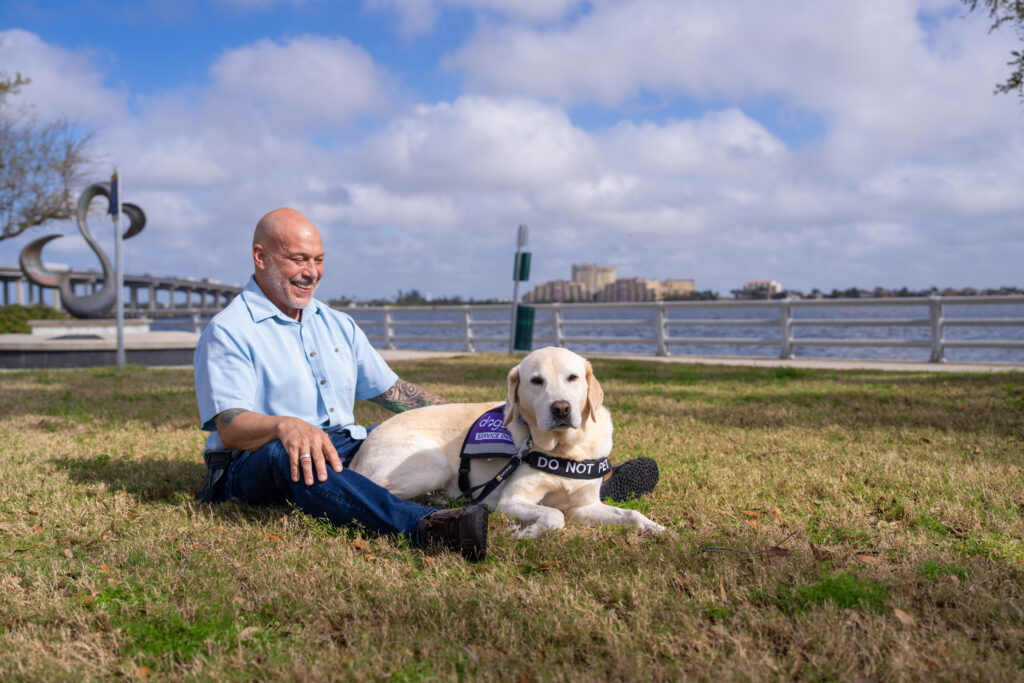
Expanding Public Education Initiatives
The future of service dog accessibility hinges heavily on proactive public education. Organizations dedicated to breeding, training, and placing service dogs are heavily investing in community outreach programs—ranging from school-based curricula that teach children proper animal etiquette to corporate training modules for customer-facing employees.
The core message of these initiatives remains uniform and clear: Always ask first.
By reframing public curiosity into respectful observation, society can ensure that service dogs remain safe, focused, and fully capable of executing their life-changing duties. When we choose to "talk to the person, not the dog" and honor the invisible line of the working partnership, we collectively champion the independence, dignity, and safety of individuals with disabilities across the globe.