
Executive Overview
In the fast-paced environment of a professional pet grooming salon, routine procedures can occasionally escalate into critical medical emergencies within a matter of seconds. For pet care professionals, the difference between a tragic outcome and a miraculous recovery often hinges on one vital variable: specialized emergency preparedness training.
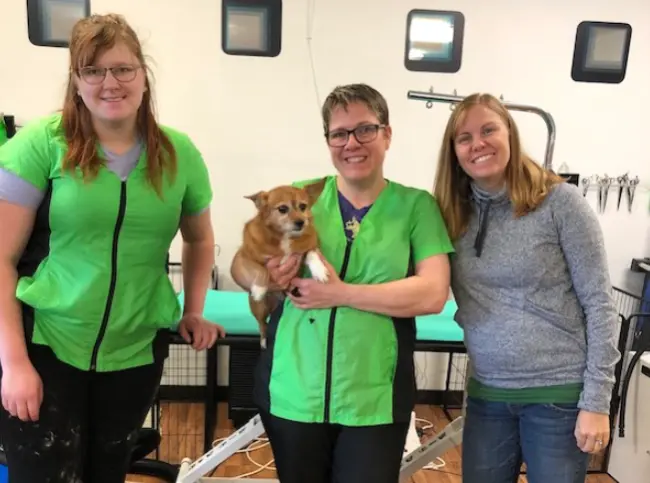
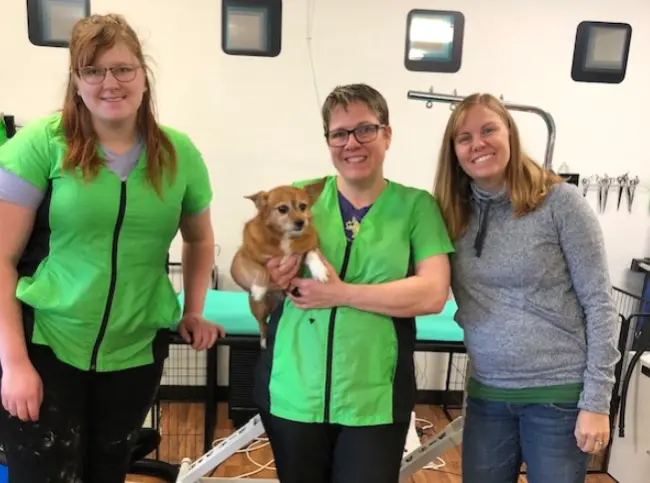
This reality was brought into sharp focus during a harrowing incident at a professional grooming facility, where a canine client named Max suffered a sudden loss of consciousness on the grooming table. Thanks to the immediate, decisive application of Pet Tech cardiopulmonary resuscitation (CPR) and first aid protocols by trained salon owner Lara, Max’s life was saved.
This comprehensive report examines the sequence of events, the physiological factors behind Max’s medical episode, the reactions of the pet parents and veterinary staff, and the invaluable role that modern surveillance technology and hands-on professional certification played in the positive outcome. Furthermore, this article explores the broader implications of emergency preparedness within the pet care industry, highlighting why organizations like Pet Tech—co-founded by safety advocate Thom Somes—are leading the charge in standardizing life-saving education for pet professionals worldwide.
Detailed Chronology: From Routine Grooming to Critical Intervention
To understand how a routine grooming session transformed into a life-or-threatening medical emergency, one must examine the precise timeline of events captured on the salon’s newly installed security camera system.
The Incident Unfolds
The morning began as a standard workday at the salon. Professional groomer Elizabeth was tasked with grooming Max, a dog with a history of behavioral challenges that had previously resulted in him being dismissed from multiple other grooming establishments in the local area. Because of his behavioral history, Max required a patient, skilled hand and a controlled environment.
While Elizabeth was actively working on him, Max suddenly experienced a catastrophic medical event, losing consciousness and collapsing. Panic could easily have derailed the situation, but the salon’s culture of preparedness immediately kicked in. Lara, the salon owner, rushed to the scene. Recognizing the signs of respiratory and cardiac arrest, Lara bypassed hesitation and initiated emergency pet CPR protocols.
The Turning Point and Recovery
The intensity of the rescue effort is vividly illustrated in security footage of the event. During the administration of emergency interventions, Lara pulled Max’s tongue past his canines to secure an open airway. At that exact moment, Max flinched—a crucial neurological reflex indicating that oxygen and blood flow were returning to his brain.
"When you see me pick him up and say, ‘Get my keys,’ it’s because when I went to pull his tongue out past the canines, he flinched," Lara recounted during a follow-up interview. "He started coming to after that and was totally awake en route [to the veterinary clinic]."
Recognizing the gravity of the situation, the team did not wait for an ambulance; they mobilized instantly for transport. By the time they arrived at the veterinary clinic, Max was fully conscious, alert, and surprisingly interactive.
Physiological Assessment and Veterinary Findings
Following the emergency, Max was thoroughly evaluated by veterinary professionals to determine the underlying cause of his sudden collapse. The findings shed significant light on the fragile nature of certain canine health conditions and why environmental stressors can trigger acute crises.
Diagnostic Evaluation and X-Ray Results
Veterinarians performed a series of diagnostic tests, including thoracic X-rays, to assess Max’s internal organs and check for any physical trauma resulting from the chest compressions administered during CPR. Fortunately, the X-rays confirmed that Max’s ribs and internal structures were completely undamaged—a testament to the precision and proper technique taught in certified Pet Tech training programs.
However, the imaging revealed a critical underlying anatomical anomaly: Max’s trachea appeared abnormally narrow and hypoplastic where it enters the lungs. Veterinary specialists concluded that this constricted airway was a major contributing factor and the primary underlying cause of his sudden loss of consciousness. The physical exertion and minor stress of the grooming process, combined with his compromised tracheal structure, had created a bottleneck in his oxygen supply, precipitating the collapse.
Veterinary Reception and Professional Dynamics
The initial aftermath at the veterinary clinic presented its own unique social hurdles. The first veterinarian to examine Max was unfamiliar with Lara and initially reacted with skepticism and defensive confusion, questioning the necessity of the emergency measures.
However, the dynamic shifted dramatically once Lara’s primary veterinarian arrived at the clinic. The regular vet—who frequently collaborates with Lara and regularly refers challenging-to-groom pets to her shop—immediately recognized the situation, embraced Lara with relief, and vouched for her professional competence. Once the context was fully explained, the examining veterinarian’s demeanor shifted to one of profound respect and positivity.
Stakeholder Reactions: Owners, Co-Workers, and the Salon Environment
A crisis of this magnitude reverberates through everyone connected to the pet. From the pet parents to the grooming staff, the aftermath of Max’s rescue highlights the complex emotional landscape of the pet care industry.
The Pet Parents’ Response
Given Max’s history of behavioral difficulties and being "fired" from multiple other grooming salons in the community, his owners were well aware that he was a high-maintenance client. When informed of the medical emergency, their immediate reaction underscored their deep understanding of his temperament.
Their very first question to the groomer was, "Did he bite someone?"—anticipating that his behavioral quirks had finally boiled over. Upon learning the truth—that Max had suffered a medical collapse and had been successfully revived via CPR—their apprehension turned to profound gratitude. They were entirely supportive, commended the staff for knowing exactly how to handle the emergency, and insisted on paying in full for the grooming services rendered.
Co-Worker Impact and the Role of Surveillance Technology
For Elizabeth, the groomer directly handling Max when he collapsed, the incident was understandably shocking. Working in a high-stress environment where an animal medical emergency occurs can severely shake a professional’s confidence. However, the salon’s proactive measures provided an unexpected layer of psychological safety.
Interestingly, the salon had installed a comprehensive security camera system just one week prior to the incident. While the primary motivation for purchasing and installing the cameras was traditional loss prevention and general business security, the footage proved invaluable in this medical scenario.
Upon reviewing the high-definition camera footage, Lara was able to verify 100% that Elizabeth had done nothing wrong and that the medical event was entirely spontaneous and unpredictable. This transparency preserved team morale, prevented misplaced blame, and reinforced a healthy, supportive workplace culture.
"Elizabeth was quite shook up, but I think she’s glad to work in a salon where being knowledgeable is appreciated, and that I didn’t get all pissed at her," Lara noted. "We had just installed cameras the week before, and upon review, I can say 100% she did nothing wrong. I’m SO glad I had the cameras, if only for me to be able to know what took place."
Supporting Context & Industry Metrics: The Value of Hands-On Training
The successful outcome of the Max incident serves as a textbook case study for the vital importance of formal, hands-on pet safety education. In the pet care industry, emergencies do not schedule appointments; they occur without warning during grooming, boarding, daycare, and veterinary visits.
The Shortfall of Passive Learning
In the digital age, many professionals attempt to acquire life-saving skills through passive mediums such as online video tutorials, reading articles, or watching webinars. While informational, these methods lack a critical component: tactile muscle memory.
Pet Tech emphasizes that hands-on, in-person training—incorporating physical skill practice, manikin repetition, and real-time coaching from certified instructors—is the absolute gold standard. When a medical crisis occurs, adrenaline surges, cognitive processing narrows, and responders must rely entirely on muscle memory. Lara’s ability to instantly transition from shock to life-saving action was a direct result of her rigorous, practical training background.
Industry Standards and Risk Management
Statistics within the pet care service sector indicate that accidental medical emergencies—including heatstroke, choking, allergic reactions, cardiac arrest, and respiratory distress—account for a significant percentage of liability claims and client disputes. Salons that invest in staff certifications not only protect their furry clients but also safeguard their business reputations, reduce insurance liability, and foster high levels of trust within their local communities.
Expert Perspective: Thom Somes and the Mission of Pet Tech
At the forefront of this educational movement is Thom Somes, widely known as "The Pet Safety Guy." As the President and Co-Founder of Pet Tech—the world’s first international training center dedicated to pet CPR and first aid—Somes has spent decades championing the health, safety, and longevity of companion animals.
A Vision for Proactive Pet Care
Pet Tech was established with a singular, overarching mission: to empower pet parents and pet care professionals with the knowledge, skills, and confidence required to handle medical emergencies and manage routine health care. By bridging the gap between veterinary medicine and everyday pet ownership, Pet Tech aims to foster happier, healthier, and longer relationships between humans and their four-legged family members.
Somes is a recognized industry authority, serving as a dynamic keynote speaker, best-selling author, futurist, and passionate advocate for animal welfare. Reflecting on incidents like the one involving Max, Somes continually stresses that education is not merely an optional resume builder for pet professionals; it is an ethical and professional imperative.
"This video really shows how proper training allowed for quick action and a positive outcome," Somes notes, reviewing the footage of Max’s rescue. It exemplifies the core philosophy of Pet Tech: when training is immersive and practical, it transforms ordinary pet lovers and professionals into calm, capable first responders when lives hang in the balance.
Future Outlook: Raising the Bar for Pet Safety Standards
As the pet care industry continues to experience exponential growth, consumer expectations are evolving rapidly. Pet parents are no longer just looking for affordable grooming or basic boarding; they demand high standards of safety, accountability, and professional competence from every facility they patronize.
The Shift Toward Mandatory Certification
Incidents like the miraculous save of Max the dog are driving a cultural shift within the grooming and pet care community. There is a growing movement toward making pet CPR and first aid certification a mandatory baseline requirement for all commercial pet care staff. Salons that prioritize continuous education are seeing increased client retention, stronger local reputations, and enhanced peace of mind for both staff and patrons.
Moving Forward with Confidence
For Lara, Elizabeth, and the team at the salon, the ordeal concluded with a renewed commitment to excellence. Max is back home, fully recovered, happily interacting with his veterinary team, and slated to remain under Lara’s direct, specialized care for all future grooming sessions.
Ultimately, the story of Max stands as an inspiring reminder that while emergencies are unpredictable, human preparedness is entirely within our control. Through comprehensive education, hands-on certification programs like those offered by Pet Tech, and a dedication to operational transparency, pet care professionals can ensure that stories of crisis consistently end in stories of survival.