
California’s Central Valley is frequently written off by travelers as a mere transit corridor—a fast stretch of asphalt traversed via Interstate 5 or State Route 99 to reach the dramatic, postcard-ready vistas of the Pacific coastline or the jagged peaks of the Eastern Sierra. Yet, beneath the veneer of massive agricultural tracts and straight-line highway driving lies a remarkably rich ecological tapestry. Rolling foothills, dense riparian corridors, and verdant ecosystems anchor the base of the contiguous United States’ tallest mountain ranges, fostering a dynamic, interconnected network of avian and terrestrial wildlife.
Recently, a comprehensive field exploration of the Central Valley’s grassroots conservation chapters revealed a thriving landscape of community building, scientific innovation, and cross-sector partnerships. From cutting-edge avian tracking initiatives in Fresno to urban conservation framing in Modesto, gateway-town engagement in Mariposa, multi-agency land management strategies in Sacramento, and localized accessibility at Lodi Lake, regional Audubon chapters are redefining what it means to protect natural resources. This report provides a detailed examination of these localized efforts, illustrating how modern conservation relies as much on community-centric diplomacy and cultural integration as it does on field biology.
Detailed Chronology: A Central Valley Conservation Journey
The expedition tracing the spine of the Central Valley utilized major state arteries as a baseline, branching onto rural and local routes to investigate the grassroots framework of California’s conservation network.
Fresno Audubon Society & Fresno Chaffee Zoo: High-Tech Tracking
The journey commenced in the state’s mid-section with the Fresno Audubon Society, where a budding partnership with the Fresno Chaffee Zoo has yielded tangible results for regional wildlife tracking. Central to this collaboration is the installation of a public-facing Motus wildlife tracking tower at the zoo, complete with educational signage designed to demystify automated radiotelemetry for park visitors.
Motus wildlife tracking systems have rapidly become an indispensable asset in modern ornithology, utilizing automated radio telemetry stations to track the movements of small birds, bats, and insects fitted with micro-transmitters. Fresno Audubon is actively working to establish an east-west corridor of continuous Motus tower coverage across the Central Valley, ensuring that every tagged avian migrant passing through the valley floor is recorded.
Crucially, the technology’s application has broken past traditional avian boundaries. Conservation researchers at the Fresno Chaffee Zoo have successfully engineered lightweight Motus tags for Blunt-nosed Leopard Lizards (Gambelia silus), an endangered reptile native to the San Joaquin Valley. While it was previously documented that these lizards estivate (hibernate during extreme summer heat), Motus telemetry data revealed a surprising behavioral anomaly: certain individuals bypass seasonal emergence entirely, remaining subterranean for over a full calendar year. This cross-taxa application of shared technology underscores the collaborative, forward-thinking ethos taking root in the southern valley.
[Central Valley Motus Network Expansion]
       ├── Fresno Chaffee Zoo Tower (Public Installation)
       ├── Avian Migration Tracking (East-West Valley Corridor)
       └── Terrestrial Telemetry (Blunt-nosed Leopard Lizard Subterranean Studies)
Stanislaus Audubon Society: Riparian Habitats and Urban Integration
Shifting north toward Modesto via State Route 99 brought a distinct environmental shift: transitioning from open agricultural fields to the shaded canopies of old-growth cottonwoods at Caswell Memorial State Park in Ripon. Here, the Stanislaus Audubon Society hosted a public birding field excursion, demonstrating the intersection of public education and field observation.
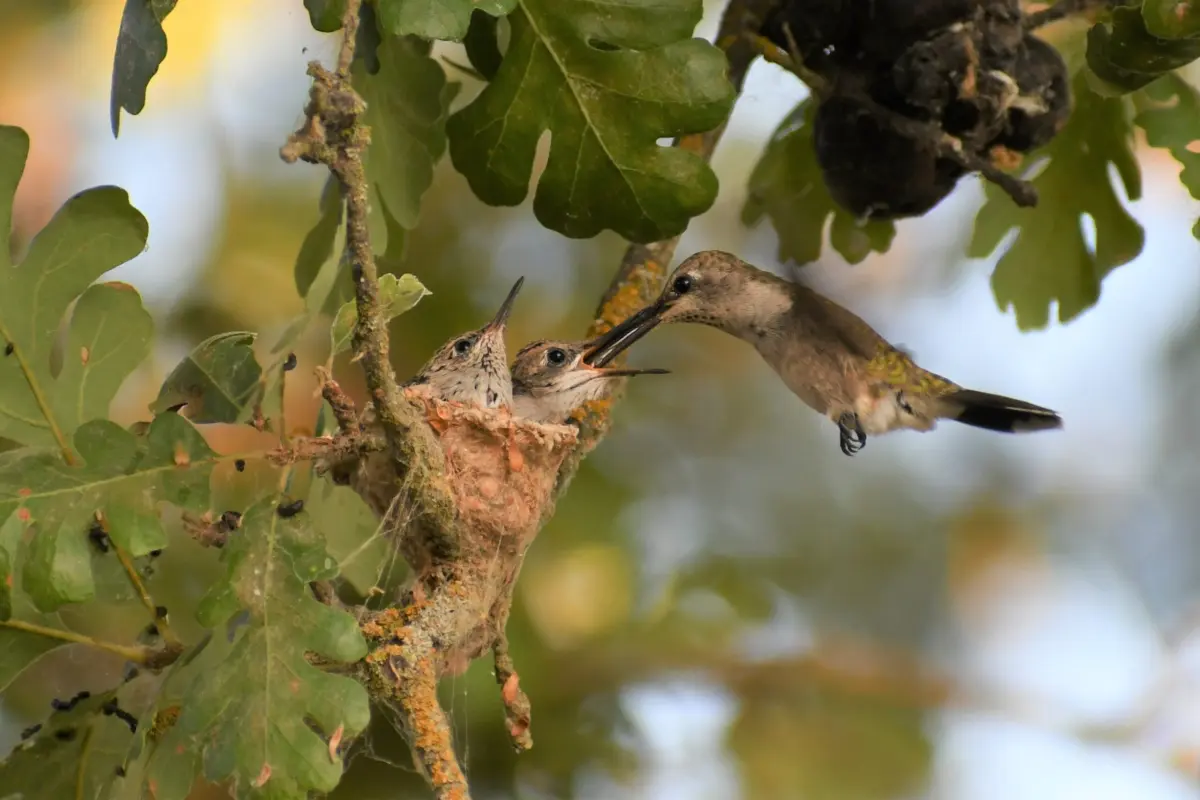
The morning walk yielded exceptional sightings, punctuated by a territorial display from a male Black-chinned Hummingbird (Archilochus alexandri) performing dynamic, high-speed figure-eight flights above a perched female. Following the field component, chapter leadership provided an urban conservation tour of Modesto. Highlights included:
- The Native Bird Education Panel: A newly installed interpretive display on a heavily trafficked urban trail, developed in partnership with the City of Modesto.
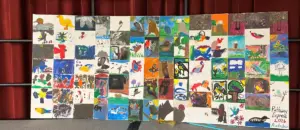
- Municipal Art Integration: Incorporation of local bird motifs within Modesto’s expansive collection of over 100 public murals.
- Cultural Hubs: Engagement with community spaces such as the historic State Theater and The Queen Bean Coffee House, illustrating that long-term conservation advocacy is inextricably linked to the cultural vitality of the communities hosting these ecosystems.
Yosemite Area Audubon Society: The Gateway Paradox
Moving east toward the Sierra Nevada foothills into Mariposa County exposed the unique structural challenges facing conservation organizations situated in tourist gateway communities. Unlike metropolitan chapters with stable residential membership bases, the Yosemite Area Audubon Society operates within a localized population that experiences high turnover, juxtaposed against a massive, transient influx of international visitors traveling to and from Yosemite National Park.
This dynamic presents a unique operational puzzle: how to engage travelers whose connection to the landscape is inherently ephemeral. Chapter leadership and conservation strategists analyzed the necessity of shifting away from traditional, multi-week academic training courses toward high-impact, low-barrier micro-engagements. Concepts such as "Birds & Beer" programming—designed to be easily discoverable and marketable to passers-through while generating revenue for local avian conservation—demonstrate an adaptive approach to modern outreach. By capturing the intentionality of travelers, gateway chapters can successfully cultivate temporary advocates into long-term financial and political supporters of regional wildlife.
Sacramento Bird Alliance: Collaborative Land Management
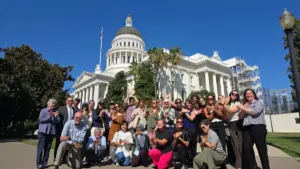
At the northern terminus of the road trip, discussions with the Sacramento Bird Alliance focused heavily on the mechanics of multi-agency collaboration and institutional partnerships. Meeting over shared provisions, board members examined how local non-profits—ranging from river clean-up organizers to social service providers—can pool resources to amplify community impact.
A primary focal point of the Sacramento discussion centered on the Bobelaine Audubon Sanctuary, a vital riparian ecosystem where Audubon California acts as the landowner and the Sacramento Bird Alliance serves as the active land manager. Balancing habitat restoration priorities, visitor access, and ecological preservation requires delicate coordination between diverse stakeholders, including agricultural lessees and conservation scientists. The consensus reached during these strategic dialogues emphasized that effective land management cannot occur in a vacuum; it requires continuous, cross-sector dialogue anchored by a shared passion for the landscape.
San Joaquin Audubon Society: Accessibility at Lodi Lake
The final leg of the expedition concluded in Lodi, meeting with leaders of the San Joaquin Audubon Society for an excursion through Lodi Lake Park. The site serves as an operational case study in spatial design, featuring a distinct administrative boundary between active recreational zones (kayak rentals, swimming beaches, and perimeter infrastructure) and a strictly protected, shaded Wilderness Area.
This physical configuration provides dual-access conservation: visitors seeking high-intensity recreation interface directly with a preserved ecosystem, lowering the barrier to entry for individuals who might not otherwise seek out traditional nature reserves. Furthermore, chapter leaders underscored the importance of micro-interactions—such as impromptu conversations with local residents in lake-view front yards—as foundational steps in establishing long-term community trust and expanding the regional conservation "flock."
Supporting Context & Metrics
The ecological and demographic realities of the Central Valley present distinct operational challenges and opportunities for conservation groups. The following metrics illustrate the operational landscape within which these chapters function:
| Chapter Organization | Primary Geographic Focus | Key Ecological / Tech Asset | Main Engagement Strategy |
|---|---|---|---|
| Fresno Audubon Society | Fresno County / Valley Floor | Motus Tracking Towers / Zoo Partnership | High-tech wildlife telemetry & public education |
| Stanislaus Audubon Society | Ripon & Modesto Urban Core | Caswell Memorial State Park / Urban Murals | Public field trips & municipal art integration |
| Yosemite Area Audubon Society | Mariposa & Sierra Foothills | Gateway to Yosemite National Park | Micro-engagements & short-term visitor programs |
| Sacramento Bird Alliance | Sacramento & Bobelaine Sanctuary | Riparian restoration sites & multi-agency lands | Collaborative non-profit coalitions & land management |
| San Joaquin Audubon Society | Lodi Lake Wilderness Area | Dual-access recreational/conservation zones | Passive/active recreation bridging & neighborhood outreach |
The integration of automated telemetry—specifically the Motus Wildlife Tracking System—represents a significant technological scaling for regional monitoring. A single tower installation can intercept dozens of distinct signals daily from migratory species spanning hundreds of miles, providing empirical datasets that inform municipal zoning, agricultural conservation easements, and state-level habitat protection policies.
Official Statements & Chapter Perspectives
Reflecting on the interwoven nature of cultural history, community infrastructure, and biological fieldwork, regional leaders emphasized that conservation is fundamentally a human endeavor.
"Nature, conservation, art, community, and advocacy are all intertwined. When community members holistically explore a place together, we’re more prepared to work as one, and fight side-by-side for natural and cultural resources alike."
— Field Observations on Community Integration in Modesto
The sentiment was echoed during strategic sessions regarding gateway communities, where organizational resilience depends on shedding rigid operational templates.
"In a gateway town like Mariposa with a limited permanent population, the challenge to reach and grow a consistent audience is amplified. However, being a gateway to a global destination offers a unique puzzle: how can we reach the enormous tourist population and offer enticing opportunities for engagement that resonate far beyond their stay?"
— Yosemite Area Audubon Society Strategy Session
Addressing land stewardship and multi-party coordination, leadership at the Sacramento Bird Alliance noted that consensus requires patience, open communication, and shared resources:
"There’s never going to be one universal solution to optimize meeting the needs of multiple parties, but the first step will always include the same thing: simply opening up a discussion. There are infinite options for what comes next, but food should always be part of the equation, too."
— Sacramento Bird Alliance Board Discussion
Future Outlook
As the Central Valley continues to face pressures from rapid urban expansion, shifting agricultural practices, and changing climatic baselines, the role of grassroots conservation chapters remains more critical than ever. The insights gathered from Fresno to Sacramento point toward several key directives for the future of regional environmental stewardship:
- Technological Integration: Expanding the Central Valley Motus tower network remains a top priority. Securing additional municipal and private partnerships—such as the Fresno Chaffee Zoo model—will allow researchers to gather continuous, multi-species migration data crucial for evidence-based habitat protection.
- Adaptive Community Outreach: Chapters operating in rural and gateway environments must continue refining micro-engagement frameworks. By designing accessible, low-barrier programs tailored to transient populations, organizations can secure vital funding and advocacy from outside their immediate residential borders.
- Cross-Sector Collaboration: Formalizing institutional relationships between bird alliances, river management groups, municipal governments, and social service providers will maximize the efficiency of conservation dollars and volunteer labor.
- Holistic Land Stewardship: Navigating complex property dynamics—such as those at Bobelaine Sanctuary—requires transparent, multi-stakeholder dialogue that respects agricultural heritage while prioritizing native biodiversity.
Ultimately, the Central Valley’s conservation narrative is one of quiet resilience. Behind the state highway corridors and sprawling agrarian landscapes lies a dedicated network of scientists, educators, and community advocates working in lockstep to ensure that the region’s natural and cultural resources endure for generations to come.