
Executive Overview
Summer in an animal shelter is often characterized by systemic challenges that extend far beyond the basic mechanics of animal husbandry. As temperatures climb during the peak of July, municipal shelters and rescue facilities nationwide face a dual crisis: a seasonal surge in intake numbers and the physiological and psychological toll of extreme heat on confined animals. In unconditioned or under-ventilated kennels, the combination of high humidity and elevated ambient temperatures can lead to chronic stress, heightened arousal, and a marked decline in canine behavioral health.
To address these seasonal vulnerabilities, the advocacy platform iHeartDogs, alongside its Hero VIP Club members, launched the "Beat the Heat" Care Package Campaign. This targeted initiative bypassed traditional bureaucratic channels to deliver immediate, physical enrichment and cooling interventions to three frontline rescue organizations: The Animal Protection League (APL), MidSouth Animal Welfare Foundation, and Karl’s Canine Krew.
Rather than treating enrichment as a secondary luxury, the campaign operated on the clinical understanding that sensory play, physical decompression, and thermoregulatory relief are vital components of canine rehabilitation. By providing specialized cooling equipment, sensory toys, and dietary enhancements, the initiative transformed standard shelter routines into structured therapeutic opportunities. This report examines the execution of the campaign, analyzes the individual case studies of rehabilitated dogs, and explores the broader scientific and systemic context of summer enrichment in the animal welfare sector.
Detailed Chronology: The Campaign’s Execution and Case Studies
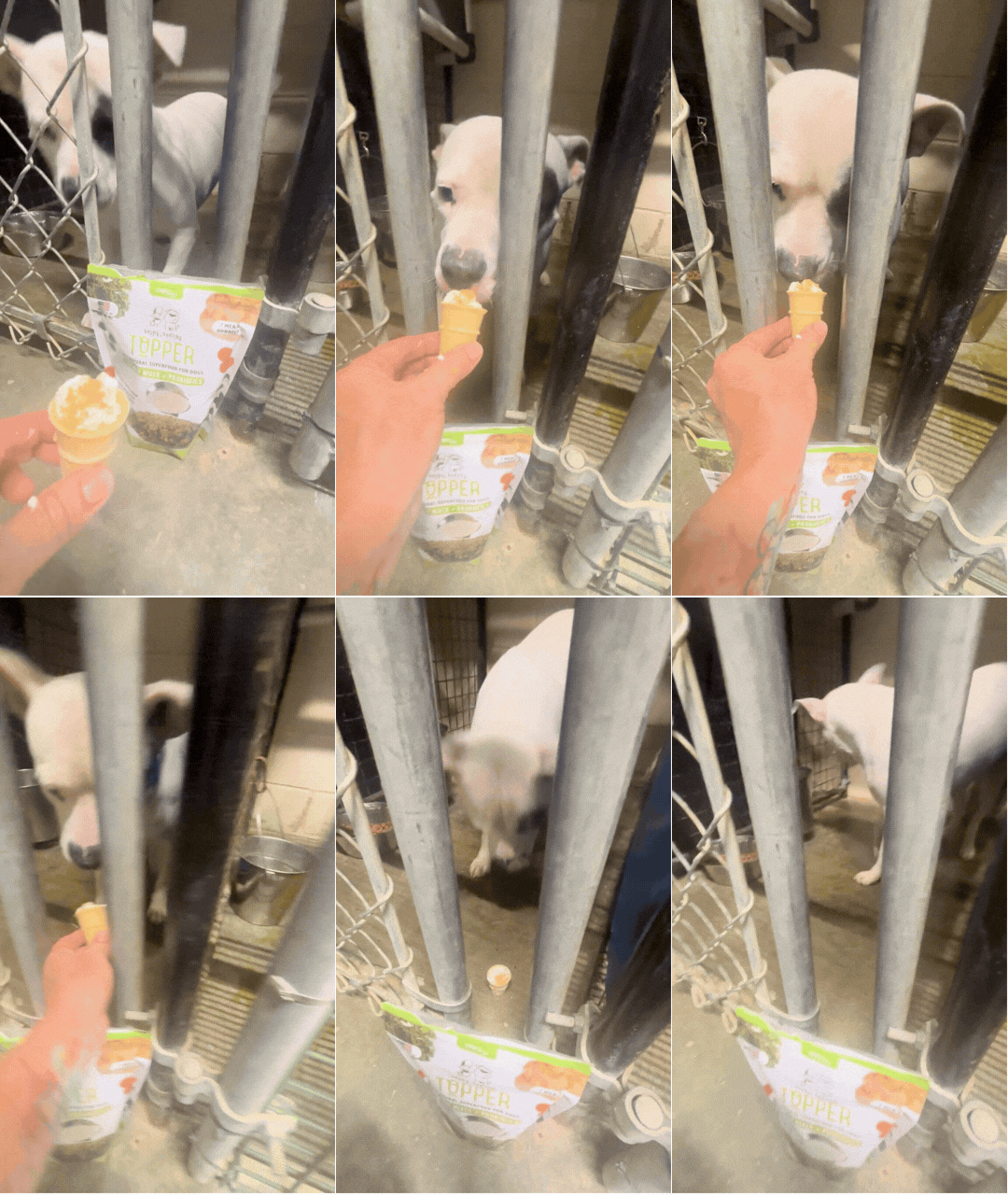
The implementation of the "Beat the Heat" campaign required coordinated logistics to deliver care packages to shelters in distinct geographical regions, each facing unique environmental stressors. The campaign focused on providing physical assets—including shaded play structures, water-based recreation tools, durable toys (such as sock monkeys and rope toys), and high-value nutritional supplements like dog-safe ice cream paired with iHeartDogs Happy, Healthy Dog Food Topper.
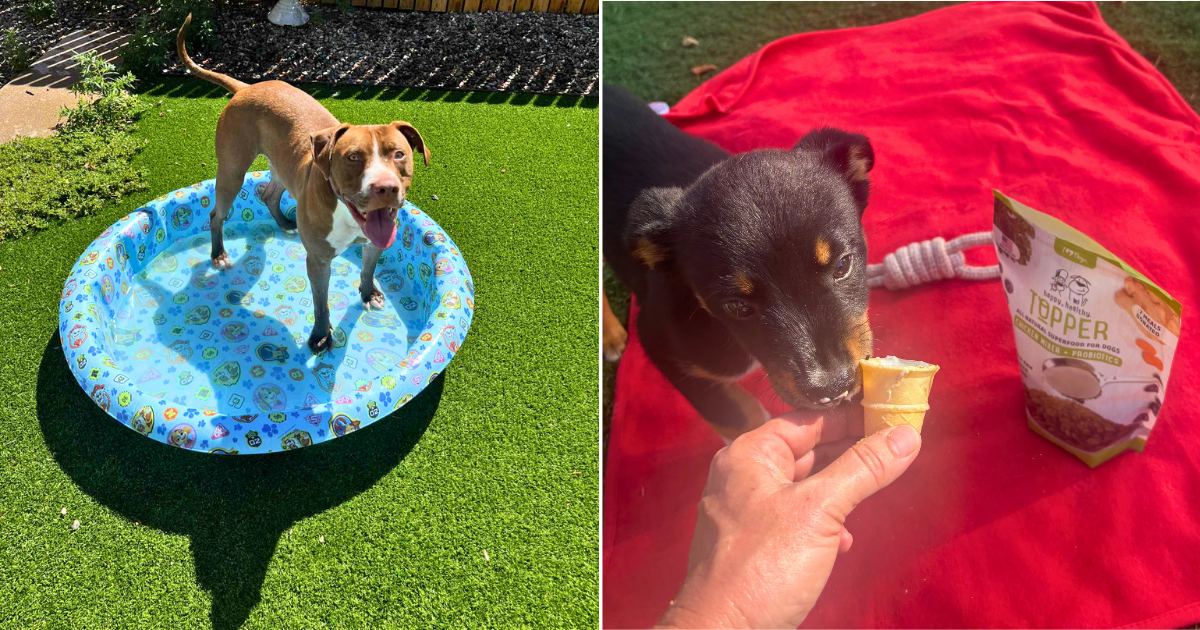
The practical impact of these interventions is best understood through the experiences of the individual animals who received them.
                  ["Beat the Heat" Campaign Launch]
                                 │
         ┌───────────────────────┼───────────────────────┐
         ▼                       ▼                       ▼
[The Animal Protection    [MidSouth Animal Welfare  [Karl's Canine Krew]
       League]                  Foundation]                  │
         │                       │                           ├──────────────────────┐
         ▼                       ▼                           ▼                      ▼
   [Lola's Lake            [Quest & Lawson:             [Spike: Breed         [Pickle & Panther:
  Decompression]          Pediatric Trauma Rescue]     Stigma & Long-Term       Neurological &
                                                          Confinement]          Neglect Recovery]
Case Study 1: Lola (The Animal Protection League) — Decompression via Nature-Based Therapy
Lola, a one-year-old mixed-breed canine, arrived at The Animal Protection League as a stray on February 24. While she quickly established secure attachments with familiar shelter staff and volunteers, she exhibited pronounced signs of fear-based reactivity and hyper-vigilance when introduced to unfamiliar individuals outside the kennel environment. In a standard shelter setting, dogs with these behavioral profiles often experience a compounding stress cycle: their reactivity prevents them from being easily shown to adopters, leading to longer stays, which in turn exacerbates their reactivity.
[Stray Intake (Feb 24)] ──> [Shelter Hyper-Vigilance] ──> [Fear-Based Reactivity]
                                                                 │
[Rehabilitation Pathway] <── [Lakeside Sensory Decompression] <──┘
To break this cycle, APL staff utilized the campaign’s resources to conduct off-site sensory decompression sessions. A volunteer transported Lola to a local state park for a dedicated "lake day."
- Therapeutic Mechanics: Removing Lola from the high-decibel auditory environment of the kennel allowed her central nervous system to return to baseline.
- Behavioral Observations: Wading through shallow water and interacting with a bright pink toy allowed Lola to engage in species-typical exploratory behaviors, such as investigating local fauna (insects) and navigating novel terrain.
- Outcome: These positive, low-stress experiences are critical for rebuilding confidence in fear-reactive dogs, proving that structured, off-site enrichment can serve as a bridge to successful adoption.
Case Study 2: Quest and Lawson (MidSouth Animal Welfare Foundation) — Pediatric Trauma Recovery
In the American South, particularly in rural Mississippi, animal rescues frequently combat systemic pet overpopulation and severe neglect. The MidSouth Animal Welfare Foundation utilized the campaign’s resources to support two highly vulnerable pediatric cohorts:
Quest
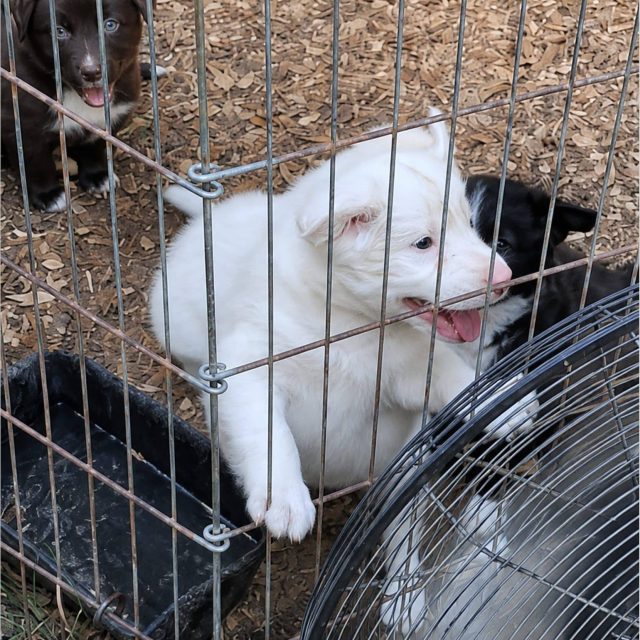
At seven weeks of age, Quest and his seven siblings were surrendered to the rescue after an accidental pregnancy left their previous owners unable to care for them. Upon intake, the litter was severely compromised by heavy ectoparasite (fleas and ticks) and endoparasite (intestinal worms) infestations. The physiological drain of these parasites, combined with early-stage maternal separation, leaves puppies highly vulnerable to developmental delays. The campaign’s delivery of mild cooling treats and physical toys provided safe, low-impact sensory stimulation, allowing Quest to transition from a state of survival to normal socialization.
Lawson
Lawson’s entry into the rescue system was markedly more traumatic. In late March, a passing motorist intervened on a property known for animal hoarding, where two large, unsocialized dogs were actively attacking a litter of neonates. Five puppies, including Lawson, were saved. Lawson arrived at the foundation presenting with severe underweight status, bruising, and profound psychological trauma (manifesting as persistent tremors). One of his littermates sustained permanent ear damage during the attack.
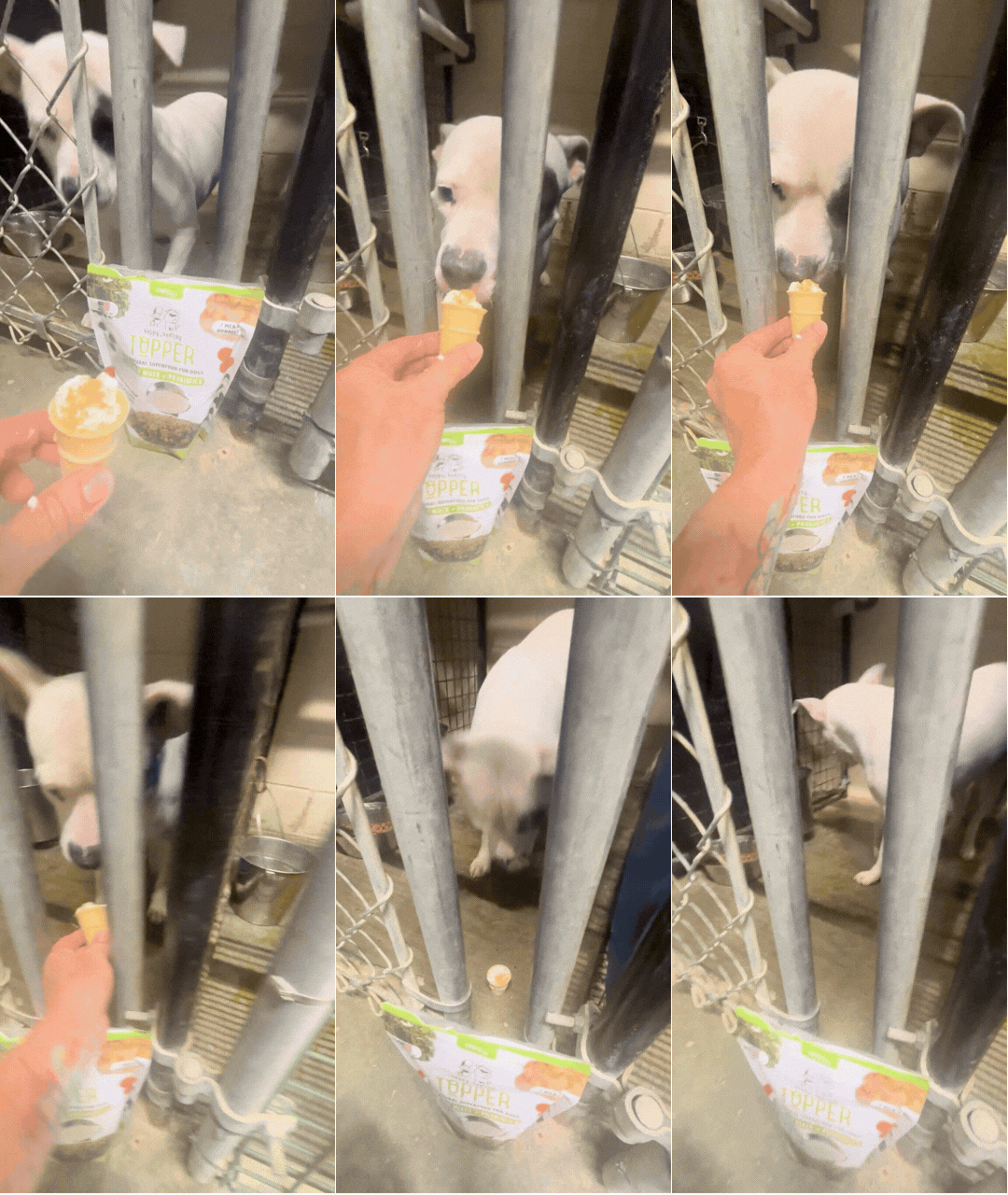
For puppies recovering from active physical trauma, traditional training methods can sometimes overwhelm their sensitive nervous systems. The MidSouth team utilized the campaign’s soft sock monkeys and frozen enrichment treats to establish a sense of environmental safety. Engaging in natural licking behaviors (facilitated by the frozen doggie ice cream) stimulates the vagus nerve, actively lowering the puppy’s heart rate and promoting emotional self-regulation.
[Active Trauma: Hoarding/Attack] ──> [Severe Physical & Psychological Stress]
                                                     │
[Neurological Recovery] <── [Vagus Nerve Stimulation (Licking/Enrichment)]
Case Studies 3, 4, and 5: Spike, Pickle, and Panther (Karl’s Canine Krew) — Mitigation of Long-Term Shelter Fatigue
Karl’s Canine Krew, which operates a critical transport and rescue pipeline from high-intake shelters in Texas to foster and rescue networks in Colorado, utilized the "Beat the Heat" campaign to address long-term shelter fatigue in adult dogs.

[Texas High-Intake Shelters] ──(Transport Pipeline)──> [Karl's Canine Krew (Colorado)]
                                                                 │
         ┌───────────────────────────────┼───────────────────────┴───────────────────────┐
         ▼                               ▼                                               ▼
[Spike: Pit Bull Mix]          [Pickle: Neuro-Recovery]                        [Panther: Ex-Street Dog]
- 7 months of confinement      - Post-oxygen therapy survivor                  - Extreme human avoidance
- Mitigated breed stigma - Sensory water play therapy - Re-socialization protocol- Spike: A pit bull mix, Spike faced the compounding hurdles of breed stigma and long-term confinement. After a failed adoption resulted in his return, Spike spent seven months in a Texas facility before being transferred to Colorado. Long-term shelter residents often suffer from "kennel toxicosis," a state of chronic depression or hyper-arousal caused by repetitive environments. The campaign’s cooling festivities provided Spike with targeted, one-on-one attention and novel sensory inputs, temporarily interrupting his confinement routine and preserving his adoptability.
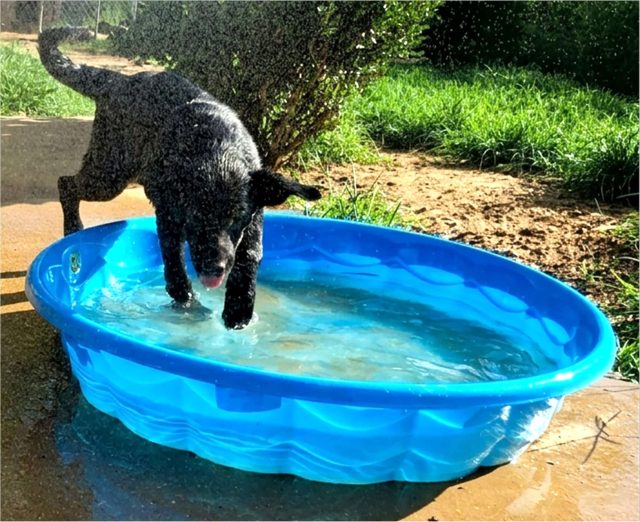
- Pickle: Found as a critically ill stray puppy in Texas, Pickle required emergency oxygen therapy and intensive veterinary intervention to survive. His early illness left him with a mild, permanent neurological condition. Despite these challenges, Pickle exhibited a high drive for water play. Karl’s Canine Krew staff leveraged this drive, utilizing the campaign’s wading pools to provide hydrotherapy and physical exercise that accommodated his neurological needs without overexerting his body.
- Panther: Rescued from the streets of Texas, Panther’s physical condition indicated a history of severe neglect and minimal positive human contact. For semi-feral or severely neglected street dogs, human interaction is initially perceived as a threat. The campaign’s structured play sessions—
utilizing toys as a neutral buffer between the dog and the handler—allowed Panther to learn to trust humans in a low-pressure environment.
Supporting Context & Metrics: The Science of Summer Shelter Enrichment
To appreciate the necessity of campaigns like "Beat the Heat," one must understand the intersection of canine physiology, environmental stress, and shelter acoustics.
The Physiology of Heat Stress in Canines
Unlike humans, dogs cannot rely on eccrine sweat glands across their bodies for thermoregulation. Instead, they depend primarily on panting (evaporative cooling from the respiratory tract) and vasodilation of the blood vessels in their ears and face.
In a crowded shelter environment, several factors exacerbate this process:
- Acoustic Stress: Shelter noise levels routinely exceed 100 decibels. This constant auditory assault keeps the canine sympathetic nervous system in a state of chronic activation, elevating heart rates and basal body temperature.
- High Relative Humidity: High humidity levels inside concrete-and-iron kennels severely limit the effectiveness of evaporative cooling via panting, putting dogs at an increased risk of heat exhaustion.
- Cortisol Production: Prolonged exposure to heat stressors triggers the hypothalamic-pituitary-adrenal (HPA) axis, resulting in elevated systemic cortisol levels. High cortisol levels suppress immune function, making shelter dogs more susceptible to infectious pathogens like canine infectious respiratory disease complex (CIRD).
| Stress Factor | Physiological Mechanism | Impact on Shelter Canines |
|---|---|---|
| Elevated Ambient Heat | Ineffective evaporative cooling due to limited sweating capacity. | Hyperthermia, elevated respiratory rate, heat exhaustion. |
| High Acoustic Volume | Sympathetic nervous system activation (adrenaline/noradrenaline). | Elevated heart rate, increased basal body temperature. |
| Chronic Confinement | Chronic HPA axis activation (elevated systemic cortisol). | Immunosuppression, susceptibility to CIRD, behavioral deterioration. |
The Behavioral Mechanics of Enrichment
The items provided in the "Beat the Heat" care packages serve specific clinical functions in mitigating these physiological responses:
[Sensory Enrichment Intervention]
               │
      ┌────────┴────────┐
      ▼                 ▼
[Licking (Ice Cream)]  [Chewing/Tugging (Rope Toys)]
      │                 │
[Vagal Stimulation]    [Endorphin Release]
      │                 │
      └────────┬────────┘
               ▼
[Lowered Cortisol & Heart Rate]- Licking and Foraging: The act of licking frozen treats (such as doggie ice cream topped with nutritional toppers) stimulates the release of endorphins in the canine brain. It engages the parasympathetic nervous system, effectively lowering heart rates and counteracting the adrenaline spikes caused by kennel noise.
- Tactile and Proprioceptive Input: Playing with rope toys and carrying weighted objects (like sock monkeys) provides proprioceptive feedback, which helps anxious dogs ground themselves and reduce stereotypic behaviors (such as spinning, fence-jumping, or continuous barking).
- Decompression Excursions: Studies in veterinary behavior show that even a temporary 24-hour or afternoon break from a shelter environment significantly reduces salivary cortisol levels in dogs, with the positive effects persisting for several days after returning to the kennel.
Programmatic Insights & Perspectives
The execution of the "Beat the Heat" campaign highlights the critical role played by non-profit organizations and corporate-social advocacy partnerships in modern animal welfare. Representatives from the participating rescues emphasize that these programs address a critical funding gap.
"When a rescue operates on a shoestring budget, every dollar is immediately funneled into emergency medical care, spay/neuter surgeries, and basic kibble. There is rarely any capital left over for enrichment tools, wading pools, or high-value training treats. Yet, without these tools, the psychological health of our dogs deteriorates, making them harder to place in homes. This campaign directly addresses that missing piece of the puzzle."
Furthermore, animal behaviorists note that enrichment campaigns dramatically improve "length of stay" (LOS) metrics. A dog that is relaxed, confident, and physically comfortable is far more likely to present well to prospective adopters than a dog that is hyper-aroused, panting heavily, or displaying barrier reactivity due to heat and confinement stress. By funding these specialized care packages, donor networks are not merely providing temporary entertainment; they are actively shortening the timeline from intake to adoption.
Future Outlook: Sustaining Rehabilitation Beyond Summer
While the "Beat the Heat" campaign successfully mitigated the acute dangers of the summer season, the structural challenges facing animal shelters require year-round solutions. Seasonal transitions bring different, yet equally severe, challenges—from the freezing temperatures of winter in northern shelters to the persistent, year-round reality of nationwide shelter overcrowding.
                  [Year-Round Shelter Challenges]
                                 │
         ┌───────────────────────┴───────────────────────┐
         ▼                                               ▼
  [Winter Cold Stress]                             [Overcrowding & Intake Surges]
  - Thermal regulation issues                      - Chronic resource strain
  - Reduced outdoor exercise                       - High behavioral deterioration risk
         │                                               │
         └───────────────────────┬───────────────────────┘
                                 ▼
              [Sustained Advocacy: Hero VIP Club]
              - Predictable, recurring funding
              - Proactive resource allocation
              - Long-term behavior modification programs
To prevent these cyclical crises, organizations are shifting toward proactive, subscription-based donor models. Programs like the iHeartDogs Hero VIP Club represent this shift in modern philanthropic strategy. By securing recurring, predictable monthly contributions, animal welfare advocates can move away from reactive emergency fundraising and toward sustainable, long-term care plans.
This steady stream of funding allows partner shelters to:
- Implement Proactive Care: Maintain consistent behavioral modification programs led by certified trainers, ensuring dogs like Lola receive ongoing support.
- Upgrade Infrastructure: Invest in durable, weather-resistant shelter infrastructure, such as shaded play yards, misting systems for summer, and heated kennel mats for winter.
- Fund Transport Logistics: Sustain critical transport pipelines, moving dogs from high-intake, under-resourced regions to areas with higher adoption rates and stronger rescue networks.
Ultimately, the success of the "Beat the Heat" campaign demonstrates that the standard of care for shelter animals must evolve. Survival cannot remain the baseline metric of success. By addressing the emotional, cognitive, and physical needs of rescue dogs through structured enrichment, the animal welfare community can ensure that these vulnerable animals do not merely endure their time in shelters, but actively heal while waiting for their forever homes.