
By Veterinary News Desk
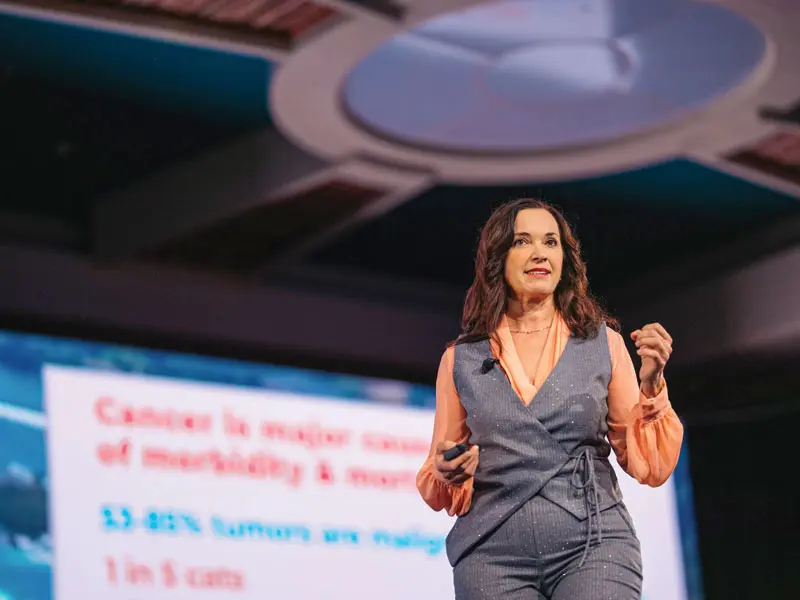
Special Report based on research by Iveta Becvarova, DVM, MS, DACVIM (Nutrition)
Executive Overview
Cancer diagnoses in veterinary medicine present profound clinical hurdles, particularly when managing feline patients. Cats are notoriously finicky eaters whose appetites and metabolic pathways are easily disrupted by systemic disease, physiological stress, and aggressive oncological treatments. When malignancies take hold, they trigger a cascade of pathological consequences—ranging from cancer cachexia and organ dysfunction to severe muscle wasting—that fundamentally degrade a cat’s quality of life (QoL) and shorten survival times.
To confront this challenge head-on, a specialized research team led by Dr. Iveta Becvarova, DVM, MS, DACVIM (Nutrition), undertook a rigorous observational study to evaluate the clinical impact of a targeted therapeutic dry diet on cats diagnosed with various malignancies. The core hypothesis was straightforward yet transformative: could advanced therapeutic nutrition, specifically formulated for cats battling cancer, provide measurable, objective improvements in physical condition, overall well-being, and physiological resilience?
The findings, which were highlighted at major veterinary symposia, definitively confirmed this hypothesis. Over a 70-day evaluation period, participating cats demonstrated statistically significant enhancements in body weight (BW), body condition scores (BCS), and muscle condition scores (MCS). Furthermore, the study underscored the psychological and emotional benefits for pet parents, who found renewed peace of mind through seeing their feline companions maintain a higher standard of daily comfort and normalcy. This report explores the nuances of feline oncology nutrition, details the methodology and results of Dr. Becvarova’s study, and outlines practical frameworks for veterinary professionals seeking to integrate proactive dietary management into standard cancer care protocols.
Detailed Chronology: The Evolution of the 70-Day Clinical Study
The journey to understanding how specialized nutrition alters the trajectory of feline cancer care required meticulous planning, strict patient monitoring, and innovative remote data collection strategies.
Phase 1: Hypothesis Formulation and Study Design
Recognizing that traditional palliative and oncological care often overlooked the subtle yet profound impacts of malnutrition and cancer cachexia, Dr. Becvarova and her team designed a single-arm, non-controlled observational study. The primary objective was to move beyond anecdotal observations and generate hard data regarding the efficacy of a specialized therapeutic dry diet when introduced as an active component of a comprehensive feline malignancy management protocol.
The parameters selected for evaluation were comprehensive, capturing both quantitative clinical metrics and qualitative behavioral observations. They included:
- Overall indices of Quality of Life (QoL)
- Body Weight (BW) changes
- Body Condition Score (BCS)
- Muscle Condition Score (MCS)
- Eating enthusiasm and voluntary caloric intake
- Stool quality and gastrointestinal tolerance
- Facial expressions of pain, quantified using the validated Feline Grimace Scale (FGS)
Phase 2: Patient Recruitment and Home-Based Monitoring
The study launched with an initial cohort of 39 client-owned cats, all bearing confirmed diagnoses of various malignancies. Because managing a sick cat undergoing cancer treatments is notoriously stressful for pet parents, the study protocol was structured to minimize clinic visits while maximizing data integrity.
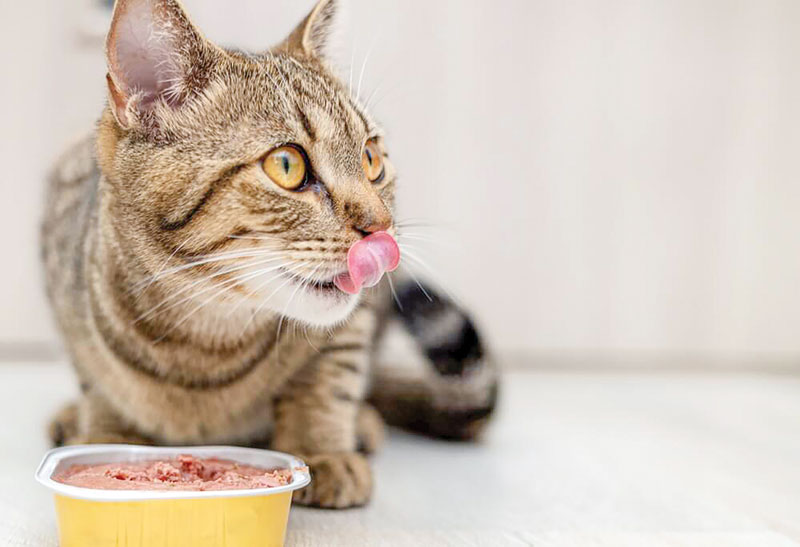
Participants were provided with the study food entirely free of charge. To eliminate brand bias and ensure objective home observations, the diet was distributed in neutral, unbranded white bags. Owners were also supplied with calibrated digital scales to accurately track daily food consumption and fluctuations in body weight.
Data collection relied on a hybrid model: pet parents logged daily metrics, behavioral shifts, and feeding enthusiasm via a dedicated study application, while veterinary professionals conducted regular video consultations to review clinical progress, assess potential side effects, and adjust supportive care as needed.
Phase 3: Trial Completion and Data Synthesis
Out of the initial cohort of 39 enrolled felines, 13 cats successfully completed the rigorous 70-day feeding trial. The attrition rate—common in clinical trials involving geriatric or terminally ill populations—underscored the severe nature of feline malignancies. However, the data gathered from the completers provided a rich, granular dataset.
Upon closing the 70-day observation window, statistical analysis of the logs and video assessments revealed clear, positive trends. The therapeutic diet was not only exceptionally well-tolerated by the majority of participants, but it actively reversed or stabilized several hallmark markers of cancer-induced physical decline.
Supporting Context & Metrics: The Biological Imperative of Nutrition in Feline Cancer
To fully appreciate the outcomes of Dr. Becvarova’s study, one must understand the complex pathophysiology of cancer in cats. Malignancies and their associated treatments—such as chemotherapy, radiation, and surgery—impose severe metabolic stressors.
The Cascade of Cancer Cachexia and Weight Loss
Cancer is fundamentally a hypermetabolic state characterized by systemic inflammation, altered carbohydrate and protein metabolism, and diminished appetite (anorexia). In felines, this often precipitates cancer cachexia—a complex syndrome resulting in progressive skeletal muscle wasting, adipose tissue depletion, and physical weakness.
Clinical experience and retrospective data have long established that weight loss in cats with neoplasia is far more than a mere inconvenience; it is a critical prognostic indicator. For instance, studies investigating cats with lymphoma have demonstrated that measurable weight loss within the very first month of initiating treatment correlates directly with poorer clinical outcomes and significantly shortened survival times. Conversely, maintaining optimal body condition and muscle mass preserves functional capacity and immune competence. Research shows that cancer-diagnosed cats maintaining an optimal BCS live significantly longer than those presenting with poor baseline nutritional status and emaciation.
Quantifying the Physical Gains
In Dr. Becvarova’s 70-day trial, the therapeutic diet delivered measurable improvements across several vital metrics:

- Body Weight Stabilization: Rather than continuing the typical downward spiral of cancer-related wasting, participating cats showed stabilization and, in many cases, restorative gains in total body weight.
- Enhancement of Body Condition Scores (BCS): Improvements in fat deposition and overall body mass were objectively tracked, shifting patients away from frail categories toward healthier, more sustainable condition scores.
- Muscle Condition Score (MCS) Recovery: Because skeletal muscle loss is notoriously difficult to reverse in oncological patients, the improvements noted in muscle condition scores highlight the high bioavailability and specialized amino acid profiles of the therapeutic diet.
- Palatability and Enthusiasm: Given that finicky eating behaviors are exacerbated by nausea and systemic illness, the diet’s high palatability successfully stimulated eating enthusiasm, ensuring voluntary caloric intake without inducing gastrointestinal distress.
Official Statements and Expert Insights
Reflecting on the implications of her research, Dr. Becvarova emphasizes that shifting the paradigm of veterinary oncology requires looking beyond tumor reduction to embrace whole-patient care.
"Studies have shown malignancies and their treatments can significantly impact a cat’s quality of life," notes Dr. Becvarova. "Some cats are notoriously finicky eaters, and when faced with the physical decline and organ dysfunction often caused by malignancies, their feeding behaviors and needs become even more complex. Our goal was to demonstrate that therapeutic nutrition specifically designed for cats with malignancies could provide measurable benefits in terms of their physical condition and overall well-being."
The psychological dimension of veterinary nutrition is equally vital. A cancer diagnosis places an immense emotional burden on pet parents, who frequently experience feelings of helplessness and anticipatory grief. When a cat refuses food, this distress is exponentially magnified.
Dr. Becvarova highlights the psychological relief experienced by caregivers when nutritional management succeeds: "For pet parents, ensuring their cat is comfortable and well-nourished provides peace of mind and reduces the guilt often associated with a malignancy diagnosis. Seeing their cat eat, engage in activities, and maintain a semblance of normalcy can help owners focus on creating meaningful moments with their pets during this challenging time."
Nutritional Strategies and Practical Implementation in Veterinary Practice
Translating clinical trial data into everyday veterinary hospital operations requires deliberate strategy, interprofessional collaboration, and proactive client education.
Key Criteria for Feline Oncology Diets
A therapeutic diet optimized for cats facing malignancies must address several distinct physiological and sensory requirements:
- High Caloric Density: Because oncological patients often consume smaller overall volumes of food due to early satiety or nausea, every bite must deliver maximum energy.
- Enhanced Palatability: Formulations must appeal to diminished or altered senses of taste and smell, overcoming the finicky nature common to feline cancer patients.
- Optimized Protein Profiles: High-quality, highly digestible proteins are essential to counteract muscle catabolism and support lean body mass retention without overloading compromised metabolic pathways.
- Gastrointestinal Support: Inclusion of highly digestible ingredients and targeted prebiotics ensures that the diet does not exacerbate chemotherapy-induced nausea, vomiting, or diarrhea.
Empowering the Veterinary Team
In busy clinical practices, time constraints can make comprehensive nutritional counseling challenging. However, integrating nutrition into oncology care does not rest solely on the veterinarian. Veterinary technicians play an indispensable role in monitoring patients, conducting initial nutritional assessments, and guiding clients through dietary transitions.
Every routine wellness or oncology check-in must incorporate a formal nutritional evaluation, documenting:
- Current Body Weight (BW)
- Body Condition Score (BCS) on a 9-point scale
- Muscle Condition Score (MCS) assessing temporal, scapular, spine, and pelvic muscle mass
- A detailed dietary history capturing voluntary intake and eating enthusiasm
Addressing Common Misconceptions
Veterinary professionals frequently encounter client misconceptions regarding specialized nutrition in cancer care. Effectively debunking these myths is crucial for maintaining dietary compliance:
- Myth: Dietary changes will not alter the inevitable progression of a terminal cancer diagnosis.
Reality: While therapeutic diets may not cure the underlying malignancy, they profoundly influence quality of life, delay the onset of debilitating cachexia, and directly correlate with extended survival times and improved comfort. - Myth: If a cat is refusing regular food, any food the cat will voluntarily eat—regardless of nutritional balance—is acceptable.
Reality: While short-term intake of palatable foods is necessary during acute crises, long-term reliance on nutritionally incomplete diets accelerates muscle wasting and metabolic collapse. Therapeutic diets balance high palatability with precise oncological nutritional profiles.
Future Outlook
The findings presented by Dr. Becvarova mark a significant milestone in feline oncology, yet they also point the way toward future research horizons. As veterinary medicine continues to embrace personalized, multimodal patient care, nutrition must no longer be viewed as an afterthought or a passive adjunct.
Future investigations will likely expand upon multi-center, controlled trials with larger cohorts, exploring how specific nutrient profiles can synergize with novel chemotherapeutic agents, immunotherapies, and radiation protocols. Furthermore, ongoing developments in app-based remote health monitoring will allow veterinary teams to track subtle shifts in feline behavior and caloric intake in real-time, intervening before minor dietary hesitations devolve into clinical crises.
Ultimately, the integration of targeted therapeutic nutrition into feline cancer protocols redefines the boundaries of compassionate veterinary care. By preserving muscle mass, stabilizing body weight, and restoring the simple joy of eating, veterinary professionals can grant cancer-diagnosed cats not only extra time, but time defined by dignity, comfort, and an elevated quality of life.
About the Author
Iveta Becvarova, DVM, MS, DACVIM (Nutrition), is the former senior director of Global Academic and Professional Affairs at Hill’s Pet Nutrition. With more than 20 years of experience in veterinary nutrition, Dr. Becvarova is a board-certified veterinary nutritionist and a Diplomate of the American College of Veterinary Internal Medicine (Nutrition). She has authored numerous peer-reviewed articles and is a frequent, highly sought-after speaker at international veterinary conferences. Passionate about advancing the role of clinical nutrition in veterinary medicine, Dr. Becvarova remains dedicated to improving the quality of life for companion animals worldwide.