
For decades, pet owners have been told a comforting myth: cats inherently despise stagnant bowl water and desperately need a bubbling, cascading fountain to stay properly hydrated. However, modern veterinary science reveals a more nuanced reality. While circulating water fountains can indeed encourage picky drinkers or assist in managing specific feline health conditions—a recommendation originally popularized by veterinarians as far back as 2009—recent studies show that the type of water delivery system makes little statistical difference in overall water intake for many felines.
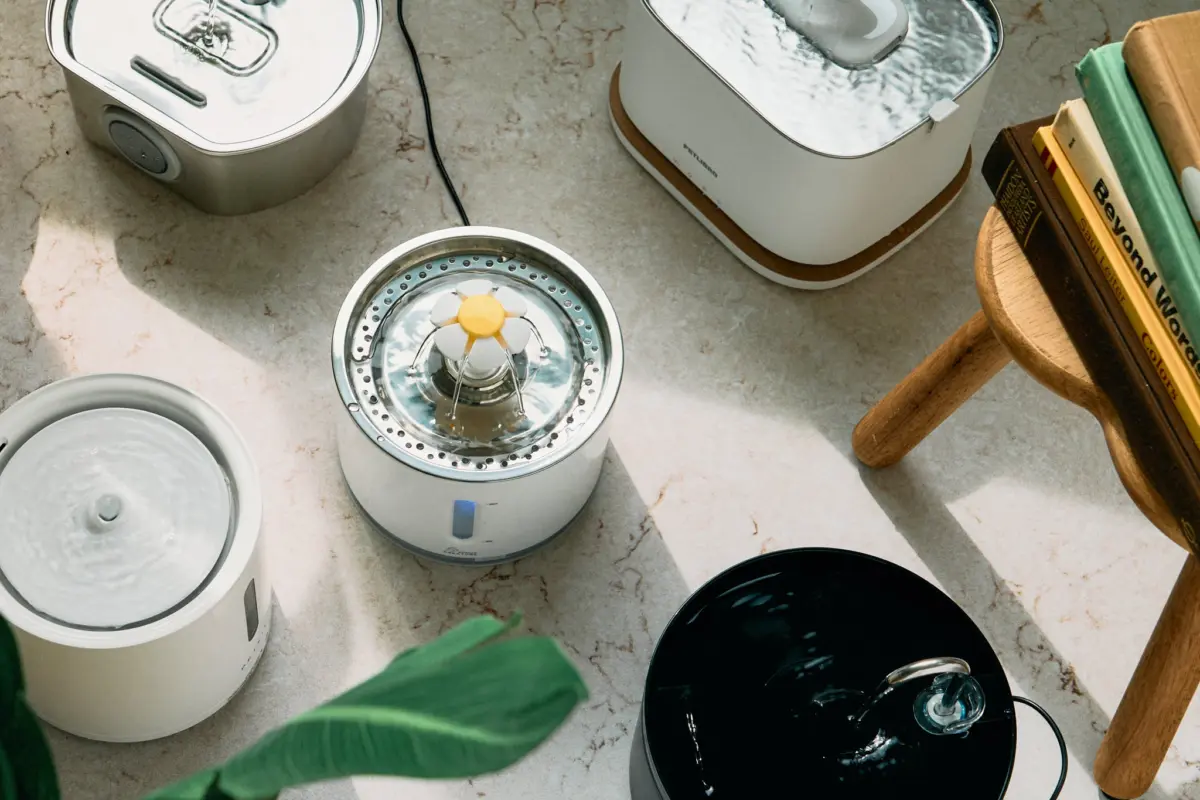
Despite this, individual behavioral preferences run deep. Driven by factors ranging from early-life exposure to whisker sensitivity (the phenomenon where narrow bowls cause "whisker fatigue"), many cats and dogs genuinely prefer—and benefit from—running water. To determine which pet water fountains are actually worth your money, Wirecutter’s pet product researchers subjected 21 different models (winnowed down from an initial pool of 39) to rigorous testing. Evaluating everything from motor longevity and decibel output to daily cleaning friction and filter economics, experts have crowned the best pet water fountains on the market.
Detailed Chronology & Testing Methodology
The journey to finding the ideal pet water fountain requires balancing what appeals to an animal against the harsh reality of human maintenance. Water and electrical components are notoriously tricky bedfellows, and upkeep requires a disciplined schedule.
The Selection Phase
Testers began by reviewing 39 models across the global pet market, ultimately selecting 21 units for hands-on, multi-week evaluations. Selection criteria were strictly defined:
- Capacity: Focus centered primarily on 2-liter to 4-liter tanks (averaging around 3 liters), though larger specialty options were included to assess viability for multi-pet households and large dog breeds.
- Ergonomics & Whisker Safety: Testers prioritized wide, shallow designs. Narrow rims can cause a cat’s sensitive vibrissae to constantly brush against the edges, resulting in "whisker stress" or fatigue.
- Materials: Models constructed from plastic, stainless steel, and ceramic were put head-to-head. While cheaper, scratched plastic can harbor bacteria and potentially exacerbate feline acne. Ceramic and stainless steel offer easier cleaning and are dishwasher-safe, though they still incorporate plastic internal components.
- Durability: Fountains reporting high rates of premature motor failure were immediately discarded, prioritizing manufacturers offering clear repair or replacement guarantees.
The Two-Week Trial
The 21 chosen fountains were put into active service for a strict two-week period. Testers ran the motors continuously under varying water conditions (both high and low levels) to stress-test durability. Decibel meters recorded exact audio outputs in quiet rooms, and testers meticulously disassembled and reassembled each unit to evaluate ease of cleaning, susceptibility to grime buildup, and refilling mechanics.
Supporting Context & Metrics: Top-Tested Fountains
Following extensive trials, testers categorized the market’s top performers based on specific consumer needs—from luxury smart features to heavy-duty capacity and budget-friendly reliability.
1. Top Pick: Petkit EverSweet Solo 2
- Capacity: 2 liters (68 ounces)
- The Verdict: Nearly silent and exceptionally easy to clean.
- Why it stands out: The EverSweet Solo 2 relies on a brilliant magnetic induction charging base. Rather than wrestling with tangled wires or wet plug prongs every time you head to the sink for a weekly scrub, you simply lift the tank off its base. It tied for the quietest fountain tested, running virtually silently at both high and low volumes. Its shallow, open dish prevents whisker fatigue, and an auto-shut-off feature prevents the motor from burning out when water runs low.
- Trade-offs: It lacks a USB wall adapter (requiring users to repurpose an old phone block), its companion app collects more data than strictly necessary and lacks push alerts for low water levels, and its gentle spring-like bubbler won’t satisfy pets that demand a falling waterfall spout.
2. Upgrade Pick: Petlibro Dockstream 2 Smart Cordless Fountain
- The Verdict: A premium, battery-operated powerhouse that frees owners from wall outlets.
- Why it stands out: Operating entirely on a rechargeable battery, the Dockstream 2 can be placed anywhere in a home without posing a chewing or tripping hazard. Motion sensors allow it to activate when a pet approaches from the front, with adjustable flow durations. Alternatively, it can run continuously when plugged in. Its magnetic rotor design makes breakdown and cleaning as simple as the Petkit, while its companion app tracks precise hydration metrics, logging when and how much your pet drinks.
- Trade-offs: At nearly double the price of standard options, it is a significant investment. Additionally, its motion sensor cannot distinguish between humans and pets in high-traffic zones, which can drain the battery faster.
3. Best for Heavy Drinkers: Petlibro Capsule Dog Fountain
- The Verdict: A massive 2.1-gallon capacity designed for large dogs or multi-pet households.
- Why it stands out: For big dogs or thirsty households, the Capsule delivers a constant swirling vortex of filtered water. Its elevated height means medium-to-large dogs don’t have to strain their necks to drink, and a raised outer rim catches most of the inevitable splashing that accompanies canine hydration.
- Trade-offs: Weighing over two gallons when filled, it becomes quite heavy to lug to the sink, and its lack of handles makes transport awkward.
4. Budget Picks: Giotohun, Casfuy, and Wonder Creature
- Giotohun Cat Water Fountain: An affordable, faucet-style simulator with a quiet motor and a subtle night-light. However, its dark interior plastic makes spotting hidden grime difficult.
- Casfuy PWS-154 Quiet Stainless Steel Fountain: Combines a budget-friendly price point with a stainless steel tank and dish, though it retains an older, corded pump design.
- Wonder Creature Cat Water Fountain: Features three distinct water flow patterns, a dishwasher-safe stainless steel top plate, and a budget price tag, though its motor can occasionally produce a faint buzzing sound.
Official Statements & Expert Insights
Understanding pet hydration requires looking past marketing claims and listening to veterinary professionals who study animal behavior and nutrition.
Addressing the common assumption that cats universally demand running water, Dr. Martha Cline, a veterinary nutritionist at Purina PetCare, pointed to a pivotal 2018 study she co-authored. The research discovered "no difference in water intake or urinary parameters in cats drinking from still, circulating, or free-falling water bowls."
However, individual habits matter significantly. Dr. Lisa Weeth, a veterinary nutritionist, noted that a cat’s early-life conditioning plays a massive role: "If your cat grew up with only still water in a bowl, and then you introduce a fountain at age 5, they may look at it like, ‘Well, what do I do with this?’"
Conversely, Dr. Amy Nichelason, a professor at the University of Wisconsin-Madison, emphasizes that experimentation is key: "If your cat isn’t drinking enough water in their current bowl, it’s always worth trying something different to see if they’re one of those cats that does have a preference."
When it comes to dogs, who are generally less particular, Dr. Leticia Fanucchi of Oklahoma State University warns owners against complacency: "They will drink if they’re desperate. They’ll drink out of a puddle outside. But that doesn’t mean they’re drinking enough water."
The Maintenance Imperative
Veterinarians unanimously agree that pet fountains demand rigorous sanitation. Because water continually cycles back through the system—carrying pet saliva, fur, and airborne dust—stagnation leads to bacterial buildup. Dr. Fanucchi recommends changing water daily and deep-cleaning the fountain one to two times a week. Dr. Cline takes an even stricter stance: "We typically wash our own dishes after each use, and ideally, we should be doing the same for our pets."
Future Outlook
As the pet tech market matures, manufacturers are increasingly moving away from traditional, wired submersible pumps in favor of safer, magnetic induction designs and cordless battery configurations. Future iterations of smart fountains are expected to feature more sophisticated biometric recognition, eventually solving current limitations in multi-pet households where apps struggle to differentiate which animal is drinking.
Nevertheless, no amount of engineering will eliminate the golden rule of pet hydration: technology can attract a pet to water, but only attentive human maintenance will keep that water safe and healthy to drink. Whether you choose a high-end smart fountain or a reliable budget basin, investing in regular maintenance remains the true cornerstone of pet wellness.